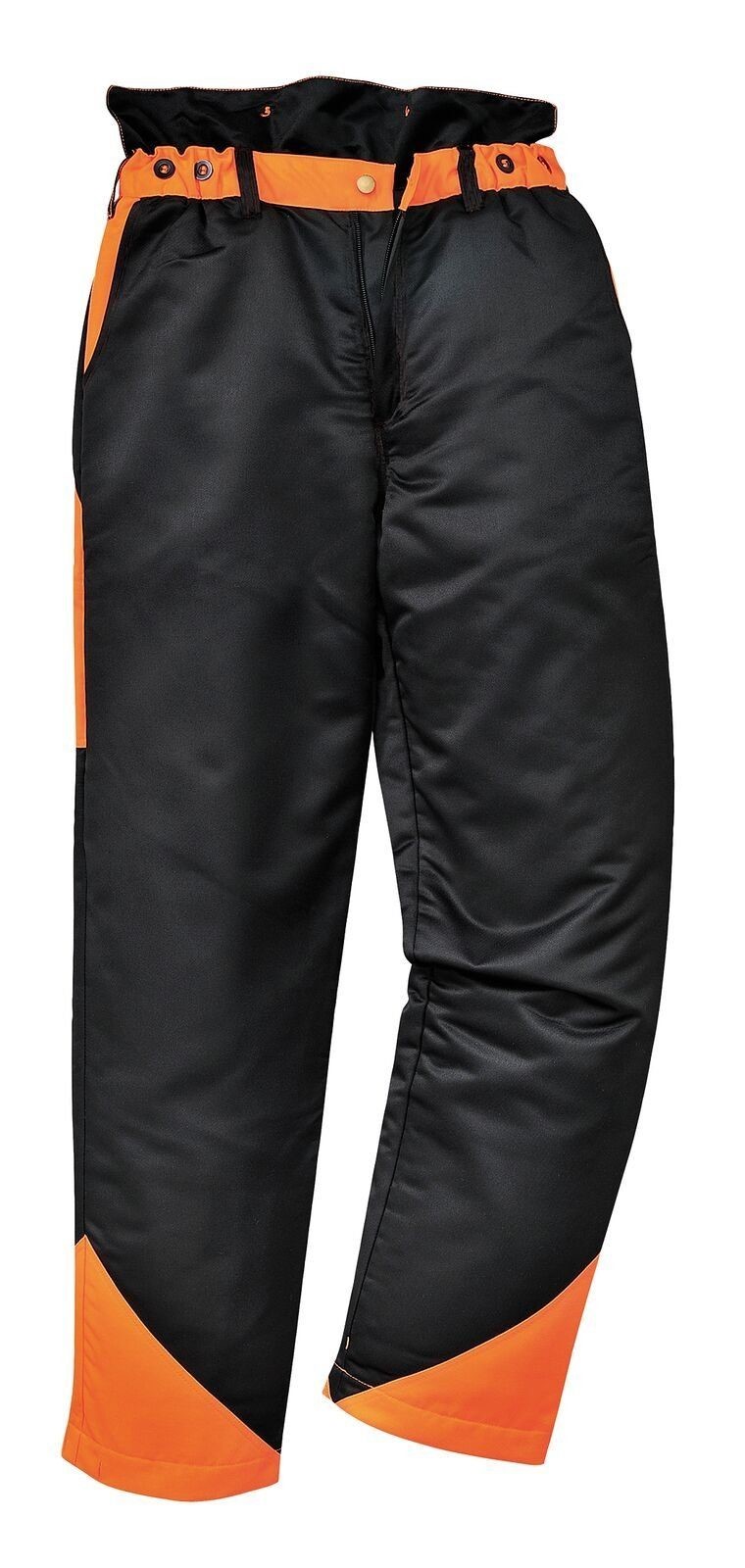
When selecting chainsaw protective clothing, understanding the certification standards is essential for ensuring appropriate protection. Portwest chainsaw protective garments are certified to EN 381, the European standard governing chainsaw protective clothing. This comprehensive certification provides verified protection for forestry professionals and arborists facing chainsaw hazards.
Decoding EN 381: The Complete Protection Standard
The EN 381 standard consists of multiple parts, each addressing specific aspects of chainsaw protection:
- EN 381-5: Specifies requirements for leg protectors (trousers and chaps)
- EN 381-7: Covers requirements for protective gloves
- EN 381-9: Defines standards for protective gaiters
- EN 381-11: Outlines requirements for upper body protective jackets
This comprehensive standard ensures that all body areas vulnerable to chainsaw contact are addressed with specific, verified protection requirements. When you purchase Portwest EN 381 certified gear, you receive protection tested against standardized protocols rather than simply trusting manufacturer claims.
Protection Classes: Matching Safety to Chainsaw Speed
A critical aspect of EN 381 certification is the classification of protection levels based on chainsaw speeds during testing:
- Class 0: Tested at 16 meters per second (m/s)
- Class 1: Tested at 20 meters per second (m/s)
- Class 2: Tested at 24 meters per second (m/s)
- Class 3: Tested at 28 meters per second (m/s)
These classes allow you to match your protective gear to your specific chainsaw and operational requirements. Portwest offers multiple protection classes across their range, with clear labelling that indicates the certified protection level of each garment.
Higher protection classes incorporate additional protective layers and enhanced construction techniques to arrest faster-moving chains. This progressive protection allows professionals to select appropriate gear based on their specific equipment and risk assessment.
Protection Type Configurations: Addressing Work Positions
For leg protection specifically, EN 381-5 defines three protection type configurations:
- Type A: Protective material covers the front of each leg
- Type B: Protective material covers the front and inside of each leg
- Type C: Protective material extends around the full circumference of each leg
Portwest offers both Type A and Type C configurations, allowing selection based on specific working positions and risk profiles. Type A provides excellent protection for conventional ground cutting, while Type C delivers comprehensive protection for aerial work or operations with variable cutting positions.
Testing Methodology: Verifying Real Protection
The testing procedures required for EN 381 certification provide confidence in the protection offered:
- Chain contact testing: Garments are subjected to actual running chainsaws under controlled conditions to verify protective performance.
- Penetration resistance: Tests measure the chain penetration depth through protective layers to ensure adequate stopping distance.
- Coverage verification: Certification confirms that protective material covers all required areas without gaps.
- Ergonomic evaluation: Testing includes assessment of design elements that ensure garments maintain protection during actual work movements.
- Material performance: Additional tests verify that protective materials maintain performance after exposure to cleaning, moisture, and temperature variations.
Beyond EN 381: Additional Portwest Certifications
While EN 381 focuses specifically on chainsaw protection, many Portwest forestry garments carry additional certifications addressing complementary safety aspects:
- EN ISO 11393: The updated international standard harmonizing chainsaw protection requirements
- EN ISO 20471: High-visibility certification for enhanced worker visibility in forestry settings
- EN 343: Weather protection certification for water and breathability performance
- EN 342: Cold protection for winter forestry operations
These complementary certifications reflect Portwest's comprehensive approach to forestry safety, addressing the multiple hazards present in professional cutting operations.
When selecting Portwest chainsaw protective clothing, understanding these certification details allows you to make informed decisions that match your specific operational risks—ensuring you receive appropriate protection for your particular forestry activities.