Educational facilities present unique maintenance challenges that demand specialized equipment, strategic planning, and comprehensive approaches to facility management. Primary and secondary schools operate under intensive use conditions with limited maintenance windows, requiring maintenance equipment that delivers reliable performance while supporting cost-effective operations. Understanding the specific requirements of educational environments enables facility managers to select appropriate equipment that maintains safe, functional, and attractive learning environments throughout the academic year.
The complexity of modern educational facilities encompasses everything from traditional classroom maintenance to specialized equipment for laboratories, kitchens, sports facilities, and outdoor areas. Maintenance teams must be equipped to handle routine cleaning and upkeep while responding rapidly to emergency situations that could disrupt educational activities. This comprehensive approach to maintenance equipment selection ensures schools can maintain optimal learning environments while managing operational costs effectively.
Strategic maintenance equipment procurement involves understanding both immediate operational needs and long-term facility management objectives. Schools that invest in quality maintenance equipment typically achieve better facility conditions while reducing long-term costs through improved efficiency and extended equipment service life. This investment approach supports educational excellence while demonstrating responsible stewardship of public resources.
Understanding Educational Facility Maintenance Requirements
Educational facilities operate under unique conditions that distinguish their maintenance needs from standard commercial or residential properties. High occupancy levels, diverse age groups, intensive daily use, and seasonal variations create maintenance demands that require specialized equipment and strategic approaches to facility management.
Daily maintenance requirements in schools often exceed those found in comparable commercial facilities due to the high number of occupants and diverse activities taking place simultaneously. From early morning preparation through evening activities and community use, educational facilities experience continuous use that demands reliable maintenance equipment capable of handling intensive operational schedules.
The diversity of spaces within educational facilities requires maintenance equipment that can address everything from standard classroom cleaning to specialized laboratory maintenance, kitchen sanitation, gymnasium care, and outdoor facility management. This variety demands comprehensive equipment selections that provide versatility while maintaining efficiency across all facility areas.
Seasonal maintenance cycles in educational environments often concentrate intensive maintenance activities during holiday periods when facilities are less occupied. This concentrated maintenance schedule requires equipment that can handle intensive use periods while remaining reliable throughout extended storage periods between major maintenance cycles.
Emergency response capabilities become critical in educational settings where facility failures can disrupt learning activities and impact hundreds of students and staff members. Maintenance equipment must include emergency response tools and backup systems that enable rapid response to urgent facility issues.
Professional Cleaning Systems for Educational Excellence
Maintaining clean, healthy learning environments requires professional-grade cleaning equipment that can handle the intensive requirements of educational facilities while supporting comprehensive sanitation protocols. Karcher cleaning systems provide the reliability and performance required for institutional cleaning applications.
Floor care equipment represents a critical component of educational facility maintenance, as floors experience intensive daily use from hundreds of students and staff members. Professional floor scrubbers, vacuum systems, and specialized cleaning equipment ensure floors remain clean, safe, and attractive throughout the academic year. Quality floor care equipment should include features such as large capacity tanks, efficient cleaning mechanisms, and easy maintenance procedures that support daily cleaning routines.
Carpet cleaning equipment addresses the specialized needs of carpeted areas within educational facilities, including classrooms, libraries, and administrative areas. Professional carpet cleaning systems must handle high-traffic conditions while maintaining indoor air quality and extending carpet life through effective cleaning procedures. These systems often include extraction capabilities, specialized cleaning solutions, and appropriate drying systems.
Restroom cleaning and sanitation equipment requires commercial-grade solutions that maintain health standards while supporting efficient cleaning procedures. Educational facilities typically experience heavy restroom usage throughout the day, requiring equipment that can maintain cleanliness standards while handling high-volume usage patterns. This includes specialized cleaning chemicals, equipment, and supplies designed for institutional restroom maintenance.
Window and glass cleaning equipment ensures clear, clean surfaces throughout educational facilities while maintaining professional appearance standards. Schools often feature extensive glazing that requires regular cleaning to maintain light transmission and appearance. Professional window cleaning equipment includes appropriate safety features, efficient cleaning mechanisms, and tools designed for institutional applications.
Specialized Maintenance Tools and Equipment
Educational facility maintenance requires comprehensive tool collections that support everything from routine maintenance to emergency repairs and specialized system servicing. Tools designed for institutional applications provide the durability and performance required for educational facility maintenance.
Basic hand tools form the foundation of any maintenance program, providing essential capabilities for routine repairs, adjustments, and maintenance procedures. Quality hand tools designed for institutional use typically feature enhanced durability, appropriate safety features, and performance characteristics that support intensive use conditions found in educational environments.
Power tools and equipment enable maintenance teams to handle more complex repairs and maintenance procedures efficiently while maintaining appropriate safety standards. Educational facility maintenance often requires specialized power tools that can handle various materials and applications while providing reliability and safety in occupied facility environments.
Electrical maintenance equipment must support the complex electrical systems found in modern educational facilities while maintaining appropriate safety standards. This includes testing equipment, basic repair tools, and safety equipment that enables maintenance teams to handle routine electrical maintenance while recognizing when professional electrical services are required.
Plumbing maintenance equipment addresses the extensive plumbing systems required in educational facilities, including restrooms, kitchens, laboratories, and maintenance areas. Basic plumbing tools and equipment enable maintenance teams to handle routine issues while maintaining appropriate safety and health standards throughout the facility.
HVAC maintenance equipment supports the heating, ventilation, and air conditioning systems that maintain comfortable learning environments throughout the academic year. Regular maintenance prevents major system failures while ensuring optimal performance and energy efficiency that supports cost-effective facility operations.
Essential Maintenance Supplies and Consumables
Ongoing facility maintenance requires consistent access to quality supplies and consumables that support various maintenance activities throughout the academic year. Trade essentials and DIY products ensure maintenance teams have necessary materials for routine facility care and emergency repairs.
Cleaning supplies and chemicals must meet institutional requirements while supporting comprehensive cleaning protocols that maintain healthy learning environments. This includes general cleaning chemicals, specialized disinfectants, and appropriate cleaning supplies designed for educational facility applications. Quality cleaning supplies should balance effectiveness with safety considerations appropriate for occupied educational environments.
Hardware and fasteners support routine maintenance and repair activities while enabling emergency repairs when needed. Educational facilities require diverse hardware supplies to address various maintenance needs, from furniture repairs to facility modifications and emergency fixes. Fasteners and small components provide essential materials for ongoing maintenance activities.
Adhesives and sealants enable maintenance teams to address various facility issues while providing long-lasting repairs that maintain facility integrity. Quality adhesives and sealants designed for institutional applications provide reliable performance while meeting appropriate safety and environmental standards.
Paints and finishes support facility appearance maintenance while protecting surfaces from wear and damage. Educational facilities require durable paint systems that can withstand intensive use while maintaining appearance throughout extended service periods. Professional paint systems often provide superior performance compared to standard residential products.
Safety Equipment and Personal Protection
Maintenance activities in educational facilities require comprehensive safety equipment that protects maintenance personnel while ensuring compliance with occupational safety standards. Safety at work equipment ensures maintenance teams can perform their duties safely while maintaining appropriate protection standards.
Personal protective equipment must address the various hazards encountered in educational facility maintenance, from chemical exposure during cleaning to physical hazards during repair activities. Quality PPE should include appropriate eye protection, respiratory protection, hand protection, and protective clothing designed for institutional maintenance applications.
Fall protection equipment becomes essential for maintenance activities involving elevated work, including roof maintenance, lighting repairs, and exterior facility maintenance. Professional fall protection systems ensure maintenance personnel can work safely at height while maintaining compliance with safety regulations.
Confined space safety equipment addresses the specialized requirements for maintenance work in areas such as utility tunnels, storage areas, and mechanical spaces. This equipment includes atmospheric monitoring, ventilation systems, and emergency response equipment designed for confined space applications.
Emergency response equipment enables maintenance teams to respond appropriately to facility emergencies while supporting overall facility safety objectives. This includes first aid supplies, emergency communication equipment, and specialized tools designed for emergency response situations.
Storage and Organization Systems
Effective maintenance programs require comprehensive storage and organization systems that keep tools, supplies, and equipment readily accessible while maintaining security and organization. Shelving and storage systems designed for maintenance applications provide appropriate organization while supporting efficient operations.
Tool storage systems must accommodate diverse tool collections while providing security and organization that supports efficient maintenance operations. Quality tool storage includes appropriate security features, organization capabilities, and accessibility that enables maintenance teams to locate and use tools efficiently.
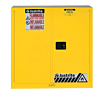
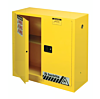
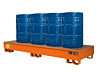
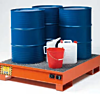
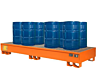
Chemical storage requirements address the specialized needs for cleaning chemicals, maintenance supplies, and potentially hazardous materials used in facility maintenance. Appropriate chemical storage includes ventilation, containment, and safety features that ensure compliance with safety regulations while maintaining accessibility for authorized personnel.
Parts and supply storage systems must accommodate various sizes and types of maintenance materials while maintaining organization and inventory control. Efficient parts storage supports rapid response to maintenance issues while preventing inventory buildup and waste.
Mobile storage solutions enable maintenance teams to transport tools and supplies efficiently throughout large educational facilities while maintaining organization and security. Rolling tool carts, portable storage systems, and mobile work stations support efficient maintenance operations in complex facility environments.
Outdoor Maintenance Equipment
Educational facilities typically include extensive outdoor areas that require specialized maintenance equipment to maintain safe, attractive environments for outdoor learning and recreation activities. Outdoor maintenance equipment must withstand weather conditions while providing reliable performance throughout various seasons.
Grounds maintenance equipment includes lawn mowers, trimmers, and landscape maintenance tools that maintain attractive outdoor learning environments. Educational facilities often feature diverse landscaping that requires various maintenance approaches and equipment types. Quality grounds maintenance equipment should provide reliable performance while supporting cost-effective landscape maintenance.
Snow removal equipment becomes essential in regions with seasonal snow conditions, enabling schools to maintain safe access and operations throughout winter weather. This includes snow removal tools, ice management equipment, and appropriate safety equipment for winter maintenance activities.
Outdoor cleaning equipment addresses the specialized needs for maintaining playgrounds, sports facilities, and outdoor learning areas. This equipment must handle outdoor conditions while providing effective cleaning that maintains safe, attractive outdoor environments.
Irrigation and water management equipment supports landscape maintenance while ensuring efficient water use and appropriate growing conditions for educational facility landscaping. Modern irrigation systems often include automated controls and efficient distribution systems that reduce maintenance requirements while supporting healthy landscapes.
Waste Management and Environmental Equipment
Educational facilities generate diverse waste streams that require comprehensive management systems and appropriate equipment to maintain cleanliness while supporting environmental responsibility objectives. Litter bins and waste management equipment must handle high-volume usage while supporting recycling initiatives.
Indoor waste management systems must accommodate various waste streams while supporting recycling programs and maintaining cleanliness standards throughout educational facilities. This includes general waste collection, recycling systems, and specialized disposal equipment for different types of waste materials generated in educational environments.
Outdoor waste management requires weather-resistant equipment that maintains functionality throughout various weather conditions while supporting comprehensive waste collection programs. Outdoor waste management equipment must handle playground waste, outdoor event cleanup, and grounds maintenance waste.
Recycling program equipment supports environmental education objectives while managing recyclable materials generated throughout educational facilities. Educational recycling programs often serve both operational and educational purposes, requiring equipment that supports both objectives effectively.
Composting systems can support environmental education while managing organic waste from food service operations and landscape maintenance. Educational composting programs provide hands-on learning opportunities while supporting sustainability objectives through appropriate waste management.
Specialized Equipment for Educational Applications
Educational facilities often include specialized areas that require specific maintenance equipment and procedures. Laboratories, kitchens, gymnasiums, and auditoriums each present unique maintenance challenges that require appropriate equipment and expertise.
Laboratory maintenance equipment must address the specialized requirements for maintaining science laboratories while ensuring appropriate safety standards. This includes chemical handling equipment, specialized cleaning systems, and safety equipment designed for laboratory maintenance applications.
Kitchen and food service maintenance equipment addresses the intensive cleaning and sanitation requirements for institutional food service operations. Commercial kitchen maintenance requires specialized equipment that maintains health department standards while supporting efficient food service operations.
Gymnasium and sports facility maintenance equipment must handle the specialized flooring, equipment, and facility requirements found in educational sports facilities. This includes specialized cleaning equipment, floor care systems, and equipment maintenance tools designed for sports facility applications.
Auditorium and performance space maintenance requires specialized equipment for maintaining acoustic treatments, stage equipment, and seating systems. These facilities often include complex systems that require specialized maintenance approaches and equipment.
Technology maintenance equipment addresses the growing technology infrastructure found in modern educational facilities. This includes specialized cleaning equipment for electronic devices, cable management tools, and appropriate maintenance equipment for technology systems.
Security and Access Control Maintenance
Educational facilities require comprehensive security systems that demand regular maintenance and appropriate equipment to ensure continued functionality and effectiveness. Security system maintenance requires specialized tools and equipment that support various security technologies.
Access control system maintenance includes the tools and equipment necessary to maintain card readers, electronic locks, and monitoring systems. These systems require regular maintenance to ensure reliable operation while maintaining appropriate security levels throughout educational facilities.
Surveillance system maintenance equipment supports the ongoing maintenance of camera systems, recording equipment, and monitoring infrastructure. Quality surveillance systems require regular maintenance to ensure optimal performance and reliable security coverage.
Alarm system maintenance requires specialized equipment and procedures that ensure fire alarms, security alarms, and emergency communication systems remain functional and compliant with safety regulations.
Emergency lighting maintenance equipment ensures backup lighting systems remain functional during power outages and emergency situations. Regular maintenance and testing ensure these critical safety systems provide reliable illumination when needed.
Energy Management and Efficiency Equipment
Modern educational facilities increasingly focus on energy efficiency and sustainability, requiring maintenance equipment that supports energy management objectives while maintaining comfortable learning environments. Energy management equipment often provides long-term cost savings while supporting environmental responsibility objectives.
HVAC system maintenance equipment supports the efficient operation of heating, ventilation, and air conditioning systems that consume significant energy in educational facilities. Regular maintenance with appropriate equipment ensures optimal system efficiency while extending equipment life and reducing energy consumption.
Lighting system maintenance equipment addresses the diverse lighting requirements found in educational facilities while supporting energy efficiency objectives. This includes maintenance tools for LED systems, fluorescent lighting, and specialized lighting applications found in educational environments.
Building automation system maintenance requires specialized equipment that supports computerized building management systems. These systems often control various facility systems and require appropriate maintenance equipment and expertise to ensure optimal performance.
Insulation and weatherization equipment supports facility envelope maintenance that impacts energy efficiency and comfort. Appropriate insulation maintenance equipment helps maintain building efficiency while supporting comfortable learning environments.
Emergency Response and Backup Equipment
Educational facilities must maintain comprehensive emergency response capabilities that require specialized equipment and backup systems. Emergency preparedness equipment ensures schools can respond appropriately to various emergency situations while maintaining safety for students and staff.
Backup power equipment including generators and emergency power systems require regular maintenance with appropriate equipment and procedures. These systems provide critical power during outages while supporting essential facility operations and safety systems.
Emergency water systems and plumbing backup equipment ensure continued water service during system failures or emergencies. This equipment supports both facility operations and emergency response requirements.
Emergency communication equipment maintenance ensures reliable communication systems during emergency situations. These systems require regular testing and maintenance with appropriate equipment to ensure functionality when needed.
Emergency lighting and safety system maintenance equipment supports the various safety systems required in educational facilities. Regular maintenance ensures these systems provide reliable performance during emergency situations.
Quality Assurance and Testing Equipment
Maintaining educational facilities requires regular testing and quality assurance procedures that demand appropriate testing equipment and measurement tools. Quality assurance equipment ensures facility systems meet performance standards while supporting preventive maintenance programs.
Air quality testing equipment monitors indoor environmental conditions while ensuring healthy learning environments. This equipment supports both routine monitoring and investigation of air quality issues that could impact student and staff health.
Water quality testing equipment ensures potable water systems meet health standards while supporting routine monitoring programs. Educational facilities often include complex water systems that require regular testing and monitoring.
Electrical testing equipment supports electrical system maintenance while ensuring safety and compliance with electrical codes. This equipment enables maintenance teams to identify potential issues before they become safety hazards or system failures.
Structural inspection equipment supports ongoing facility assessment while identifying maintenance needs before they become major problems. Regular facility inspection with appropriate equipment supports preventive maintenance programs while ensuring facility safety.
Budget Planning and Equipment Selection
Effective maintenance equipment procurement requires strategic planning that balances equipment quality with budget constraints while considering long-term operational costs. Understanding total cost of ownership enables informed equipment selection decisions that maximize value while meeting operational requirements.
Equipment lifecycle considerations include initial purchase costs, maintenance requirements, operating costs, and replacement planning. Quality maintenance equipment often provides superior long-term value through reduced maintenance costs and extended service life.
Volume purchasing opportunities through bulk ordering benefits can provide significant cost savings while ensuring equipment consistency across maintenance operations. Many suppliers offer educational discounts that further enhance value propositions for schools.
Supplier selection should consider equipment quality, support services, parts availability, and training opportunities. Working with suppliers who understand educational facility requirements provides access to appropriate equipment while ensuring ongoing support throughout the equipment lifecycle.
Training and certification requirements for maintenance equipment must be considered during selection and budgeting processes. Some specialized equipment requires operator training or certification that adds to total implementation costs but ensures safe, effective equipment operation.
Working with Educational Maintenance Suppliers
Successful maintenance equipment procurement often involves partnerships with suppliers who understand educational facility requirements and can provide comprehensive support throughout the equipment lifecycle. Established suppliers offer expertise, training, and ongoing support that enhances equipment performance while simplifying maintenance operations.
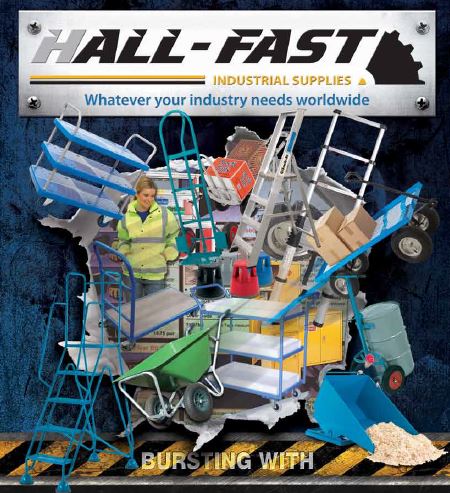
Hall-Fast represents the type of established supplier that many primary and secondary schools rely on for their maintenance equipment needs, offering nationwide and worldwide supply capabilities with flexible purchasing options including online ordering and official purchase order accounts.
Supplier expertise in educational applications provides valuable guidance throughout equipment selection and specification processes. Understanding the unique requirements of educational facilities enables suppliers to recommend appropriate equipment while avoiding costly selection mistakes.
Training and support services from quality suppliers enhance equipment performance while reducing operational complexity. These services often include operator training, maintenance guidance, and ongoing technical support that maximizes equipment value.
Parts availability and service support significantly impact long-term equipment value and operational reliability. Suppliers with comprehensive parts inventories and service capabilities ensure maintenance equipment remains functional throughout its service life.
Access to diverse brands and product lines ensures schools can select optimal equipment for their specific requirements while maintaining competitive pricing through established supplier relationships.
Comprehensive Equipment Categories
Educational facility maintenance encompasses diverse equipment categories that support all aspects of facility operations. Industrial and commercial equipment designed for institutional applications provides the durability and performance required for educational facility maintenance.
Understanding the complete range of maintenance equipment requirements enables comprehensive procurement planning while ensuring all necessary equipment is available for effective facility maintenance. This includes everything from basic cleaning supplies to specialized maintenance equipment for complex facility systems.
Clearance opportunities may provide cost savings on quality maintenance equipment while requiring careful evaluation to ensure items meet specific requirements and provide appropriate long-term value.
Professional contact with suppliers enables schools to discuss specific maintenance requirements, receive expert guidance, and develop customized equipment solutions that address their unique facility maintenance needs.
Conclusion: Building Comprehensive Maintenance Capabilities
Educational facility maintenance requires comprehensive equipment selections that address the unique demands of primary and secondary schools while supporting cost-effective operations and healthy learning environments. Strategic equipment procurement that considers both immediate needs and long-term operational requirements enables schools to maintain excellent facility conditions while managing costs effectively.
The investment in quality maintenance equipment pays dividends through improved facility conditions, reduced emergency repairs, enhanced safety, and lower long-term operational costs. Schools that prioritize comprehensive maintenance equipment selection typically achieve better facility outcomes while demonstrating responsible stewardship of educational resources.
Working with experienced suppliers who understand educational facility requirements provides access to appropriate equipment, expert guidance, and comprehensive support services that enhance maintenance program success. Through careful planning, strategic purchasing, and professional implementation, educational facilities can maintain optimal learning environments that support educational excellence while managing operational costs effectively.
The community of educational institutions that work with established suppliers benefits from shared expertise, proven solutions, and recognition of excellence through awards that demonstrate commitment to educational facility maintenance excellence.