Introduction: Navigating the Rock Salt Market
When winter approaches, businesses, local authorities, and property managers across the UK face a critical decision: securing rock salt supplies at competitive prices. Understanding rock salt prices involves more than simply comparing numbers – it requires insight into market dynamics, seasonal fluctuations, and the various factors that influence costs throughout the supply chain.
Rock salt, also known as halite or road salt, remains the most cost-effective and widely used de-icing material for winter road maintenance. As temperatures drop and ice becomes a hazard, the demand for rock salt surges, directly impacting prices. This comprehensive guide explores everything you need to know about rock salt prices, helping you make informed purchasing decisions while ensuring you're prepared for whatever winter brings.
Understanding Rock Salt Pricing Structures
Rock salt prices vary significantly based on multiple factors, creating a complex pricing landscape that can challenge even experienced buyers. The base price of rock salt typically ranges from £80 to £200 per tonne, but this figure represents just the starting point. Various additional factors can substantially impact the final cost you'll pay.
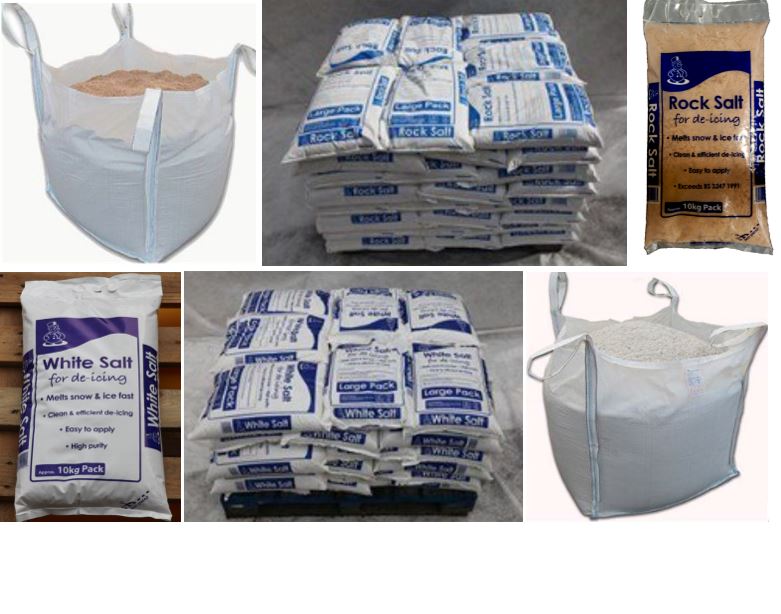
Quantity plays a crucial role in determining rock salt prices. Bulk purchases generally offer significant savings per unit, with economies of scale becoming particularly apparent when ordering by the pallet or in bulk bags. For instance, Hall-Fast's Rock Salt Bulk Bag provides exceptional value for large-scale users, offering substantial cost savings compared to purchasing smaller quantities.
The packaging format significantly influences pricing. Loose bulk deliveries typically offer the lowest price per tonne but require appropriate storage facilities and handling equipment. Bagged options, while slightly more expensive per unit, provide convenience and easier handling. Hall-Fast offers various packaging options, including their popular Rock Salt Pallet of 100 Bags 10KG, which balances cost-effectiveness with practical handling requirements.
Seasonal Price Fluctuations and Market Dynamics
Rock salt prices follow predictable seasonal patterns, with costs typically lowest during summer months when demand drops. Smart buyers take advantage of off-season pricing, often securing supplies at 20-30% below peak winter rates. This forward-thinking approach requires adequate storage capacity but can result in substantial savings.
During severe winter weather events, rock salt prices can spike dramatically. Supply shortages, increased transportation costs, and surge demand combine to drive prices upward, sometimes doubling or tripling normal rates. The winter of 2010-2011 serves as a stark reminder, when UK rock salt prices reached record highs due to prolonged cold conditions and depleted stockpiles.
Geographic location affects pricing significantly. Coastal areas with port access typically enjoy lower prices due to reduced transportation costs from import terminals. Inland locations, particularly those in remote or mountainous regions, often face higher prices due to increased logistics expenses. Hall-Fast's nationwide distribution network helps mitigate these regional variations, offering competitive pricing across the UK through their efficient winter management products range.
Comparing Rock Salt Types and Their Price Points
Not all rock salt is created equal, and price variations often reflect quality differences. Standard brown rock salt, containing natural impurities that give it its characteristic colour, represents the most economical option for most de-icing applications. This grade works effectively for roads, car parks, and general outdoor surfaces.
White salt, a purer form of sodium chloride, commands premium prices but offers specific advantages. Hall-Fast's White Salt Bulk Bag provides a cleaner alternative that leaves minimal residue, making it ideal for areas where tracking indoors is a concern. The White Salt Pallet of 100 Bags 10KG offers convenient packaging for businesses requiring premium de-icing solutions.
Marine-grade rock salt, harvested from seawater evaporation, sits between standard and white salt in terms of price. This option provides good performance with moderate residue levels. Some suppliers also offer treated rock salt, pre-wetted with calcium chloride or magnesium chloride solutions, which works at lower temperatures but costs significantly more than standard options.
Volume Purchasing and Bulk Discounts
Purchasing rock salt in larger quantities invariably reduces the per-unit cost, making bulk buying an attractive option for organisations with adequate storage capacity. The Rock Salt Pallet of 40 Bags 23KG represents an excellent middle ground, offering bulk pricing advantages while maintaining manageable bag sizes.
Contract purchasing arrangements can lock in favourable prices for the entire winter season. Many suppliers, including Hall-Fast, offer account facilities that provide additional benefits beyond simple price reductions. These might include priority delivery during shortage periods, extended payment terms, and access to technical support and advice.
Storage considerations play a crucial role in bulk purchasing decisions. Rock salt must be kept dry to prevent caking and maintain spreading characteristics. Covered storage areas, salt barns, or weatherproof containers represent necessary investments that should factor into total cost calculations. The White Salt Pallet of 40 Bags 23KG comes in weather-resistant packaging that provides additional protection during storage.
Hidden Costs and Additional Considerations
When evaluating rock salt prices, several hidden costs can impact the total expense. Delivery charges vary considerably based on location, order size, and urgency. Some suppliers include delivery in their quoted prices for large orders, while others charge separately. Hall-Fast's efficient distribution network, supporting their industrial and commercial equipment range, ensures competitive delivery rates nationwide.
Equipment costs for spreading rock salt should factor into budget calculations. Manual spreading suits small areas, but larger surfaces require mechanical spreaders. These range from walk-behind units costing several hundred pounds to vehicle-mounted spreaders costing thousands. Maintenance, repairs, and operator training represent ongoing expenses.
Environmental compliance costs increasingly influence rock salt pricing. Some regions impose restrictions on salt usage due to environmental concerns, potentially requiring more expensive alternative products or additional containment measures. Proper storage facilities that prevent salt runoff into water systems may require initial investment but help avoid potential fines and environmental damage.
Price Comparison Strategies
Effective price comparison extends beyond simply collecting quotes. Understanding what's included in each price ensures accurate comparisons. Some suppliers quote ex-works prices, requiring you to arrange collection, while others include delivery. Minimum order quantities, payment terms, and quality guarantees all impact the true value proposition.
Online platforms have revolutionised price comparison, allowing buyers to quickly assess multiple suppliers. Hall-Fast's comprehensive website showcases their complete range, from consumables to safety equipment, enabling easy comparison and ordering. Their transparent pricing and detailed product specifications simplify the evaluation process.
Long-term relationships with suppliers often yield better prices than constantly switching providers. Established suppliers understand your needs, can anticipate requirements, and may offer preferential pricing for loyal customers. Hall-Fast's commitment to customer service, recognised through numerous awards, demonstrates the value of partnering with established suppliers.
International Market Influences
Global salt markets influence UK rock salt prices through complex supply chain dynamics. Major producing countries including Egypt, Chile, and Spain export significant quantities to the UK. Exchange rate fluctuations, shipping costs, and international demand all impact domestic prices.
Shipping costs have increased substantially in recent years, affecting imported rock salt prices. Container shortages, port congestion, and fuel price volatility contribute to transportation expense uncertainty. These factors underscore the importance of working with suppliers who maintain strategic stockpiles and can buffer against international market disruptions.
Climate change patterns globally affect rock salt prices through altered production and demand patterns. Warmer winters in traditional markets may reduce demand, while unexpected cold snaps in typically mild regions can create sudden supply pressures. These shifting patterns make price prediction increasingly challenging.
Quality Versus Price Considerations
While price remains important, the cheapest rock salt doesn't always represent the best value. Poor quality salt with high moisture content or excessive fines requires higher application rates, potentially negating initial savings. Quality salt spreads more effectively, provides better ice prevention, and causes less equipment wear.
Contamination levels affect both price and performance. Lower-grade rock salt may contain clay, sand, or other materials that reduce effectiveness and potentially damage spreading equipment. Premium products from reputable suppliers like Hall-Fast undergo quality control processes that ensure consistent performance and protect your equipment investment.
The relationship between particle size and price deserves consideration. Properly graded rock salt with consistent particle size spreads more uniformly and provides better coverage. While premium grading may cost more initially, improved performance and reduced waste often justify the expense.
Strategic Purchasing for Different Sectors
Different sectors face unique rock salt pricing challenges and opportunities. Local authorities managing extensive road networks benefit from long-term contracts and bulk purchasing arrangements. Their scale enables negotiation of favourable terms but requires careful budget management and storage planning.
Commercial property managers balance cost control with liability concerns. While rock salt prices impact operating budgets, inadequate winter preparation can result in costly slip-and-fall claims. This sector often values reliable supply and quality assurance over absolute lowest price.
Facilities management companies serving multiple sites require flexible pricing structures that accommodate varying requirements. Hall-Fast's account facilities cater to these needs, offering consolidated billing and delivery scheduling that simplifies administration while maintaining cost control.
Small businesses and residential users face different pricing dynamics, often paying premium rates for small quantities. However, group purchasing arrangements or buying clubs can help smaller users access better prices typically reserved for larger buyers.
Future Price Trends and Market Outlook
Predicting future rock salt prices requires considering multiple evolving factors. Climate change models suggest increasingly variable winter weather patterns, potentially creating more volatile pricing. Infrastructure investment in salt production and storage facilities may help stabilise supplies and prices long-term.
Technological advances in weather forecasting and road treatment could influence demand patterns and pricing structures. Precision application technologies that optimise salt usage may reduce overall demand, potentially affecting market prices. Alternative de-icing products continue developing, though rock salt's cost advantage maintains its market dominance.
Regulatory changes regarding environmental protection may impact rock salt prices through required modifications to storage, application, or product specifications. Forward-thinking suppliers like Hall-Fast stay ahead of regulatory changes, ensuring their products meet evolving standards while maintaining competitive pricing.
Maximising Value Through Smart Procurement
Achieving optimal rock salt prices requires strategic thinking beyond simple cost comparison. Developing comprehensive winter maintenance plans enables accurate quantity forecasting and advantageous advance purchasing. Understanding your specific needs helps avoid over-purchasing while ensuring adequate supplies.
Building relationships with multiple suppliers provides pricing leverage and supply security. While maintaining a primary supplier relationship offers benefits, having alternative sources prevents dependency and encourages competitive pricing. Hall-Fast's extensive fasteners and components expertise demonstrates their broader supply chain capabilities.
Monitoring market indicators helps anticipate price movements. Weather forecasts, industry reports, and supplier communications provide valuable intelligence for timing purchases. Joining industry associations or procurement groups can provide market insights and collective purchasing power.
Working with Hall-Fast for Competitive Rock Salt Prices
Hall-Fast's position as a comprehensive industrial supplier provides unique advantages for rock salt purchasers. Their extensive product range, from tools to winter management products, enables consolidated purchasing that can reduce overall costs. Account customers benefit from streamlined ordering, consistent pricing, and reliable delivery scheduling.
The company's commitment to community engagement, detailed on their community page, reflects their understanding of local needs and challenges. This local knowledge combined with global sourcing capabilities ensures competitive pricing while maintaining service quality.
Hall-Fast's transparent pricing policy and comprehensive online catalogue simplify budget planning and procurement processes. Their clearance section occasionally features winter management products at exceptional prices, providing additional savings opportunities for flexible buyers.
Conclusion: Achieving Optimal Rock Salt Value
Understanding rock salt prices requires considering numerous factors beyond the basic per-tonne rate. Successful procurement balances immediate cost considerations with long-term value, reliability, and service quality. By considering seasonal patterns, quality requirements, and hidden costs, buyers can develop strategies that minimise expenses while ensuring adequate winter preparedness.
The key to achieving optimal rock salt prices lies in planning ahead, building strong supplier relationships, and understanding your specific requirements. Whether you need bulk quantities for extensive ground coverage or smaller amounts for targeted application, suppliers like Hall-Fast provide options that balance cost-effectiveness with quality assurance.
As winter weather patterns become increasingly unpredictable, securing rock salt supplies at competitive prices becomes ever more critical. By following the strategies outlined in this guide and partnering with reliable suppliers, you can ensure your organisation remains prepared for winter challenges while maintaining budget control.
For more information about rock salt prices and to explore Hall-Fast's comprehensive range of winter management products, visit their website or contact their experienced team. With nationwide and worldwide delivery capabilities, Hall-Fast stands ready to meet your rock salt needs at competitive prices, ensuring you're prepared for whatever winter brings.