The Complex World of Occupational Safety Compliance
Welding fume ventilation regulations represent a critical framework designed to protect industrial workers from potentially life-threatening health risks. These are not mere guidelines, but carefully crafted standards that reflect decades of scientific research and industrial safety expertise.
Regulatory Landscape
Key governing bodies establish comprehensive standards:
- OSHA (Occupational Safety and Health Administration)
- Sets definitive exposure limits
- Mandates workplace protection measures
- Requires comprehensive risk assessments
- HSE (Health and Safety Executive)
- Provides detailed fume management guidance
- Establishes precise workplace exposure standards
- Offers comprehensive safety recommendations
Compliance Requirements: A Detailed Breakdown
Exposure Limit Considerations
- Permissible exposure levels
- Time-weighted average calculations
- Specific metal and compound restrictions
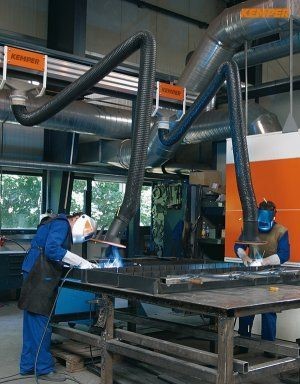
Ventilation Standards
- Minimum air exchange rates
- Precise capture velocity requirements
- Rigorous filtration efficiency standards
Personal Protective Equipment
- Specific respirator specifications
- Protective clothing requirements
- Supplementary safety equipment guidelines
Risk Management Strategy
A comprehensive approach involves:
- Detailed workplace evaluation
- Systematic fume source identification
- Precise exposure risk calculation
- Proactive mitigation strategy development
Staying Ahead of Regulatory Changes
Successful compliance requires:
- Continuous education
- Regular equipment updates
- Ongoing risk assessment
- Proactive safety culture
Expert Guidance and Resources
Discover comprehensive welding protection solutions at Hall-Fast, engineered to exceed regulatory requirements.
Direct Regulatory Compliance Support
- Expert Helpline: (01623) 645 645
- Specialist Consultation: sales@hall-fast.com