Introduction: Why Stubbs Cylinder Trolleys Are Essential for Safe Gas Handling
In industrial, commercial, and workshop environments across the United Kingdom, the safe transport of gas cylinders remains a critical safety consideration. Whether you're managing welding gases in a fabrication shop, handling medical oxygen in a healthcare facility, or transporting compressed air cylinders in a manufacturing plant, the right equipment makes all the difference. Stubbs cylinder trolleys have established themselves as the gold standard in gas cylinder handling equipment, combining robust British engineering with practical design features that prioritize both safety and efficiency.
This comprehensive guide explores everything you need to know about Stubbs cylinder trolleys—from understanding their essential safety features to selecting the perfect model for your specific requirements. Whether you're a safety officer conducting a risk assessment, a procurement manager evaluating equipment options, or a workshop supervisor seeking to improve handling procedures, this article provides the detailed information you need to make informed decisions about cylinder transport equipment.
Understanding Gas Cylinder Handling Risks and Regulations
The Hidden Dangers of Manual Cylinder Handling
Gas cylinders, particularly industrial-sized units, present significant manual handling challenges. A standard oxygen cylinder can weigh up to 75kg when full, while larger industrial cylinders may exceed 100kg. The Health and Safety Executive (HSE) reports that manual handling injuries account for over a third of all workplace injuries in the UK, with back injuries, muscle strains, and crush injuries being particularly common when moving heavy cylindrical objects.
The cylindrical shape of gas cylinders creates additional handling difficulties. Unlike boxes or pallets, cylinders offer limited grip points and have a tendency to roll unpredictably when tipped. This rolling hazard has resulted in numerous workplace accidents, including crushed feet, trapped hands, and cylinders striking workers or equipment. The pressurized contents add another layer of risk—a damaged valve or ruptured cylinder can release gas rapidly, creating explosion risks, asphyxiation hazards, or chemical exposure dangers depending on the contents.
UK Regulations Governing Cylinder Transport
The Manual Handling Operations Regulations 1992 require employers to avoid hazardous manual handling operations wherever possible, and where avoidance isn't practical, to assess the risk and reduce it to the lowest level reasonably practicable. For gas cylinder handling, this typically means implementing mechanical handling aids—precisely where Stubbs cylinder trolleys excel.
The Health and Safety at Work Act 1974 places a general duty on employers to ensure the health, safety, and welfare of employees, which extends to providing appropriate equipment for transporting heavy or hazardous materials. The Provision and Use of Work Equipment Regulations 1998 (PUWER) further mandate that equipment used at work must be suitable for its intended purpose, properly maintained, and used only by people who have received adequate training.
Industry-specific regulations also apply. For instance, the Dangerous Goods Safety Adviser (DGSA) regulations cover the transport of compressed gases, while the Pressure Systems Safety Regulations 2000 address the safe use of pressure equipment, including gas cylinders. Stubbs cylinder trolleys are designed to help organizations comply with this complex regulatory landscape, providing a practical solution that satisfies multiple safety requirements simultaneously.
The Stubbs Heritage: British Engineering Excellence
A Legacy of Quality Manufacturing
Stubbs has been synonymous with quality British manufacturing for generations. Founded with a commitment to producing durable, reliable handling equipment, the company has built its reputation on understanding the real-world challenges faced by industrial workers. Unlike imported alternatives that may prioritize low cost over longevity, Stubbs cylinder trolleys embody the British manufacturing tradition of building equipment that lasts.
The company's design philosophy centers on practical innovation—creating products that solve genuine workplace problems rather than pursuing features for their own sake. Every Stubbs cylinder trolley reflects years of feedback from end users, safety professionals, and industry experts. This collaborative approach ensures that each design iteration addresses actual handling challenges while maintaining the robust construction that has made Stubbs a trusted name.
Engineering for British Industrial Environments
British industrial sites present unique challenges—from the wet conditions of outdoor construction sites to the confined spaces of Victorian-era factories. Stubbs designs its cylinder trolleys specifically for these environments, incorporating features like weather-resistant finishes for outdoor use and compact dimensions for navigating tight spaces. The wheel selection reflects an understanding of diverse flooring conditions, from smooth warehouse concrete to rough construction site terrain and even historic building surfaces that require gentle treatment.
This attention to the specific needs of UK workplaces distinguishes Stubbs from generic imported equipment. While cheaper alternatives may function adequately in controlled environments, Stubbs trolleys deliver reliable performance across the full spectrum of British working conditions—from the oil refineries of Scotland to the aerospace facilities of the Southeast.
Comprehensive Features of Stubbs Cylinder Trolleys
Heavy-Duty Steel Construction
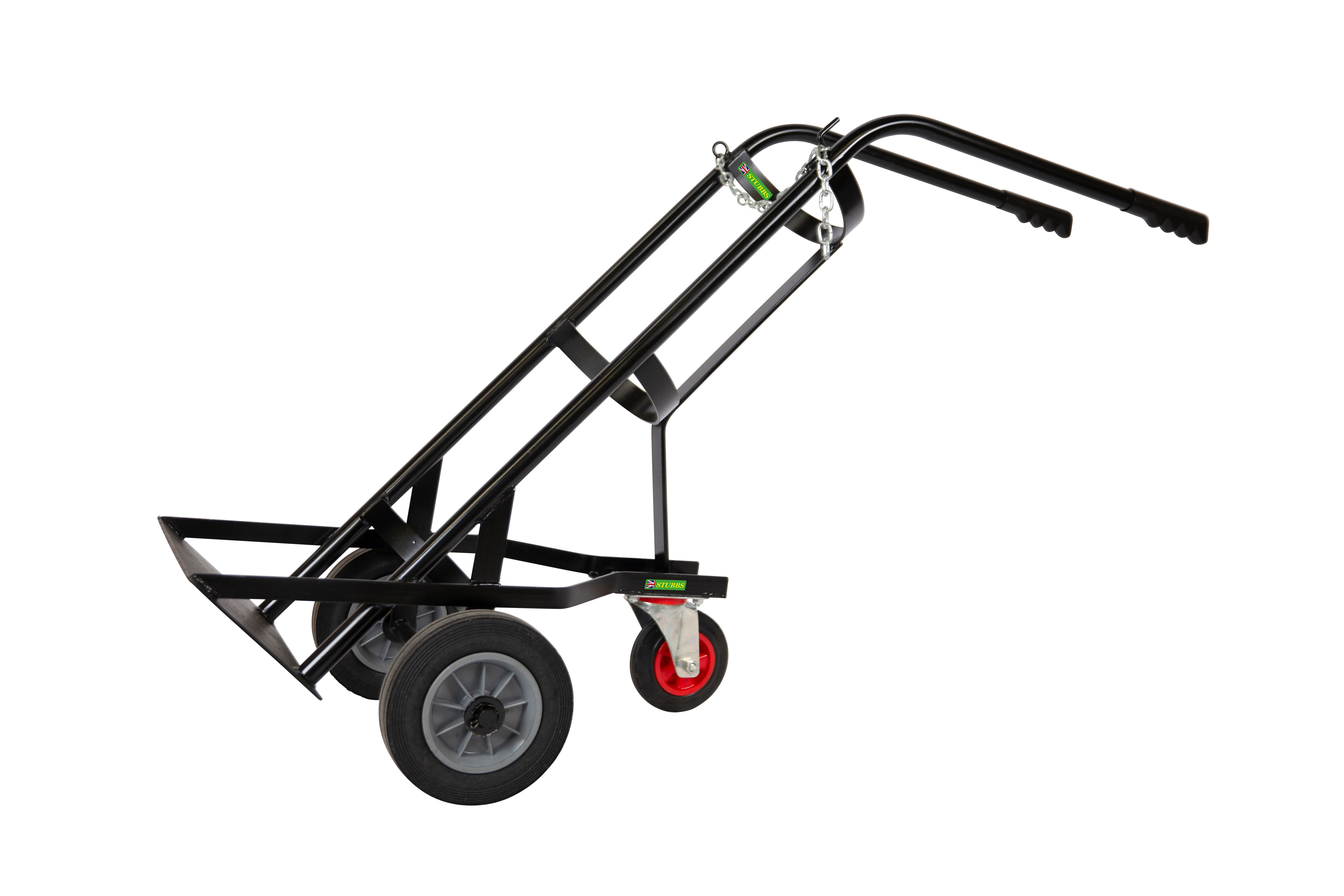
The foundation of every Stubbs cylinder trolley is its robust steel framework. Manufactured from high-tensile steel, the frame provides exceptional strength-to-weight ratio, supporting heavy cylinders while remaining manageable for a single operator to maneuver. The steel components undergo precision welding using advanced techniques that create joints stronger than the parent metal, eliminating weak points that could fail under stress.
The frame geometry has been optimized through both engineering analysis and practical testing. The triangulated structure distributes loads efficiently, preventing frame flex even when transporting maximum-rated loads. This rigidity is crucial—a flexing frame can cause cylinder movement, potentially leading to valve damage or complete loss of load control. The low center of gravity design enhances stability, reducing tip-over risk even when navigating slopes or uneven surfaces.
Advanced Protective Coating Systems
Every Stubbs cylinder trolley receives a multi-stage coating process designed to withstand industrial environments. The process begins with thorough degreasing and chemical treatment to prepare the steel surface. A zinc-rich primer provides corrosion protection at the molecular level, while the powder-coat topcoat delivers both aesthetic appeal and practical protection against impacts, chemicals, and UV exposure.
This coating system excels in challenging environments. Outdoor construction sites expose equipment to rain, humidity, and temperature fluctuations. Chemical processing facilities may subject trolleys to acid vapors or alkaline atmospheres. Automotive workshops involve exposure to oils, solvents, and metal particles. The Stubbs coating system resists all these challenges, maintaining both function and appearance for years of service.
The powder coating process also supports sustainability—unlike traditional liquid paints, powder coating produces minimal waste and contains no volatile organic compounds (VOCs). Excess powder can be recovered and reused, reducing environmental impact while maintaining the highest quality standards.
Precision Wheel and Caster Technology
The mobility system represents one of the most critical aspects of cylinder trolley design. Stubbs employs industrial-grade wheels and casters specifically engineered for heavy-load applications. The wheel material selection balances multiple requirements: sufficient hardness to support heavy weights without deformation, enough resilience to absorb shock loads, and the right surface characteristics to protect flooring while providing reliable traction.
Most Stubbs cylinder trolleys feature a combination of fixed and swivel casters. This configuration provides optimal maneuverability—the swivel casters at one end enable tight turns and precise positioning, while fixed wheels at the opposite end ensure straight-line stability during corridor transport. The caster mounting plates are reinforced and through-bolted to the frame, not simply welded, providing superior strength and allowing wheel replacement when eventually necessary.
Sealed precision bearings protect against contamination from dust, moisture, and debris. In industrial environments where metal swarf, concrete dust, or chemical residues are common, these sealed bearings continue operating smoothly while unsealed alternatives would quickly fail. The bearing quality also affects noise levels—premium bearings ensure quiet operation, important in noise-sensitive environments like hospitals or laboratories.
Cylinder Securing Systems
The method of securing cylinders to the trolley directly impacts both safety and operational efficiency. Stubbs employs several securing systems depending on trolley model and intended application:
Chain Restraints: Heavy-duty steel chains with spring-loaded hooks provide traditional, reliable retention. The chain length accommodates various cylinder diameters, making single trolleys suitable for multiple cylinder sizes. Chain systems excel in rough-use environments where simplicity and durability are paramount—there are no complex mechanisms to fail, and chains can withstand impacts that might damage other retention systems.
Ratchet Strap Systems: Some Stubbs models feature ratchet-tensioned straps that provide even pressure distribution around the cylinder circumference. These systems excel with cylinders that might be scratched or damaged by chain contact, such as decorative cylinders used in hospitality applications or sensitive laboratory gas bottles. The ratchet mechanism enables quick securing and release while ensuring consistent tension.
Fixed Cradles: Certain specialized Stubbs trolleys incorporate fixed cradles shaped to specific cylinder sizes. These cradles eliminate the need for separate securing—the cylinder rests in a precisely contoured support that prevents movement. This design speeds up loading and unloading while providing the highest level of security for single-size cylinder applications.
All Stubbs securing systems exceed the forces encountered during normal handling operations, including the shock loads generated when traversing doorway thresholds or navigating loading dock transitions. Safety factors ensure that even unexpected impacts or sudden stops won't compromise cylinder retention.
Ergonomic Handle Design
The handle represents the primary user interface with the trolley, and Stubbs pays careful attention to ergonomic optimization. Handle height is positioned to suit average operator stature, allowing comfortable grip without excessive bending or reaching. The handle diameter provides secure purchase without requiring excessive grip force, reducing hand and forearm fatigue during extended use.
Many Stubbs models feature handles with vinyl or rubber grips that provide comfort even in cold environments and maintain grip security when hands are damp or gloved. The grip material selection considers chemical resistance—in workshops where operators may have oil, solvents, or other chemicals on their gloves, the grip material resists degradation and maintains its non-slip properties.
The handle mounting incorporates sufficient clearance to prevent hand crushing if the trolley contacts walls or equipment. This seemingly minor design detail prevents painful and potentially serious injuries that occur with poorly designed equipment. The handle angle is optimized for the natural wrist position during pushing, reducing strain on wrist joints during operation.
Comprehensive Range: Selecting Your Ideal Stubbs Cylinder Trolley
Single Cylinder Trolleys
For applications requiring transport of individual cylinders, Stubbs single cylinder trolleys provide the perfect solution. These compact units excel in space-constrained environments where larger multi-cylinder trolleys would be impractical. The narrow footprint enables navigation through standard doorways, tight workshop aisles, and crowded storage areas.
Single cylinder models are particularly popular in:
- Automotive workshops where individual welding gas cylinders move between work bays
- Laboratory environments requiring transport of specialized gas bottles between testing stations
- Healthcare facilities moving medical oxygen or other therapeutic gases
- Small fabrication shops with limited floor space
- Mobile service operations where technicians transport cylinders to job sites
The load capacity of single cylinder trolleys typically ranges from 50kg to 100kg, suitable for most standard industrial gas cylinders. The compact design facilitates storage when not in use—trolleys can be nested together or hung on wall-mounted racks, freeing valuable floor space.
Twin and Multiple Cylinder Trolleys
When operations require simultaneous transport of multiple cylinders, Stubbs twin and multi-cylinder trolleys deliver exceptional efficiency. These models typically accommodate two to four cylinders, dramatically reducing the number of trips required for cylinder exchanges or facility-wide gas distribution.
Multiple cylinder trolleys prove invaluable in:
- Large manufacturing facilities conducting scheduled cylinder exchanges across departments
- Construction sites delivering multiple gas types to welding stations
- Rental equipment businesses managing large cylinder inventories
- Industrial gas distributors streamlining delivery operations
- Multi-process workshops requiring different gas types at single work stations
The frame design of multi-cylinder trolleys provides individual securing points for each cylinder, preventing contact between cylinders that could cause valve damage or create noise during transport. Load distribution across the wider wheel base maintains stability even with full load capacity, while the longer wheelbase improves straight-line tracking during corridor transport.
Heavy-Duty Industrial Models
Stubbs recognizes that some applications involve exceptionally large or heavy cylinders that exceed the capacity of standard models. Heavy-duty industrial trolleys are engineered for these demanding applications, with reinforced frames, larger wheels, and enhanced securing systems capable of safely transporting cylinders weighing 200kg or more.
Heavy-duty applications include:
- Chemical processing facilities using large industrial gas cylinders
- Metal production operations handling bulk shielding gases
- Shipyards and heavy engineering with oversized welding gas requirements
- Research facilities managing large-volume specialty gases
- Breweries and beverage production handling bulk CO2 cylinders
These trolleys incorporate additional safety features appropriate to their higher load ratings. Larger diameter wheels reduce rolling resistance and improve obstacle-crossing capability. Reinforced securing systems provide multiple attachment points, distributing restraint forces across the cylinder length rather than concentrating stress at a single point. Enhanced braking systems, either incorporated into wheel mechanisms or as separate parking brake features, prevent unwanted trolley movement during loading or when parked on slopes.
Specialized Variants for Unique Applications
Beyond standard models, Stubbs produces specialized cylinder trolleys for unique industry requirements:
Medical Gas Trolleys: Designed specifically for healthcare environments, these trolleys feature quiet-rolling wheels suitable for hospital corridors, scratch-resistant finishes that maintain appearance in public-facing areas, and antimicrobial powder coating options that support infection control protocols. Cylinder securing mechanisms are designed for one-handed operation, enabling medical staff to load or unload cylinders while maintaining patient care responsibilities.
Explosive Atmosphere (ATEX) Rated Trolleys: For use in potentially explosive atmospheres such as petrochemical facilities or paint shops, ATEX-rated models incorporate non-sparking wheel materials, conductive coatings to prevent static buildup, and grounding provisions to safely dissipate any accumulated charge. These specialized trolleys comply with ATEX Directive 2014/34/EU, enabling legal use in classified hazardous areas.
Stair-Climbing Variants: Some Stubbs models incorporate specialized wheel configurations or auxiliary wheels that enable safe stair navigation. While not suitable for all cylinder types or all stairway designs, these variants extend trolley utility in multi-story facilities without elevator access or at construction sites where temporary stairs provide the only access to upper levels.
Industry Applications: Where Stubbs Cylinder Trolleys Excel
Manufacturing and Fabrication
In manufacturing environments, Stubbs cylinder trolleys support diverse gas handling requirements. Welding operations consume shielding gases like argon, CO2, and argon-CO2 mixtures, requiring frequent cylinder movement between storage areas and welding stations. Plasma cutting operations utilize compressed air or nitrogen cylinders that must be positioned precisely at cutting tables. Heat treating processes may require specialty gas atmospheres delivered from cylinders positioned at furnace locations.
The manufacturing sector particularly values trolley durability—equipment must withstand daily use in demanding conditions including metal swarf on floors, exposure to welding sparks, and potential impacts from forklifts or other mobile equipment. Stubbs trolleys meet these challenges, with proven track records of multi-year service in the harshest manufacturing environments.
Construction and Civil Engineering
Construction sites present unique cylinder handling challenges. Outdoor locations expose equipment to weather, while rough terrain and temporary surfaces test mobility systems. Stubbs trolleys designed for construction applications feature robust wheels capable of crossing rough ground, weather-resistant coatings that withstand rain and humidity, and securing systems that maintain cylinder control even on sloped surfaces.
Construction welding requires frequent cylinder repositioning as work progresses across the site. A single welder may move through multiple locations daily, requiring cylinder transport from storage to each work area. Stubbs trolleys enable efficient single-operator cylinder movement, eliminating the need for team lifting or mechanical equipment for basic cylinder positioning.
The construction industry also appreciates equipment longevity—tools and equipment must survive years of site-to-site deployment, transport in work vehicles, and exposure to construction debris and moisture. Stubbs construction-grade trolleys deliver this durability, protecting the significant investment in handling equipment while reducing long-term equipment replacement costs.
Healthcare and Medical Facilities
Medical gas cylinder handling demands exceptional reliability and cleanliness standards. Hospitals, clinics, and care facilities use oxygen, medical air, nitrous oxide, and other therapeutic gases delivered in cylinders. These cylinders must move from central storage to ward areas, operating theatres, and emergency departments with absolute reliability—equipment failure in medical settings is unacceptable.
Stubbs medical gas trolleys address healthcare-specific requirements. Smooth-rolling wheels operate quietly, respecting patient rest and hospital decorum. Securing mechanisms enable efficient one-handed operation, important when staff may be managing patient care simultaneously. Available antimicrobial coatings support infection control protocols, while the trolley design facilitates thorough cleaning and disinfection.
Medical facilities also value equipment aesthetics—trolleys frequently operate in public areas where appearance matters. Stubbs medical trolleys maintain professional appearance through years of service, with durable finishes that resist the scratching and scuffing that can make equipment look shabby in public-facing healthcare environments.
Automotive Repair and Service
Automotive workshops rely heavily on welding and compressed air for repair operations, creating constant cylinder handling requirements. A busy body shop may cycle through multiple welding gas cylinders weekly, while mechanical workshops use compressed air for pneumatic tools. Stubbs cylinder trolleys enable efficient cylinder management in these fast-paced environments.
The automotive sector particularly values trolley maneuverability—workshops rarely enjoy generous floor space, and trolleys must navigate between vehicle lifts, tool storage, and parts areas. The compact footprint and responsive steering of Stubbs trolleys suit these tight confines, while the robust construction withstands the hard-use environment typical of busy automotive facilities.
Hospitality and Beverage Service
Restaurants, bars, and beverage distributors handle CO2 cylinders for carbonated drink systems. These cylinders require periodic replacement, typically occurring during business hours when speed and efficiency matter. Stubbs trolleys enable quick cylinder exchanges by bar staff or delivery personnel, minimizing disruption to business operations.
The hospitality sector values trolley aesthetics—equipment may need to traverse public dining areas or pass through front-of-house spaces. Stubbs trolleys maintain professional appearance, with powder coat finishes available in colors that complement professional venue aesthetics. The quiet wheel operation prevents customer disturbance during cylinder changes.
Laboratory and Research Facilities
Research and analytical laboratories use diverse specialty gases—from calibration gas mixtures for analytical instruments to ultra-high-purity gases for specialized research applications. These cylinders often command high value, and the gases themselves may be irreplaceable or extremely expensive, making safe handling absolutely critical.
Stubbs laboratory trolleys provide the gentle, controlled transport these valuable cylinders require. Smooth wheel operation prevents jolting that could damage sensitive gas regulators or contaminate ultra-pure gas supplies. The securing systems hold cylinders firmly without risk of valve contact that could compromise cylinder integrity or gas purity.
Safety Best Practices for Cylinder Trolley Operation
Pre-Operation Inspection Procedures
Before each use, operators should conduct a systematic trolley inspection:
Frame Integrity: Examine the frame for cracks, excessive corrosion, or deformation. Pay particular attention to weld joints and stress points where damage typically initiates. Any structural damage should immediately remove the trolley from service pending professional inspection or replacement.
Wheel Condition: Check each wheel for flat spots, excessive wear, or damage to the tread material. Spin wheels to verify smooth rotation—grinding, wobbling, or binding indicates bearing problems requiring immediate attention. Verify that wheel fasteners are tight and that caster swivel mechanisms operate freely without excessive play.
Securing Mechanism: Inspect chains for damaged links, hooks, or worn pins. Check straps for fraying, cuts, or degradation of the webbing material. Test ratchet mechanisms to ensure they hold tension reliably. Replace any securing components showing signs of wear or damage before use.
Handle Condition: Verify handle integrity and secure mounting. Check that grip materials haven't degraded or become loose. Ensure adequate clearance exists between handle and frame to prevent hand crushing.
This systematic inspection takes only minutes but prevents the equipment failures that cause accidents. Organizations should maintain inspection logs documenting these checks, supporting both safety management systems and regulatory compliance.
Safe Loading Procedures
Proper loading technique protects both operators and cylinders:
Positioning: Place the trolley on level, stable ground before loading. Engage any parking brake features. Position the trolley to minimize cylinder lifting distance—the shorter the lift, the lower the injury risk.
Cylinder Inspection: Before loading, inspect the cylinder for damage, particularly around the valve. A damaged valve can fail catastrophically during transport. Verify that the protective cap covers the valve—never transport cylinders without valve protection.
Loading Technique: When lifting the cylinder onto the trolley, use proper manual handling technique—bend knees, keep back straight, hold cylinder close to body. For heavy cylinders, use team lifting with clear communication between operators. Some facilities may specify mechanical lifting aids for cylinders above certain weights.
Securing: Immediately secure the cylinder after loading. Verify that securing mechanisms engage properly and that the cylinder is firmly restrained. A properly secured cylinder should not move when the trolley is gently shaken.
Safe Transport Operations
During transport, maintain safety through:
Speed Control: Move at walking pace. Rushing increases accident risk and can cause load shifting. Remember that heavy loaded trolleys have momentum—they cannot stop instantly.
Route Planning: Before moving, plan your route to avoid obstacles, steep grades, and high-traffic areas. Choose paths with good sight lines to avoid collisions.
Attention: Maintain constant attention to trolley operation. Avoid distractions like phone conversations during transport. Watch for floor hazards like spills, debris, or uneven surfaces that could cause wheel hang-ups or tip-overs.
Threshold Navigation: Approach doorways, loading docks, and floor transitions carefully. Substantial bumps can jar cylinders loose or damage securing mechanisms. Tilt the trolley slightly to ease wheels over significant obstacles rather than forcing wheels to climb barriers.
Slope Management: When descending slopes, position yourself on the downhill side, controlling trolley speed by restraining rather than pushing. Never allow a loaded trolley to roll freely down a slope.
Parking: When stopping, position the trolley on level ground away from traffic paths. Engage parking brakes if fitted. Never leave loaded trolleys unattended in unstable positions or where they could be struck by forklifts or other mobile equipment.
Post-Operation Procedures
After completing transport:
Unloading: Use reverse of loading procedures, maintaining proper manual handling technique. Ensure cylinder is stable before releasing securing mechanisms.
Storage: Store trolleys in designated areas where they won't create trip hazards or obstruct emergency exits. Nested or wall-mounted storage maximizes space efficiency.
Maintenance Reporting: Report any operational issues noticed during use. Unusual noises, difficult steering, or securing mechanism problems should be investigated before next use.
Maintenance and Longevity: Maximizing Your Investment
Routine Maintenance Schedule
Daily (After Each Use):
- Remove debris from wheels and frame
- Wipe down surfaces exposed to chemicals or moisture
- Verify securing mechanisms function correctly
- Quick visual inspection for obvious damage
Weekly (High-Use Environments):
- Detailed inspection of frame, wheels, and securing systems
- Lubricate moving parts (caster swivels, chain links)
- Check all fasteners for tightness
- Clean thoroughly to remove accumulated contamination
Monthly:
- Comprehensive inspection following pre-operation checklist
- Test load capacity with maximum-rated weight
- Inspect powder coating for damage requiring touch-up
- Document inspection in maintenance logs
Annually:
- Professional inspection by qualified personnel
- Bearing replacement if needed
- Wheel replacement if wear exceeds acceptable limits
- Securing mechanism replacement if components show fatigue
Common Issues and Solutions
Wheel Binding or Difficult Rolling: Usually caused by bearing contamination or damage. Clean wheel assemblies thoroughly, flush bearings with solvent, and apply fresh lubrication. If binding persists, replace affected wheels.
Securing Mechanism Loosening: Chain hooks may wear, allowing cylinders to shift. Inspect hooks for deformation and replace if necessary. Strap ratchets can accumulate debris affecting function—disassemble, clean, and lubricate according to manufacturer specifications.
Frame Corrosion: Despite protective coatings, damage to the coating can admit moisture, initiating rust. Address corrosion spots immediately by removing rust with wire brush, treating with rust converter, and applying touch-up paint. Untreated corrosion spreads rapidly and can compromise frame integrity.
Caster Swivel Stiffness: Caster bearings accumulate debris and dried lubricant. Disassemble swivel mechanism, clean thoroughly, and apply fresh grease. Verify that swivel plate fasteners aren't overtightened, which restricts movement.
Professional Servicing
While routine maintenance can be handled in-house, certain services require professional expertise:
Load Testing: Annual load testing to maximum rated capacity verifies continued safe operation. Professional test equipment and procedures ensure accurate assessment.
Structural Integrity Inspection: Specialized inspection techniques including magnetic particle testing or ultrasonic examination can detect internal cracks not visible during visual inspection.
Wheel Replacement: While wheel swapping appears straightforward, proper installation requires correct torque specifications and often specialized tools. Improper installation can cause wheel detachment during use.
Powder Coat Repair: Significant coating damage requires professional refinishing. Complete strip-and-recoat procedures restore both appearance and corrosion protection.
Organizations should establish relationships with qualified equipment maintenance providers who understand industrial handling equipment requirements. Regular professional servicing, combined with diligent in-house maintenance, extends trolley service life and ensures safe operation.
Cost-Benefit Analysis: The True Value of Quality Equipment
Initial Investment Considerations
Stubbs cylinder trolleys represent a premium investment compared to budget imported alternatives. A quality Stubbs trolley might cost £200-£500 depending on capacity and features, while basic imported models can be found for under £100. However, this price differential tells only part of the story.
The true cost of equipment includes:
Purchase Price: The obvious initial outlay Service Life: Years of productive use before replacement Maintenance Costs: Routine servicing and repair expenses Downtime Costs: Lost productivity when equipment fails Injury Costs: Direct and indirect costs of equipment-related injuries Replacement Costs: Full expense of premature equipment replacement
Long-Term Value Analysis
Durability: Stubbs trolleys routinely deliver 10+ years of service in demanding industrial environments. Budget alternatives frequently fail within 2-3 years. At 10-year service life, a £400 Stubbs trolley costs £40 annually, while replacing a £100 budget trolley every 2.5 years costs £40 annually—the same cost, but with the disruption and hassle of equipment replacement every few years.
Maintenance Requirements: Quality construction reduces maintenance needs. Precision bearings require less frequent servicing than cheap alternatives. Robust frames don't develop cracks requiring repair. Superior powder coating doesn't require frequent touch-up. Reduced maintenance means lower labor costs and less equipment downtime.
Safety Performance: Budget equipment failures cause accidents. A worker injured moving a cylinder from a failed trolley creates costs far exceeding any equipment savings—direct costs of medical treatment and workers compensation, indirect costs of investigation, replacement worker training, and potential regulatory penalties, plus immeasurable costs of damaged morale and reputation.
Operational Efficiency: Smooth-rolling wheels, responsive steering, and reliable securing mechanisms mean faster, easier cylinder handling. In facilities moving dozens of cylinders weekly, efficiency gains add up to significant labor savings.
Resale Value: Quality equipment retains value. A well-maintained Stubbs trolley has substantial resale value if no longer needed. Budget equipment has essentially no residual value.
Total Cost of Ownership
Across a 10-year service life, the total cost of ownership for a Stubbs cylinder trolley is typically lower than budget alternatives when all factors are considered. The premium initial investment is recovered through reduced replacement frequency, lower maintenance costs, fewer accidents, and improved operational efficiency.
Organizations making purchasing decisions solely on initial price often discover this approach costs more in the long term. Procurement professionals increasingly recognize that equipment value encompasses much more than purchase price, and that quality equipment from established manufacturers like Stubbs delivers superior total cost of ownership.
Purchasing Guide: Selecting and Acquiring Your Stubbs Trolley
Needs Assessment
Before purchasing, conduct thorough needs assessment:
Cylinder Specifications: Document cylinder sizes, weights, and types you'll be transporting. Note maximum size and weight—trolley must accommodate your largest, heaviest cylinder.
Usage Frequency: How often will trolleys be used? High-frequency operations justify premium models with enhanced durability features.
Operating Environment: Indoor smooth floors differ dramatically from outdoor rough terrain. Chemical exposure, temperature extremes, or corrosive atmospheres may require specialized finishes or materials.
Distance and Obstacles: Long transport distances or routes with stairs, thresholds, or significant obstacles require different features than short, unobstructed paths.
Operator Considerations: Who will use the equipment? Ensure handle height and ergonomics suit your workforce.
Storage Space: Where will trolleys be stored when not in use? Measure available space to ensure selected models fit.
Specification Development
Transform needs assessment into detailed specifications:
Load Capacity: Specify minimum load rating, ensuring adequate safety margin above maximum anticipated load.
Wheel Type: Define wheel material, diameter, and configuration based on floor surfaces and obstacles.
Securing System: Specify chain, strap, or cradle based on cylinder types and handling preferences.
Finish: Select coating system appropriate to operating environment.
Special Features: Identify any special requirements like ATEX rating, medical-grade finishes, or specialty colors.
Supplier Selection
When purchasing Stubbs cylinder trolleys, supplier choice matters:
Authorized Distributors: Purchase through authorized Stubbs distributors ensuring genuine products with full manufacturer support. Unauthorized sellers may offer counterfeit or gray-market equipment without warranty coverage.
Technical Expertise: Choose suppliers with technical knowledge to assist with model selection and application guidance. Hall-Fast exemplifies this—their staff understands both products and applications, providing valuable selection assistance.
Stock Availability: Confirm stock availability to avoid extended lead times. Established distributors maintain inventory for quick delivery.
After-Sale Support: Verify supplier provides ongoing support for maintenance questions, spare parts, and warranty service.
Pricing: Compare pricing among authorized distributors, but avoid being penny-wise and pound-foolish. Minor price differences pale beside the value of expert guidance and reliable support.
Warranty and Support
Stubbs products include manufacturer warranties covering defects in materials and workmanship. Understand warranty terms:
Coverage Duration: Typical industrial equipment warranties range 1-3 years.
Coverage Scope: Warranties typically cover manufacturing defects but exclude damage from misuse, lack of maintenance, or normal wear items like wheels.
Claim Process: Understand how to file warranty claims and what documentation is required.
Service Provider: Clarify who performs warranty service—manufacturer, distributor, or third party.
Beyond warranty, consider extended service agreements for critical applications where equipment failure could halt operations.
Why Choose Hall-Fast for Your Stubbs Cylinder Trolleys
Expertise and Product Knowledge
Hall-Fast has built a reputation as a trusted industrial supplies specialist through deep product knowledge and genuine expertise. Their staff doesn't simply process orders—they understand applications, recognize common challenges, and provide valuable guidance on equipment selection.
When you contact Hall-Fast about Stubbs cylinder trolleys, you're speaking with professionals who understand both the products and the applications. They can discuss the merits of different models for your specific requirements, recommend complementary safety equipment, and ensure you select the optimal solution rather than simply the most expensive or cheapest option.
Comprehensive Product Range
As an authorized Stubbs distributor, Hall-Fast maintains comprehensive inventory across the entire Stubbs cylinder trolley range. Whether you need a basic single-cylinder trolley for occasional use or heavy-duty industrial models for demanding applications, Hall-Fast stocks the equipment you need.
This comprehensive range enables organizations to standardize on Stubbs equipment from a single source, simplifying procurement and inventory management while ensuring consistent quality across all cylinder handling operations.
Competitive Pricing
Hall-Fast's position as a major industrial supplier enables competitive pricing on Stubbs equipment. Their purchasing power translates to customer savings, delivering quality equipment at prices that compete favorably with lesser alternatives.
Regular promotions and quantity discounts provide additional value for organizations equipping multiple facilities or upgrading entire fleets of cylinder handling equipment.
Fast, Reliable Delivery
Hall-Fast understands that equipment purchases often address urgent needs—a broken trolley halting operations or a new project requiring immediate equipment supply. Their efficient logistics operation ensures quick dispatch, typically achieving next-day delivery across most of the UK.
This speed distinguishes Hall-Fast from suppliers who operate on extended lead times or prioritize large orders over smaller purchases. Whether you're ordering a single trolley or a dozen, Hall-Fast delivers promptly and reliably.
Outstanding Customer Service
The Hall-Fast approach to customer service reflects traditional values of customer care sometimes missing in modern commerce. Real people answer phones during business hours, ready to help with technical questions, order status, or any concerns. Email inquiries receive prompt, detailed responses from knowledgeable staff.
This accessible, responsive service proves invaluable when questions arise about equipment selection, operation, or maintenance. The relationship doesn't end with the sale—Hall-Fast remains available to support your success with the equipment they've supplied.
Additional Safety Equipment and Supplies
Beyond cylinder trolleys, Hall-Fast supplies the complete range of industrial safety equipment and supplies. This one-stop-shop convenience enables organizations to source cylinder storage cages, safety signage, PPE, and other workplace safety requirements from a single trusted supplier, simplifying procurement while ensuring consistent quality across all safety equipment.
Conclusion: Investing in Safety, Efficiency, and Quality
Stubbs cylinder trolleys represent a significant but worthwhile investment in workplace safety, operational efficiency, and long-term value. In environments where gas cylinders are part of daily operations—from manufacturing facilities to healthcare settings, construction sites to research laboratories—proper cylinder handling equipment isn't optional; it's essential.
The risks associated with manual cylinder handling are well-documented and entirely preventable through appropriate mechanical handling aids. UK regulations require employers to eliminate or reduce manual handling risks, and Stubbs cylinder trolleys provide practical, reliable solutions that satisfy regulatory requirements while delivering genuine operational benefits.
The choice between budget equipment and quality Stubbs trolleys comes down to understanding total cost of ownership versus initial price. While budget alternatives may seem attractive based on purchase price alone, quality equipment from Stubbs delivers superior long-term value through extended service life, reduced maintenance requirements, better safety performance, and enhanced operational efficiency.
As you evaluate cylinder handling solutions for your organization, consider the full picture—not just what equipment costs to buy, but what it costs to own and operate over its full service life. Factor in the value of reliable operation, the peace of mind of proven safety performance, and the assurance that comes with established British manufacturing quality.
Stubbs cylinder trolleys, available through authorized distributors like Hall-Fast, deliver this complete package. They represent equipment you can depend on, day after day and year after year, safely and efficiently moving cylinders across your facility while protecting your most valuable asset—your workforce.
Take the Next Step
Ready to enhance your cylinder handling operations with Stubbs equipment? Contact Hall-Fast today:
Phone: 01623 645645
Email: sales@hall-fast.com
Website: www.hall-fast.com
The Hall-Fast team is ready to discuss your requirements, recommend optimal solutions, and provide competitive pricing on the complete Stubbs cylinder trolley range. Whether you're equipping a new facility, upgrading aging equipment, or addressing specific handling challenges, Hall-Fast delivers the expertise, products, and service you need to succeed.
Don't compromise on safety. Don't settle for equipment that won't last. Choose Stubbs cylinder trolleys from Hall-Fast and invest in quality, safety, and peace of mind.
Primary Keywords: Stubbs Cylinder Trolleys, Gas Cylinder Trolley, Cylinder Transport Equipment, Stubbs Trolley, Gas Bottle Trolley, Industrial Cylinder Handling
Secondary Keywords: Cylinder Handling Equipment, Gas Cylinder Cart, Welding Gas Cylinder Trolley, Medical Gas Trolley, Heavy-Duty Cylinder Trolley, Cylinder Safety Equipment, Manual Handling Equipment, Workshop Cylinder Trolley, Construction Cylinder Transport, HSE Cylinder Handling
LSI Keywords: Gas cylinder safety, Manual handling regulations UK, Industrial handling equipment, Workplace safety equipment, Compressed gas transport, Cylinder storage solutions, British manufacturing quality, Industrial equipment suppliers, Workplace injury prevention, HSE compliance equipment