In industrial, laboratory, and healthcare environments where flammable and hazardous materials are routinely used, the risk of fire represents one of the most serious safety threats. While organizations implement various fire prevention strategies, properly designed fire-rated storage cabinets provide a critical layer of protection that can mean the difference between a minor incident and a catastrophic event. Understanding the technology, standards, and implementation considerations for these specialized storage solutions is essential for organizations committed to comprehensive safety management.
Understanding Fire Risks in Chemical Storage
Before examining specific storage solutions, it's important to understand the unique fire risks associated with chemical storage:
Flammable Liquid Hazards
Flammable cabinets primarily address the risks associated with volatile liquids:
- Many common industrial solvents have flash points below room temperature
- Vapor accumulation can create explosive atmospheres in confined spaces
- Once ignited, liquid fires spread rapidly and generate intense heat
- Many flammable liquids are also corrosive or toxic, compounding emergency risks
- Container rupture during fires can create dangerous pressure waves and projectiles
These characteristics make flammable liquids particularly dangerous when improperly stored.
Ignition Source Proliferation
Modern facilities contain numerous potential ignition sources:
- Electrical equipment and static discharge
- Heating systems and hot surfaces
- Maintenance operations including welding and grinding
- Battery-powered equipment and charging stations
- Process equipment generating heat or sparks
This abundance of ignition sources makes proper containment of flammable materials particularly critical.
Fire Progression Dynamics
Understanding how fires involving hazardous materials typically progress highlights the importance of proper storage:
- Initial container breach releasing flammable material
- Vapor formation creating an ignitable atmosphere
- Ignition resulting in rapid flame spread
- Heat causing pressure build-up in nearby containers
- Secondary container failures creating fire growth
- Spread to surrounding combustibles and structures
- Potential for domino effect involving multiple hazards
Properly designed fire-rated storage cabinets interrupt this progression by containing materials and resisting thermal transfer, providing crucial time for emergency response.
The Technology Behind Modern Fire-Rated Cabinets
Contemporary flammable cabinets incorporate sophisticated engineering to achieve their protective capabilities:
Multi-Layer Construction
The fire resistance of quality cabinets stems from advanced construction techniques:
- Double-walled steel construction with insulating air gaps
- Fire-resistant insulation materials between steel layers
- Specialized panel joining methods that maintain thermal barriers
- Strategic reinforcement at vulnerable points
- Thermal expansion compensation to maintain integrity during heat exposure
This layered approach creates a protective envelope that slows heat transfer to cabinet contents.
Thermally-Activated Door Systems
Advanced door designs provide crucial protection during fire events:
- Self-closing mechanisms activated by elevated temperatures
- Intumescent seals that expand when heated to block flame infiltration
- Thermal links that release to allow door closure during emergencies
- Three-point latching systems that maintain closure under pressure
- Insulated door construction matching cabinet body performance
These door systems automatically establish a complete thermal barrier when fire conditions are detected.
Ventilation With Fire Protection
Modern cabinets address the competing needs for ventilation and fire containment:
- Flame arresters in ventilation openings
- Thermally-activated vent closure systems
- Duct connection points designed to maintain fire rating integrity
- Balanced airflow paths that minimize fire-enhancing oxygen supply
- Strategic vent positioning that resists flame ingress
These systems allow normal ventilation while automatically establishing containment during emergencies.
Spill Containment Integration
Effective fire-rated storage cabinets incorporate liquid containment features:
- Liquid-tight sumps that prevent material escape
- Fire-resistant sump construction compatible with stored materials
- Capacity sufficient to contain the largest stored container
- Sloped designs that direct spills away from doors
- Easy access for inspection and cleaning
These containment features prevent spilled materials from fuelling external fires while containing internal incidents.
Critical Standards and Certifications
The performance of flammable cabinets is defined by established standards that provide objective measurement of protective capabilities:
EN 14470-1 Standard
This European standard represents the global benchmark for flammable storage:
- Defines fire resistance from 15 to 90 minutes (Type 15, 30, 60, and 90)
- Specifies maximum internal temperature rise during external fire
- Requires automatic door closure during fire conditions
- Mandates spill containment capacity
- Establishes ventilation specifications
Type 90 cabinets—providing 90 minutes of fire resistance—represent the highest protection level under this standard.
FM (Factory Mutual) Approval
This internationally recognized testing organization evaluates cabinet performance:
- Physical testing under standardized fire conditions
- Evaluation of construction quality and durability
- Assessment of self-closing mechanism reliability
- Verification of liquid containment capabilities
- Review of manufacturing consistency and quality control
FM approval provides objective verification of performance claims beyond simple design compliance.
UL (Underwriters Laboratories) Listing
This North American standard remains relevant in global operations:
- Specifies 10-minute fire testing methodology
- Focuses on limited internal temperature rise
- Requires specific construction techniques and materials
- Mandates self-closing door functionality
- Includes ongoing manufacturing facility inspection
While less stringent than EN standards, UL listing still provides basic assurance of fire-resistant performance.
NFPA (National Fire Protection Association) Code Compliance
These widely adopted codes establish usage requirements:
- NFPA 30 specifies storage quantities requiring rated cabinets
- Defines appropriate cabinet placement within facilities
- Establishes ventilation requirements
- Provides guidance on material compatibility
- Addresses maintenance and inspection practices
Many insurance and regulatory requirements reference NFPA code compliance as fundamental requirements.
Implementing Fire-Rated Storage: Key Considerations
Successfully deploying fire-rated storage cabinets requires careful planning beyond simple product selection:
Proper Cabinet Sizing and Configuration
Selecting appropriate capacities and configurations ensures both safety and usability:
- Sufficient capacity for current and projected material volumes
- Appropriate shelf configurations for container types and sizes
- Consideration of height requirements for user accessibility
- Door configuration (single vs. double) for space constraints
- Specialized compartments for material segregation
Properly sized cabinets balance capacity needs with practical space constraints.
Strategic Placement Within Facilities
Cabinet location significantly impacts both safety and operational efficiency:
- Proximity to points of use without excessive transport distances
- Adequate clearance for full door opening and access
- Distance from potential ignition sources and high-risk operations
- Consideration of emergency evacuation pathways
- Accessibility for inspection and maintenance
Thoughtful placement enhances protection while supporting efficient workflows.
Ventilation Integration
Proper ventilation management addresses both routine and emergency scenarios:
- Evaluation of natural vs. mechanical ventilation requirements
- Appropriate exhaust routing away from work areas
- Makeup air considerations for balanced airflow
- Monitoring systems to verify proper operation
- Emergency ventilation shutdown integration
These ventilation considerations balance normal operations with emergency containment needs.
Material Compatibility Assessment
Not all hazardous materials can be safely stored together:
- Evaluation of chemical compatibility between stored items
- Appropriate segregation of incompatible materials
- Special considerations for reactive or unstable substances
- Attention to container materials and potential interactions
- Proper labelling to prevent accidental mixing
This careful compatibility management prevents dangerous reactions during both normal storage and emergency events.
Emergency Response Integration
Storage cabinet selection should consider broader emergency planning:
- Alignment with facility emergency response procedures
- Appropriate signage and identification
- Documentation of contents accessible to emergency personnel
- Coordination with sprinkler and suppression systems
- Training for both normal use and emergency protocols
This integration ensures cabinets function as components of comprehensive emergency management.
Industry-Specific Applications
Different sectors face unique challenges that impact fire-rated storage cabinet selection:
Laboratory Environments
Research and testing laboratories present distinct requirements:
- Typically smaller quantities of diverse chemicals
- Frequent access needs for multiple users
- Space constraints in crowded lab environments
- Under-bench installation requirements
- Integration with fume hoods and ventilation systems
These factors often Favor smaller, specialized cabinets strategically placed throughout laboratory spaces.
Industrial Manufacturing
Production environments have different storage priorities:
- Larger volumes of fewer materials
- Process-aligned storage locations
- Higher throughput access requirements
- Integration with material handling systems
- Robust construction for industrial environments
These applications typically require larger cabinets with enhanced durability for industrial settings.
Healthcare Facilities
Medical environments present unique challenges:
- Strict regulatory compliance requirements
- Smaller quantities with critical availability needs
- Clean environment compatibility
- Integration with pharmaceutical management systems
- Enhanced security for controlled substances
These specialized needs often require customized solutions with particular attention to access control.
Educational Institutions
Schools and universities have specific considerations:
- Enhanced security to prevent unauthorized access
- Clear visibility for supervision and inventory checking
- Smaller quantities with diverse materials
- Budget constraints requiring long service life
- Simplified operation for student environments
These educational applications typically emphasize security and ease of management for less experienced users.
Hall-Fast: Your Trusted Partner for Fire-Rated Storage Solutions
Navigating these complex considerations requires expert guidance from experienced providers. Hall-Fast has established itself as a leading supplier of premium fire-rated storage cabinets designed to address the diverse needs of modern organizations.
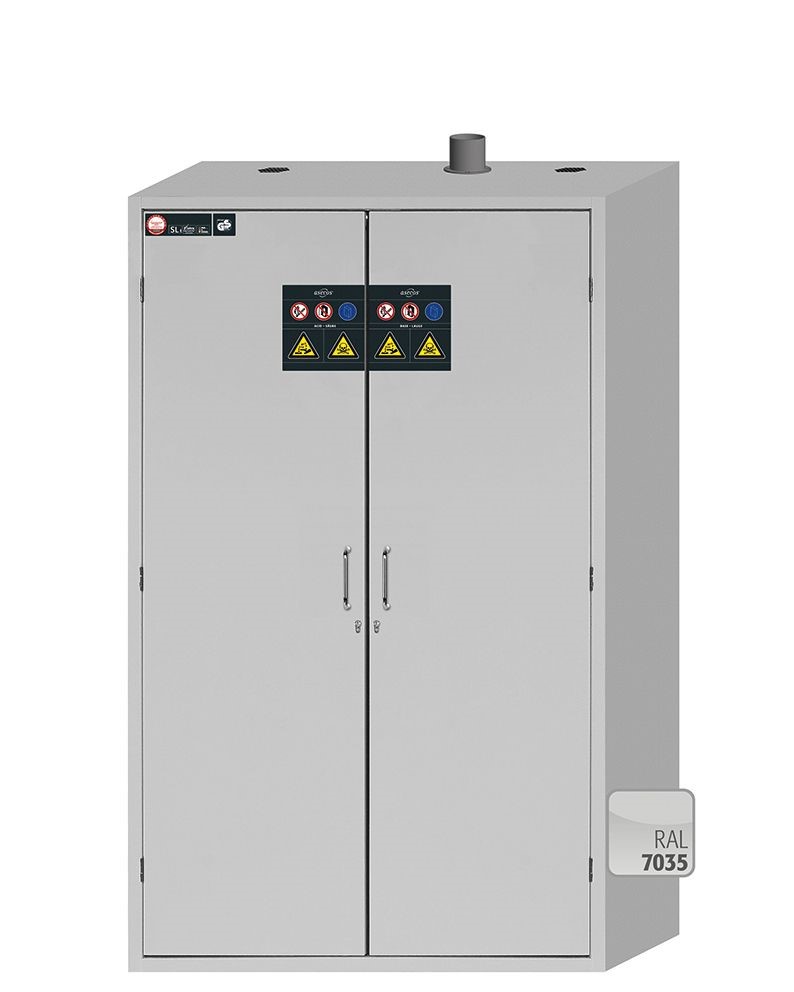
Hall-Fast specializes in the industry-leading Asecos range of flammable cabinets, renowned for exceptional quality and compliance with the strictest European standards. These cabinets represent the gold standard in fire-rated storage, with features including:
- Type 90 certification providing 90 minutes of fire resistance
- GS certification verifying tested and certified safety
- EN 14470-1 full compliance for assured performance
- Advanced construction techniques exceeding minimum requirements
- Multiple size and configuration options for different applications
This focus on premium solutions ensures implemented cabinets deliver genuine protection rather than merely meeting minimum compliance requirements.
Customized Solution Development
Recognizing that each organization faces unique challenges, Hall-Fast provides:
- Thorough needs assessment before equipment recommendation
- Customized configuration based on specific requirements
- Implementation planning that addresses facility constraints
- Documentation support for compliance verification
- Ongoing optimization assistance after deployment
This tailored approach ensures solutions address specific organizational challenges rather than imposing generic configurations.
Comprehensive Support Framework
Beyond equipment provision, Hall-Fast delivers extensive implementation support:
- Site assessment and preparation guidance
- Delivery coordination and placement assistance
- User training on proper operation and maintenance
- Documentation for compliance records
- Ongoing technical support and service
This support framework ensures solutions deliver their full potential value through proper implementation and operation.
Advancing Your Fire Safety Strategy
Implementing the right fire-rated storage cabinets represents a significant opportunity to enhance workplace safety while ensuring regulatory compliance. To explore how Hall-Fast's Asecos solutions can address your specific requirements, visit their dedicated Asecos storage cabinets section to review available options and implementation approaches.
For personalized guidance on selecting the optimal configuration for your environment, contact Hall-Fast's specialists directly at sales@hall-fast.com. Their experienced team can assess your unique needs and recommend appropriate solutions that align with both operational requirements and compliance obligations.
With the right fire-rated storage infrastructure in place, your organization can create a safer work environment that protects employees and assets while supporting operational efficiency and regulatory compliance.