In modern industrial and laboratory environments, the proper storage of hazardous materials is not merely a matter of good practice—it's a critical safety requirement with significant legal, financial, and ethical implications. As organizations handle increasingly diverse chemicals and dangerous substances, implementing appropriate safety storage cabinets has become fundamental to workplace safety strategies and regulatory compliance.
The Evolving Landscape of Hazardous Materials Management
The approach to chemical storage solutions has transformed significantly in recent years, driven by several key factors:
Regulatory Developments
The regulatory framework governing hazardous materials continues to evolve, with updated standards and stricter enforcement requiring organizations to regularly reassess their storage infrastructure. Recent developments have placed increased emphasis on:
- More rigorous fire resistance ratings for flammable storage
- Enhanced ventilation requirements for toxic and volatile substances
- Stricter segregation protocols for incompatible materials
- More comprehensive spill containment specifications
- Enhanced documentation and labelling requirements
These regulatory changes demand storage solutions that not only meet current standards but can also adapt to emerging requirements as compliance expectations continue to evolve.
Workplace Safety Priorities
Beyond regulatory compliance, organizations increasingly recognize that proper hazardous materials storage fundamentally impacts workplace safety culture:
- Protection against catastrophic incidents including fires and explosions
- Mitigation of chronic exposure risks through proper containment
- Clear demonstration of organizational commitment to employee safety
- Reduction in workplace anxiety related to dangerous materials
- Integration of safety infrastructure into broader risk management strategies
This safety-centered approach positions appropriate storage as an investment in both compliance and organizational culture rather than simply a regulatory burden.
Operational Efficiency Considerations
Modern chemical storage solutions are increasingly designed to enhance workflow efficiency alongside safety:
- Strategic material organization to support production processes
- Inventory management features that prevent stockouts and overordering
- Space optimization in constrained laboratory and production environments
- Reduced material degradation through proper environmental control
- Streamlined access protocols that balance security with operational needs
These operational benefits transform hazardous material storage from a pure compliance cost to an infrastructure investment that delivers tangible workflow improvements.
Core Elements of Effective Hazardous Material Storage
Implementing appropriate safety storage cabinets requires attention to several critical elements:
Fire Protection Capabilities
For flammable and combustible materials, fire resistance represents the most fundamental safety characteristic:
- Type 90 cabinets providing 90 minutes of fire resistance
- Type 30 options for lower-risk applications
- Automatic door closing mechanisms triggered by temperature
- Fire-resistant seals that expand when exposed to heat
- Integrated flame arresters in ventilation systems
These fire protection features provide crucial evacuation time during emergencies while helping contain incidents to prevent catastrophic spread.
Material Compatibility Considerations
Proper storage must address the potential for dangerous interactions between incompatible substances:
- Acid and alkali segregation to prevent violent reactions
- Separation of oxidizers from flammable and combustible materials
- Dedicated storage for particularly reactive substances
- Compartmentalized cabinets that maintain segregation within a single unit
- Specialized solutions for unique materials like peroxides or water-reactive compounds
This thoughtful segregation prevents dangerous reactions that could occur during normal storage or during incidents such as spills or fires.
Ventilation and Filtration Systems
Managing vapours and fumes is essential for both safety and material integrity:
- Forced ventilation systems that actively remove dangerous vapours
- Passive ventilation options for lower volatility materials
- Recirculating air filtration for installations where external venting is impractical
- Monitoring systems that verify proper airflow
- Filter saturation indicators for maintenance timing
These ventilation capabilities prevent harmful vapor accumulation while maintaining appropriate internal environments for stored materials.
Spill Containment Features
Effective containment of leaks and spills forms a critical safety layer:
- Liquid-tight sumps with sufficient capacity for stored volumes
- Chemically resistant construction that maintains integrity when exposed
- Sloped shelving that directs spills away from cabinet fronts
- Testing certifications that verify containment capabilities
- Removable sump liners for easier cleaning and maintenance
These containment features prevent small incidents from becoming major problems while protecting surrounding areas from contamination.
Security and Access Control
Preventing unauthorized access to hazardous materials addresses both safety and security requirements:
- Robust locking mechanisms on all storage units
- Keyed-alike options for simplified management
- Electronic access control integration for higher security applications
- Visibility options that allow content verification without opening
- Tamper-evident features that indicate unauthorized access attempts
These security elements ensure that dangerous materials remain accessible only to properly trained personnel with legitimate needs.
Selecting the Right Storage Solutions: Key Considerations
When evaluating hazardous materials storage options, several factors should guide the decision-making process:
Material Inventory Assessment
Effective storage planning begins with a comprehensive inventory:
- Complete identification of all hazardous materials in use
- Volume requirements for each material category
- Compatibility analysis to determine segregation needs
- Usage patterns that impact access and organization requirements
- Future projections to accommodate changing material needs
This detailed understanding creates the foundation for appropriate storage system selection.
Performance Certification Requirements
Quality storage solutions should carry appropriate certifications:
- EN 14470-1 certification for flammable storage
- EN 14470-2 for compressed gas cylinders
- EN 16121/16122 for general safety and stability
- Additional certifications specific to material types
- Testing documentation that verifies performance claims
These certifications provide objective verification that storage systems will perform as expected in emergency situations.
Spatial and Facility Constraints
Practical implementation requires careful consideration of physical limitations:
- Available floor space and locations for cabinet placement
- Weight-bearing capacity of intended installation locations
- Ventilation infrastructure and exhaust routing options
- Door clearance and access pathways for cabinet loading
- Climate control considerations in extreme environments
These physical factors often constrain choices and may necessitate creative solutions for challenging spaces.
Integration with Safety Systems
Hazardous material storage should connect with broader safety infrastructure:
- Fire detection and suppression system compatibility
- Emergency response procedure integration
- Evacuation planning that acknowledges material storage locations
- Spill response equipment positioning relative to storage
- Signage and information systems that support emergency response
This integration ensures storage solutions function as one component of a comprehensive safety strategy.
Hall-Fast: Your Partner for Comprehensive Hazardous Storage Solutions
As organizations navigate these complex considerations, partnering with an experienced provider makes all the difference in achieving optimal results. Hall-Fast has established itself as a leading supplier of safety storage cabinets designed to address the diverse needs of modern industrial and laboratory environments.
Their comprehensive approach combines quality equipment with professional guidance throughout the selection and implementation process. This consultative methodology ensures solutions align precisely with specific organizational requirements rather than forcing standardized systems into unique operational environments.
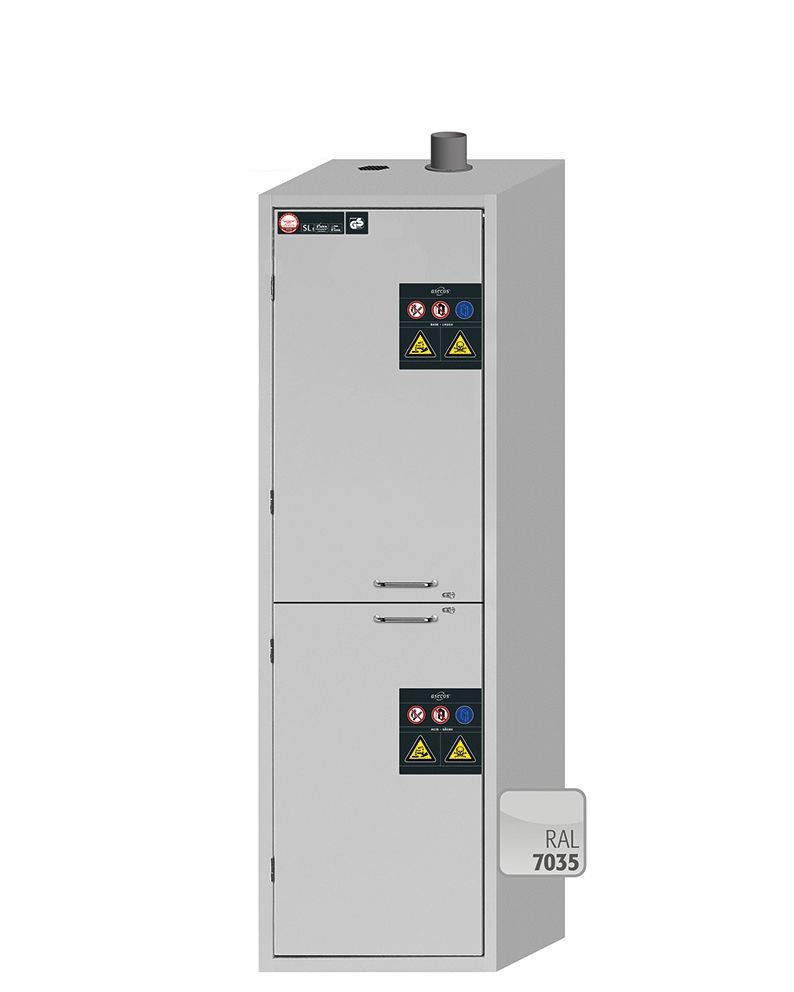
Hall-Fast specializes in the premium Asecos range of storage solutions, renowned for exceptional quality and compliance with the strictest European standards. These cabinets represent the gold standard in hazardous material storage, with features including:
- 90-minute fire resistance exceeding regulatory requirements
- Multiple size and configuration options for different applications
- Advanced ventilation capabilities with monitoring
- Superior spill containment capacity
- Robust construction for extended service life
This quality focus ensures implemented solutions deliver sustainable performance in safety-critical applications.
Customized Solution Development
Recognizing that each organization faces unique challenges, Hall-Fast provides:
- Thorough needs assessment before equipment recommendation
- Customized configuration based on specific requirements
- Implementation planning that addresses facility constraints
- Documentation support for compliance verification
- Ongoing optimization assistance after deployment
This tailored approach ensures solutions address specific organizational challenges rather than imposing generic configurations.
Comprehensive Support Framework
Beyond equipment provision, Hall-Fast delivers extensive implementation support:
- Site assessment and preparation guidance
- Delivery coordination and placement assistance
- User training on proper operation and maintenance
- Documentation for compliance records
- Ongoing technical support and service
This support framework ensures solutions deliver their full potential value through proper implementation and operation.
Taking the Next Step Toward Hazardous Material Safety
Implementing the right chemical storage solutions represents a significant opportunity to enhance workplace safety while ensuring regulatory compliance. To explore how Hall-Fast's hazardous storage solutions can address your specific requirements, visit their dedicated Asecos storage cabinets section to review available options and implementation approaches.
For personalized guidance on selecting the optimal configuration for your environment, contact Hall-Fast's specialists directly at sales@hall-fast.com. Their experienced team can assess your unique needs and recommend appropriate solutions that align with both operational requirements and compliance obligations.
With the right hazardous material storage infrastructure in place, your organization can create a safer work environment that protects employees and assets while supporting operational efficiency and regulatory compliance.