Disposable Coveralls: Versatile Protection for Temporary Exposure Hazards
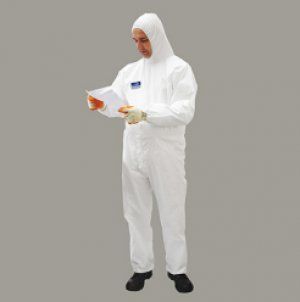
Disposable coveralls provide essential protection for workers facing temporary exposure to substances that could cause skin irritation, contamination, or more serious health effects. These specialized single-use garments create effective barriers against particulates, limited chemical splashes, and biological contaminants while offering the convenience of disposal after exposure, eliminating complex decontamination procedures and cross-contamination risks associated with reusable alternatives.
The protective capabilities of disposable coveralls derive from sophisticated material technologies engineered for specific hazard types. Microporous films block particulates while allowing moisture vapor transmission for improved comfort during wear. Spunbond-meltblown-spunbond (SMS) constructions create multi-layer barriers against both particulates and limited liquid splashes. Film laminate technologies provide enhanced chemical resistance for applications involving potential exposure to specific substances. These specialized materials create effective protection while maintaining flexibility for workplace movements and tasks.
Portwest's disposable coverall collection stands out through its comprehensive approach to different protection requirements across various industries and applications. Their garments align with international standards including EN ISO 13982 (Type 5) for particulate protection and EN 13034 (Type 6) for limited chemical splash resistance, providing documented performance levels that facilitate appropriate selection for specific workplace hazards. This standards-based approach allows safety managers to implement protection programs that address identified risks with appropriate disposable solutions.
Applications for disposable coveralls span numerous sectors with diverse protection requirements. Manufacturing environments utilize them during painting, spraying, and material handling operations involving potential contaminant exposure. Construction applications include asbestos abatement, fiberglass installation, and demolition activities generating hazardous particulates. Healthcare settings deploy them for infection control during procedures with potential biological exposure. Cleanroom operations incorporate them as essential components of contamination control protocols for sensitive manufacturing processes.
Beyond basic protection types, several design elements influence disposable coverall effectiveness in specific workplace scenarios. Hood configurations provide additional protection for the head and neck, with options ranging from integrated designs to attachable accessories. Closure systems affect both donning/doffing convenience and protection integrity, with alternatives including zippers, adhesive flaps, and storm flaps for different application requirements. Elasticating at wrists, ankles, and waists enhances particulate containment while improving garment stability during movement.
Portwest addresses these considerations through application-specific designs that balance protection requirements with practical workplace functionality. Their disposable coverall range includes options with reinforced knees for applications requiring kneeling, anti-static treatments for environments with flammable material concerns, and breathability enhancements for physically demanding tasks. This diverse approach ensures appropriate protection for specific workplace scenarios without unnecessary features that could impact cost-effectiveness.
For organizations seeking reliable disposable protection against temporary exposure hazards, Portwest offers solutions across different protection types and application requirements. Their continued innovation brings new material technologies and design approaches that enhance both protection performance and wearer comfort during challenging workplace tasks.
Explore Portwest's complete disposable coverall collection at Hall-Fast's Portwest workwear section to find specialized disposable protection tailored to your specific temporary exposure hazards and operational requirements.