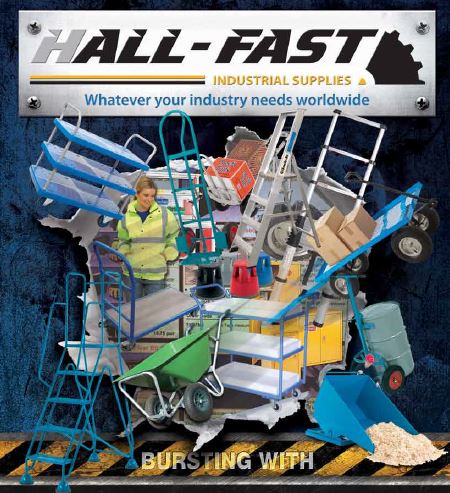
The landscape of workplace safety is undergoing a profound transformation in 2025, driven by cutting-edge technologies, evolving regulations, and a fundamental shift from reactive to proactive safety management. Organizations worldwide are recognizing that employee safety is not merely a compliance requirement but a cornerstone of sustainable business success. At Hall-Fast, we understand that whatever your industry needs worldwide, comprehensive safety solutions form the foundation of operational excellence and employee wellbeing.
The Technology-Driven Safety Revolution
The adoption of artificial intelligence (AI) and wearable technology is redefining workplace safety in 2025 and beyond. Companies are no longer relying solely on traditional safety measures. Instead, they are embracing cutting-edge technologies to identify, mitigate, and even prevent risks before they occur. This technological revolution represents a paradigm shift in how workplace safety is managed and prioritized.
Artificial Intelligence: Predicting and Preventing Hazards
AI systems alert organizations to a range of risks to workplace safety, from equipment malfunctions to environmental hazards, allowing for timely interventions. The core strength of AI lies in its capacity to analyze vast amounts of data to identify patterns and predict risks that extend far beyond human intuition alone. By integrating AI technology into safety systems, organizations gain insights into potential hazards that might otherwise go unnoticed.
Predictive analytics can identify potential hazards before they occur, allowing for proactive measures. AI systems can analyze patterns in workplace injuries to predict future incidents and suggest preventative actions. Machine learning algorithms improve the accuracy of risk assessments by continuously learning from new data, enabling a shift from reactive to proactive safety management.
The practical applications of AI in workplace safety are expanding rapidly:
Environmental Monitoring: AI-powered sensors continuously monitor air quality, temperature, humidity, and chemical levels, alerting safety managers to hazardous conditions before they impact workers.
Behavioral Analysis: Advanced computer vision systems analyze worker behavior, identifying unsafe practices such as failure to wear personal protective equipment (PPE) or improper lifting techniques.
Equipment Maintenance: Predictive maintenance algorithms analyze equipment performance data to identify potential failures before they occur, preventing accidents and costly downtime.
Risk Assessment: AI systems process historical incident data, environmental conditions, and operational parameters to provide real-time risk assessments for different work areas and activities.
Wearable Technology: Real-Time Safety Monitoring
Wearable technology is revolutionizing workplace safety by providing workers and employers with real-time insights into health and safety conditions. Smart helmets equipped with sensors detect environmental hazards like extreme heat or dangerous movements. Ergonomic sensors monitor body posture during tasks like lifting, alerting workers to unsafe movements in real time.
The evolution of wearable safety devices continues to accelerate:
Smart Personal Protective Equipment: Helmets, vests, and gloves equipped with sensors that monitor environmental conditions, detect impacts, and track worker location.
Health Monitoring Devices: Wearables that track heart rate, body temperature, fatigue levels, and stress indicators, alerting workers and supervisors to potential health risks.
Location Tracking Systems: GPS-enabled devices that monitor worker location, particularly important for lone workers in hazardous environments.
Communication Enhancement: Wearables that enable instant communication between workers and safety personnel, critical in emergency situations.
However, implementing wearable technology requires careful consideration of privacy concerns and employee acceptance. Workers may be skeptical or even resistant to technology used to monitor them, and workplace safety leaders must be prepared to address these concerns while demonstrating the safety benefits.
Internet of Things (IoT): Connected Safety Ecosystems
IoT devices provide real-time monitoring and data collection, revolutionizing how organizations manage safety. Sensors can track environmental conditions, machinery performance, and employee health. In industrial settings, IoT sensors can detect gas leaks or equipment malfunctions, allowing for immediate responses to potential issues.
The integration of IoT technology creates comprehensive safety ecosystems where every component communicates critical safety information:
Environmental Sensors: Monitoring air quality, noise levels, vibration, and other environmental factors that impact worker safety.
Equipment Sensors: Continuous monitoring of machinery performance, detecting anomalies that could lead to accidents or failures.
Access Control Systems: Smart systems that ensure only authorized and properly trained personnel enter hazardous areas.
Emergency Response Integration: Automated systems that can initiate emergency protocols, notify first responders, and guide evacuation procedures.
Proactive Safety Management: Beyond Compliance
The integration of technologies such as AI, IoT, and data analytics in safety represents a fundamental shift from reactive to proactive management. This transition signifies a future where safety is not merely a matter of compliance but a core organizational value. Organizations are moving beyond simply meeting regulatory requirements to creating comprehensive safety cultures that prevent incidents before they occur.
Data-Driven Safety Decisions
The true value of data in safety management lies in its ability to uncover patterns and trends that are not immediately apparent. By analyzing vast amounts of data from various sources—including incident reports, employee feedback, and environmental conditions—organizations can identify common factors that contribute to accidents and near-misses.
Understanding the 'why' behind accidents is crucial, but the real power of data analytics lies in turning these insights into actionable strategies. For instance, if data reveals a high frequency of incidents in a particular area of a facility, this can prompt a targeted safety review, leading to specific interventions such as enhanced training, improved equipment, or environmental modifications.
Modern safety management systems provide comprehensive reporting capabilities that make tracking and reporting safety data easy. Customizable dashboards allow safety managers to visualize data and monitor performance at a glance, identifying trends and potential issues before they become serious problems.
Heat Safety: A Growing Priority
The Occupational Safety and Health Administration (OSHA) is set to release its first-ever national heat safety rule in 2025, aiming to reduce the growing number of heat-related injuries and fatalities in the workplace, especially in physically demanding industries. This development reflects the increasing recognition of climate change impacts on workplace safety.
The new regulations will require:
Heat Hazard Identification: Employers must conduct regular heat risk assessments and monitor workplace temperatures.
Preventive Measures: Hydration programs, scheduled rest breaks, and access to shaded or air-conditioned areas will be mandatory.
Training Programs: Comprehensive education on heat-related illness recognition and prevention.
Emergency Procedures: Established protocols for responding to heat-related incidents.
These regulations underscore the evolving nature of workplace safety challenges and the need for adaptive safety management strategies.
Mental Health and Psychological Safety
Mental illnesses are finally being taken seriously, with the ongoing recognition that psychological safety is as important as physical safety. Companies are finding ways to monitor the mental and emotional wellbeing of employees, a trend that will continue to grow in the years ahead.
The Mental Health Crisis in the Workplace
It was reported that 83 percent of construction industry workers have experienced some form of moderate to severe mental health issue. This statistic highlights the urgent need for comprehensive mental health support in high-risk industries. Certain industries, including construction, are being hit harder than others with regard to rates of depression and suicide, making it critical for companies in these industries to make mental health awareness a bigger priority.
Companies are wise to include mental health issues in their normal safety training. Workers should be instructed on spotting signs of mental anguish in themselves and their co-workers. They should also be encouraged to come forward and tell a manager or supervisor if they are struggling with their mental health the same way they would for a physical illness.
Creating Psychologically Safe Work Environments
The concept of psychological safety extends beyond mental health support to creating environments where employees feel safe to express concerns, report near-misses, and suggest improvements without fear of retribution. This cultural shift is essential for effective safety management because it encourages open communication about safety issues.
Key elements of psychologically safe workplaces include:
Open Communication Channels: Mechanisms for employees to report safety concerns without fear of punishment.
Leadership Support: Visible commitment from management to employee wellbeing and safety.
Training and Development: Comprehensive programs that address both physical and mental health aspects of safety.
Work-Life Balance: Recognition that employee wellbeing extends beyond working hours and impacts on-the-job safety.
Comprehensive Safety Solutions from Hall-Fast
At Hall-Fast, our commitment to workplace safety extends far beyond traditional equipment supply. Our comprehensive approach to safety at work encompasses everything from basic personal protective equipment to advanced monitoring systems and comprehensive safety management solutions.
Personal Protective Equipment Excellence
The foundation of workplace safety remains high-quality personal protective equipment. However, PPE is evolving rapidly in 2025, with smart materials, integrated sensors, and improved comfort and functionality. Hall-Fast's extensive range of safety equipment includes:
Advanced Respiratory Protection: Cutting-edge filtration systems that protect against a wide range of airborne hazards while maintaining comfort and usability.
Smart Safety Garments: Clothing that incorporates technology for monitoring environmental conditions and worker health metrics.
Eye and Face Protection: Advanced protection systems that provide superior visibility while protecting against chemical, impact, and radiation hazards.
Hand and Foot Protection: Ergonomically designed protective equipment that maintains dexterity and comfort while providing comprehensive protection.
Signage and Safety Communication
Effective signage, labelling, and safety flooring play crucial roles in preventing accidents and ensuring regulatory compliance. Modern safety communication systems go beyond traditional warning signs to include:
Digital Signage Systems: Dynamic displays that can provide real-time safety information and hazard alerts.
Photoluminescent Systems: Emergency guidance systems that function without electrical power during emergencies.
Anti-Slip Flooring: Advanced surface treatments that prevent slips and falls while maintaining durability and appearance.
Hazard Identification Systems: Comprehensive labeling systems that clearly identify hazards, emergency equipment, and safety procedures.
Security Solutions for Comprehensive Protection
Physical security forms an integral part of comprehensive safety programs. Hall-Fast's security solutions include access control systems, surveillance equipment, and perimeter protection that work together to create secure work environments.
Modern security systems integrate with safety management platforms to provide:
Access Control: Ensuring only authorized personnel enter hazardous areas.
Surveillance Systems: Monitoring capabilities that can identify unsafe behaviors and emergency situations.
Emergency Communication: Systems that enable rapid response to security and safety incidents.
Incident Documentation: Comprehensive recording capabilities that support safety investigations and regulatory compliance.
Environmental Safety and Sustainability
The integration of environmental, social, and governance (ESG) factors into safety management is becoming a central strategy for companies worldwide. This year, organizations are witnessing a surge in safety trends that prioritize reducing environmental hazards, acknowledging the direct impact of environmental health on worker safety.
Waste Management and Environmental Protection
Effective litter bins and waste management storage equipment support both environmental protection and workplace safety. Proper waste management prevents accidents, reduces fire hazards, and maintains clean, safe working environments.
Modern waste management systems include:
Segregated Collection Systems: Separate collection for different types of waste, including hazardous materials.
Secure Storage Solutions: Weatherproof, tamper-resistant storage that prevents unauthorized access to waste materials.
Specialized Hazardous Waste Containers: Purpose-built containers for specific types of hazardous waste.
Recycling Programs: Comprehensive systems that support environmental sustainability while maintaining safety standards.
Chemical Storage and Handling
Safe chemical storage and handling represent critical aspects of workplace safety. Hall-Fast partners with leading manufacturers like Asecos to provide advanced chemical storage solutions that meet the highest safety standards while supporting operational efficiency.
Key considerations for chemical safety include:
Segregation Requirements: Proper separation of incompatible chemicals to prevent dangerous reactions.
Ventilation Systems: Adequate air handling to prevent accumulation of hazardous vapors.
Spill Containment: Systems designed to contain and manage chemical spills before they impact workers or the environment.
Fire Protection: Specialized fire suppression systems designed for chemical storage areas.
Specialized Safety Solutions
ESD Storage and Handling
In electronics manufacturing and other sensitive industries, ESD storage and handling equipment prevents electrostatic discharge that can damage products and create safety hazards for workers. These specialized systems provide:
Static Control: Comprehensive systems that prevent static buildup and discharge.
Component Protection: Storage solutions that protect sensitive electronic components.
Worker Safety: Equipment that prevents static-related accidents and injuries.
Quality Assurance: Systems that maintain product quality while ensuring worker safety.
Cleaning and Maintenance Safety
Proper cleaning and maintenance programs are essential for maintaining safe work environments. Hall-Fast's partnership with Kärcher provides access to professional cleaning equipment that supports comprehensive facility maintenance and safety programs.
Professional cleaning systems contribute to safety through:
Contamination Control: Removing hazardous substances before they can impact worker health.
Slip Prevention: Maintaining clean, dry surfaces that prevent accidents.
Air Quality Management: Controlling dust and airborne contaminants that affect respiratory health.
Emergency Response: Rapid cleanup capabilities for spill response and incident management.
Outdoor Safety and Environmental Considerations
Workplace safety extends beyond indoor environments to include outdoor areas where employees work, rest, and commute. Hall-Fast's comprehensive range of outdoor safety solutions includes:
Cycle Storage and Sustainable Transportation
Cycle shelters and racks support sustainable transportation initiatives while providing secure, weather-protected storage. These solutions encourage environmentally friendly commuting options while supporting employee health and wellbeing.
Outdoor Seating and Break Areas
Well-designed seating and benches provide comfortable outdoor spaces for employee breaks and informal meetings. These areas support mental health and wellbeing by providing opportunities for relaxation and social interaction away from work environments.
Smoking Shelters and Designated Areas
Smoking shelters help organizations manage smoking-related safety and health issues by providing designated areas that comply with regulations while protecting non-smokers from secondhand smoke exposure.
Training and Education: Building Safety Culture
Creating safety measures that cater to the unique needs of each individual ensures that every worker is protected in a way that aligns with their specific work environment, workplace conditions, and employee health requirements. This personalized approach to safety requires comprehensive training and education programs.
Virtual Reality and Immersive Training
Virtual reality (VR) and augmented reality (AR) tools have become increasingly popular in safety training. VR solutions allow employers to simulate different workplace scenarios with customizable settings, giving staff the opportunity to practice responding to possible hazards and emergencies in controlled and protected environments.
Such tools can help employees review and rehearse safety protocols for particularly complex job tasks, reducing the risk of errors through hands-on experience. VR solutions create more immersive and effective safety training programs, though organizations must carefully consider the financial investment and ensure proper implementation.
Continuous Learning and Development
Well-structured training should be holistic, addressing cognitive and emotional factors to create a safer, more productive work environment. Current trends in workplace safety may require companies to assess their training techniques and incorporate systems for continuous learning sessions.
Key elements of effective safety training include:
Regular Updates: Keeping training current with evolving regulations, technologies, and best practices.
Practical Application: Hands-on training that allows employees to practice safety procedures in realistic scenarios.
Cultural Integration: Training that reinforces organizational safety culture and values.
Performance Assessment: Regular evaluation of training effectiveness and employee competency.
Global Safety Standards and Compliance
Organizations operating in multiple jurisdictions must navigate complex regulatory environments while maintaining consistent safety standards. The workplace safety market is expected to grow at a compound annual growth rate of 16.9% from 2025 to 2030, driven by stringent regulations and increasing awareness of workplace hazard prevention.
Regulatory Compliance and Framework Agreements
Hall-Fast's framework agreement guidance helps organizations navigate complex regulatory requirements while achieving cost benefits through structured purchasing arrangements. These agreements provide:
Bulk Purchasing Benefits: Economies of scale that reduce costs while ensuring access to high-quality safety equipment.
Tender Response Templates: Streamlined procurement processes that ensure compliance with organizational and regulatory requirements.
Cost Comparison Tools: Comprehensive analysis capabilities that support informed decision-making.
Compliance Support: Expert guidance on regulatory requirements and standards compliance.
International Standards and Best Practices
Organizations must stay current with evolving international safety standards and best practices. This includes understanding requirements from organizations such as OSHA, ANSI, ISO, and industry-specific regulatory bodies.
Key considerations for international compliance include:
Harmonized Standards: Understanding how different national and international standards relate to each other.
Cultural Adaptations: Adapting safety programs to local cultures and practices while maintaining core safety principles.
Documentation Requirements: Maintaining comprehensive records that support compliance across multiple jurisdictions.
Continuous Monitoring: Regular assessment of changing regulations and standards.
Future Trends and Emerging Technologies
Looking beyond 2025, several emerging trends will continue to shape workplace safety:
Advanced Sensor Technologies
New sensor technologies will provide even more detailed monitoring of workplace conditions and worker health. These advances will enable more precise risk assessment and intervention strategies.
Autonomous Safety Systems
Automated systems that can respond to safety hazards without human intervention will become more common, particularly in high-risk environments where human response time may be insufficient.
Personalized Safety Solutions
Advances in data analytics and machine learning will enable highly personalized safety solutions that adapt to individual workers' needs, behaviors, and risk profiles.
Integration with Smart Buildings
Safety systems will become more integrated with building management systems, creating comprehensive environments that actively support worker safety and wellbeing.
Economic Impact and Return on Investment
The global workplace safety market size was estimated at USD 18.79 billion in 2024 and is anticipated to grow significantly, reflecting the increasing recognition of safety as a business imperative rather than just a compliance requirement.
Organizations investing in comprehensive safety programs realize significant returns through:
Reduced Incident Costs: Fewer accidents result in lower medical costs, reduced insurance premiums, and decreased legal liability.
Improved Productivity: Safe workers are more productive, with reduced absenteeism and higher engagement levels.
Enhanced Reputation: Organizations with strong safety records attract better talent and enjoy enhanced stakeholder confidence.
Regulatory Compliance: Proactive safety management reduces the risk of costly regulatory violations and associated penalties.
Hall-Fast: Your Comprehensive Safety Partner
At Hall-Fast, we understand that comprehensive workplace safety requires more than individual products—it demands integrated solutions that address all aspects of worker protection and organizational safety management. Our approach combines:
Product Excellence: Access to the highest quality safety equipment from leading manufacturers worldwide.
Technical Expertise: Professional guidance on product selection, implementation, and ongoing management.
Comprehensive Service: From initial assessment through ongoing support, we provide the services needed for successful safety program implementation.
Global Reach: Whatever your industry needs worldwide, we provide consistent support across all locations and operations.
Specialized Industry Solutions
Different industries face unique safety challenges that require specialized solutions. Hall-Fast's expertise spans multiple sectors, providing tailored approaches that address specific industry requirements:
Manufacturing: Comprehensive solutions for industrial safety, including machine guarding, chemical storage, and worker protection systems.
Construction: Specialized equipment for working at height, in confined spaces, and with hazardous materials.
Healthcare: Solutions that protect workers while maintaining the sterile environments required for patient care.
Education: Safety solutions designed for educational environments, including Uneek schoolwear and facility safety equipment.
Implementation Strategies for Success
Successfully implementing comprehensive safety programs requires strategic planning and systematic execution:
Assessment and Planning
Every successful safety program begins with thorough assessment of current conditions, identification of risks, and development of comprehensive implementation plans.
Phased Implementation
Gradual implementation allows organizations to learn and adapt while building employee confidence and expertise with new safety systems.
Employee Engagement
Engaging employees throughout the implementation process ensures buy-in and maximizes the effectiveness of safety initiatives.
Continuous Improvement
Safety programs must evolve continuously to address changing conditions, new technologies, and emerging risks.
Measuring Safety Performance
Effective safety management requires comprehensive measurement and reporting systems that track both leading and lagging indicators:
Leading Indicators
Proactive metrics that predict safety performance, such as training completion rates, near-miss reporting frequency, and safety audit scores.
Lagging Indicators
Reactive metrics that measure safety outcomes, including incident rates, injury severity, and regulatory compliance scores.
Performance Dashboards
Real-time monitoring systems that provide immediate visibility into safety performance across all operations.
Conclusion: Building the Future of Workplace Safety
The transformation of workplace safety in 2025 represents more than technological advancement—it reflects a fundamental shift in how organizations value human life and wellbeing. The integration of AI, wearable technology, IoT systems, and comprehensive safety management approaches creates unprecedented opportunities to prevent incidents and protect workers.
Hall-Fast stands at the forefront of this transformation, providing the products, expertise, and support needed to implement comprehensive safety programs that protect workers while supporting business objectives. Our commitment to excellence, innovation, and customer service ensures that organizations can navigate the complex landscape of modern workplace safety with confidence.
The journey toward comprehensive workplace safety requires dedication, investment, and expertise. By partnering with Hall-Fast, organizations gain access to the complete range of solutions needed to create truly safe work environments. From basic personal protective equipment to advanced monitoring systems, from regulatory compliance support to ongoing training programs, we provide the comprehensive support needed for safety program success.
Whether you're looking to upgrade existing safety programs or implement comprehensive new initiatives, Hall-Fast's expertise and product range provide the foundation for success. Contact us today to discuss how we can support your workplace safety objectives and help you build the safer, more productive workplace of tomorrow.
The future of workplace safety is being shaped by the decisions organizations make today. By choosing Hall-Fast as your safety partner, you invest in solutions that protect your most valuable asset—your people—while supporting the operational excellence that drives business success. Whatever your industry needs worldwide, we're here to help you create workplaces where safety, productivity, and employee wellbeing thrive together.
Through our comprehensive range of solutions, including consumables, tools, and specialized equipment, we ensure that every aspect of workplace safety receives the attention it deserves. Explore our brands page to discover the wide range of manufacturers we partner with, ensuring access to the latest innovations and highest quality safety solutions.
Learn more about Hall-Fast and discover how our commitment to excellence has earned recognition through our awards and contribution to the community. Together, we can build workplaces that prioritize safety, support productivity, and create environments where every worker returns home safely each day.