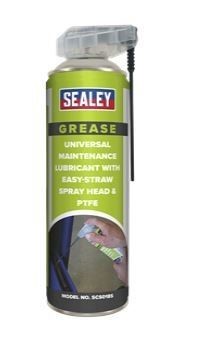
Proper lubrication is the lifeblood of industrial machinery, yet it remains one of the most frequently overlooked aspects of preventive maintenance. According to industry studies, approximately 40% of premature bearing failures result from improper lubrication practices—either using the wrong lubricant, contaminated lubricant, or insufficient/excessive application.
For maintenance teams across UK manufacturing, processing, and industrial facilities, navigating the complex world of industrial lubricants poses a significant challenge. With thousands of specialized products on the market, each designed for specific applications and operating conditions, selecting the right lubricant involves much more than simply reaching for the nearest grease gun or oil can.
This comprehensive guide explores the critical factors in industrial lubricant selection, common application challenges, and best practices for implementing an effective lubrication program.
Understanding the Fundamentals of Industrial Lubricants
At its core, industrial lubrication serves several essential functions:
- Reducing friction between moving parts, minimizing energy loss and wear
- Controlling temperature by reducing friction-generated heat and transferring heat away from critical components
- Preventing corrosion by creating protective barriers against moisture and contaminants
- Removing contaminants by flushing away particles and debris
- Transmitting power in hydraulic systems
- Sealing against contaminants in certain applications
"The right lubricant does far more than just make things slippery," explains Malcolm Hall, Managing Director at Hall-Fast. "It's an engineered component of the machinery, designed to operate under specific conditions while protecting valuable equipment."
Key Classifications of Industrial Lubricants
The vast world of industrial lubricants can be broken down into several primary categories:
Industrial Oils
These fluid lubricants include:
Hydraulic Oils
- Transfer power in hydraulic systems
- Require specific viscosity, anti-wear properties, and oxidation resistance
- Often need water separation properties and air release characteristics
- May require fire-resistant formulations in certain applications
Gear Oils
- Designed for various gear configurations (spur, helical, bevel, worm)
- Feature higher viscosity and extreme pressure additives
- Often contain anti-foam and anti-corrosion packages
- May include synthetic bases for extreme conditions
Compressor Oils
- Formulated for air, gas, or refrigeration compressors
- Require excellent oxidation stability and low carbon-forming tendencies
- Must separate readily from condensate
- Often need to operate across broad temperature ranges
Turbine Oils
- Engineered for long service life under continuous operation
- Feature superior water separation and air release
- Contain specialized anti-oxidation additives
- Must maintain viscosity under high-temperature conditions
Greases
Semi-solid lubricants composed of base oil, thickening agents, and additives:
Lithium Complex Greases
- Versatile multi-purpose options
- Good thermal stability and water resistance
- Effective in moderate temperature range applications
- Often the first choice for general machinery lubrication
Calcium Sulfonate Greases
- Exceptional mechanical stability and water resistance
- Natural corrosion inhibition properties
- Excellent load-carrying capacity
- Increasingly popular for harsh environments
Polyurea Greases
- Excellent high-temperature performance
- Good oxidation resistance for extended service
- Often used in electric motor bearings
- Generally good compatibility with elastomers
PTFE and Specialty Greases
- Designed for extreme conditions
- Used where standard greases would fail
- Often found in chemical exposure applications
- May provide food-grade or other specialized properties
Synthetic Lubricants
These engineered lubricants offer performance advantages in extreme conditions:
Polyalphaolefins (PAOs)
- Wide temperature range performance
- Excellent thermal and oxidative stability
- Compatible with mineral oils for easy transition
- Often used in food-grade applications
Polyalkylene Glycols (PAGs)
- Exceptional lubricity and high viscosity index
- Excellent protection against micro pitting
- Used in worm gears and certain compressor applications
- Limited compatibility with other lubricants
Esters
- Excellent biodegradability for environmentally sensitive applications
- Superior solvency characteristics
- Good low-temperature fluidity
- Often blended with other synthetics for enhanced properties
Silicones
- Extreme temperature range capability
- Chemically inert in many environments
- Excellent compatibility with elastomers
- Used in specialized applications where conventional lubricants fail
Critical Factors in Lubricant Selection
Selecting the appropriate lubricant involves evaluating numerous factors related to the application, operating environment, and maintenance capabilities:
Operating Conditions
Temperature Range The operating temperature profoundly influences lubricant selection:
- High temperatures accelerate oxidation and breakdown of lubricants
- Low temperatures can increase viscosity to the point where lubrication is inadequate during startup
- Temperature fluctuations may require specialized formulations with high viscosity index
"Many machinery failures occur during cold startups when viscosity is too high to provide adequate lubrication," notes Hall. "Selecting a lubricant with appropriate cold-flow properties is essential for equipment operating in unheated environments or during winter conditions."
Load Characteristics The pressure or load placed on lubricated components dictates required performance properties:
- Heavy loads require extreme pressure (EP) additives
- Shock loading may require specialized tackiness additives
- Continuous high-load operation often necessitates solid lubricant additives (MoS2, graphite)
- Oscillating loads create unique lubrication challenges requiring specialized formulations
Speed Factors Operating speed significantly impacts lubricant requirements:
- High-speed bearings typically require lighter oils or greases with good channelling characteristics
- Low-speed, high-load applications often require heavier lubricants with EP additives
- Start-stop operations create boundary lubrication conditions requiring specialized additive packages
Contaminant Exposure Environmental exposures influence lubricant selection and maintenance requirements:
- Water exposure necessitates excellent demulsibility or water resistance
- Dust and particulate exposure may require better sealing properties or more frequent relubrication
- Chemical exposure may require specialized synthetic formulations
- Process contamination risks (such as in food processing) may require food-grade formulations
Equipment Manufacturer Specifications
Original Equipment Manufacturer (OEM) recommendations should be the starting point for lubricant selection:
- Viscosity grades specified by the manufacturer reflect design requirements
- Performance specifications (DIN, ISO, AGMA) ensure appropriate additive packages
- Warranty considerations may require adherence to specific lubricant types
- OEM specifications often provide valuable insights into special considerations for their equipment
Consolidation Opportunities
While meeting performance requirements is paramount, lubricant consolidation offers significant benefits:
- Reduced inventory carrying costs
- Minimized risk of misapplication
- Simplified purchasing and procurement
- Reduced chance of cross-contamination
"We often find facilities using dozens of nearly identical lubricants simply because they were purchased at different times or for different pieces of equipment," explains Hall. "A carefully planned consolidation program can reduce inventory by 30-50% while maintaining or improving equipment protection."
Common Lubrication Challenges in UK Industrial Environments
UK industrial operations face several common lubrication challenges that require specific consideration:
Humid and Variable Climate Conditions
The UK's maritime climate creates unique challenges:
- High ambient humidity increases the risk of water contamination
- Seasonal temperature fluctuations require appropriate viscosity selection
- Many facilities lack climate control, exposing lubricants to environmental conditions
- Condensation during temperature cycling creates water contamination risks
Aging Infrastructure and Equipment
Many UK facilities operate older equipment:
- Original specifications may reference obsolete lubricant classifications
- Wear patterns and clearances may differ from original specifications
- Seal compatibility with modern formulations may be a concern
- Transitioning from traditional to synthetic lubricants requires careful planning
Regulatory and Environmental Considerations
UK-specific regulatory requirements affect lubricant selection:
- Environmental permitting requirements for certain industries
- COSHH regulations governing worker exposure
- Waste management regulations for used lubricants
- Industry-specific regulations (such as food safety or pharmaceutical requirements)
Extended Production Schedules
Competitive pressures have led many operations to extend running hours:
- Reduced maintenance windows require lubricants capable of extended service
- 24/7 operations limit opportunities for inspection and relubrication
- Higher operating temperatures due to continuous operation
- Increased risk of contamination due to accelerated seal wear
Specialized Lubricant Applications
Certain industrial applications require highly specialized lubricant selection:
Food and Beverage Processing
These sensitive environments require:
- NSF H1 registered lubricants for incidental food contact areas
- Often synthetic-based formulations for improved performance and reduced consumption
- Excellent water resistance for washdown environments
- Enhanced rust protection for sanitary stainless steel components
Extreme Temperature Operations
Facilities with high-temperature processes need:
- Synthetic lubricants with exceptional thermal stability
- Specialized thickener systems for high-temperature greases
- Appropriate relubrication intervals accounting for accelerated oxidation
- Often dry-film lubricants for extreme temperature applications
Outdoor and Exposed Equipment
Equipment exposed to the elements requires:
- Excellent water-resistance properties
- Good pumpability in cold conditions
- Enhanced corrosion protection
- Often tacky or adhesive additives to resist washout
High-Speed Precision Equipment
Modern high-speed machinery needs:
- Lubricants that minimize friction and energy consumption
- Formulations that reduce operating temperatures
- Appropriate viscosity to avoid churning losses
- Often synthetic formulations for extended drain intervals
Implementing an Effective Lubrication Program
Beyond product selection, an effective lubrication program requires:
Documentation and Mapping
Comprehensive documentation includes:
- Equipment lubrication surveys identifying all points
- Standardized procedures for application methods
- Clear identification of lubricant types and specifications
- Relubrication frequencies and quantities
Storage and Handling Practices
Proper storage is essential for maintaining lubricant integrity:
- Temperature-controlled storage when possible
- Protection from contaminants and moisture
- First-in, first-out inventory rotation
- Appropriate transfer containers and equipment
Condition Monitoring
Regular assessment of lubricant condition helps prevent failures:
- Oil analysis programs for early detection of issues
- Vibration monitoring to detect lubrication-related problems
- Thermography to identify overheating from inadequate lubrication
- Visual inspections for leaks, contamination, or level issues
Training and Certification
Personnel expertise is critical to program success:
- Formal training in lubrication fundamentals
- Certification programs such as ICML's MLT/MLA
- Regular refresher training and updates on new technologies
- Clear standard operating procedures for all lubrication tasks
Transitioning to Advanced Lubrication Practices
For UK maintenance teams looking to elevate their lubrication practices:
Technology Integration
Modern lubrication management incorporates:
- Ultrasonic lubrication tools for precise application
- Automated lubrication systems for critical equipment
- RFID tagging of lubrication points
- Computerized maintenance management systems (CMMS) for scheduling and documentation
Sustainability Considerations
Forward-thinking programs address environmental impact through:
- Biodegradable lubricant options where appropriate
- Extended service life products reducing consumption
- Proper recycling of used lubricants
- Leak reduction and containment improvements
Return on Investment Analysis
Quantifying the benefits of improved lubrication practices helps sustain program support:
- Tracking energy consumption improvements
- Documenting extended component life
- Calculating reduced downtime from failures
- Measuring reduced lubricant consumption
Expert Guidance on Industrial Lubricant Selection
Given the complexity of modern industrial lubrication, many UK maintenance teams benefit from expert guidance in selecting the right products and implementing effective programs. Working with knowledgeable suppliers can help navigate the often confusing array of options to find solutions that balance performance, cost, and reliability.
Hall-Fast offers comprehensive solutions for industrial lubrication needs, including product selection guidance, implementation support, and ongoing technical assistance. Their team understands the unique challenges faced by UK industrial operations and can help develop lubrication strategies tailored to specific equipment and operating conditions.
For additional assistance in selecting the right industrial lubricants for your specific applications, contact a specialist at Hall-Fast via sales@hall-fast.com or visit their industrial commercial equipment page for more information on available products and solutions.
By implementing a comprehensive, well-planned lubrication program using appropriate lubricants for each application, UK industrial facilities can significantly reduce maintenance