In today's environmentally conscious industrial landscape, effective waste management is not merely a regulatory requirement but a critical component of operational efficiency and corporate responsibility. Waste handling forklift attachments have emerged as specialized tools that transform standard forklifts into versatile waste management equipment, enabling facilities to streamline collection, transportation, and disposal processes. This comprehensive guide explores these specialized attachments, their applications, benefits, selection considerations, and best practices for implementation.
Understanding Waste Handling Forklift Attachments
Waste handling forklift attachments comprise a diverse category of specialized implements designed to mount onto standard forklift carriages, converting material handling equipment into efficient waste management tools. These attachments address the unique challenges associated with collecting, transporting, emptying, and processing various waste materials in industrial, commercial, and logistics environments.
The primary categories include:
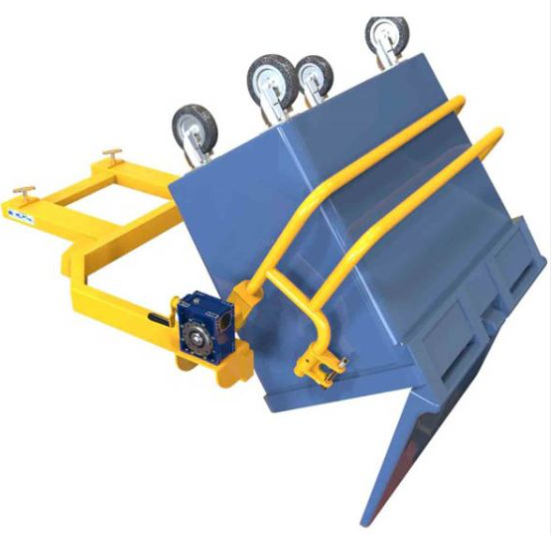
Bin Tipping Attachments
- Designed to securely grip, lift, and control the emptying of waste bins
- Typically feature mechanical or hydraulic clamping systems
- Allow controlled rotation for precise emptying
- Available for various bin sizes from small wheelie bins to large industrial containers
Skip Handling Attachments
- Enable forklifts to lift, transport, and place industrial skips
- Feature specialized engagement mechanisms compatible with standard skip designs
- Provide secure handling of heavily loaded waste containers
- Allow positioning in space-constrained areas
Drum Handling Waste Attachments
- Specifically designed for handling waste drums
- Enable controlled lifting, transport, and emptying
- Often include rotation capabilities for complete emptying
- Available with spark-resistant features for hazardous waste
Bulk Waste Handlers
- Large volume attachments for loose waste materials
- Include hoppers, buckets, and specialized containers
- Feature controlled discharge mechanisms
- Designed for higher-volume waste collection operations
Specialized Material Handlers
- Custom designs for specific waste streams
- Include compactors and crushers for volume reduction
- Specialized grips for awkward waste items
- Industry-specific solutions for unique waste management challenges
Key Applications Across Sectors
The versatility of waste handling forklift attachments makes them valuable across numerous industries:
Manufacturing and Production
- Process waste collection and sortation
- Packaging waste management
- Raw material scrap handling
- Production line waste removal
Warehousing and Distribution
- Packaging waste consolidation
- Damaged stock handling
- Recyclable material separation
- General waste management
Food and Beverage
- Organic waste handling
- Packaging waste separation
- Controlled disposal of expired products
- Hygiene-focused waste management solutions
Retail and Commercial
- Cardboard and packaging recycling
- General waste consolidation
- Seasonal waste management
- Space-efficient waste handling
Construction and Demolition
- Material separation for recycling
- Controlled filling of waste skips
- Hazardous material isolation
- Site cleaning and waste consolidation
Recycling Operations
- Material sorting and segregation
- Processing stream preparation
- Volume reduction operations
- Transfer station efficiency improvements
Benefits of Implementing Waste Handling Forklift Attachments
The strategic deployment of waste handling forklift attachments delivers multiple operational advantages:
Enhanced Operational Efficiency
- Streamline waste collection processes
- Reduce labour requirements for waste handling
- Increase waste processing throughput
- Integrate waste management with material handling operations
Improved Workplace Safety
- Minimize manual handling of waste materials
- Reduce exposure to potentially hazardous materials
- Decrease risk of injuries associated with lifting and emptying
- Provide controlled handling of heavy or awkward waste containers
Cost Reduction Opportunities
- Lower labour costs for waste management activities
- Reduce equipment fleet diversity requirements
- Minimize waste handling time and associated costs
- Improve waste segregation for potential recycling revenue
Environmental Compliance Benefits
- Enhance waste segregation capabilities
- Improve containment of potentially hazardous materials
- Support documented waste management procedures
- Facilitate recycling and proper disposal processes
Space Utilization Improvements
- More efficient waste consolidation
- Better organization of waste collection points
- Reduced footprint for waste handling activities
- Improved access to waste containers
Critical Selection Considerations
Choosing appropriate waste handling forklift attachments requires careful evaluation of multiple factors:
Waste Stream Analysis
- Types of waste generated (solid, liquid, hazardous, recyclable)
- Volumes and generation patterns
- Current container systems in use
- Segregation requirements
- Disposal and recycling pathways
Operational Requirements
- Frequency of waste handling activities
- Distance to disposal or transfer points
- Space constraints for manoeuvring
- Indoor vs. outdoor operations
- Integration with existing waste management processes
Equipment Compatibility
- Forklift specifications and load capacity
- Hydraulic system capabilities if required
- Carriage class and mounting requirements
- Visibility considerations during operation
- Impact on forklift stability and manoeuvrability
Safety and Compliance Factors
- Containment requirements for specific waste types
- Potential exposure risks during handling
- Regulatory requirements for certain waste streams
- Documentation and traceability needs
- Hazardous material handling considerations
Economic Assessment
- Initial investment costs
- Labor savings potential
- Waste disposal cost impacts
- Maintenance requirements and costs
- Expected service life and ROI calculations
Operational Best Practices
Successfully implementing waste handling forklift attachments requires attention to operational details:
Comprehensive Training Programs
- Attachment installation and removal procedures
- Safe operation techniques for different waste types
- Emergency response for spillages or accidents
- Maintenance responsibilities and procedures
- Regulatory compliance awareness
Established Operational Protocols
- Clearly defined waste collection routes and schedules
- Standardized procedures for different waste streams
- Documentation requirements for waste handling
- Communication systems between departments
- Regular review and optimization of processes
Integration with Facility Layout
- Strategic placement of waste collection points
- Clear access routes for equipment
- Consideration of traffic patterns
- Proximity to generation points
- Weather protection where necessary
Preventative Maintenance Schedules
- Regular inspection of attachment components
- Lubrication of moving parts
- Hydraulic system checks and maintenance
- Cleaning protocols to prevent contamination
- Documentation of all maintenance activities
Safety Considerations
Operating waste handling forklift attachments introduces specific safety considerations that must be addressed:
Load Stability Factors
- Understand centre of gravity shifts during lifting and tipping
- Account for uneven or shifting loads in waste containers
- Implement appropriate travel speeds with elevated loads
- Ensure adequate clearance for rotation operations
- Consider the impact of outdoor conditions on stability
Environmental Protection Measures
- Contain potential leakage or spillage
- Implement appropriate clean-up protocols
- Provide necessary personal protective equipment
- Ensure proper ventilation in enclosed areas
- Establish decontamination procedures when necessary
Operational Safety Protocols
- Establish exclusion zones during tipping operations
- Implement clear visibility and communication procedures
- Develop emergency response plans for incidents
- Conduct regular risk assessments
- Provide appropriate warning signage and markings
Regulatory Compliance Requirements
- Understand and implement relevant waste handling regulations
- Maintain required documentation
- Ensure appropriate training and certification
- Conduct regular compliance audits
- Stay updated on regulatory changes
Maintenance Requirements
Maintaining waste handling forklift attachments in optimal condition requires systematic attention:
Regular Inspection Schedule
- Daily visual checks before operation
- Weekly more detailed inspections of critical components
- Monthly comprehensive examination of all systems
- Quarterly professional assessment
- Annual certification where required
Key Inspection Points
- Hydraulic systems for leaks or damage
- Mechanical locking and gripping mechanisms
- Structural integrity, especially at stress points
- Rotation systems and controls
- Attachment mounting security
Cleaning and Decontamination
- Regular cleaning to prevent material build-up
- Appropriate decontamination for hazardous materials
- Protection of hydraulic components from contamination
- Corrosion prevention, especially with corrosive waste exposure
- Documentation of cleaning procedures for regulated waste
Replacement and Repair Planning
- Proactive replacement of wear components
- Scheduled refurbishment during low-demand periods
- Maintenance of critical spare parts inventory
- Documented repair procedures
- Professional servicing for complex systems
Sourcing Quality Waste Handling Forklift Attachments
When investing in waste handling forklift attachments, partnering with established suppliers ensures both product quality and appropriate application matching. Hall-Fast offers a range of certified waste handling attachments designed to enhance operational efficiency while maintaining strict safety standards.
Their selection includes various configurations to address different waste handling requirements and forklift compatibilities, all manufactured to professional standards. For operations with unique waste management challenges, application-specific solutions can be recommended.
For expert guidance on selecting the optimal waste handling attachment for your specific operational needs, contact the Hall-Fast team directly at sales@hall-fast.com. Their specialists can assist in evaluating your requirements and recommending appropriate solutions that balance performance, durability, and value.
Conclusion
Waste handling forklift attachments represent a practical, efficient solution for integrating waste management into existing material handling operations. By leveraging forklift versatility, organizations can implement effective waste handling programs that enhance operational efficiency, workplace safety, and environmental compliance.
With proper selection, implementation, and maintenance, these specialized attachments deliver substantial benefits across diverse industries and applications. Whether managing manufacturing waste, consolidating packaging materials, or handling specialized waste streams, these attachments provide the capabilities necessary for efficient, safe waste management that contributes to overall operational excellence.