Introduction
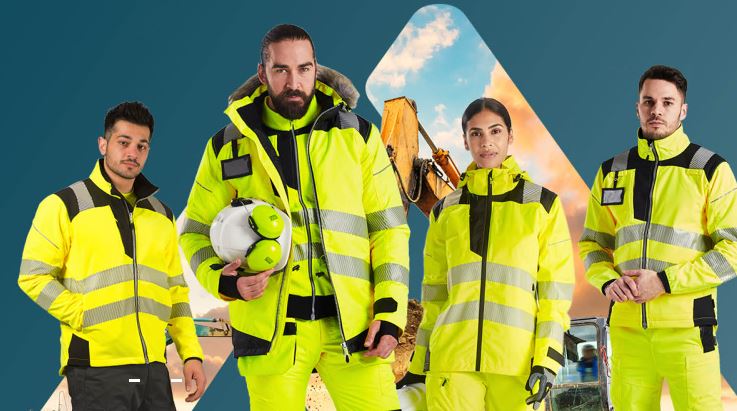
When it comes to workplace safety in high-risk environments, visibility can literally mean the difference between life and death. ANSI Class 3 hi-vis workwear represents the highest standard of high-visibility clothing available, designed specifically for workers who face the greatest risks from moving vehicles and machinery. At Hall-Fast, we understand the critical importance of proper protective equipment, which is why we've built one of the most comprehensive ranges of Portwest ANSI Class 3 hi-vis clothing in the UK.
Founded in August 2006 by Malcolm Hall MBE from the back bedroom of his family home, Hall-Fast has grown to become an industry leader with nearly 20 years of experience in the PPE and workwear sector. Our commitment to safety excellence has earned us numerous awards for international trade and business, reflecting our dedication to providing world-class safety solutions to customers both in the UK and worldwide.
Understanding ANSI Class 3 Hi-Vis Standards
The American National Standards Institute (ANSI) has established three distinct classes of high-visibility safety apparel, with Class 3 representing the highest level of protection. ANSI Class 3 hi-vis garments are specifically designed for workers in the most hazardous environments where maximum visibility is essential for survival.
What Makes ANSI Class 3 Different?
ANSI Class 3 hi-vis clothing must meet stringent requirements for both fluorescent background material and retroreflective striping. These garments require a minimum of 1,240 square inches of fluorescent background material and 310 square inches of retroreflective material arranged in specific configurations to ensure 360-degree visibility.
The retroreflective striping on Class 3 garments must encircle the torso and sleeves, creating a human silhouette that's instantly recognizable even in low-light conditions. This comprehensive coverage ensures that workers remain visible from all angles, regardless of their position or movement.
Key Features of ANSI Class 3 Hi-Vis Workwear
Superior Retroreflective Performance: Class 3 garments incorporate advanced retroreflective materials that bounce light directly back to its source. This technology ensures maximum visibility during dawn, dusk, and nighttime operations when visibility is most compromised.
Enhanced Fluorescent Background: The extensive fluorescent background material used in Class 3 garments provides exceptional daytime visibility. The bright fluorescent colors – typically safety orange, lime yellow, or red-orange – are specifically chosen for their ability to stand out against natural backgrounds.
360-Degree Visibility: Unlike lower classes, Class 3 garments provide complete circumferential visibility through strategically placed retroreflective striping that encircles both the torso and sleeves.
Increased Coverage Area: The larger surface area of fluorescent and retroreflective materials on Class 3 garments ensures maximum visibility at greater distances, crucial for highway work and other high-speed environments.
When to Use ANSI Class 3 Hi-Vis Workwear
ANSI Class 3 hi-vis clothing is mandated for specific high-risk work environments where workers face significant exposure to vehicular traffic or heavy machinery operating at speeds exceeding 50 mph. Understanding when Class 3 protection is required versus recommended helps ensure proper compliance and optimal safety outcomes.
Mandatory ANSI Class 3 Applications
Highway Construction and Maintenance: Workers operating on or near highways, interstates, and other high-speed roadways must wear Class 3 hi-vis clothing. This includes flaggers, equipment operators, surveying crews, and maintenance personnel working within the right-of-way of roads with speed limits over 50 mph.
Airport Ground Operations: Ground crew members working on active runways, taxiways, and apron areas require Class 3 protection due to the size and speed of aircraft operations. This includes baggage handlers, fuel technicians, aircraft marshalling personnel, and maintenance crews.
Railway Operations: Workers on or near active railway lines, particularly high-speed rail corridors, must wear Class 3 hi-vis clothing. This encompasses track maintenance crews, signal technicians, and inspection personnel working in areas with train speeds exceeding 50 mph.
Emergency Response: First responders operating on highways and high-speed roadways, including police officers, firefighters, paramedics, and tow truck operators, require Class 3 protection when working in traffic lanes or adjacent areas.
Recommended ANSI Class 3 Applications
Beyond mandatory requirements, many organizations choose Class 3 protection for additional safety margin in environments where maximum visibility provides enhanced protection:
Industrial Plant Operations: Large manufacturing facilities with heavy equipment and vehicle traffic often specify Class 3 garments for maintenance personnel, especially during night shifts or in areas with limited lighting.
Utility Operations: Electric, gas, and water utility workers frequently use Class 3 protection when working near roadways or in areas with heavy equipment operation, even when not specifically mandated.
Waste Management: Collection crews and landfill operations often mandate Class 3 clothing due to the combination of heavy machinery and public roadway exposure inherent in waste management operations.
The Hall-Fast Portwest Advantage
At Hall-Fast, our partnership with Portwest ensures access to the most comprehensive range of ANSI Class 3 hi-vis workwear available in the UK market. Portwest's commitment to innovation and quality has made them a global leader in high-visibility workwear, with solutions designed to meet the most demanding safety requirements.
Portwest ANSI Class 3 Product Range
Our Portwest hi-visibility collection includes an extensive selection of Class 3 garments designed for various applications and environmental conditions:
Class 3 Safety Vests: Lightweight and breathable options perfect for warm weather applications, featuring multiple pocket configurations and adjustment options for optimal fit and functionality.
Class 3 Jackets: Weather-resistant options including softshell, waterproof, and insulated varieties designed to maintain visibility standards while providing protection from environmental elements.
Class 3 Coveralls: One-piece solutions that provide comprehensive body coverage while maintaining the retroreflective striping patterns required for Class 3 compliance.
Class 3 Rain Gear: Waterproof jackets and pants that maintain hi-vis standards even in the most challenging weather conditions, essential for outdoor workers who cannot cease operations during inclement weather.
Quality and Compliance Assurance
Every Portwest ANSI Class 3 garment in our range undergoes rigorous testing to ensure compliance with the latest ANSI/ISEA 107 standards. This testing includes:
Photometric Performance Testing: Verification that retroreflective materials meet minimum brightness requirements under standardized lighting conditions.
Colorimetric Testing: Confirmation that fluorescent background materials maintain required color coordinates and brightness levels throughout the garment's service life.
Durability Testing: Assessment of retroreflective performance after repeated washing cycles and exposure to various environmental conditions.
Design Compliance Verification: Confirmation that retroreflective striping placement, width, and configuration meet ANSI specifications for Class 3 garments.
Selecting the Right ANSI Class 3 Garment
Choosing the appropriate Class 3 hi-vis garment requires careful consideration of multiple factors including work environment, weather conditions, required functionality, and comfort preferences. Our experienced team at Hall-Fast provides expert guidance to ensure optimal selection for each application.
Environmental Considerations
Temperature and Climate: Workers in hot climates benefit from lightweight, breathable Class 3 vests and shirts, while cold weather operations require insulated jackets and layering systems that maintain visibility standards.
Precipitation and Moisture: Wet weather applications demand waterproof or water-resistant Class 3 garments that maintain retroreflective performance even when saturated.
Wind Conditions: High-wind environments require well-fitted garments with secure closures to prevent material flapping that could reduce visibility or create safety hazards.
Dust and Debris: Environments with airborne particles benefit from smooth-surfaced garments that don't trap debris and are easy to clean and maintain.
Functional Requirements
Pocket Configuration: Consider tool storage requirements, communication device placement, and easy access to frequently used items when selecting garment styles.
Closure Systems: Evaluate zipper versus hook-and-loop closures based on ease of use, security requirements, and maintenance considerations.
Adjustability Features: Proper fit is crucial for both comfort and safety, making adjustable sides, cuffs, and hem features important considerations.
Integration with Other PPE: Ensure selected hi-vis garments are compatible with required hard hats, safety glasses, respirators, and other protective equipment.
Care and Maintenance of ANSI Class 3 Hi-Vis Workwear
Proper care and maintenance of ANSI Class 3 hi-vis garments is essential for maintaining their protective properties throughout their service life. Improper cleaning or storage can significantly reduce retroreflective performance and compromise worker safety.
Washing Guidelines
Temperature Control: Most Class 3 garments should be washed in warm water (104°F/40°C maximum) to prevent damage to retroreflective materials and fluorescent dyes.
Detergent Selection: Use mild, liquid detergents without bleach, fabric softeners, or optical brighteners, which can interfere with fluorescent and retroreflective properties.
Load Management: Wash hi-vis garments separately or with similar colors to prevent dye transfer and reduce mechanical stress during the wash cycle.
Cycle Selection: Use gentle or delicate wash cycles to minimize mechanical stress on retroreflective tape and seam construction.
Drying and Storage
Air Drying: Whenever possible, air dry Class 3 garments away from direct sunlight to prevent UV degradation of materials.
Heat Settings: If machine drying is necessary, use low heat settings (140°F/60°C maximum) to prevent damage to retroreflective adhesives and synthetic materials.
Storage Conditions: Store clean, dry garments in cool, dry locations away from direct sunlight, extreme temperatures, and chemical exposure.
Inspection Schedule: Implement regular inspection procedures to identify wear, damage, or performance degradation that might compromise safety.
Performance Monitoring
Visual Inspection: Regularly check for tears, loose retroreflective tape, fading, or discoloration that might reduce visibility performance.
Retroreflective Testing: Consider periodic testing of retroreflective performance using appropriate photometric equipment, especially for garments in critical applications.
Replacement Criteria: Establish clear criteria for garment replacement based on visible wear, photometric performance, or time in service.
Hall-Fast's Commitment to Safety Excellence
As a family business with nearly two decades of experience in the PPE industry, Hall-Fast's commitment to safety excellence extends far beyond simply supplying products. Our comprehensive approach to workplace safety reflects our understanding that proper equipment selection, training, and support are all essential components of effective safety programs.
Expert Consultation Services
Our team of safety professionals provides comprehensive consultation services to help organizations develop and implement effective hi-vis clothing programs:
Risk Assessment: We work with clients to evaluate specific workplace hazards and determine appropriate levels of hi-vis protection for different job functions and work areas.
Standards Compliance: Our experts ensure that selected garments meet all applicable ANSI, OSHA, and industry-specific requirements for high-visibility clothing.
Program Development: We assist in developing comprehensive hi-vis clothing policies, including selection criteria, care instructions, replacement schedules, and training requirements.
Training Support: Our team provides training resources and support to ensure proper understanding and implementation of hi-vis clothing programs.
Comprehensive Product Support
Hall-Fast's commitment to customer success extends throughout the entire product lifecycle:
Custom Solutions: We work with clients to develop custom hi-vis solutions for unique applications or specific organizational requirements.
Inventory Management: Our flexible inventory management programs ensure consistent availability of required garments while minimizing storage requirements and carrying costs.
Technical Support: Our technical team provides ongoing support for product selection, care instructions, and performance optimization.
Quality Assurance: We maintain rigorous quality control procedures to ensure that all products meet stated specifications and performance requirements.
Industry Applications and Case Studies
ANSI Class 3 hi-vis workwear finds application across numerous industries where worker visibility is critical for safety. Understanding these applications helps organizations make informed decisions about appropriate protection levels and garment selection.
Highway Construction Industry
The highway construction industry represents one of the largest users of Class 3 hi-vis clothing due to the inherent risks associated with working in and around high-speed traffic. Modern highway projects often involve 24-hour operations, creating additional challenges for worker visibility during night shifts.
Flagging Operations: Traffic control personnel working on high-speed roadways require Class 3 protection with additional considerations for ease of movement and communication equipment integration.
Equipment Operations: Heavy equipment operators working near traffic lanes benefit from Class 3 clothing that remains visible even when partially obscured by machinery.
Utility Installation: Workers installing guardrails, signs, and utility infrastructure in highway rights-of-way require Class 3 protection with appropriate functionality for tool use and material handling.
Airport Ground Operations
Airport ground operations present unique challenges for hi-vis clothing due to the size and speed of aircraft, complex lighting environments, and diverse weather conditions encountered in aviation operations.
Ramp Operations: Ground crew working around aircraft require Class 3 clothing that provides visibility against the varied backgrounds common in airport environments.
Fuel Operations: Aviation fuel technicians need Class 3 protection with specific considerations for static electricity control and chemical resistance.
Maintenance Operations: Aircraft maintenance personnel working on active ramps require Class 3 clothing compatible with various tools and equipment while maintaining visibility standards.
Railway Maintenance
Railway operations, particularly high-speed rail corridors, present significant challenges for worker visibility due to train speeds, noise levels, and often limited escape routes.
Track Maintenance: Track maintenance crews require Class 3 protection with considerations for tool carrying capacity and ease of movement along rail infrastructure.
Signal Maintenance: Signal technicians working near active rail lines need Class 3 clothing that doesn't interfere with electronic equipment while maintaining visibility requirements.
Inspection Operations: Rail inspection personnel require Class 3 protection designed for extended periods of outdoor work in various weather conditions.
Technology and Innovation in Hi-Vis Workwear
The hi-vis workwear industry continues to evolve with new technologies and materials that enhance both safety performance and user comfort. Portwest's commitment to innovation ensures that Hall-Fast customers have access to the latest advances in high-visibility clothing technology.
Advanced Retroreflective Materials
Modern retroreflective materials offer significantly improved performance compared to earlier technologies:
Microprismatic Technology: Advanced microprismatic retroreflective materials provide superior brightness and wider-angle performance compared to glass bead materials.
Segmented Tape Design: Segmented retroreflective tapes offer improved flexibility and durability while maintaining excellent photometric performance.
Heat-Activated Adhesives: Modern adhesive systems provide superior bond strength and durability, even under extreme temperature conditions.
Enhanced Fluorescent Materials
Fluorescent background materials have also benefited from technological advances:
Color Fastness: Improved dye systems maintain brightness and color accuracy throughout extended service life and multiple wash cycles.
Fabric Technology: Advanced synthetic fabrics offer improved breathability, moisture management, and dimensional stability.
UV Resistance: Enhanced UV-resistant treatments help maintain fluorescent brightness even under extended sun exposure.
Smart Integration Features
Modern hi-vis garments increasingly incorporate features that enhance functionality without compromising safety:
Communication Integration: Purpose-designed pockets and routing systems for radio equipment, cellular phones, and other communication devices.
Tool Integration: Specialized attachment points and carrying systems for frequently used tools and equipment.
Comfort Enhancement: Advanced ergonomic design features that improve fit, reduce fatigue, and enhance worker comfort during extended wear periods.
Future Trends in ANSI Class 3 Hi-Vis Workwear
The future of hi-vis workwear promises continued innovation in materials, design, and functionality. Understanding these trends helps organizations prepare for evolving safety requirements and technology opportunities.
Smart Textiles Integration
Emerging smart textile technologies offer exciting possibilities for enhanced safety performance:
LED Integration: Active lighting systems integrated into hi-vis garments could provide enhanced visibility in specific applications.
Environmental Monitoring: Sensors integrated into workwear could monitor environmental conditions and alert workers to changing safety conditions.
Location Tracking: GPS and communication technologies could provide real-time worker location information for emergency response and safety monitoring.
Sustainability Initiatives
Environmental considerations are increasingly important in workwear selection:
Recycled Materials: Advanced recycling technologies are enabling the use of recycled materials in hi-vis garments without compromising performance.
Extended Lifecycle: Improved materials and construction techniques are extending garment service life, reducing replacement frequency and environmental impact.
End-of-Life Management: Developing programs for responsible disposal and recycling of worn-out hi-vis garments.
Customization and Personalization
Advances in manufacturing technology are enabling increased customization options:
On-Demand Manufacturing: Digital printing and cutting technologies enable cost-effective small-batch customization.
Fit Optimization: 3D scanning and sizing technologies could enable perfect fit optimization for individual workers.
Application-Specific Design: Increasing ability to customize garments for specific applications and work environments.
Conclusion
ANSI Class 3 hi-vis workwear represents the pinnacle of high-visibility protection, designed specifically for workers facing the greatest risks from moving vehicles and heavy machinery. At Hall-Fast, our comprehensive range of Portwest Class 3 garments ensures that UK workers have access to the highest quality protection available, backed by nearly two decades of industry experience and expertise.
Our commitment to safety excellence, reflected in our numerous industry awards and ongoing community involvement, drives our continuous effort to provide innovative solutions that protect workers while supporting productivity and comfort.
Whether you're working on highway construction projects, airport ground operations, railway maintenance, or any other high-risk environment requiring maximum visibility, Hall-Fast's Portwest ANSI Class 3 hi-vis collection provides the protection, quality, and performance you need. Our expert team stands ready to help you select the right garments for your specific applications and ensure that your safety program meets the highest standards of protection.
For more information about our complete range of Portwest ANSI Class 3 hi-vis workwear, visit our hi-visibility section or contact our safety experts for personalized consultation and support.
At Hall-Fast, we're proud to serve as your trusted partner in workplace safety – Whatever Your Industry Needs Worldwide!