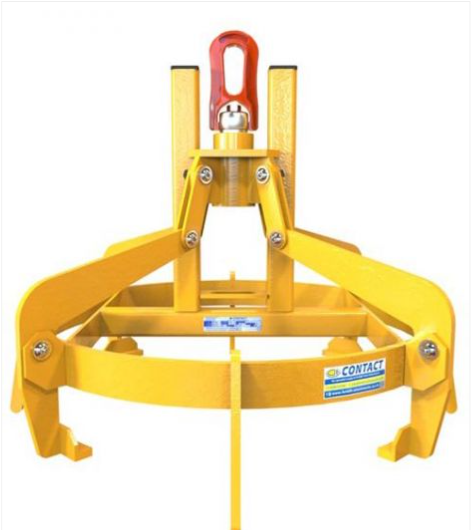
Understanding Telehandler Attachment Compatibility
Selecting the appropriate telehandler attachments requires careful consideration of several compatibility factors to ensure safe, efficient operation:
|
Compatibility Factor |
Key Considerations |
Why It Matters |
|
Attachment Interface |
Quick-hitch type, pin configuration, mounting dimensions |
Ensures physical connection compatibility with your specific telehandler model |
|
Hydraulic Requirements |
Flow rate needs, pressure specifications, connection types |
Determines if your telehandler can properly power hydraulic attachment functions |
|
Load Capacity |
Weight of attachment plus maximum material load |
Must remain within the telehandler's rated capacity at required reach |
|
Centre of Gravity |
Load distribution and offset distance |
Affects stability and safe operating range of the telehandler |
|
Visibility Factors |
Line of sight to attachment and work area |
Critical for safe, efficient operation in various conditions |
|
Control Requirements |
Standard vs. auxiliary controls needed |
Ensures operator can properly activate and control attachment functions |
Popular Telehandler Attachment Types
|
Attachment Type |
Primary Functions |
Best Applications |
Key Selection Factors |
|
Pallet Forks |
Standard material handling, pallet transport |
Warehousing, construction, general logistics |
Fork length, capacity, carriage width, fork spacing |
|
Buckets |
Loose material handling, loading, material transfer |
Construction, agriculture, waste management |
Capacity, width, construction material, edge type |
|
Jibs and Booms |
Extended reach, precision placement, suspended loads |
Construction, maintenance, specialized lifting |
Length, capacity at extension, rigging options |
|
Work Platforms |
Personnel elevation, aerial work access |
Maintenance, construction, installation tasks |
Capacity, platform size, safety features, certification |
|
Grapples and Grabs |
Handling irregular materials, sorting, waste management |
Recycling, demolition, logging, scrap handling |
Jaw design, hydraulic power, material compatibility |
|
Winches |
Controlled vertical lifting, tensioning, pulling |
Construction, utilities, industrial applications |
Line pull rating, cable length, control precision |
|
Bale Handlers |
Agricultural bale movement and stacking |
Farming, feed operations, biomass handling |
Bale type compatibility, capacity, stacking features |
Telehandler Brand Compatibility Guide
Most attachments are designed to work with specific quick-hitch systems. Here's a general compatibility overview:
|
Brand |
Common Attachment System |
Notes on Compatibility |
|
JCB |
Q-Fit, compact tool carrier |
Industry standard with wide attachment availability |
|
Manitou |
Manitou compact tool carrier |
Proprietary system with good attachment range |
|
Merlo |
ZM coupling system |
Specialized system with growing attachment options |
|
Bobcat |
Bob-Tach, Power Quick-Tach |
Compatible with many skid steer attachments |
|
Caterpillar |
IT coupler system |
Industrial standard with excellent attachment range |
|
Genie |
Standard carriages, GTH system |
Focus on construction and industrial applications |
Safety Standards and Compliance
All telehandler attachments should comply with relevant safety standards:
- LOLER (Lifting Operations and Lifting Equipment Regulations): Governing safe use and testing of lifting equipment
- PUWER (Provision and Use of Work Equipment Regulations): General equipment safety standards
- EN 1459: Safety standards for variable reach trucks (telehandlers)
- ISO 13031: Safety standards for quick couplers on earth-moving machinery
- CE Marking: Conformity with European safety directives
- ANSI/ITSDF B56.6: American safety standard for rough terrain forklift trucks
Frequently Asked Questions
How do I know if an attachment is compatible with my telehandler?
Compatibility depends on several factors: the attachment interface system (quick-hitch type), the hydraulic capabilities of your telehandler, and the load capacity ratings. Start by identifying your telehandler's specific attachment system (such as JCB Q-Fit, Manitou, etc.) and hydraulic specifications (flow rate and pressure). Then check the attachment's requirements against your machine's capabilities. Most manufacturers provide compatibility charts that match specific attachments to telehandler models. Always verify that the combined weight of the attachment and its maximum load remains within your telehandler's load chart limits at the required extension distance.
What safety considerations are most important when using telehandler attachments?
Several safety factors require attention when using telehandler attachments: First, never exceed the telehandler's rated capacity, which changes based on boom extension and height. Always recalculate capacity accounting for the attachment's weight. Second, ensure proper attachment connection, with all locking pins and securing mechanisms fully engaged. Third, maintain clear visibility to the attachment and work area during operation. Fourth, follow manufacturer guidelines for specific attachment operation, including any special procedures or limitations. Finally, conduct thorough pre-use inspections of both the telehandler and attachment to identify any potential issues before beginning work.
Can I use attachments from different manufacturers with my telehandler?
Yes, you can often use attachments from different manufacturers provided they are compatible with your telehandler's attachment interface system. Many manufacturers produce attachments to work with standard mounting systems like the JCB Q-Fit or Manitou coupling systems. When using third-party attachments, pay particular attention to the exact mounting dimensions, hydraulic requirements, and load specifications to ensure proper fit and function. Universal adapters are also available that can allow attachments designed for one system to work with telehandlers using a different mounting standard, though these may affect load ratings and should be used with careful attention to manufacturer guidelines.
How do I maintain telehandler attachments for maximum lifespan?
Proper maintenance of telehandler attachments involves several key practices: Regular inspection of structural components for signs of wear, damage, or deformation; lubrication of moving parts and pivot points according to manufacturer schedules; protection of hydraulic components from contamination and damage; proper cleaning after use, especially when exposed to corrosive materials or environments; correct storage when not in use to prevent exposure to weather elements; addressing minor damage before it becomes major; and following manufacturer-specific maintenance guidance for specialized attachments. Implementing a documented inspection and maintenance program significantly extends attachment lifespan and ensures continued safe operation.
What is the most versatile telehandler attachment for multiple applications?
While needs vary by industry, pallet forks with a carriage are generally considered the most versatile telehandler attachment, serving as the foundation for many material handling tasks across construction, agriculture, warehousing, and manufacturing. For operations seeking maximum versatility beyond basic forks, a 4-in-1 multi-purpose bucket offers exceptional flexibility, functioning as a standard bucket, dozer blade, grapple, and material handler in a single attachment. For businesses requiring personnel elevation along with material handling, a combination of pallet forks and a separate work platform attachment provides outstanding operational versatility while maintaining regulatory compliance for personnel lifting operations.
How do telehandler attachments affect the machine's lifting capacity?
Telehandler attachments reduce the machine's available lifting capacity in two ways: First, the weight of the attachment itself must be subtracted from the telehandler's total capacity. Second, attachments that extend the load centre forward from the carriage (such as extended forks or jibs) further reduce capacity according to the telehandler's load chart. Each telehandler has a specific load chart that shows how capacity decreases as the boom extends outward and upward. When using attachments, operators must recalculate available capacity by accounting for both the attachment weight and any change in load centre, ensuring operations remain within safe working limits at all times.
Most Popular Telehandler Attachments
Telehandler Pallet Forks
The workhorse of telehandler attachments, pallet forks provide the fundamental material handling capability that makes these machines indispensable across numerous industries. These seemingly simple attachments incorporate sophisticated engineering that optimizes load stability, durability, and handling efficiency while maintaining compatibility with standardized pallet systems worldwide.
Quality telehandler pallet forks incorporate several key design features:
- Tapered Fork Design: Precision-profiled tips that facilitate clean entry into pallet channels
- Wear-Resistant Construction: High-grade steel with appropriate hardness for durability without brittleness
- Load Stability Engineering: Cross-section design that prevents flexing under rated loads
- Adjustable Spacing: Slide mechanisms that accommodate various pallet widths and load requirements
- Carriage Integration: Secure mounting systems with positive locking to prevent unintended detachment
- Visibility Optimization: Designs that maintain operator sightlines during critical positioning
Telehandler pallet forks are available in numerous configurations to address specific operational requirements:
- Standard Forks: Balanced design for everyday pallet handling with optimal durability and capacity
- Extended Length Forks: Longer tines for specialized loads, double-deep pallet racking, or unusual pallet configurations
- Wide-Face Forks: Broader contact surface for handling unstable loads or non-palletized materials
- Block Forks: Specialized designs for construction materials including blocks, bricks, and pavers
- Fully Adjustable Systems: Enhanced positioning capabilities for precision handling requirements
- High-Visibility Models: Specifically engineered to maximize operator sightlines during critical operations
For operations seeking to maximize telehandler utility while maintaining operational flexibility, quality pallet forks provide the foundation for efficient material handling across virtually any industry. View our pallet fork options and discover how these versatile attachments can enhance your telehandler's core capabilities.