Overcoming Challenging Surface Conditions in Material Handling
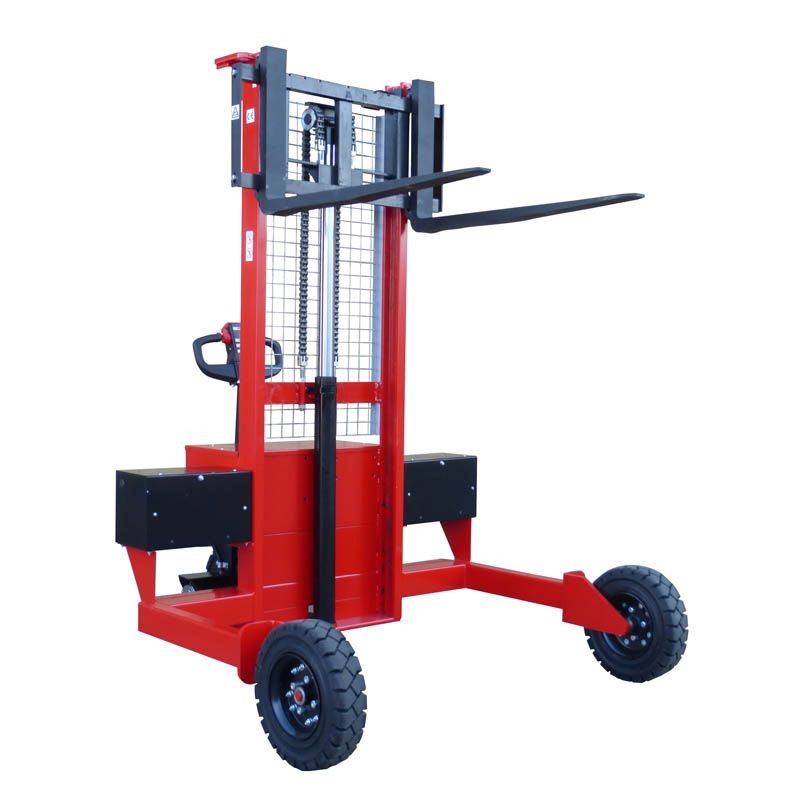
Traditional warehouse stackers excel in clean, level environments with smooth concrete floors, but many material handling operations extend beyond these ideal conditions. Construction sites, outdoor storage yards, agricultural settings, and manufacturing facilities with damaged flooring all present challenging terrain that standard equipment simply cannot navigate. Rough terrain hydraulic stackers address this critical gap, providing robust lifting and stacking capabilities across uneven, irregular, and outdoor surfaces where conventional stackers would fail.
Unlike their warehouse counterparts, these specialized machines are engineered with features specifically designed to maintain stability, traction, and functionality across various surface challenges. From construction materials and outdoor inventory to agricultural products and equipment maintenance, rough terrain stackers enable efficient material handling in environments previously limited to cranes or heavy forklifts.
Key Challenges in Non-Standard Terrain Applications
Understanding the obstacles these specialized stackers must overcome helps appreciation of their engineering requirements:
Surface Irregularity Challenges
Non-warehouse environments present numerous surface issues:
- Uneven ground: Natural topography variations causing tilt and stability issues
- Potholes and depressions: Sudden changes in surface level risking equipment balance
- Gravel and loose material: Shifting surfaces compromising traction and stability
- Debris and obstacles: Objects impeding smooth travel and operation
- Ruts and tracks: Channelled surfaces directing wheels unexpectedly
- Grade variations: Slopes and inclines creating gravity challenges
- Weather damage: Erosion, expansion/contraction damage, and freeze/thaw effects
These surface irregularities create operational challenges that standard equipment cannot safely navigate.
Weather and Environmental Factors
Outdoor operation introduces additional complications:
- Precipitation exposure: Rain, snow, and ice affecting traction and component function
- Temperature extremes: Affecting hydraulic systems, batteries, and materials
- Wind conditions: Creating additional forces on elevated loads
- UV exposure: Degrading components not designed for outdoor use
- Dust and contaminants: Infiltrating systems designed for clean environments
- Mud and standing water: Compromising mobility and electrical systems
- Visibility challenges: Glare, shadows, and weather-related visibility reduction
These environmental factors require significant design modifications compared to standard indoor equipment.
Load Handling Variations
Applications requiring rough terrain capability often involve different load types:
- Construction materials: Irregular shapes, sizes, and weight distributions
- Raw materials: Loose, shifting, or unstable load characteristics
- Oversized items: Dimensions exceeding standard pallet configurations
- Varying packaging: Inconsistent wrapping, containment, or stability
- Outdoor storage items: Weather-affected load conditions
- Mixed load types: Diverse materials requiring adaptable handling
- Exposed materials: Items lacking standard palletization or containment
These varied load characteristics require additional flexibility and capability beyond standard stacker design.
Essential Features of Rough Terrain Hydraulic Stackers
Several specialized design elements enable operation in challenging conditions:
Enhanced Mobility Systems
Specialized wheel and drive systems provide crucial capabilities:
- Oversized pneumatic tires: Larger diameter absorbing surface irregularities
- Deep tread patterns: Providing traction on loose surfaces
- Reinforced wheel construction: Withstanding impacts from debris and obstacles
- Higher ground clearance: Navigating over obstructions and uneven terrain
- All-wheel drive options: Maintaining mobility when one wheel loses traction
- Oscillating axles: Allowing wheels to conform to uneven surfaces
- Specialized tire compounds: Optimized for specific terrain challenges
These mobility enhancements form the foundation of rough terrain functionality.
Stabilization Technologies
Maintaining stability on irregular surfaces requires specialized systems:
- Extended outriggers: Providing wider support base during lifting
- Automatic levelling systems: Compensating for uneven ground
- Tilt indicators: Warning operators about dangerous angles
- Reinforced mast construction: Handling additional stress from uneven operation
- Lower centre of gravity: Reducing tip-over risk during movement
- Hydraulic stabilization: Active systems maintaining level positioning
- Wider stance designs: Increasing baseline stability in all conditions
These stability features ensure safe operation despite terrain challenges.
Ruggedized Construction
Environmental resilience requires enhanced durability:
- Sealed electrical components: Protected against moisture and dust
- Corrosion-resistant materials: Withstanding outdoor exposure
- Reinforced frames: Handling increased stress from uneven movement
- Protected hydraulic systems: Shielded from debris and impact
- Heavy-duty guarding: Preventing damage to critical components
- Enhanced filtration: Keeping systems clean despite environmental contaminants
- High-visibility paint/coatings: Maintaining visibility and protection in outdoor settings
This ruggedized construction ensures longevity in harsh operating conditions.
Power System Adaptations
Challenging environments require specialized power solutions:
- High-torque drive systems: Overcoming surface resistance and obstacles
- Enhanced cooling systems: Maintaining optimal operating temperatures under load
- Cold-weather hydraulics: Specialized fluids for low-temperature operation
- Heavy-duty batteries: Providing extended runtime without charging access
- Engine options: Diesel or gas power for locations without charging infrastructure
- Hybrid power systems: Combining technologies for operational flexibility
- Reinforced power connections: Withstanding vibration and environmental exposure
These power adaptations ensure reliable operation away from controlled environments.
Applications Ideal for Rough Terrain Stackers
Several industries particularly benefit from these specialized machines:
Construction Sites and Building Material Yards
These dynamic environments rely on rough terrain capabilities:
- Material staging: Positioning building supplies at various project locations
- Scaffold and framework assembly: Positioning components during construction
- Elevation of finishing materials: Delivering items to upper work levels
- Equipment maintenance support: Lifting components for service access
- Site preparation work: Moving materials during early project phases
- Landscaping material handling: Positioning heavy items during site finishing
- Temporary structure assembly: Supporting event or project shelter installation
The ability to navigate unfinished sites while safely handling materials makes rough terrain stackers invaluable in construction settings.
Agricultural and Farming Operations
Agricultural applications benefit from all-terrain handling capabilities:
- Feed and seed movement: Transporting bulk materials around farm properties
- Equipment maintenance: Supporting repair of agricultural machinery
- Harvest handling: Moving and stacking harvested goods
- Fertilizer and chemical management: Positioning agricultural inputs
- Irrigation component installation: Lifting and positioning water system parts
- Livestock supply management: Handling feed, bedding, and support materials
- Greenhouse and growing structure setup: Assembling agricultural buildings
The combination of outdoor capability and precise positioning makes these stackers particularly valuable in modern agricultural operations.
Outdoor Manufacturing and Processing
Manufacturing extending beyond traditional facilities benefits from:
- Material yard organization: Managing inventory stored outside
- Production line supply: Delivering materials to outdoor processing areas
- Finished goods handling: Moving completed products to storage or shipping
- Equipment installation support: Positioning machinery during setup
- Maintenance operations: Supporting repair activities in all conditions
- Shipping and receiving: Loading/unloading in exterior yard areas
- Waste management: Handling byproducts and recyclable materials
These applications bridge the gap between indoor production and outdoor operations.
Rental and Equipment Yards
Equipment storage and rental operations leverage rough terrain capabilities for:
- Inventory organization: Arranging equipment in outdoor storage yards
- Customer pickup/delivery preparation: Positioning equipment for transport
- Maintenance positioning: Supporting service operations in yard areas
- Demonstration setup: Arranging equipment for customer viewing
- Washing and preparation areas: Moving equipment through service processes
- Attachment management: Handling implements and accessories
- Storage optimization: Maximizing space utilization in outdoor facilities
The versatility of rough terrain stackers makes them particularly valuable in rental operations handling diverse equipment types.
Types of Rough Terrain Stackers
Several configurations address specific all-terrain requirements:
All-Terrain Walkie Stackers
These operator-walked units offer basic rough terrain capability:
- Enhanced standard stackers: Upgraded conventional designs with terrain features
- Simplified operation: Familiar controls with added stability systems
- Lower acquisition cost: Entry-level rough terrain functionality
- Compact footprint: Navigating tighter spaces while handling surface challenges
- Limited lift height: Typically reaching 8-12 feet (2.4-3.7 meters)
- Moderate load capacity: Generally 2,000-3,000 lbs (900-1,360 kg)
- Ideal applications: Light construction, small agricultural operations, facility maintenance
These units provide an accessible entry point for basic rough terrain requirements.
Rough Terrain Straddle Stackers
Straddle leg configurations offer specific advantages:
- Outrigger stability: Legs providing wider support base
- Standard pallet handling: Accommodating conventional palletized loads
- Higher lift capabilities: Typically reaching 12-15 feet (3.7-4.6 meters)
- Moderate terrain adaptation: Handling moderately challenging surfaces
- Pneumatic tire options: Providing all-terrain mobility
- Adaptable width settings: Some models offering adjustable straddle width
- Middle-range capacity: Generally 3,000-4,000 lbs (1,360-1,815 kg)
These versatile units balance rough terrain capability with conventional load handling.
All-Terrain Counterbalance Stackers
Counterbalance designs offer enhanced functionality:
- No forward leg interference: Direct approach to loads without straddles
- Block stacking capability: Handling loads without pallets or platforms
- Higher load capacities: Often 4,000-6,000+ lbs (1,815-2,720+ kg)
- Significant ground clearance: Navigating substantial terrain challenges
- Four-wheel stability: Balanced design for uneven surfaces
- Enhanced operator protection: Typically including overhead guards
- Higher lift heights: Often reaching 15-20+ feet (4.6-6.1+ meters)
These robust machines handle the most demanding rough terrain applications.
Specialized Terrain-Adaptive Stackers
Highly specialized units address extreme conditions:
- Articulated designs: Pivoting chassis maintaining wheel contact on severe terrain
- Track-based systems: Replacing wheels with tracks for ultimate irregular surface handling
- Extendable stabilization: Deployable outriggers creating extremely stable lifting platforms
- Self-levelling technology: Automated systems maintaining level operation regardless of ground conditions
- Amphibious capabilities: Some specialized units handling flooded or extremely soft terrain
- Extreme weather packages: Arctic or desert-optimized systems for environmental extremes
- Remote operation options: Allowing control from a distance in hazardous conditions
These highly specialized machines address the most challenging terrain situations.
Selection Factors for Rough Terrain Applications
Choosing the right equipment requires evaluating several key factors:
Terrain Assessment
Understanding your specific surface challenges guides equipment selection:
- Surface composition: Concrete, gravel, dirt, sand, or mixed materials
- Regularity variation: Degree of elevation changes and unevenness
- Obstacle frequency: Presence of debris, rocks, or other obstructions
- Weather exposure: Precipitation, temperature ranges, and seasonal changes
- Grade severity: Steepness of slopes and inclines in the operating area
- Surface stability: Whether the ground is solid or prone to shifting
- Transitional requirements: Need to move between different surface types
Thorough terrain evaluation ensures selection of appropriately capable equipment.
Load Characteristics
Your specific material handling needs influence stacker requirements:
- Weight range: Maximum and typical load weights
- Dimensional requirements: Size, shape, and configuration of typical loads
- Lift height needs: Required elevation for stacking or positioning
- Load stability factors: Whether materials are balanced, contained, or loose
- Handling frequency: How often loads need movement
- Specialized attachment needs: Forks, grabs, or custom handling devices
- Load value/fragility: Protection requirements for sensitive materials
These load factors determine the capacity and handling capabilities required.
Operational Environment
Working conditions significantly impact equipment selection:
- Operating hours: Duration of daily use
- Operator availability: Skill levels and number of potential operators
- Distance requirements: How far materials must be moved
- Weather exposure: Degree of protection from elements
- Temperature extremes: Highest and lowest expected operating temperatures
- Lighting conditions: Natural and artificial lighting availability
- Noise restrictions: Any limits on equipment sound levels
- Emissions considerations: Whether exhaust restrictions apply
These environmental factors influence both specifications and power source decisions.
Maintenance Considerations for Rough Terrain Equipment
Harsh operating conditions require adapted maintenance approaches:
Enhanced Service Protocols
Challenging environments necessitate additional maintenance:
- Accelerated inspection schedules: More frequent checks than indoor equipment
- Thorough cleaning regimens: Removing accumulated debris and contaminants
- Environmental protection: Additional rust prevention and coating maintenance
- Seal and gasket attention: Ensuring continued protection of internal components
- Filtration system service: More frequent replacement of air, hydraulic, and fuel filters
- Weather preparation: Seasonal adjustments for temperature changes
- Impact and stress checks: Inspecting for damage from rough operation
These enhanced protocols help maintain reliability despite harsh conditions.
Critical Maintenance Focus Areas
Pay particular attention to these rough-terrain-specific items:
- Tire condition: Checking for damage, wear, and proper inflation
- Hydraulic system integrity: Inspecting for leaks or damage to exposed components
- Stabilization mechanisms: Ensuring proper function of outriggers and levelling systems
- Structural components: Examining for stress cracks or deformation
- Electrical connections: Verifying protection from moisture and contaminants
- Steering systems: Checking for damage from impacts or obstacles
- Brake functionality: Ensuring reliable stopping on variable surfaces
These areas experience particular stress in rough terrain applications and warrant special attention.
Expert Support for Your Rough Terrain Material Handling Needs
Selecting the right rough terrain hydraulic stackers requires balancing numerous application-specific factors. At Hall-Fast, we understand the unique challenges presented by non-standard operating environments and offer specialized material handling solutions designed for these demanding applications.
Our comprehensive selection includes various rough terrain stacker options with features specifically engineered for challenging surface conditions. From construction sites to agricultural applications, we can help you identify the ideal equipment solution for your specific terrain challenges.
Explore our full range of material handling solutions at Hall-Fast Industrial and Commercial Equipment or contact our team directly at sales@hall-fast.com for personalized assistance in finding the perfect rough terrain stacker for your unique operational needs.
With the right equipment matched to your specific terrain conditions, you'll maintain productivity and safety across all the surfaces your operation encounters.