The critical challenge facing modern industrial operations lies in optimizing roller track load capacity to enhance operational efficiency, reduce costs, and improve overall material handling performance. Load capacity optimization represents a sophisticated engineering approach that goes far beyond simple weight calculations, encompassing a holistic strategy of design, material selection, and operational planning.
The Science of Load Capacity in Roller Track Systems
Understanding load capacity requires a deep dive into the complex interactions between mechanical design, material properties, and operational demands. Roller tracks are not merely passive transportation systems but dynamic engineering solutions that must balance multiple critical factors to deliver optimal performance.
The fundamental principles of load capacity optimization begin with a comprehensive analysis of the specific operational environment. Each industrial setting presents unique challenges – from the precise requirements of automotive manufacturing to the demanding conditions of logistics and warehousing. Engineers must consider factors that extend well beyond basic weight measurements.
Critical Factors in Load Capacity Determination
Material composition plays a crucial role in load capacity optimization. Advanced engineering materials such as high-strength alloys, specialized polymers, and composite materials offer unprecedented capabilities in load-bearing performance. The selection of these materials requires a nuanced understanding of stress distribution, fatigue resistance, and long-term durability.
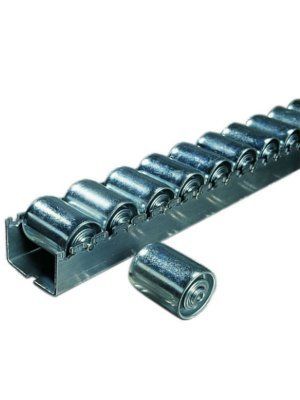
Structural design emerges as another critical component of load capacity optimization. The geometry of roller tracks, including the precise configuration of rolling elements, support structures, and load distribution mechanisms, directly impacts overall performance. Engineers employ sophisticated computational modelling to analyse stress patterns, predict potential failure points, and develop innovative design solutions.
Advanced Computational Approaches to Load Optimization
Modern load capacity optimization leverages cutting-edge computational technologies. Finite element analysis, advanced simulation techniques, and machine learning algorithms allow engineers to model complex load scenarios with unprecedented accuracy. These technologies enable the development of roller track systems that can precisely predict and manage load-related challenges.
Predictive maintenance strategies have become integral to load capacity optimization. By implementing real-time monitoring systems, businesses can:
- Detect potential stress points before they become critical
- Optimize maintenance schedules
- Prevent unexpected equipment failures
- Extend the overall lifecycle of roller track systems
Practical Implementation of Load Capacity Strategies
The translation of theoretical optimization into practical industrial applications requires a holistic approach. Businesses must consider:
- Specific operational requirements
- Environmental conditions
- Material characteristics
- Performance expectations
- Long-term cost-effectiveness
Industry-Specific Optimization Approaches
Different industrial sectors require unique load capacity optimization strategies:
Manufacturing environments demand precision and consistency. Roller tracks must handle repetitive loading with minimal wear and maximum efficiency. Advanced material selection and precision engineering become critical.
Logistics and warehousing operations require versatility. Load capacity optimization must account for variable load conditions, rapid material movement, and diverse product types. Flexible design becomes paramount.
Technological Innovations Driving Load Capacity Optimization
Emerging technologies continue to push the boundaries of roller track load capacity:
- Smart sensor integration
- Advanced material sciences
- Artificial intelligence-driven design
- Predictive analytical technologies
- Adaptive load management systems
Sustainability Considerations
Load capacity optimization is increasingly intertwined with sustainability goals. By developing more efficient roller track systems, businesses can:
- Reduce material consumption
- Minimize energy requirements
- Extend equipment lifecycle
- Lower overall environmental impact
Challenges and Future Directions
The future of load capacity optimization lies in increasingly sophisticated integration of digital technologies. Machine learning, real-time data analytics, and adaptive design methodologies promise to revolutionize how businesses approach material handling challenges.
Contact our expert team to explore advanced roller track load capacity optimization solutions tailored to your specific operational requirements.
Explore our comprehensive Roller Tracks Range to discover cutting-edge material handling technologies.
Our Commitment to Innovation
At Hall-Fast, we're dedicated to driving continuous improvement in industrial material handling technologies, supporting businesses in achieving unprecedented levels of operational efficiency.