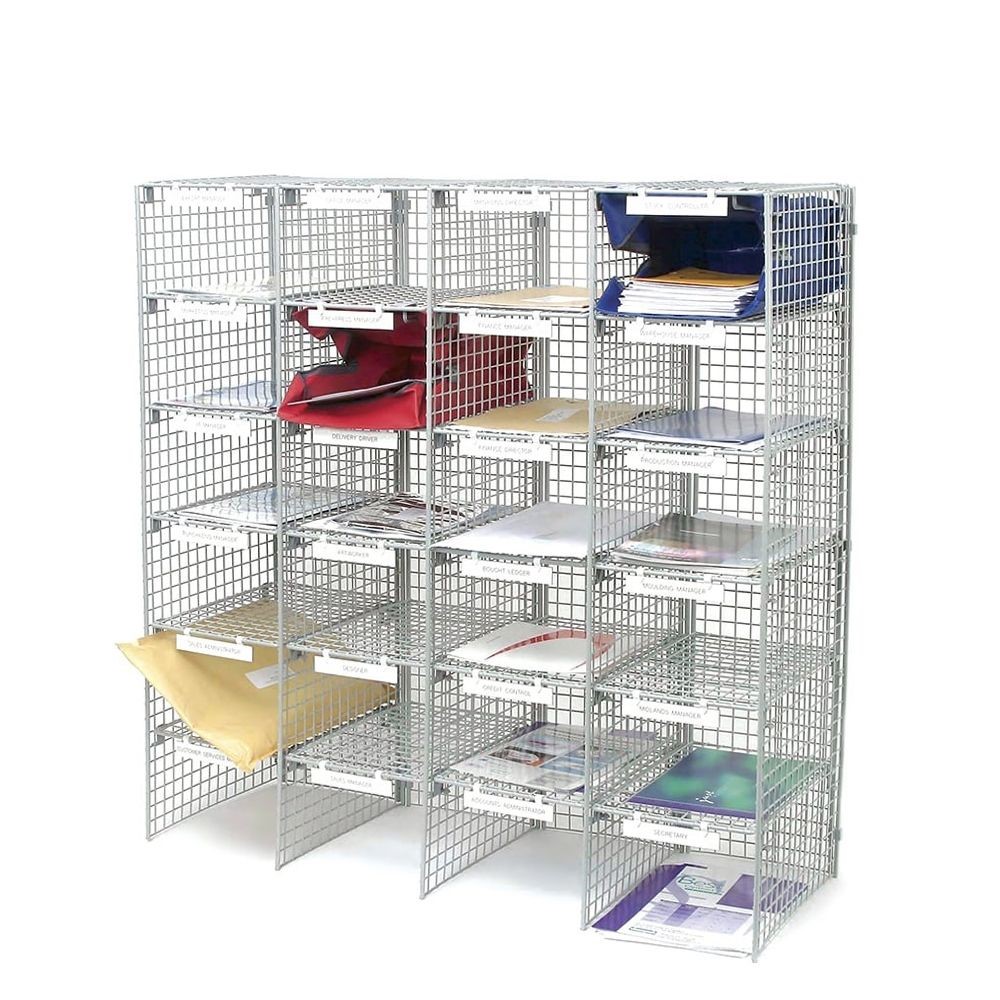
In today's fast-paced business environment, operational efficiency has become a critical competitive advantage. Often overlooked in productivity assessments, the humble mailroom represents a significant opportunity for process improvement through the implementation of modern mailroom sorting systems. As organizations continue to handle substantial volumes of physical correspondence alongside digital communications, effective mail sorting equipment has become essential for streamlining operations and enhancing overall workplace efficiency.
The Evolution of Mailroom Management
The traditional image of mailroom operations—characterized by manual sorting, frequent errors, and significant labour requirements—has been transformed by advances in mail processing equipment. Today's automated solutions combine sophisticated engineering with intelligent design to address the complex needs of contemporary business communication management.
This evolution reflects broader changes in organizational communication patterns. While digital correspondence has grown exponentially, physical mail remains critical for many business functions, including:
- Legal documentation requiring original signatures
- Secure transmission of sensitive financial information
- Product samples and physical marketing materials
- Formal regulatory and compliance communications
- Specialized documents with authentication features
The persistence of these physical communication requirements alongside expanding digital channels has created new challenges for mailroom operations, driving the development of more sophisticated mailroom sorting systems capable of handling diverse communication streams efficiently.
Core Benefits of Modern Mail Sorting Technologies
Implementing advanced mail sorting equipment delivers several significant advantages:
Dramatic Processing Speed Improvements
Contemporary sorting systems can process hundreds of mail pieces per hour, representing productivity improvements of 300-500% compared to manual methods. This acceleration enables even high-volume operations to maintain strict service level agreements while reducing labour requirements.
The efficiency gains extend beyond simple throughput metrics to include:
- Faster identification and prioritization of urgent communications
- Reduced backlog accumulation during peak periods
- More consistent processing times for predictable service delivery
- Ability to handle volume spikes without additional staffing
- Extended processing windows without overtime costs
Enhanced Accuracy and Accountability
Manual mail processing inevitably introduces human error, particularly during high-volume periods or when handling similar-looking correspondence. Advanced mail processing equipment dramatically reduces these errors through:
- Barcode and intelligent character recognition capabilities
- Preset routing rules that eliminate subjective decision-making
- Tracking features that create accountability throughout the delivery chain
- Automatic flagging of exceptions requiring special handling
- Verification scans that confirm proper routing at multiple stages
These accuracy improvements directly impact organizational effectiveness by ensuring critical communications reach their intended recipients promptly and reliably.
Data Capture and Business Intelligence
Beyond simply moving physical items from point A to point B, modern mailroom sorting systems can capture valuable operational data that supports broader business intelligence initiatives:
- Volume analytics by department, type, and priority level
- Processing time metrics for service level management
- Trend identification for staffing and resource allocation
- Exception tracking to identify systemic issues
- Integration with digital communication platforms for unified analytics
This data transforms the mailroom from a cost centre into a strategic information hub that provides visibility into important communication patterns and organizational relationships.
Space Utilization Optimization
The compact footprint of modern sorting equipment allows organizations to reclaim valuable office space previously dedicated to manual mail processing:
- Reduced staging area requirements through faster processing
- Elimination of multiple manual sorting stations
- More efficient use of vertical space through optimized equipment design
- Streamlined workflow configurations that minimize movement
- Consolidated processing areas that release space for higher-value activities
In urban business districts where real estate costs remain at a premium, these space efficiencies translate directly to measurable cost savings.
Selecting the Right Mailroom Solution: Key Considerations
When evaluating mailroom sorting systems, several factors should guide the decision-making process:
Current and Projected Mail Volumes
Appropriate system capacity should address both current requirements and anticipated growth. Most organizations benefit from solutions that provide:
- 20-30% excess capacity beyond current peak volumes
- Modular expansion capabilities for future growth
- Flexibility to handle varying daily and seasonal patterns
- Multiple processing modes for different volume scenarios
- Sufficient throughput to prevent backlog accumulation
This forward-looking approach prevents the need for premature system replacement as organizational needs evolve.
Integration Requirements
Modern mail operations rarely exist in isolation, requiring thoughtful integration with:
- Digital document management systems
- Tracking and chain-of-custody platforms
- Enterprise resource planning systems
- Customer relationship management databases
- Compliance and records management frameworks
The most effective mail processing equipment provides standardized integration capabilities that support these connections without extensive customization.
Physical Space Constraints
Equipment footprint and configuration must align with available facilities, considering:
- Floor space limitations in existing mailroom areas
- Ceiling height restrictions for vertical sorting systems
- Access requirements for maintenance and operation
- Environmental factors including power, cooling, and noise
- Future space planning and potential relocation needs
Scalable, modular systems often provide the greatest flexibility within these physical constraints.
Staff Capabilities and Training Requirements
Implementation success depends heavily on operator proficiency, making it essential to consider:
- Existing staff technical capabilities
- Training requirements and availability
- Intuitive interface designs that reduce learning curves
- Ongoing support resources and documentation
- Change management implications for workflow transitions
The most successful implementations balance technological sophistication with practical usability for daily operators.
Hall-Fast: Your Partner for Mailroom Innovation
As organizations navigate these complex considerations, partnering with an experienced provider makes all the difference in achieving optimal results. Hall-Fast has established itself as a leading supplier of mailroom sorting systems designed to address the diverse needs of modern businesses.
Their comprehensive approach combines quality equipment with professional guidance throughout the selection and implementation process. This consultative methodology ensures solutions align precisely with specific organizational requirements rather than forcing standardized systems into unique operational environments.
Hall-Fast's mailroom solutions incorporate several distinguishing characteristics:
Adaptable Configuration Options
Unlike rigid, one-size-fits-all systems, Hall-Fast offers modular mail sorting equipment that can be precisely tailored to specific environments and adjusted as needs evolve. This adaptability protects the initial investment while ensuring the solution remains relevant through organizational changes.
Comprehensive Support Framework
Beyond equipment provision, Hall-Fast delivers extensive implementation support, including:
- Site assessment and workflow analysis
- Custom configuration recommendations
- Installation and setup assistance
- Operator training and documentation
- Ongoing technical support and maintenance
This holistic approach transforms what could be a simple equipment purchase into a complete operational improvement initiative.
Future-Focused Technology Selection
Hall-Fast's product curation emphasizes forward compatibility and technological longevity, featuring systems with:
- Regular update pathways for software components
- Backward compatibility with existing infrastructure
- Support for emerging communication standards
- Modular design that accommodates component upgrades
- Robust construction for extended service life
These characteristics ensure implemented solutions maintain relevance as communication technologies continue to evolve.
Taking the Next Step Toward Mailroom Excellence
Implementing the right mailroom sorting systems represents a significant opportunity to enhance operational efficiency while improving communication reliability. To explore how Hall-Fast's mailroom solutions can address your specific requirements, visit their dedicated mailroom systems section to review available options and implementation approaches.
For personalized guidance on selecting the optimal configuration for your environment, contact Hall-Fast's specialists directly at sales@hall-fast.com. Their experienced team can assess your unique needs and recommend appropriate solutions that align with both operational requirements and budgetary considerations.
With the right mail processing infrastructure in place, your organization can transform this traditional operational function into a strategic advantage that supports broader efficiency initiatives while ensuring critical communications reach their destinations accurately and promptly.