In today's transportation industry, every gram matters. Vehicle manufacturers across automotive, aerospace, rail, and marine sectors face relentless pressure to reduce weight while maintaining or enhancing structural integrity, durability, and safety. Traditional mechanical fasteners contribute significantly to overall vehicle mass and often create stress concentration points, thermal bridges, and potential failure locations. Lightweight bonding fasteners represent a sophisticated solution that addresses these challenges, providing transportation engineers and manufacturers with superior options for creating secure attachments while dramatically reducing weight. This comprehensive guide explores the applications, advantages, and implementation of lightweight bonding fasteners specifically designed for transportation applications, available through trusted industrial suppliers like Hall-Fast.
The Transportation Weight Challenge
Modern vehicle design presents several distinctive fastening requirements driven by efficiency and performance demands:
Weight Reduction Imperatives
- Fuel Efficiency Requirements: Every kilogram directly impacts consumption figures
- Electric Vehicle Range Extension: Battery-powered vehicles especially sensitive to mass
- Emissions Reduction Targets: Weight directly affecting environmental compliance
- Performance Enhancement Goals: Lower mass improving handling and acceleration
- Operational Cost Management: Lighter vehicles requiring less energy to operate
Material Evolution Challenges
- Increased Composite Integration: Carbon fibre and fiberglass requiring specialized fastening
- Ultra-Lightweight Alloy Adoption: Thin aluminum and magnesium with limited engagement depth
- Mixed Material Assembly: Creating connections between dissimilar substrates
- Advanced Plastic Utilization: Materials unsuitable for traditional fastening methods
- Sandwich Panel Construction: Hollow cores easily crushed by conventional fasteners
Performance Requirement Intensification
- Enhanced Safety Standards: Maintaining structural integrity with less material
- Vibration and Noise Reduction: Addressing NVH challenges in lightweight structures
- Extended Service Life Expectations: Ensuring durability despite material optimization
- Increased Design Flexibility: Accommodating more complex geometries
- Aesthetic Advancement: Meeting rising expectations for visual quality
These converging challenges have driven innovative transportation manufacturers to seek fastening approaches that minimize weight while enhancing overall vehicle performance.
Lightweight Bonding Fasteners: Engineered for Transportation Efficiency
Lightweight bonding fasteners represent a sophisticated joining technology specifically engineered to address the unique requirements of weight-sensitive transportation applications. Available from suppliers like Hall-Fast, these innovative components combine minimal mass with maximum structural performance.
Core Technology Principles
The fundamental concept behind lightweight bonding fasteners involves:
- Material Optimization Engineering: Utilizing precisely the minimum material required for function
- Load Distribution Mechanics: Spreading forces to reduce material requirements
- Strategic Alloy Selection: Choosing optimal strength-to-weight ratio materials
- Profile Minimization Design: Reducing unnecessary dimensional elements
- Hybrid Joining Methodology: Combining adhesives with engineered fastening elements
This approach delivers substantial weight advantages over traditional mechanical fasteners while maintaining or enhancing structural performance.
BigHead Lightweight Bonding Fasteners: Engineered for Transportation Applications
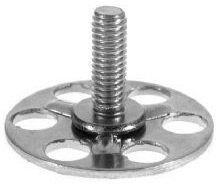
For transportation engineers and manufacturers seeking reliable lightweight fastening solutions, BigHead Bonding Fasteners represent the gold standard in engineered joining technology. Available through Hall-Fast, these specialized components incorporate several advanced design features ideal for weight-sensitive applications:
- Transportation-Optimized Materials
BigHead lightweight fasteners utilize materials specifically selected for weight-sensitive applications:
- Aerospace-Grade Aluminum Alloys: Offering exceptional strength-to-weight ratio
- High-Performance Stainless Variants: Providing corrosion resistance with reduced mass
- Titanium Options: Delivering extreme strength with minimal weight penalty
- Specialized Composite Versions: Utilizing fibre-reinforced materials where appropriate
- Application-Specific Alloys: Engineered for particular transportation requirements
These material selections ensure minimal weight addition while maintaining the structural performance demanded in transportation applications.
- Weight-Minimized Design Features
The specialized design provides crucial advantages for transportation weight reduction:
- Material-Removed Profiles: Eliminating non-essential mass from the structure
- Tapered Thickness Distribution: Placing material only where structurally required
- Hollow Section Options: Creating internal void spaces where appropriate
- Edge-Optimized Geometries: Minimizing material at non-critical boundaries
- Load-Path Engineered Forms: Directing forces through minimal material
This design approach ensures every gram of fastener weight delivers maximum structural value, supporting aggressive vehicle weight reduction targets.
- Transportation Material Compatibility
A critical advantage of BigHead lightweight bonding fasteners is their exceptional compatibility with modern transportation materials:
- Carbon Fiber Integration: Creating secure attachments to CFRP without fibre damage
- Aluminum Structure Compatibility: Preventing galvanic issues with appropriate isolation
- Composite Panel Fastening: Securing sandwich constructions without core crushing
- Thermoplastic Component Connection: Attaching to materials unsuitable for mechanical fasteners
- Multi-Material Junction Creation: Facilitating diverse material combinations
This material versatility makes these fasteners essential for transportation manufacturers working with advanced lightweight materials where conventional fastening methods prove inadequate or damaging.
- Transportation Process Advantages
Beyond performance benefits, lightweight bonding fasteners deliver significant production advantages:
- Pre-Integration Capability: Installing during component fabrication for streamlined assembly
- Single-Side Access Installation: Eliminating need for rear access in confined spaces
- Reduced Process Steps: Combining attachment and sealing functions
- Non-Destructive Application: Preserving expensive material integrity without drilling
- Automation Compatibility: Supporting advanced manufacturing methods
These process benefits translate directly to reduced production costs and improved output quality for transportation manufacturers.
Transportation Sector Applications for Lightweight Bonding Fasteners
Lightweight bonding fasteners from Hall-Fast serve diverse applications across transportation sectors:
Automotive and Commercial Vehicles
Modern automotive manufacturing utilizes lightweight bonding fasteners extensively:
- Body Panel Attachment: Securing aluminum, composite, or plastic exterior components
- Interior Trim Installation: Creating clean connections with minimal added weight
- Under-Hood Component Mounting: Attaching control modules and accessories
- Acoustic Treatment Fastening: Securing sound insulation without penetrations
- Electric Vehicle Battery Structure: Creating secure yet lightweight battery module connections
The combination of weight reduction, structural integrity, and production efficiency makes these fasteners increasingly common in volume automotive manufacturing.
Aerospace and Aviation
The aerospace sector represents one of the most established applications for lightweight bonding fasteners:
- Interior Panel Mounting: Securing cabin components with minimal mass addition
- Composite Skin Attachment: Creating connections without damaging carbon fibre
- Equipment Rack Installation: Mounting systems with optimized load distribution
- Wire Harness Routing: Creating lightweight attachment points for electrical distribution
- Acoustic and Thermal Insulation Securing: Attaching environmental management systems
The extreme weight sensitivity and rigorous certification requirements make these fasteners particularly valuable in aviation applications.
Rail Vehicle Manufacturing
Train and tram manufacturers utilize lightweight bonding fasteners for multiple advantages:
- Interior Panel Construction: Building lightweight passenger compartments
- Floor System Installation: Creating secure yet vibration-isolated connections
- Ceiling Structure Attachment: Mounting overhead components with minimal added weight
- Equipment Housing Installation: Securing technical components throughout carriages
- External Fairings and Cosmetic Elements: Attaching aerodynamic and aesthetic components
The dual requirements for weight reduction and exceptional durability make these fasteners increasingly important in modern rolling stock manufacturing.
Marine and Shipbuilding
The marine sector benefits from lightweight bonding fasteners in numerous applications:
- Interior Accommodation Construction: Building lightweight cabin systems
- Deck Hardware Installation: Mounting fittings without hull penetration
- Console and Control Panel Mounting: Securing instrumentation with clean aesthetics
- Structural Reinforcement: Adding targeted strengthening with minimal weight penalty
- Equipment Mounting: Creating secure attachment for systems and accessories
The combination of weight sensitivity and corrosion resistance makes these fasteners particularly valuable in performance marine applications.
Performance Advantages for Transportation Applications
- Weight Reduction Benefits
Lightweight bonding fasteners deliver significant mass reduction compared to traditional methods:
- Direct Component Weight Savings: Typically 40-70% lighter than conventional fasteners
- Secondary Structure Optimization: Enabling thinner, lighter panels and supports
- Elimination of Reinforcement Requirements: Removing the need for additional structure around fastening points
- Material Thickness Reduction: Permitting thinner substrates with distributed loading
- Comprehensive System Lightweighting: Contributing to overall vehicle mass reduction
These weight advantages translate directly to improved vehicle efficiency, performance, and operating economics across all transportation sectors.
- Structural Performance Enhancement
The engineered approach behind lightweight bonding fasteners delivers measurable structural benefits:
- Improved Load Distribution: Spreading forces to prevent material failure
- Enhanced Fatigue Resistance: Reducing cyclical stress concentration
- Superior Vibration Dampening: Absorbing and isolating mechanical energy
- Noise Reduction: Minimizing structure-borne sound transmission
- Crash Energy Management: Contributing to controlled deformation in impact scenarios
These structural advantages often allow lightweight bonding fasteners to outperform heavier traditional alternatives in critical transportation applications.
- Production and Lifecycle Advantages
Beyond technical performance, lightweight bonding fasteners create significant practical benefits:
- Manufacturing Process Simplification: Reducing drilling, hole preparation, and secondary operations
- Assembly Time Reduction: Streamlining production with fewer components and operations
- Maintenance Requirement Minimization: Eliminating corrosion-prone joints and connections
- Repair Simplification: Facilitating damaged component replacement
- End-of-Life Considerations: Supporting material separation for recycling
These practical advantages help transportation manufacturers improve production efficiency while enhancing product quality and lifecycle performance.
Implementation Guidance for Transportation Engineers
To maximize the benefits of lightweight bonding fasteners in transportation applications, engineers should consider several implementation factors:
- Design Phase Integration
Early incorporation of bonding fastener technology yields the greatest benefits:
- Load Analysis and Fastener Selection: Matching specifications to application requirements
- Material Compatibility Assessment: Ensuring appropriate combinations for performance
- Environmental Exposure Evaluation: Considering operating conditions for durability
- Weight Distribution Analysis: Understanding impact on overall vehicle dynamics
- Assembly Sequence Planning: Determining optimal installation timing in production
This early planning ensures designs take full advantage of lightweight bonding fastener capabilities while addressing the practical realities of vehicle production and operation.
- Validation and Testing Approaches
Thorough validation ensures lightweight bonding fasteners meet transportation performance requirements:
- Static Load Testing: Verifying strength under steady-state conditions
- Dynamic Load Analysis: Confirming performance under vibration and cyclic loading
- Environmental Exposure Testing: Validating durability in operating conditions
- Crash and Impact Simulation: Assessing behaviour in safety-critical scenarios
- Accelerated Aging Assessment: Predicting long-term performance through simulation
These validation approaches provide the data needed for confident implementation in safety-critical transportation applications.
- Manufacturing Process Development
Proper production processes are critical for optimal performance:
- Surface Preparation Standards: Establishing appropriate cleaning and treatment protocols
- Environmental Control Parameters: Managing temperature, humidity, and contamination
- Adhesive Selection Criteria: Choosing appropriate systems for specific applications
- Curing Management: Implementing appropriate time, temperature, and pressure conditions
- Quality Verification Methods: Developing effective inspection techniques
Following established best practices ensures reliable, consistent performance in volume transportation manufacturing environments.
Sourcing Quality Lightweight Bonding Fasteners for Transportation
Hall-Fast has established itself as a premier supplier of lightweight bonding fasteners to transportation manufacturers. As an industrial supplier serving customers nationwide and globally, Hall-Fast offers several distinct advantages:
- Transportation Industry Knowledge: Understanding the unique requirements of vehicle manufacturing
- Comprehensive Product Range: Offering variants optimized for different transportation applications
- Technical Support Capability: Providing application guidance and problem-solving assistance
- Quality Assurance: Supplying fully certified products with appropriate documentation
- Responsive Service: Supporting production schedules with reliable supply
For more information about lightweight bonding fasteners for your specific transportation applications, contact Hall-Fast to discuss your requirements with their knowledgeable team. Their extensive range of high-quality fastening solutions ensures you'll find the right lightweight bonding fasteners for your vehicle weight reduction challenges.
Case Study: Performance Automotive Manufacturer
A manufacturer of high-performance sports cars faced significant challenges with their interior trim attachment approach:
Challenges:
- Weight reduction targets required elimination of conventional fasteners
- Premium interior aesthetics demanded invisible attachment methods
- Mixed material construction created traditional fastening difficulties
- Production efficiency needed improvement to meet delivery schedules
- Vehicle performance specifications required every possible gram reduction
Solution: The company implemented BigHead lightweight bonding fasteners from Hall-Fast, strategically positioned during the composite panel manufacturing process.
Results:
- Reduced fastening system weight by 63% compared to conventional methods
- Achieved completely invisible attachment supporting premium aesthetics
- Successfully integrated carbon fibre, aluminum, and leather materials
- Decreased assembly time by 40% through simplified installation process
- Contributed to overall vehicle weight reduction enabling performance targets
This real-world example demonstrates the transformative potential of lightweight bonding fasteners in premium transportation applications.
Future Trends in Transportation Fastening Technology
As vehicle design continues to evolve, lightweight fastening systems advance alongside other components:
- Ultra-Lightweight Material Development: Even higher strength-to-weight ratio compositions
- Multi-Functional Integration: Combining structural fastening with electrical or data connectivity
- Additive Manufacturing Compatibility: 3D-printed fastener systems for ultimate customization
- Smart Monitoring Integration: Embedded sensors for structural health monitoring
- Sustainability Enhancement: Improved environmental profiles and recyclability
Forward-thinking transportation manufacturers who embrace these advanced joining technologies position themselves advantageously for the next generation of vehicle development.
Conclusion: Advancing Transportation Through Superior Lightweight Fastening Technology
For engineers and manufacturers working across transportation sectors, lightweight bonding fasteners represent a critical technology that addresses the fundamental challenge of reducing vehicle mass while maintaining structural performance. By minimizing fastener weight, optimizing load distribution, and enabling the use of advanced materials, these innovative components contribute significantly to the efficiency, performance, and sustainability goals driving modern vehicle design.
BigHead lightweight bonding fasteners, available through Hall-Fast, offer transportation professionals a proven solution that delivers exceptional weight reduction while ensuring structural integrity and production efficiency. Whether for automotive applications, aerospace components, rail vehicles, or marine craft, these specialized fasteners provide advantages that conventional joining methods simply cannot match in weight-sensitive transportation applications.
By implementing appropriate lightweight bonding fastener technology, vehicle manufacturers can achieve improved efficiency, enhanced performance, simplified production, and superior structural integration—all contributing to competitive advantage in transportation markets where weight optimization is increasingly critical.
Hall-Fast - Your Trusted Supplier for Lightweight Bonding Fasteners for Transportation