The modern industrial landscape demands sophisticated storage solutions that can adapt to evolving operational requirements while maintaining the highest standards of safety, efficiency, and compliance. As UK manufacturing and industrial sectors continue to embrace lean principles, automated systems, and enhanced safety protocols, the need for specialized storage equipment has never been more critical. Industrial storage solutions encompass far more than simple shelving systems, extending to complex integrated storage networks that support everything from raw material management to finished goods distribution, hazardous substance containment, and specialized equipment storage.
Understanding the complexities of industrial storage procurement requires appreciation of the diverse operational contexts in which these systems must function. From heavy manufacturing facilities handling bulky materials to precision engineering environments requiring contamination-free storage, each industrial application presents unique challenges that demand tailored storage solutions. The integration of storage systems with material handling equipment, inventory management systems, and safety protocols creates additional layers of complexity that require specialized expertise and comprehensive planning.
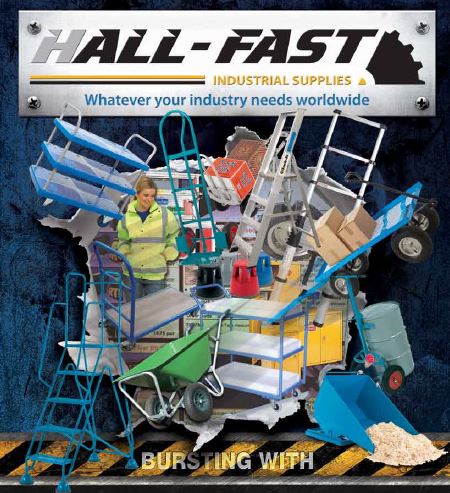
Hall-Fast's extensive experience in providing industrial and commercial equipment across diverse sectors positions them as a leading supplier of comprehensive storage solutions. Their nationwide and worldwide supply capabilities ensure reliable access to quality storage systems regardless of facility location or operational requirements. This comprehensive guide explores the critical considerations, technology options, and strategic approaches that support successful industrial storage implementation across the UK's diverse industrial sectors.
Understanding Industrial Storage Requirements
Industrial storage requirements have evolved significantly beyond simple material containment to encompass complex operational support systems that integrate with manufacturing processes, inventory management protocols, and safety compliance frameworks. Modern industrial facilities require storage solutions that can adapt to changing operational demands while maintaining consistent performance under demanding conditions.
Manufacturing operations create diverse storage requirements that vary significantly based on production methods, material characteristics, and operational workflows. Heavy manufacturing facilities may require robust storage systems capable of supporting substantial load capacities while maintaining accessibility for material handling equipment. Precision manufacturing environments may emphasize contamination control, environmental stability, and organized storage systems that support quality control processes.
Inventory management considerations significantly influence storage system design and selection, with modern facilities often requiring integration between physical storage systems and digital inventory tracking technologies. Automated storage and retrieval systems, barcode scanning capabilities, and real-time inventory monitoring systems create requirements for storage solutions that can accommodate advanced technology integration while maintaining operational flexibility.
Safety and compliance requirements create additional storage system considerations, particularly in facilities handling hazardous materials, operating under strict regulatory oversight, or maintaining specialized environmental conditions. These requirements may necessitate specialized storage solutions that provide enhanced containment, monitoring capabilities, or environmental controls beyond conventional storage systems.
Workflow optimization objectives increasingly influence storage system design, with modern facilities emphasizing storage solutions that minimize material handling time, reduce operational complexity, and support lean manufacturing principles. Storage systems that integrate effectively with material handling equipment, support efficient picking operations, and minimize travel distances contribute significantly to overall operational efficiency.
Heavy-Duty Storage Systems for Manufacturing
Manufacturing environments present some of the most demanding storage requirements in industrial settings, requiring systems that can withstand substantial loads while maintaining long-term structural integrity under intensive operational conditions. Heavy-duty storage systems must balance load capacity requirements with accessibility needs, space utilization efficiency, and integration with material handling equipment.
Pallet racking systems represent the foundation of most industrial storage operations, providing systematic storage solutions for palletized materials while supporting efficient material handling operations. The selection of appropriate pallet racking systems requires careful analysis of load requirements, facility dimensions, material handling equipment compatibility, and future expansion possibilities. Modern pallet racking systems can accommodate substantial load capacities while providing flexible configuration options that adapt to changing operational requirements.
Cantilever racking systems provide specialized storage solutions for long, bulky materials that cannot be effectively stored using conventional pallet racking systems. These systems are particularly valuable in facilities handling structural materials, piping, lumber, or other elongated items that require specialized storage approaches. The design of cantilever systems must account for load distribution, material handling requirements, and safety considerations related to storing lengthy materials.
Mezzanine storage systems offer opportunities to maximize vertical space utilization in facilities with adequate ceiling height, creating additional storage capacity without requiring facility expansion. These systems can support various storage configurations while providing safe access through integrated stairway and platform systems. The design and installation of mezzanine storage systems require careful consideration of structural requirements, safety compliance, and integration with existing facility systems.
Mobile storage systems provide space-efficient solutions for facilities with limited floor space or changing storage requirements. These systems can significantly increase storage density while maintaining accessibility through mechanical or powered movement systems. Mobile storage applications require careful evaluation of floor loading capacity, safety systems, and operational procedures to ensure safe and efficient operation.
Specialized Storage for Hazardous Materials
The storage of hazardous materials creates unique requirements that extend far beyond conventional storage considerations to encompass specialized safety systems, regulatory compliance, and environmental protection measures. Hazardous material storage solutions must provide appropriate containment while supporting safe handling operations and maintaining compliance with complex regulatory frameworks.
Chemical storage systems require specialized construction materials, ventilation systems, and safety features that address the specific hazards associated with different chemical categories. Flammable materials may require explosion-proof electrical systems and specialized fire suppression capabilities, while corrosive chemicals demand storage systems constructed from resistant materials with appropriate containment features. The design of chemical storage systems must consider both individual chemical hazards and potential interaction effects between different stored materials.
ASECOS provides world-class safety storage solutions specifically designed for hazardous materials, offering comprehensive systems that meet stringent safety and regulatory requirements. Their specialized storage cabinets, ventilation systems, and safety accessories provide complete solutions for facilities requiring compliant hazardous material storage. ASECOS products combine advanced safety features with user-friendly operation, ensuring that hazardous materials can be stored and accessed safely while maintaining regulatory compliance.
Flammable liquid storage requires specialized systems that provide appropriate fire protection while supporting safe handling operations. These systems must incorporate features such as automatic closing mechanisms, explosion relief systems, and integrated fire suppression capabilities. The selection of flammable liquid storage systems requires careful consideration of storage quantities, facility fire protection systems, and regulatory requirements established by local authorities and insurance providers.
Compressed gas storage presents unique challenges related to pressure containment, leak detection, and safety system integration. Specialized storage systems for compressed gases must provide appropriate restraint systems, ventilation capabilities, and safety monitoring features while supporting safe cylinder handling operations. The design of compressed gas storage areas must consider both routine operational requirements and emergency response procedures.
Environmental monitoring and containment systems become essential components of hazardous material storage solutions, providing continuous monitoring of storage conditions while containing potential spills or leaks. These systems may include atmospheric monitoring, leak detection, and automated response capabilities that ensure immediate detection and response to storage system failures or environmental releases.
Warehouse and Distribution Storage Solutions
Warehouse and distribution operations require storage solutions that optimize space utilization while supporting efficient order fulfillment operations. These environments often handle diverse product mixes with varying storage requirements, creating complex procurement challenges that require systematic analysis of operational workflows and storage optimization strategies.
Order picking systems represent critical components of distribution storage solutions, requiring careful integration between storage systems and picking operations to minimize travel time and maximize picking efficiency. Modern picking systems may incorporate technologies such as pick-to-light systems, voice-directed picking, or automated picking systems that require compatible storage system designs.
Multi-tier storage systems provide opportunities to maximize vertical space utilization in distribution facilities while supporting efficient picking operations at multiple levels. These systems require careful consideration of access requirements, safety systems, and material handling equipment compatibility to ensure safe and efficient operation across all storage levels.
Automated storage and retrieval systems (AS/RS) offer advanced solutions for high-volume distribution operations, providing precise inventory control while minimizing labor requirements for routine storage and retrieval operations. These systems require significant capital investment but can provide substantial operational advantages in facilities with appropriate volume and operational characteristics.
Flow-through storage systems support efficient distribution operations by providing gravity-fed storage solutions that automatically advance products to picking positions. These systems are particularly effective for high-turnover items and can significantly reduce picking labor requirements while maintaining accurate inventory rotation.
Flexible storage systems that can adapt to changing product mixes and operational requirements provide valuable operational flexibility for distribution facilities serving diverse markets. Modular storage systems that can be reconfigured as operational requirements change help ensure long-term storage system effectiveness while minimizing the need for major system replacements.
Small Parts and Component Storage
Manufacturing and assembly operations often require specialized storage solutions for small parts and components that must be organized, protected, and easily accessible for production operations. These storage requirements create unique challenges related to organization, identification, and inventory management that require specialized storage approaches.
Bin storage systems provide systematic organization for small parts while supporting efficient picking operations and inventory management. These systems can accommodate diverse part sizes and shapes while providing clear identification and easy access for production operations. Modern bin storage systems often incorporate barcode scanning capabilities and digital inventory management integration.
Drawer storage systems offer secure, organized storage for small parts and tools while providing protection from environmental contaminants and unauthorized access. These systems are particularly valuable for storing precision components, tools, or materials that require controlled access and environmental protection.
Automated dispensing systems provide advanced solutions for small parts storage and distribution, offering precise inventory control while minimizing handling requirements. These systems can automatically dispense predetermined quantities of parts while maintaining accurate inventory records and providing usage tracking capabilities.
Modular storage systems that can be reconfigured as production requirements change provide valuable flexibility for facilities with evolving part storage needs. These systems can accommodate changing part mixes and production volumes while maintaining organized storage and efficient access.
Outdoor and Weather-Resistant Storage
Industrial operations often require storage solutions that can withstand outdoor environmental conditions while maintaining material protection and accessibility. Outdoor storage systems must address weather protection, security requirements, and material handling considerations while providing cost-effective storage alternatives to indoor facilities.
Weather-resistant storage buildings provide comprehensive protection for materials that cannot be stored in open outdoor conditions but do not require full indoor facility protection. These buildings can provide controlled environments for sensitive materials while offering cost advantages compared to conventional building construction.
Container storage systems offer flexible, secure storage solutions that can be easily relocated or reconfigured as operational requirements change. These systems provide weather protection and security while supporting efficient material handling operations through appropriate access configurations.
Canopy storage systems provide weather protection for materials that do not require full enclosure while maintaining accessibility for material handling equipment. These systems can provide cost-effective storage expansion while protecting materials from precipitation and UV exposure.
Outdoor storage accessories including cycle shelters, seating areas, and smoking shelters provide additional facility support while maintaining weather protection and professional appearance. These accessories contribute to overall facility functionality while supporting employee needs and regulatory compliance.
Technology Integration and Smart Storage
Modern storage systems increasingly incorporate advanced technologies that enhance operational efficiency while providing improved inventory management and system monitoring capabilities. Understanding these technological opportunities helps identify storage solutions that provide both immediate operational benefits and long-term strategic advantages.
Inventory management system integration enables real-time tracking of stored materials while providing accurate inventory data for production planning and procurement decisions. These systems can automatically update inventory records as materials are stored or retrieved, providing accurate inventory information without manual data entry requirements.
Barcode and RFID integration provides automated identification and tracking capabilities that support efficient inventory management while reducing manual data entry requirements. These technologies can significantly improve inventory accuracy while providing detailed usage tracking and audit capabilities.
Environmental monitoring systems provide continuous monitoring of storage conditions while alerting operators to environmental changes that could affect stored materials. These systems are particularly valuable for materials sensitive to temperature, humidity, or other environmental factors that could affect product quality or safety.
Security system integration provides comprehensive monitoring and access control capabilities that protect stored materials while providing audit trails for security and compliance purposes. These systems can integrate with facility security systems while providing specialized monitoring capabilities for high-value or sensitive materials.
Compliance and Safety Considerations
Industrial storage systems must comply with comprehensive regulatory frameworks that encompass safety, environmental, and operational requirements. Understanding these compliance requirements helps ensure that storage systems meet all applicable standards while providing safe and efficient operational support.
Structural safety requirements for industrial storage systems must address load capacity, seismic considerations, and structural integrity under various loading conditions. These requirements often exceed general building codes due to the concentrated loads and specialized operational requirements of industrial storage systems.
Fire safety compliance for storage systems requires consideration of fire suppression capabilities, emergency access requirements, and material combustibility factors. Storage systems handling flammable materials may require specialized fire protection systems and enhanced safety features that exceed general storage requirements.
Occupational safety requirements address access safety, material handling safety, and emergency response procedures for storage systems. These requirements may include safety barriers, emergency lighting, and specialized safety equipment that supports safe operation and emergency response.
Environmental compliance requirements may address containment capabilities, ventilation requirements, and waste management procedures associated with storage operations. Storage systems handling hazardous materials must incorporate appropriate containment and monitoring capabilities to ensure environmental protection.
Cost Management and Value Optimization
Effective cost management for industrial storage systems requires comprehensive analysis of total cost of ownership while considering operational benefits, safety improvements, and long-term value creation. Strategic approaches to storage system procurement can optimize both initial costs and long-term operational efficiency.
Life-cycle cost analysis provides valuable insights into storage system economics by considering initial costs, operational expenses, maintenance requirements, and eventual replacement costs. This analysis often reveals that higher-quality storage systems provide superior long-term value despite higher initial costs.
Modular system approaches can provide cost advantages by allowing incremental expansion and reconfiguration as operational requirements change. These approaches can reduce initial capital requirements while providing flexibility to adapt to changing operational needs without requiring complete system replacement.
Lease and rental options may provide advantages for temporary storage requirements or situations where capital availability is limited. These arrangements can provide access to high-quality storage systems while managing cash flow requirements and maintenance responsibilities.
Standardization across multiple facilities or applications can provide cost advantages through volume purchasing while simplifying maintenance and operational procedures. Companies like Hall-Fast can provide comprehensive standardization support through their extensive product range and technical expertise.
Future Trends and Innovation
The industrial storage sector continues to evolve through technological advancement, changing operational requirements, and emerging sustainability considerations. Understanding these trends helps identify opportunities for strategic storage system investments that provide both immediate benefits and long-term competitive advantages.
Automation integration will continue to expand, with storage systems increasingly incorporating robotic systems, artificial intelligence, and advanced material handling technologies. These advances will provide enhanced operational efficiency while reducing labor requirements and improving inventory accuracy.
Sustainability considerations are becoming increasingly important, with storage systems incorporating recycled materials, energy-efficient designs, and end-of-life recycling capabilities. These considerations may influence supplier selection and system design while supporting corporate sustainability objectives.
Flexible and adaptable systems will become increasingly valuable as operational requirements continue to evolve rapidly. Storage systems that can be easily reconfigured, expanded, or adapted to new applications will provide significant advantages in dynamic operational environments.
Advanced materials and construction techniques will continue to improve storage system performance while potentially reducing costs through enhanced durability and reduced maintenance requirements. These advances may enable new storage system designs that provide superior performance in challenging operational environments.
The selection and implementation of industrial storage solutions represents a critical strategic decision that impacts operational efficiency, safety compliance, and long-term competitiveness. Success in this complex procurement area requires understanding the diverse operational requirements, technological options, and strategic considerations that influence storage system effectiveness.
Hall-Fast's comprehensive industrial equipment offerings, including specialized shelving and storage solutions, provide valuable resources for facilities seeking to optimize their storage operations. Their expertise in challenging environments, combined with their nationwide supply capabilities and commitment to customer support, positions them as ideal partners for developing comprehensive storage solutions.
The investment in appropriate storage systems directly impacts operational efficiency, safety performance, and competitive positioning in today's demanding industrial environment. By selecting suitable storage solutions, developing strong supplier partnerships, and maintaining focus on both immediate operational needs and long-term strategic objectives, industrial facilities can create storage systems that support both current operations and future growth.
For facilities seeking to evaluate their storage requirements and explore available solutions, engaging with experienced suppliers who understand the unique challenges of industrial environments provides the foundation for successful storage system implementation. Companies with proven track records, comprehensive product offerings, and technical expertise can provide the guidance and resources necessary to develop effective storage solutions that serve both immediate operational needs and long-term strategic objectives.
To explore comprehensive storage solutions for your industrial operations, contact Hall-Fast through their contact page or visit their facilities to discuss specific requirements and implementation strategies. Their team of specialists can provide detailed consultation on storage system design, implementation, and ongoing support to ensure optimal operational results.