In modern industrial environments, safe and efficient material handling is crucial for operational productivity, worker safety, and regulatory compliance. Despite increasing automation, manual handling equipment remains essential across UK manufacturing, warehousing, distribution, and retail operations for moving materials, products, and components throughout facilities.
For health and safety managers, operations directors, and procurement specialists, selecting appropriate manual handling equipment requires balancing numerous factors, including specific handling requirements, workplace constraints, user ergonomics, and regulatory obligations. This comprehensive guide explores the essential considerations for UK businesses when selecting manual handling equipment for various applications.
Understanding the Strategic Importance of Manual Handling Equipment
Before examining specific equipment options, it's important to recognize the multifaceted benefits proper handling solutions provide:
Injury Prevention and Risk Reduction
Proper handling equipment directly impacts workplace safety:
- Reduction in musculoskeletal disorders from lifting and carrying
- Decreased strain injuries through mechanical advantage
- Prevention of crushing and impact injuries
- Reduction in slip, trip and fall incidents during material movement
Operational Efficiency Enhancement
Appropriate handling solutions improve productivity:
- Faster material movement with reduced physical effort
- Decreased downtime from handling-related injuries
- Improved process flow through optimized material movement
- Enhanced capacity for handling larger or heavier items
Regulatory Compliance Assurance
Handling equipment helps meet UK legal requirements:
- Manual Handling Operations Regulations 1992 compliance
- Health and Safety at Work Act obligations
- Provision and Use of Work Equipment Regulations (PUWER)
- Workplace (Health, Safety and Welfare) Regulations
Product and Material Protection
Proper handling reduces damage and waste:
- Decreased product damage from improper manual handling
- Reduced risk of dropped or mishandled items
- Controlled movement preventing impacts and collisions
- Appropriate support preventing material deformation
"Manual handling equipment represents far more than convenience—it's a critical investment in both worker wellbeing and operational efficiency," explains Malcolm Hall, Managing Director at Hall-Fast. "The right handling solutions prevent injuries, improve productivity, and help ensure regulatory compliance across industrial operations."
Essential Categories of Manual Handling Equipment
The diverse material handling challenges in industrial environments require specialized equipment types:
Lifting and Lowering Equipment
These solutions assist with vertical movement of materials:
Manual Lift Tables
- Scissor mechanisms providing adjustable height working surfaces
- Available in various capacities from light-duty to heavy industrial
- Often include tilt functionality for ergonomic access
- Range from mobile units to fixed workstation installations
Floor and Pallet Cranes
- Manually operated jib and gantry systems
- Counter-balanced designs for reaching into machinery
- Folding and collapsible options for storage when not in use
- Workshop-focused solutions for maintenance operations
Manual Hoists and Pulley Systems
- Chain and lever hoists for vertical lifting
- Rope and pulley systems for lighter applications
- Manual winches for controlled lifting and lowering
- Available with various mounting options and reaches
Specialized Lifting Devices
- Drum handling equipment for safe barrel movement
- Reel handling systems for cable and wire management
- Component-specific lifters for engines, machinery parts
- Manual vacuum lifters for non-porous materials
Transport and Movement Equipment
These tools facilitate horizontal movement of materials:
Hand Trucks and Sack Trucks
- Basic vertical handle designs for box and case movement
- Stair-climbing variants with triple wheels or tracks
- Specialized designs for appliances, gas cylinders, or kegs
- Folding options for storage and transport efficiency
Platform Trucks and Trolleys
- Flat platforms with handles for general material transport
- Various sizes from small shop floor to large warehouse units
- Specialized configurations for specific cargo types
- Often including braking systems for safety on inclines
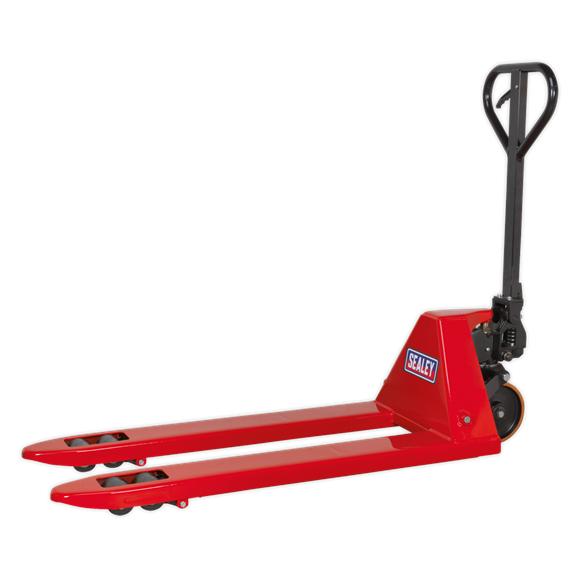
Manual Pallet Trucks
- Basic hydraulic pump action for pallet movement
- High-lift variants for elevated work positions
- Low-profile designs for specialized pallet configurations
- Scales-integrated options for simultaneous weighing
Specialized Transport Carts
- A-frame carts for sheet materials and glass
- Panel and board movers for construction materials
- Furniture and mattress dollies for bulky items
- Multi-level picking carts for order fulfilment
Manual Handling Accessories
These supplementary tools enhance handling safety and efficiency:
Load Moving Skates
- Roller systems for heavy machinery movement
- Typically used in sets for distributing weight
- Available in various capacities from 1 to 100+ tonnes
- Sometimes including steering functionality
Lifting Straps and Slings
- Manual lifting aids improving grip and posture
- Furniture movers' straps with harness systems
- Team lifting solutions distributing weight between workers
- Specialized slings for awkward item handling
Manual Turntables
- Rotating platforms for accessing all sides of items
- Ball transfer tables for multi-directional movement
- Height-adjustable variants combining with lift tables
- Ranging from light-duty to heavy industrial applications
Anti-Slip and Friction Reduction Tools
- Roller balls for changing direction of heavy items
- Slide sheets for reduced friction movement
- Anti-slip mats preventing load shifting
- Wedges and stabilizers for secure positioning
Specialized Industry-Specific Equipment
Various sectors require purpose-designed handling solutions:
Construction Material Handlers
- Plasterboard lifters and carriers
- Kerb and paving stone handling tools
- Block and brick carrying clamps
- Flooring material transport systems
Retail and Distribution Equipment
- Stock picking trolleys with multiple shelves
- Roll cage handlers for retail logistics
- Display movement equipment for store layouts
- Package and parcel handling carts
Manufacturing Component Handlers
- Parts tote trolleys for production lines
- Specialized jigs for assembly movement
- Custom fixtures for product-specific handling
- Bin tippers for bulk material handling
Office and Facility Management Tools
- Furniture movers and transport dollies
- Electronic equipment carts with security features
- Document and file transport trolleys
- Facility maintenance material handlers
"The diversity of manual handling equipment reflects the wide range of handling challenges across industries," notes Hall. "From simple hand trucks to specialized lifting devices, each tool has been developed to address specific handling requirements while minimizing risk and maximizing efficiency."
Critical Factors in Manual Handling Equipment Selection
Several key considerations should guide equipment selection:
Task and Load Analysis
Understanding specific handling requirements is essential:
Load Characteristics
- Weight and weight distribution of typical items
- Dimensions, shape, and awkwardness factors
- Fragility and special handling requirements
- Grip points and handling features
Movement Requirements
- Distance and frequency of movement
- Vertical lift height requirements
- Manoeuvring space constraints
- Surface conditions affecting movement
Process Integration
- Workflow and process sequence considerations
- Interaction with other handling systems
- Storage requirements when not in use
- Multi-purpose vs. specialized equipment needs
User Diversity
- Range of personnel using the equipment
- Skill and training levels of operators
- Physical capabilities of the workforce
- Single vs. multi-person operation requirements
Workplace Environmental Factors
The operating environment significantly impacts equipment suitability:
Space Constraints
- Aisle widths and turning radiuses
- Doorway and access point dimensions
- Storage space for equipment when not in use
- Height restrictions affecting overhead equipment
Surface Conditions
- Floor types and conditions (concrete, tile, grating)
- Transitions between different flooring materials
- Ramps, slopes, and level changes
- Potential obstacles and hazards in travel paths
Environmental Exposures
- Indoor vs. outdoor operation
- Temperature extremes affecting materials and operation
- Moisture, dust, or corrosive conditions
- Clean room or hygiene requirements
Operational Context
- Proximity to other operations and equipment
- Background noise affecting communication during use
- Lighting conditions for safe operation
- Presence of pedestrians or other traffic
Equipment Design and Quality Factors
Physical characteristics determine performance and longevity:
Construction Materials
- Steel vs. aluminium vs. composite construction
- Corrosion resistance for specific environments
- Weight considerations for mobility and use
- Impact and abuse resistance
Load Capacity and Safety Factors
- Safe working load ratings appropriate for application
- Safety factors accounting for dynamic forces
- Stability during operation under load
- Failure mode considerations
Wheel and Caster Selection
- Appropriate diameter for floor conditions
- Material suitability (rubber, polyurethane, steel)
- Bearing quality for rolling resistance
- Swivel vs. fixed configuration for control
Ergonomic Design Features
- Handle positioning and adjustability
- Required force for operation
- Grip design and comfort
- User posture during operation
Regulatory and Best Practice Compliance
Various standards govern manual handling equipment:
UK Regulatory Requirements
- Compliance with Manual Handling Operations Regulations
- PUWER (Provision and Use of Work Equipment Regulations)
- LOLER (Lifting Operations and Lifting Equipment Regulations) where applicable
- Health and Safety at Work Act obligations
Industry Standards and Guidance
- HSE guidance and approved codes of practice
- BSI (British Standards Institution) specifications
- Industry-specific best practice guidance
- ISO and EN standards for specific equipment types
Risk Assessment Integration
- Supporting documented risk assessments
- Hierarchy of control implementation
- Reasonable practicability demonstrations
- Alignment with organizational safety policies
Training and Competence
- User training requirements for specific equipment
- Simplicity of operation reducing training burden
- Intuitive safety features reducing error potential
- Documentation and instruction clarity
Industry-Specific Applications and Solutions
Different sectors face unique manual handling challenges:
Manufacturing and Production
These environments typically require:
- Integration with production workflows
- Often specialized product-specific handling tools
- Durability in continuous use conditions
- Flexibility for changing production requirements
Common solutions include:
- Custom material handling carts for specific components
- Height-adjustable workstation lift tables
- Inter-process transport trolleys
- Manual turntables for assembly access
Warehousing and Distribution
These logistics-focused operations need:
- High-efficiency solutions for rapid movement
- Standardized handling for diverse product types
- Compatibility with storage systems
- Durability for continuous heavy use
Typical equipment includes:
- Manual pallet trucks for stock movement
- Order picking trolleys for fulfilment operations
- Platform trucks for consolidated loads
- Specialized case and carton handlers
Retail and Commercial
These customer-facing environments require:
- Equipment suitable for public-adjacent use
- Often compact storage when not in use
- Aesthetic considerations beyond pure function
- Quiet operation in customer environments
Standard solutions include:
- Stock room platform trucks and trolleys
- Display movement equipment
- Collapsible sack trucks for deliveries
- Multi-tier picking carts for restocking
Construction and Field Operations
These mobile work environments need:
- Portable solutions easily transported between sites
- Rugged construction for outdoor conditions
- Capability on uneven and unprepared surfaces
- Often specialized for construction-specific materials
Common equipment includes:
- All-terrain sack trucks with pneumatic tires
- Material-specific handling tools (plasterboard, pipe, timber)
- Folding and collapsible designs for vehicle transport
- Adjustable equipment for variable site conditions
Emerging Trends in Manual Handling Equipment
The material handling sector continues to evolve with several notable developments:
Enhanced Ergonomic Design
User-centered improvements include:
- Adjustable features accommodating diverse users
- Reduced force requirements through improved mechanics
- Better handle positioning based on biomechanical research
- Integration of push rather than pull movements
Hybrid Manual-Powered Solutions
Combining approaches for optimal results:
- Power-assisted manual equipment reducing effort
- Battery-assist options for inclines and heavier loads
- Manual equipment with motorized functions for specific movements
- Smart features automatically adjusting to load and conditions
Lightweight Advanced Materials
Material science advancements enabling:
- High-strength composites reducing equipment weight
- Advanced polymers with superior durability
- Aluminium alloys combining strength and corrosion resistance
- Carbon fibre components for specialized applications
Smart and Connected Features
Technology integration including:
- Load monitoring and overload prevention
- Usage tracking for maintenance scheduling
- Digital training guides and operation assistance
- Integration with facility management systems
Implementation Best Practices for Manual Handling Solutions
Beyond selection, successful implementation requires systematic approaches:
Comprehensive Assessment Process
Effective implementation starts with:
- Task analysis for specific handling operations
- Involvement of end-users in selection process
- Trial evaluation before full-scale implementation
- Integration with existing systems and processes
Training and Familiarization Programs
User competence requires:
- Formal training on equipment operation
- Clear instruction on weight limitations
- Practice sessions in actual work environments
- Refresher training and competence verification
Maintenance and Inspection Regimes
Ongoing performance depends on:
- Regular inspection schedules appropriate to usage
- Preventive maintenance of moving components
- Prompt repair of damage or wear
- Documentation of inspection and maintenance activities
Continuous Improvement Process
Sustaining benefits requires:
- Regular review of equipment suitability
- Feedback mechanisms from users
- Incident and near-miss investigation
- Periodic reassessment as operations change
Cost Considerations Beyond Purchase Price
When evaluating manual handling equipment, total cost of ownership extends beyond initial investment:
Injury Prevention Value
Safety benefits deliver financial returns:
- Reduction in manual handling injury claims
- Decreased lost time from handling incidents
- Lower insurance premiums through improved safety record
- Reduced staff turnover from improved working conditions
Productivity Impacts
Efficiency benefits include:
- Faster material movement increasing throughput
- Reduced fatigue improving sustained productivity
- Decreased damage reducing rework and waste
- Improved process flow enhancing overall efficiency
Equipment Longevity Factors
Durability considerations include:
- Expected service life in specific applications
- Maintenance requirements and associated costs
- Availability and cost of replacement parts
- Repair vs. replacement economics over time
Versatility and Adaptability Value
Flexibility benefits include:
- Multi-purpose equipment serving various functions
- Adaptability to changing operational requirements
- Redeployability as processes change
- Resale or residual value at end of need
Getting Expert Assistance with Manual Handling Equipment Selection
Given the complexity of manual handling challenges and the critical importance of appropriate equipment for both safety and efficiency, many UK businesses benefit from expert guidance. Working with knowledgeable suppliers can help navigate the often confusing array of options to find solutions that balance safety, efficiency, durability, and cost-effectiveness.
Hall-Fast offers comprehensive solutions for industrial manual handling equipment, including selection guidance, customization options, and implementation support. Their team understands the unique challenges faced by UK businesses and can help develop handling strategies tailored to specific operational requirements.
For additional assistance in selecting the right manual handling equipment for your specific applications, contact a specialist at Hall-Fast via sales@hall-fast.com or visit their industrial commercial equipment page for more information on available products and solutions.
With the right approach to manual handling equipment selection and implementation, UK businesses can achieve significant improvements in safety, efficiency, and regulatory compliance while protecting both workers and materials throughout their operations.