In modern industrial facilities, effective cleaning is far more than a matter of aesthetics—it's a critical component of operational efficiency, equipment longevity, safety compliance, and even product quality. As UK manufacturers, warehouses, and processing facilities face increasing pressure for operational excellence alongside stringent regulatory requirements, having the right industrial cleaning equipment has become a strategic necessity rather than a peripheral concern.
For facility managers and maintenance teams, navigating the complex landscape of industrial cleaning equipment options can be challenging, with technologies, methodologies, and requirements varying significantly across different industrial environments. This comprehensive guide explores the essential considerations for selecting, implementing, and optimizing industrial cleaning equipment for various facility requirements.
The Strategic Value of Proper Industrial Cleaning
Before examining specific equipment options, understanding the multifaceted benefits of effective industrial cleaning is critical:
Operational Reliability Impact
Proper cleaning directly affects equipment reliability through:
- Prevention of build-up that can cause mechanical failures
- Reduction of abrasive contaminants that accelerate wear
- Improved heat dissipation in clean equipment
- Early identification of leaks, cracks, or other issues during cleaning
Safety and Compliance Requirements
Cleaning is fundamental to workplace safety:
- Prevention of slip hazards from fluid leaks or residues
- Reduction of fire risks from accumulated combustible dusts
- Removal of hazardous material buildup
- Compliance with industry-specific hygiene regulations
Product Quality Assurance
In production environments, cleanliness directly impacts quality:
- Prevention of cross-contamination between production runs
- Reduction of defects caused by contaminants
- Maintenance of precise tolerances through cleanliness
- Consistency of product attributes through controlled environments
Workplace Environment and Productivity
Clean facilities demonstrate measurable productivity benefits:
- Enhanced worker morale and engagement
- Reduced respiratory issues and allergen exposure
- Improved visibility and safety
- Professional appearance for visitors and inspections
"Industrial cleaning equipment is truly an investment in operational excellence, not merely a maintenance expense," explains Malcolm Hall, Managing Director at Hall-Fast. "When facilities view cleaning strategically rather than as a routine chore, they make equipment decisions that optimize both cleaning effectiveness and resource efficiency."
Essential Categories of Industrial Cleaning Equipment
The diverse cleaning challenges in industrial environments require specialized equipment types:
Industrial Vacuum Systems
These powerful extraction systems address diverse cleaning challenges:
Dry Vacuum Systems
- Designed for dust, debris, and dry material collection
- Available in various power levels for different material types
- Often feature specialized filtration for particular contaminants
- Range from portable units to central vacuum systems
Wet/Dry Vacuum Systems
- Versatile for both liquid spills and solid debris
- Feature moisture-resistant components and protection systems
- Include separation systems for liquid and solid materials
- Often incorporate tank emptying mechanisms for efficiency
Specialized Industrial Vacuums
- ATEX-certified systems for explosive dust environments
- HEPA and ULPA filtration for hazardous materials
- Pneumatic systems for areas without electrical power
- Continuous duty designs for production environments
Central Vacuum Systems
- Permanent facility-wide installations with multiple inlet points
- High-capacity collection for large operations
- Reduced noise at the work point
- Often include automated filter cleaning systems
Pressure Washers and Cleaning Systems
These high-force cleaning systems remove stubborn contaminants:
Hot Water Pressure Washers
- Combine temperature and pressure for enhanced cleaning
- Particularly effective on oily or greasy surfaces
- Available in various temperature ranges for different applications
- Often include detergent injection systems
Cold Water Pressure Washers
- Higher pressure capabilities than hot water systems
- Lower operating costs and simpler maintenance
- Good for general debris and surface cleaning
- Often more portable than hot water systems
Steam Cleaners
- Provide deep sanitizing capabilities
- Use minimal water for moisture-sensitive environments
- Effective for heavily soiled surfaces and equipment
- Often include vacuum extraction for residue collection
Specialized Washing Systems
- Parts washers for component cleaning
- Cabinet washers for contained cleaning operations
- Conveyor cleaning systems for production equipment
- Custom-designed systems for specific applications
Floor Cleaning Equipment
Maintaining industrial floors requires specialized machines:
Sweepers
- Available in walk-behind, ride-on, and towed configurations
- Designed for collecting dust, debris, and lightweight materials
- Feature dust control systems to prevent airborne contamination
- Range from battery-powered to LPG or diesel for different environments
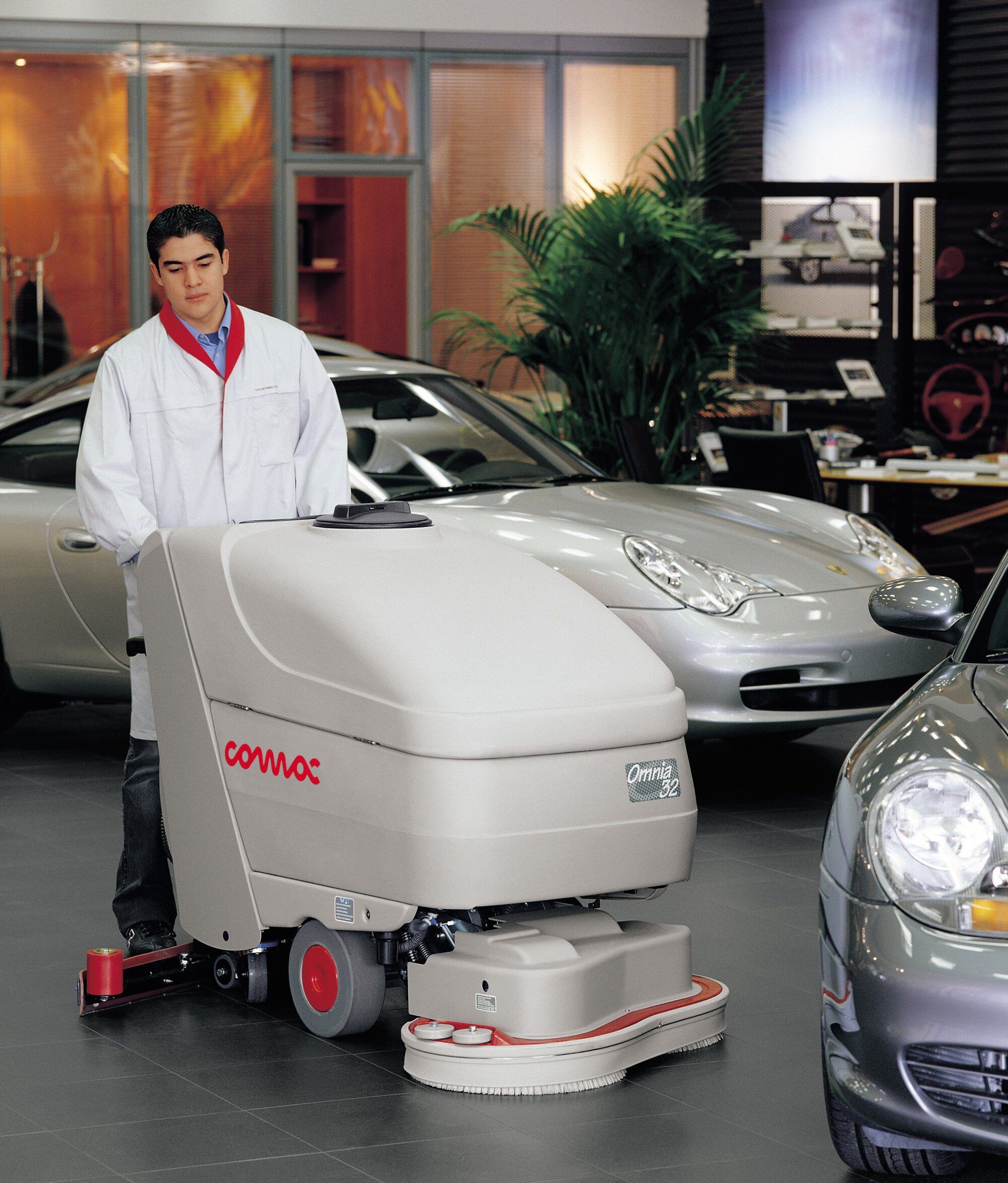
Scrubber-Driers
- Combined scrubbing and water extraction capabilities
- Available in various sizes for different facility requirements
- Often feature adjustable pressure settings for different soiling levels
- Include recovery systems for waste water management
Combination Machines
- Integrated sweeping and scrubbing capabilities
- Efficient for large areas with varied contamination
- Typically ride-on designs for operator efficiency
- Often include dust control and water recovery systems
Specialized Floor Equipment
- Concrete grinding and polishing machines
- Stripping machines for coating removal
- Explosion-proof designs for hazardous environments
- Autonomous robotic systems for routine cleaning
Specialty Cleaning Equipment
Various specialized applications require purpose-built equipment:
High-Level Cleaning Systems
- Telescopic poles and integrated vacuum systems
- Elevated work platform cleaning attachments
- Extended reach vacuum systems
- Specialized lighting fixture cleaning equipment
Confined Space Cleaning Tools
- Remote operation capabilities
- Compact designs for limited access
- Integrated air quality monitoring
- Safety-enhanced operation features
Sensitive Equipment Cleaning
- ESD-safe systems for electronics manufacturing
- Camera and vision system specialized cleaners
- CNC and precision machinery cleaning tools
- Clean room compatible equipment
"The right specialized equipment can transform challenging cleaning tasks from major operations to routine maintenance," notes Hall. "Investing in application-specific tools often delivers significant time savings and superior results compared to adapting general-purpose equipment."
Key Factors in Industrial Cleaning Equipment Selection
Several critical considerations should guide equipment selection decisions:
Application-Specific Requirements
Matching equipment to specific cleaning challenges requires evaluating:
Contaminant Characteristics
- Physical properties (sticky, abrasive, particulate, liquid)
- Chemical properties (corrosive, reactive, solvent-soluble)
- Hazard classification (explosive, toxic, irritant)
- Quantity and generation rate
Surface and Material Compatibility
- Chemical compatibility with cleaning agents
- Temperature tolerance of surfaces being cleaned
- Moisture sensitivity of equipment and surroundings
- Pressure and abrasion tolerance of materials
Environmental Constraints
- Available utilities (electricity, compressed air, water)
- Drainage and waste disposal capabilities
- Noise restrictions in the operating environment
- Temperature and humidity conditions
Access Considerations
- Space constraints affecting equipment size
- Height and reach requirements
- Mobility needs between cleaning locations
- Confined space or restricted access challenges
Power and Performance Specifications
Equipment capabilities must align with cleaning requirements:
Power Source Options
- Electric (corded vs. battery) considerations
- Pneumatic systems for electrical hazard areas
- Engine-driven for outdoor or utility-limited areas
- Hybrid systems offering operational flexibility
Performance Metrics
- Appropriate pressure levels for pressure washing
- Sufficient vacuum lift and airflow for extraction
- Adequate temperature for thermal cleaning processes
- Appropriate capacity for the area or volume being cleaned
Duty Cycle Requirements
- Continuous vs. intermittent operation needs
- Daily operating hour expectations
- Cooling and recovery capabilities
- Component durability under expected usage
Efficiency Considerations
- Energy consumption relative to cleaning performance
- Water usage and recovery efficiency
- Cleaning chemical utilization and dosing precision
- Time efficiency for routine cleaning operations
Operator and Ergonomic Factors
User-centered design significantly impacts effectiveness:
Usability Features
- Intuitive controls and interfaces
- Clear status indicators and gauges
- Logical operation sequences
- Accessible maintenance points
Physical Ergonomics
- Appropriate handle heights and positions
- Vibration dampening for operator comfort
- Noise levels within acceptable limits
- Weight distribution for balanced operation
Operator Skill Requirements
- Training complexity and time
- Required certifications or qualifications
- Supervision requirements
- Error prevention features
Safety Enhancements
- Emergency shutdown systems
- Protective guards and shields
- Lockout capabilities for maintenance
- Warning indicators and alarms
Maintenance and Lifecycle Considerations
Total cost of ownership extends beyond purchase price:
Routine Maintenance Requirements
- Frequency of preventive maintenance tasks
- Complexity of service procedures
- Accessibility of wear components
- Specialized tool or skill requirements
Durability Factors
- Construction quality and materials
- Protection of critical components
- Resistance to the operating environment
- Track record in similar applications
Parts and Service Availability
- Local service support capabilities
- Spare parts availability and lead times
- Technical documentation quality
- Manufacturer support infrastructure
Expected Lifespan and Depreciation
- Typical service life in similar applications
- Component replacement vs. full unit replacement economics
- Technological obsolescence factors
- Resale or residual value considerations
Industry-Specific Cleaning Equipment Considerations
Different industrial sectors present unique cleaning challenges:
Manufacturing and Engineering
These environments typically require:
- Oil and metalworking fluid removal capabilities
- Metal swarf and debris handling
- Chemical residue management
- Precision cleaning for quality assurance
Common equipment solutions include:
- Industrial vacuums with chip and fluid separation
- Hot water pressure washers with detergent systems
- Solvent-based parts cleaning systems
- Specialized CNC and machine tool cleaners
Food and Beverage Processing
These hygiene-critical environments need:
- Sanitizing capabilities beyond visual cleanliness
- Water-resistant equipment for washdown areas
- Chemical compatibility with food-safe cleaners
- Fast drying solutions to minimize production downtime
Typical equipment includes:
- Steam cleaning systems with sanitizing capabilities
- High-pressure, low-flow cleaning systems
- HACCP-compliant vacuum systems
- Specialized conveyor and production line cleaners
Chemical and Pharmaceutical Production
These regulated environments require:
- Explosion-proof equipment for hazardous areas
- Contamination control capabilities
- Validation-friendly cleaning processes
- Often, clean-in-place integrated systems
Key equipment typically includes:
- ATEX-certified vacuum and electrical systems
- Contained cleaning systems with controlled waste
- Automated clean-in-place systems
- Specialized filtration for potent compound control
Warehousing and Logistics
These high-traffic environments need:
- Efficient large-area cleaning capabilities
- Dust control for inventory protection
- Quick-drying solutions for continuous operations
- Efficient handling of packaging debris
Common solutions include:
- Ride-on sweeper-scrubbers for large areas
- Industrial vacuum systems for racking and shelving
- Specialized loading dock cleaning equipment
- High-efficiency particulate filtration for dust control
Emerging Technologies and Trends
The industrial cleaning equipment sector continues to evolve with several notable developments:
Autonomous and Robotic Cleaning Systems
Self-operating systems offering:
- Consistent cleaning performance
- Reduced labour requirements
- Operation during facility downtime
- Data collection on cleaning effectiveness
Chemical-Free and Sustainable Technologies
Environmentally focused innovations include:
- Activated water cleaning systems
- Dry ice blasting for residue-free cleaning
- Ultra-high pressure water cutting contamination
- Steam systems with minimal chemical usage
IoT and Connected Cleaning Equipment
Smart capabilities providing:
- Usage monitoring and preventive maintenance alerts
- Performance optimization through data analysis
- Documentation of cleaning for compliance purposes
- Resource utilization tracking and optimization
Specialized Contamination Control
Advanced technologies targeting specific challenges:
- Ultrasonic cleaning systems for precision components
- Dry fog systems for large-area disinfection
- Electrostatic sprayers for comprehensive surface coverage
- UV-C disinfection for non-chemical sanitizing
Implementing an Effective Industrial Cleaning Program
Beyond equipment selection, successful cleaning requires systematic implementation:
Assessment and Planning
Comprehensive evaluation includes:
- Cleaning requirement mapping by area and surface type
- Contamination risk assessment and prioritization
- Cleaning frequency determination by zone
- Resource allocation based on criticality
Standard Operating Procedures
Documented processes should include:
- Step-by-step cleaning methods for each area or equipment type
- Required equipment and supplies for specific tasks
- Safety protocols including PPE requirements
- Quality verification methods and standards
Training and Competency
Effective programs invest in personnel:
- Formal training on equipment operation and maintenance
- Task-specific cleaning technique instruction
- Hazard awareness and safety procedures
- Troubleshooting and problem-solving skills
Monitoring and Improvement
Continuous optimization through:
- Regular audits of cleaning effectiveness
- Equipment performance and efficiency tracking
- Procedure refinement based on outcomes
- Technology and methodology updates
Cost Optimization Strategies
Maximizing return on cleaning equipment investment involves several approaches:
Equipment Utilization Improvement
Enhancing efficiency through:
- Multi-purpose equipment selection where appropriate
- Shared equipment programs between departments
- Scheduling optimization to maximize utilization
- Attachment and accessory use for versatility
Resource Consumption Management
Controlling operational costs through:
- Water recycling and filtration systems
- Chemical dosing optimization systems
- Energy-efficient equipment selection
- Consumable reduction strategies
Maintenance Optimization
Extending equipment life through:
- Preventive maintenance scheduling
- Operator-level daily maintenance protocols
- Condition monitoring for critical components
- Refurbishment programs for major equipment
Outsourcing Considerations
Evaluating service alternatives:
- Contract cleaning for specialized requirements
- Equipment rental for occasional needs
- Hybrid approaches combining owned and contracted services
- Service agreements for advanced equipment
Getting Expert Assistance with Industrial Cleaning Equipment
Given the complexity of industrial cleaning challenges and the significant investment represented by specialized equipment, many UK facilities managers benefit from expert guidance. Working with knowledgeable suppliers can help navigate the often confusing array of options to find solutions that balance cleaning effectiveness, resource efficiency, and return on investment.
Hall-Fast offers comprehensive solutions for industrial cleaning equipment, including selection guidance, implementation support, and ongoing technical assistance. Their team understands the unique challenges faced by UK industrial operations and can help develop cleaning strategies tailored to specific facility requirements.
For additional assistance in selecting the right industrial cleaning equipment for your facility, contact a specialist at Hall-Fast via sales@hall-fast.com or visit their industrial commercial equipment page for more information on available products and solutions.
With the right approach to industrial cleaning equipment selection and implementation, UK facilities can achieve higher operational standards, improved safety compliance, and optimized cleaning resource utilization while protecting their valuable assets.