IBC Bund Pallets | IBC Spill Containment Solutions | Hall-Fast
Essential Secondary Containment for Safe Liquid Storage
IBC bund pallets provide crucial secondary containment for Intermediate Bulk Containers (IBCs), protecting the environment from potentially hazardous spills while ensuring regulatory compliance. These robust spill pallets offer peace of mind for businesses storing and handling chemicals, oils, and other liquids, with containment capacities designed to meet strict UK environmental regulations.
What Are IBC Bund Pallets?
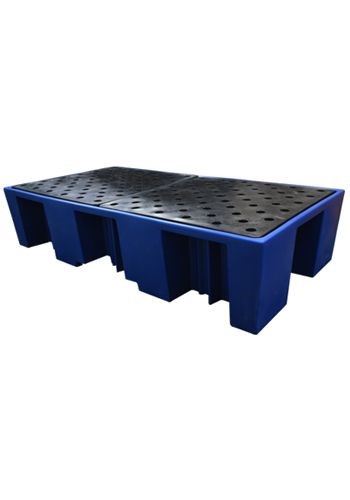
An IBC bund pallet (also known as an IBC spill pallet or IBC sump pallet) is a specialized containment system designed to hold standard 1000-liter Intermediate Bulk Containers. Their primary function is to catch and contain any leaks, drips, or spills that might occur during storage or dispensing operations, preventing environmental contamination and workplace hazards.
These essential safety devices feature:
- Large sump capacities (typically 1100 litres) to meet 110% containment regulations
- Durable construction to support the substantial weight of filled IBCs
- Chemical-resistant materials to maintain integrity when exposed to hazardous substances
- Practical design features for safe and efficient operation in industrial environments
Features and Benefits of IBC Bund Pallets
Construction and Design
- Robust Materials: High-density polyethylene or powder-coated steel construction
- UV Stabilization: Resistance to degradation from sunlight exposure
- Chemical Resistance: Compatible with most acids, caustics, oils, and chemicals
- High Load Capacity: Engineered to safely support fully loaded 1000L IBCs (approximately 1000-1600kg)
- Removable Grating: Enables easy access for cleaning and inspection
- Forklift Access: Integrated pockets for safe transportation when empty
- Non-Slip Surface: Textured deck for improved safety during loading/unloading
- Drainage Options: Controlled discharge points on selected models for safe emptying
Safety Advantages
- Spill Prevention: Contains leaks before they create workplace hazards
- Risk Reduction: Minimizes slip hazards from liquid spills
- Chemical Segregation: Prevents mixing of incompatible substances
- Visual Inspection: Allows for early leak detection
- Fire Risk Reduction: Contains flammable liquid spills
- Controlled Dispensing: Options for safe transfer of contents
- Stable Platform: Prevents IBC movement during handling and dispensing
- Worker Protection: Reduces exposure to harmful substances
Operational Benefits
- Regulatory Compliance: Meets UK environmental protection requirements
- Simple Implementation: No installation required—ready to use upon delivery
- Versatile Application: Suitable for indoor and outdoor storage (material dependent)
- Space Efficiency: Minimal footprint increase compared to uncontained IBCs
- Cost-Effective Protection: Prevents expensive cleanup and decontamination
- Improved Organization: Designated storage areas for specific materials
- Flexible Deployment: Easily relocated as storage needs change
- Long Service Life: Durable construction ensures years of reliable performance
UK Regulatory Compliance
IBC bund pallets help businesses meet several critical UK regulations governing the storage of liquids and hazardous materials:
The Oil Storage Regulations
Requires secondary containment with a minimum capacity of 110% of the largest container or 25% of the total storage capacity for multiple containers, whichever is greater. Our IBC bunds are designed to meet these thresholds, with standard models offering 1100L capacity for 1000L IBCs.
Environmental Protection Act
Imposes a duty of care to prevent pollution of the environment. IBC bund pallets provide essential protection against accidental releases that could contaminate soil or water sources.
Control of Substances Hazardous to Health (COSHH) Regulations
Mandates proper control measures for hazardous substances. IBC bunds contribute to safe storage and handling by containing potential spills and leaks.
Dangerous Substances and Explosive Atmospheres Regulations (DSEAR)
Requires risk assessment and control measures for dangerous substances that could create explosive atmospheres. Proper bunding helps mitigate these risks by containing flammable liquid spills.
Pollution Prevention Guidelines
While no longer official guidance, these principles are still considered best practice and often referenced by environmental authorities. IBC bund pallets align with these established containment guidelines.
Fire Safety Regulations
Secondary containment helps prevent the spread of flammable liquids in case of leakage, supporting fire safety compliance in the workplace.
Types of IBC Bund Pallets
Hall-Fast offers a comprehensive range of IBC bund solutions to meet diverse operational requirements:
Standard IBC Spill Pallet
- Configuration: Single IBC capacity
- Sump Capacity: 1100 litres
- Construction: High-density polyethylene
- Features: Removable deck grating, forklift access
- Best For: General chemical storage, indoor applications, standard compliance
- Weight Capacity: Up to 1600kg
IBC Bund with Dispensing Area
- Configuration: Single IBC with integrated dispensing zone
- Sump Capacity: 1100 litres plus dispensing tray
- Construction: Reinforced polyethylene
- Features: Dedicated area for container filling, drip collection system
- Best For: Active handling environments, frequent dispensing operations
- Weight Capacity: Up to 1600kg
Double/Multi IBC Bund
- Configuration: 2-4 IBC capacity
- Sump Capacity: 1100-2500 litres (model dependent)
- Construction: Heavy-duty polyethylene or steel
- Features: Shared containment area, reinforced support structure
- Best For: Bulk storage areas, facilities with multiple IBCs of compatible materials
- Weight Capacity: Up to 6400kg (dependent on model)
Covered IBC Bund
- Configuration: Single or double IBC with protective cover
- Sump Capacity: 1100-2200 litres
- Construction: Polyethylene with metal or plastic cover
- Features: Weather protection, security features, controlled access
- Best For: Outdoor storage, weather-sensitive materials, security concerns
- Weight Capacity: Up to 3200kg (dependent on model)
Steel IBC Bund
- Configuration: Single or multiple IBC options
- Sump Capacity: 1100+ litres
- Construction: Powder-coated or galvanized steel
- Features: Superior durability, fire resistance, heavy-duty capacity
- Best For: Flammable materials, high-risk environments, extreme durability requirements
- Weight Capacity: Up to 2000kg per IBC position
Specialized Options
- Stackable Systems: Space-efficient vertical storage
- Mobile Units: Integrated wheels for repositioning
- Heated Bunds: Temperature control for sensitive materials
- ATEX-Compliant Models: For explosive atmospheres
- Custom Configurations: Tailored solutions for unique requirements
Applications Across Industries
IBC bund pallets are essential across numerous sectors where liquid storage and handling occur:
Chemical Manufacturing and Processing
- Materials: Industrial chemicals, raw materials, finished products
- Applications: Production storage, mixing areas, dispatch zones
- Benefits: Segregation of incompatible chemicals, spill prevention, regulatory compliance
Oil and Fuel Storage
- Materials: Lubricants, diesel, heating oil, waste oil
- Applications: Equipment maintenance areas, fuel storage, distribution points
- Benefits: Pollution prevention, fire risk reduction, Oil Storage Regulations compliance
Agriculture
- Materials: Pesticides, fertilizers, crop treatments
- Applications: Chemical storage, mixing stations, equipment areas
- Benefits: Environmental protection, controlled handling, weather-resistant options
Food and Beverage Production
- Materials: Edible oils, flavourings, cleaning chemicals
- Applications: Ingredient storage, cleaning solution management
- Benefits: Food safety enhancement, contamination prevention, hygienic design options
Pharmaceutical Manufacturing
- Materials: Process chemicals, cleaning solutions, waste products
- Applications: GMP environments, production areas, waste management
- Benefits: Containment of high-value materials, cleanroom-compatible options
Waste Management
- Materials: Liquid waste, recycling fluids, treatment chemicals
- Applications: Collection points, treatment facilities, transfer stations
- Benefits: Environmental compliance, spill control, durability in demanding environments
Manufacturing and Industrial Facilities
- Materials: Hydraulic oils, cleaning solutions, process fluids
- Applications: Production areas, maintenance zones, storage facilities
- Benefits: Workplace safety enhancement, simplified compliance, operational flexibility
Installation and Best Practices
Maximizing the effectiveness of your IBC bund pallets requires proper setup and operation:
Site Selection and Preparation
- Level Surface: Place on flat, stable ground to ensure even weight distribution
- Accessibility: Ensure adequate space for forklift access and operational activities
- Protected Location: Position away from high-traffic areas when possible
- Environmental Considerations: For outdoor placement, consider drainage patterns and weather exposure
- Regulatory Compliance: Maintain required distances from water courses and boundaries
Safe Operation Guidelines
- Regular Inspection: Check for cracks, damage, or liquid in the sump
- Compatibility Verification: Ensure bund material is compatible with stored substances
- Single Material Storage: Avoid storing incompatible chemicals on the same bund
- Weight Distribution: Centre IBC on the grating for optimal stability
- Capacity Respect: Never exceed the rated weight capacity
- Clean Sumps: Remove any collected liquid promptly and dispose of properly
- Weather Protection: Consider covers for outdoor applications
- Dispensing Practices: Use proper equipment to minimize drips and spills
- Documentation: Maintain records of inspections and contained spills
Loading and Unloading
- Equipment Requirements: Use appropriate forklifts rated for IBC weight
- Empty Movement Only: Never attempt to move bunds with loaded IBCs
- Gentle Placement: Avoid dropping IBCs onto gratings
- Secure Positioning: Ensure IBCs are stable and centered on the bund
- Connection Checks: Verify all valves and fittings are secure before filling
- Dispensing Precautions: Use proper equipment to prevent spills during transfers
Environmental and Financial Protection
Investing in quality IBC bund pallets delivers significant return on investment through risk mitigation:
Financial Benefits
- Spill Cleanup Avoidance: Prevention of remediation costs that can range from £5,000 for minor spills to £100,000+ for significant contamination
- Regulatory Fine Prevention: Avoidance of penalties that can exceed £20,000 for environmental offenses
- Insurance Advantages: Potential premium reductions through demonstrated risk management
- Operational Continuity: Prevention of costly production interruptions due to spill incidents
- Asset Protection: Extended lifespan of facilities and equipment by preventing corrosive damage
- Inventory Preservation: Reduction in product loss from leaking containers
- Reputation Maintenance: Prevention of negative publicity associated with environmental incidents
Environmental Protection
- Groundwater Safeguarding: Prevention of soil and water table contamination
- Waterway Protection: Elimination of runoff into streams, rivers, and drainage systems
- Wildlife Conservation: Prevention of habitat damage from chemical releases
- Contamination Limitation: Containment of spills before they spread to larger areas
- Responsible Resource Management: Demonstration of environmental stewardship
- Sustainability Support: Contribution to corporate environmental responsibility goals
- Community Protection: Safeguarding of surrounding areas from pollution impacts
Maintenance and Care
Proper maintenance ensures your IBC bund pallets provide reliable protection for years to come:
Routine Inspection
- Visual Checks: Examine for cracks, deformation, or damage before each use
- Sump Monitoring: Check regularly for accumulated liquid
- Grating Condition: Inspect for damage that could compromise load-bearing capacity
- Structural Integrity: Verify all components remain sound and functional
- Connection Points: Check any drain plugs or fittings for security
- Surface Condition: Monitor for chemical damage or degradation
Cleaning Procedures
- Spill Response: Clean contained leaks promptly using appropriate methods
- Material Compatibility: Use cleaning agents compatible with bund material
- Pressure Considerations: Avoid high-pressure washing that could damage the structure
- Drainage Protocol: Follow proper procedures for emptying sumps
- Documentation: Record cleaning activities for compliance purposes
- Waste Disposal: Ensure environmentally appropriate disposal of collected materials
Long-Term Care
- UV Protection: Apply additional treatments to polyethylene bunds in high-sun environments
- Winter Precautions: Check for ice expansion damage in freezing conditions
- Preventative Repairs: Address minor damage before it compromises functionality
- Replacement Planning: Monitor for end-of-life indicators after 5-10 years of use
- Upgrade Assessment: Evaluate changing needs and new regulatory requirements
- Documentation Maintenance: Keep records of inspections and maintenance
Frequently Asked Questions
How do I know what size IBC bund I need?
For single IBC storage, regulations require the bund to have a capacity of at least 110% of the IBC volume, which is why our standard models offer 1100L capacity for 1000L IBCs. For multiple IBCs, the bund should contain either 110% of the largest container or 25% of the total storage volume, whichever is greater.
Can I store different chemicals on the same IBC bund?
It's not recommended to store incompatible chemicals on the same bund, as any leaks could mix and potentially create hazardous reactions. Each incompatible substance should have its own dedicated containment system. Consult material safety data sheets (MSDS) for compatibility information.
Are IBC bund pallets suitable for outdoor use?
Many polyethylene IBC bunds are suitable for outdoor use, as they're UV-stabilized and weather-resistant. However, for long-term outdoor storage, we recommend models specifically designed for external use or the addition of protective covers. Steel bunds may require additional corrosion protection for outdoor applications.
How do I empty the sump if it collects liquid?
Most IBC bunds feature drainage ports that can be connected to suitable pumping equipment for controlled emptying. Always ensure collected liquids are properly analysed and disposed of according to relevant regulations. Never discharge collected spills directly into general drainage systems.
Can IBC bund pallets be moved when loaded?
No, IBC bunds should never be moved when loaded with IBCs. They are designed to be stationary containment systems. Always remove the IBC before relocating the bund. For applications requiring mobility, consider specialized systems with integrated transport features.
What's the difference between polyethylene and steel IBC bunds?
Polyethylene bunds offer excellent chemical resistance, lightweight construction, and corrosion immunity, making them suitable for most applications. Steel bunds provide superior fire resistance, extreme durability, and higher load capacities, making them ideal for flammable materials or harsh industrial environments.
How often should IBC bunds be inspected?
We recommend visual inspection before each use, with a more thorough examination at least monthly. Any bund that has contained a spill should be completely inspected before being returned to service. Many regulatory frameworks require documented regular inspections as part of compliance programs.
Why Choose Hall-Fast for Your IBC Bund Pallets
With over 15 years of experience supplying industrial equipment to UK businesses, Hall-Fast offers:
- Product Expertise: Guidance on selecting the right containment solution for your needs
- Regulatory Knowledge: Understanding of compliance requirements across industries
- Quality Assurance: Durable, reliable products that meet all applicable standards
- Competitive Pricing: Value-driven options for businesses of all sizes
- Fast Delivery: Efficient UK-wide delivery services
- Comprehensive Range: Multiple options to suit various applications and environments
- After-Sales Support: Continued assistance throughout product lifespan
Contact our team today to discuss your secondary containment requirements and find the ideal IBC bund solution for your operation.
Take a look at the range of IBC Bund Pallets that are available to buy online now from Hall-Fast https://www.hall-fast.com/catalogsearch/result/?q=ibc+bund+pallet