Understanding the Importance of Safe Walkie Stacker Operation
Walkie stackers are invaluable tools in warehouses, distribution centres, and manufacturing facilities, offering versatile material handling capabilities within a compact footprint. However, their combination of lifting capacity, manoeuvrability, and powered operation also presents potential hazards if not operated properly. Knowing how to operate a walkie stacker safely is essential not only for protecting operators but also for preventing property damage, product loss, and operational disruptions.
While walkie stackers typically require less formal certification than sit-down forklifts, they still demand proper training and consistent adherence to safety protocols. This comprehensive guide outlines the essential practices, procedures, and precautions necessary for safe and efficient walkie stacker operation.
Walkie Stacker Fundamentals for New Operators
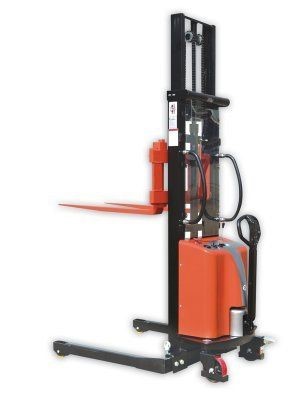
Before addressing specific safety protocols, it's important to understand the basic components and functions of a typical walkie stacker:
Key Components and Controls
Familiarize yourself with these essential elements:
- Control handle (tiller arm): The primary steering and operation interface
- Drive/brake controls: Typically thumb-operated directional controls
- Lift/lower buttons: Controls raising and lowering the forks
- Emergency reverse switch: The "belly button" that reverses direction if contacted
- Emergency stop button: Immediately cuts power in emergency situations
- Battery discharge indicator: Displays remaining battery charge
- Key switch: Powers the unit on/off and prevents unauthorized use
- Horn button: Alerts others to stacker presence and movement
- Fork carriage: The structure supporting and moving the forks
- Mast: The vertical assembly guiding fork movement
- Wheels: Including drive, load, and caster wheels for stability and movement
Understanding these components provides the foundation for safe operation.
Types of Walkie Stackers
Various configurations offer different operational characteristics:
- Standard walk-behind: Operator walks behind the unit guiding via the tiller arm
- Platform models: Include a fold-down platform where the operator can stand
- Straddle designs: Feature outrigger legs that straddle the load
- Counterbalance versions: No forward legs, allowing direct access to loads
- Reach models: Include extendable forks for deeper rack access
Each type may require specific safety considerations based on design features.
Pre-Operation Safety Inspection
Before operating any walkie stacker, conduct a thorough inspection:
Daily Equipment Check
Complete these assessments before each shift:
- Visual inspection: Examine for physical damage, leaks, or obvious defects
- Fork condition: Check for cracks, bends, or excessive wear
- Wheels: Inspect for damage, wear, and embedded debris
- Hydraulic system: Look for leaks or damaged hoses
- Chain and mast: Verify proper tension and lubrication
- Battery condition: Check charge level and for any damage or corrosion
- Controls: Test all functions to ensure proper operation
- Warning devices: Verify horn and any backup alarms function correctly
- Brakes: Confirm proper stopping capability
- Emergency features: Test emergency stop and reverse functionality
Document this inspection according to your company's procedures, and report any issues immediately rather than operating a potentially unsafe machine.
Operational Area Assessment
Before beginning work, evaluate your working environment:
- Floor conditions: Check for spills, debris, or uneven surfaces
- Overhead clearance: Verify adequate height throughout the travel path
- Aisle width: Ensure sufficient clearance for safe manoeuvring
- Traffic patterns: Identify pedestrian walkways and other vehicle routes
- Potential hazards: Note blind corners, narrow passages, or congested areas
- Load/unload locations: Confirm adequate space for safe operations
- Lighting conditions: Ensure sufficient visibility throughout the work area
- Ventilation: Verify proper air circulation, especially in battery charging areas
Environmental awareness is a continuous process throughout operation, not just at the beginning of a shift.
Essential Operating Procedures
Following proper operational techniques is critical to safe walkie stacker use:
Starting and Basic Movement
Master these fundamental procedures:
- Proper startup sequence: Turn key, check surroundings, test horn
- Correct operating position: Stand to the side of the travel path, never under raised forks
- Appropriate tiller position: Maintain the handle in the operating zone (not fully vertical or horizontal)
- Controlled acceleration: Gradually increase speed rather than applying full power immediately
- Speed adjustment: Reduce speed in congested areas or when approaching intersections
- Directional changes: Come to a complete stop before changing direction
- Proper stopping technique: Allow adequate distance and gradually slow down
- Parking procedure: Lower forks completely, turn key off, and remove it
These basic operational practices form the foundation of safe walkie stacker handling.
Load Handling Fundamentals
Follow these guidelines when managing loads:
- Proper approach: Centre forks evenly under the load
- Appropriate insertion depth: Position forks fully under the load when possible
- Gradual lifting: Raise loads smoothly to minimize instability
- Travel with loads lowered: Keep loads 4-6 inches above the floor during transport
- Load stability awareness: Monitor for shifting or unstable items
- Appropriate travel speed: Move slower with heavier or higher loads
- Controlled lowering: Place loads gently to prevent damage
- Load capacity respect: Never exceed the stacker's rated capacity
Proper load handling prevents both equipment damage and potential injuries.
Advanced Safety Techniques
Experienced operators employ these additional safety practices:
Racking and Elevated Operations
When placing or retrieving items from elevated positions:
- Proper approach alignment: Position square to the rack before lifting
- Adequate clearance verification: Ensure forks will clear the rack beam
- Slow, controlled elevation: Raise loads gradually while monitoring stability
- Precision positioning: Align carefully with the intended storage location
- Gentle load placement: Set loads down smoothly on the rack surface
- Controlled fork withdrawal: Back straight out from the rack
- Complete lowering before travel: Never move with forks elevated
- Overhead awareness: Watch for sprinklers, lights, or other ceiling obstructions
These techniques are particularly important when operating in warehouse racking systems.
Navigating Challenging Environments
Apply these strategies in difficult operating conditions:
- Ramp procedures: Travel with the load uphill when ascending, and downhill when descending
- Doorway protocols: Sound horn and proceed slowly through entrances
- Dock area caution: Maintain safe distance from edges and use wheel chocks on trailers
- Congested area navigation: Use a spotter when visibility is limited
- Narrow aisle operation: Proceed slowly with particular attention to clearances
- Floor transition management: Cross railroad tracks or expansion joints at an angle
- Blind corner procedures: Sound horn, slow down, and maintain wide clearance
- Pedestrian awareness: Always yield right-of-way to foot traffic
Adapting to specific environmental challenges is a key aspect of operator proficiency.
Critical Safety Rules and Prohibitions
Certain practices must always be avoided:
Absolute Prohibitions
Never engage in these dangerous activities:
- No riders: Walkie stackers are designed for a single operator only
- No lifting people: Never use forks to elevate personnel
- No speeding: Maintain appropriate speeds for conditions
- No shortcuts: Always follow established safety procedures
- No unauthorized modifications: Equipment must remain as designed
- No horseplay: Stackers are professional equipment, not toys
- No operation under the influence: Zero tolerance for alcohol or drugs
- No distractions: No phone use or other activities while operating
- No load overhanging: Ensure loads are stable and properly positioned
- No operation without training: Only qualified personnel should operate equipment
These prohibitions address actions that have caused serious accidents and injuries.
Load Management Restrictions
Observe these limitations when handling materials:
- Never exceed capacity: Respect the maximum rated load
- No unstable stacking: Ensure loads are properly balanced and secured
- No vision obstruction: Maintain clear sightlines during transport
- No sudden movements: Operate smoothly to maintain load stability
- No elevated loads during travel: Always travel with loads lowered
- No uneven loading: Centre loads on the forks
- No dragging: Fully lift loads before moving
- No use as a tow vehicle: Only use for intended lifting purposes
- No pushing or pulling: Stackers are designed to lift, not push objects
- No partial fork support: Ensure forks fully engage the load
Improper load handling represents one of the most common causes of accidents.
Emergency Situations and Responses
Knowing how to react to problems is essential for safe operation:
Tipping and Stability Emergencies
If the stacker begins to tip or overturn:
- Do not attempt to jump on a tipping stacker
- Step clear of the machine in the opposite direction of the tip
- Never try to stop a falling load
- Report the incident immediately
- Seek medical attention if any injury occurs
- Do not attempt to use the equipment until inspected
Tipping incidents, while rare with proper operation, require immediate and appropriate response.
Power and Mechanical Failures
When experiencing equipment malfunction:
- Engage the emergency stop button
- Lower loads safely to the ground if possible
- Notify supervision immediately
- Place warning indicators around the equipment
- Document the nature of the failure
- Never attempt repairs without proper training
- Follow lockout/tagout procedures if required
Properly managing equipment failures prevents additional hazards from developing.
Collision Response Procedures
After an impact or collision:
- Stop immediately and assess the situation
- Check for injuries and provide necessary assistance
- Report the incident according to company policy
- Document all details including time, location, and circumstances
- Preserve the scene if significant damage or injury occurred
- Do not resume operation until authorized
- Participate fully in any investigation
Proper collision response helps prevent additional incidents and facilitates accurate reporting.
Training and Certification Requirements
Understanding qualification standards is important for operators:
Training Standards
Proper preparation typically includes:
- Formal instruction: Classroom or online safety principles
- Hands-on training: Supervised operation practice
- Site-specific orientation: Facility layout and particular hazards
- Equipment-specific instruction: Features unique to your specific model
- Performance evaluation: Demonstrating operational competency
- Knowledge testing: Verifying understanding of safety principles
- Documentation: Written record of completed training
- Periodic refresher training: Typically annually or after incidents
While OSHA does not require a specific "license" for walkie stackers, employers must ensure operators are properly trained and evaluated.
Operator Qualifications
Typical requirements include:
- Minimum age: Usually 18 years old
- Physical capabilities: Adequate vision, hearing, and mobility
- Comprehension skills: Understanding of instructions and warnings
- Demonstrated competence: Proven ability to operate safely
- Authorization: Formal employer approval to operate equipment
- Compliance history: Record of following safety procedures
- Ongoing qualification: Continued demonstration of safe practices
- Fitness for duty: Being alert and physically capable during operation
Maintaining qualification requires ongoing commitment to safe operating practices.
Creating a Culture of Stacker Safety
Beyond individual operation, organizational approaches enhance safety:
Workplace Safety Practices
Effective programs include these elements:
- Regular safety meetings: Discussing challenges and best practices
- Refresher training: Periodic review of proper techniques
- Near-miss reporting: Documenting and addressing close calls
- Observation programs: Constructive feedback on operating habits
- Incentive systems: Recognizing exemplary safety performance
- Clear procedures: Written guidelines for all operational aspects
- Visible management commitment: Leadership modelling safety priorities
- Open communication: Comfortable reporting of safety concerns
- Continuous improvement: Regular review and enhancement of practices
- Accountability: Consistent enforcement of safety standards
These programmatic approaches create an environment where safe operation becomes the norm.
Expert Support for Your Walkie Stacker Safety Needs
Understanding how to operate a walkie stacker safely is essential for workplace safety and operational efficiency. At Hall-Fast, we're committed to supporting safe material handling practices through both quality equipment and educational resources.
Our comprehensive selection of industrial stacking equipment includes numerous walkie stacker models designed with operator safety as a primary consideration. From basic walk-behind units to advanced models with enhanced safety features, we offer solutions suitable for operations of all types and sizes.
Explore our full range of material handling solutions at Hall-Fast Industrial and Commercial Equipment or contact our team directly at sales@hall-fast.com for personalized assistance with your specific walkie stacker requirements and safety concerns.
By combining quality equipment with proper training and consistent safety practices, you'll create a workplace where efficiency and safety work together for optimal operational performance.