Comprehensive Guide: How to Choose the Right Kemper Welding Fume Extractor for Your Operation
Selecting the appropriate Kemper welding fume extractor requires systematic evaluation of multiple factors including welding processes, facility layout, operational intensity, and budget considerations. This detailed selection guide examines the essential criteria for choosing between Kemper's diverse extraction solutions, helping organizations make informed decisions that ensure effective fume management while optimizing investment value.
Step 1: Analyse Your Welding Operations
The foundation of proper extractor selection begins with thorough assessment of your specific welding activities:
Welding Process Evaluation:
- Identify all welding processes used (MIG, TIG, Stick, etc.)
- Document typical materials being welded (mild steel, stainless, aluminium, etc.)
- Note special materials generating particularly hazardous fumes
- Measure average welding time per day/week
- Assess typical amperage/wire feed settings affecting fume generation
- Identify variations in welding positions and locations
- Consider future process changes or additions
Fume Generation Assessment: Different welding processes and materials produce varying fume volumes and toxicity:
- MIG welding typically generates higher fume volumes than TIG
- Stainless steel produces more hazardous fumes than mild steel
- Higher amperage settings increase fume generation rates
- Flux-cored wires typically produce more fumes than solid wire
- Surface coatings can significantly increase fume toxicity
- Aluminium welding produces different particulate characteristics
- Specialized processes may have unique extraction requirements
Operational Patterns:
- Continuous vs. intermittent welding patterns
- Single operator vs. multiple welders
- Fixed welding stations vs. variable locations
- Shift patterns affecting daily usage hours
- Seasonal variations in production volume
- Typical workpiece sizes affecting extraction positioning
- Concurrent operations affecting overall air quality
Step 2: Evaluate Facility Considerations
Your specific work environment significantly impacts extractor selection:
Spatial Analysis:
- Available floor space for equipment placement
- Ceiling height and overhead clearance
- Distance between welding locations
- Proximity to walls for potential mounting
- Traffic patterns and movement flows
- Space constraints around welding areas
- Future layout changes or expansions
Infrastructure Assessment:
- Available electrical supply (voltage, phase, capacity)
- Potential mounting surfaces for fixed units
- Existing ventilation or extraction systems
- Building structure for potential ceiling mounting
- Floor conditions affecting mobile unit movement
- Noise sensitivity in surrounding areas
- Access for maintenance and filter changes
Environmental Factors:
- Ambient temperature ranges affecting operation
- Humidity conditions potentially affecting filtration
- Other contaminants present besides welding fumes
- Air recirculation requirements or restrictions
- Building pressurization considerations
- Heating/cooling implications of air extraction
- Exterior exhaust possibilities if applicable
Step 3: Match Requirements to Kemper Extractor Models
Based on your analysis, identify the most suitable Kemper extraction technology:
For Mobile Flexibility Needs: If welding occurs at multiple locations or workstations change frequently:
- MaxiFil Series: Premium mobile extraction with mechanical filter cleaning, ideal for regular production welding with filter monitoring and extended media life
- MiniFil System: Compact portable extraction for confined spaces or occasional welding requiring minimal footprint and maximum portability
- Dusty Models: Entry-level mobile extraction providing essential fume removal capabilities for smaller operations or budget-conscious facilities
For Fixed Workstation Requirements: If welding primarily occurs at dedicated stations:
- ProfiMaster Series: Wall-mounted extraction for dedicated welding stations with advanced filter cleaning and monitoring systems
- WeldFil Systems: Heavy-duty stationary extraction designed for intensive production environments
- Fixed MaxiFil Units: Stationary version of the premium mobile unit, providing advanced filtration in a wall-mounted package
For Workshop-Wide Solutions: If addressing air quality throughout larger facilities:
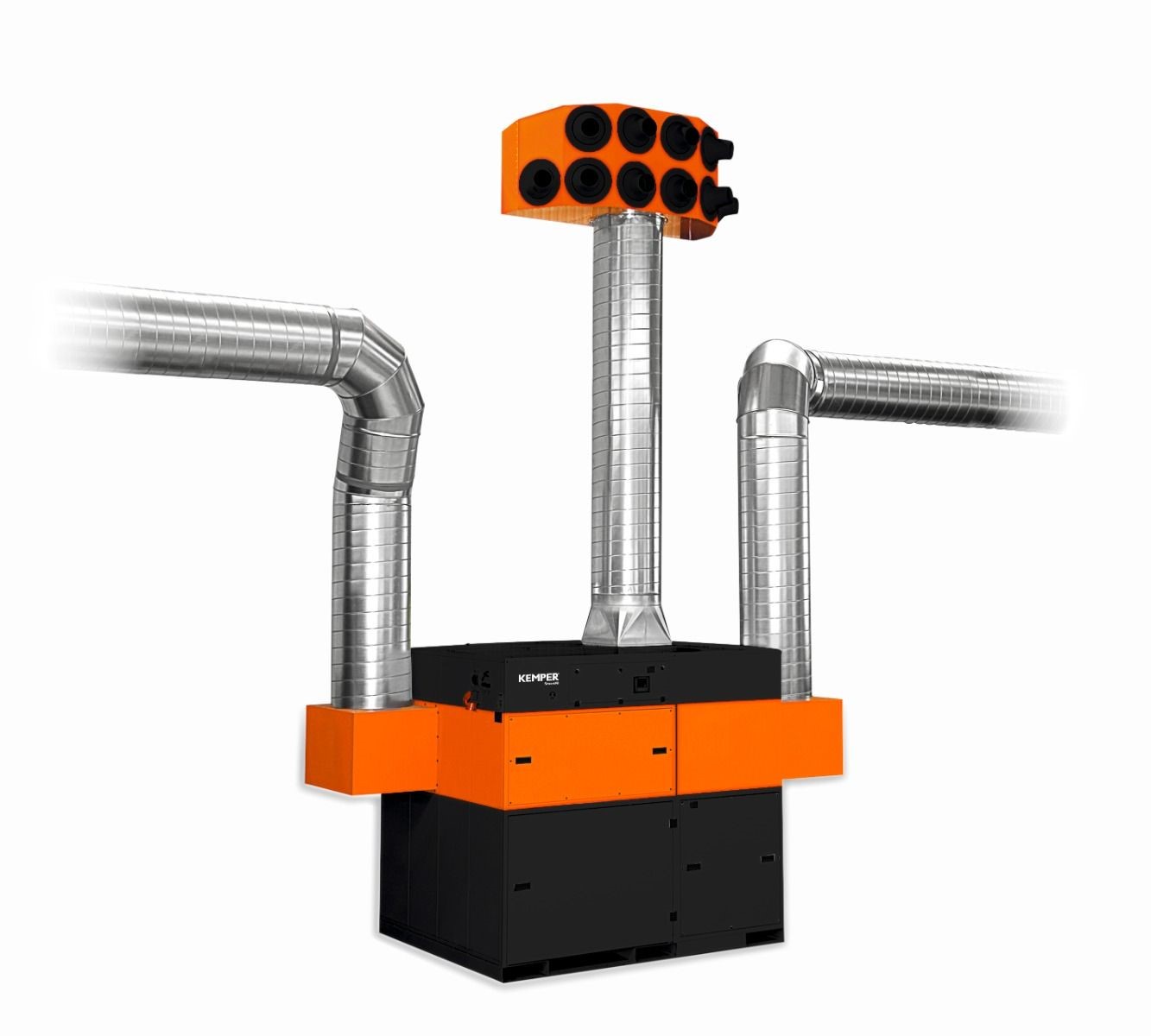
- Central Extraction Systems: Connecting multiple workstations to centralized filtration
- Push-Pull Systems: Managing air quality across large open fabrication areas
- Combined Approaches: Integrating source capture with ambient filtration
Step 4: Consider Critical Performance Specifications
Evaluate technical specifications matching your specific requirements:
Extraction Capacity:
- Airflow rates (typically 700-2500 m³/h) appropriate for your processes
- Suction power adequate for capturing your specific fume types
- Motor power sufficient for required extraction distance
- Reserve capacity accommodating process variations
- Performance maintenance as filters load
- Appropriate hood design for your specific processes
- Arm reach sufficient for your typical workpieces
Filtration Requirements:
- Filtration efficiency appropriate for materials being welded
- W3 approval if working with high-alloy steels
- Self-cleaning capability for continuous operations
- Filter capacity matching your production volume
- Specialized media if dealing with aluminium or unique materials
- Easy replacement access for maintenance
- Monitoring capabilities for filter performance
Control and Operation:
- Automatic start/stop requirements
- Digital monitoring needs
- Integration with other shop systems
- Noise level constraints
- Energy efficiency considerations
- Maintenance access requirements
- User interface preferences
Step 5: Evaluate Economic Considerations
Balance performance requirements with financial factors:
Initial Investment:
- Equipment purchase costs
- Installation requirements and expenses
- Facility modifications if needed
- Training and implementation
- Shipping and handling
- Commissioning and testing
- Peripheral components and accessories
Operational Costs:
- Energy consumption based on motor size and usage
- Filter replacement frequency and costs
- Maintenance requirements and associated expenses
- Potential energy recovery through air recirculation
- Productivity impacts (positive or negative)
- Expected equipment lifespan and amortization
- Warranty coverage and support services
Regulatory Compliance Value:
- Meeting HSE and COSHH requirements
- Documentation for compliance verification
- Risk reduction for insurance considerations
- Future-proofing against regulatory changes
- Worker compensation and liability implications
- Corporate responsibility considerations
- Potential penalties avoided through compliance
Hall-Fast's welding extraction specialists can guide you through this selection process, helping identify the optimal Kemper fume extractor for your specific operation. Our consultative approach ensures you receive extraction equipment that delivers both effective fume management and appropriate value for your investment.
Explore our complete Kemper extraction range online or contact our technical team for personalized assistance in selecting the right Kemper solution for your specific welding environment and requirements.