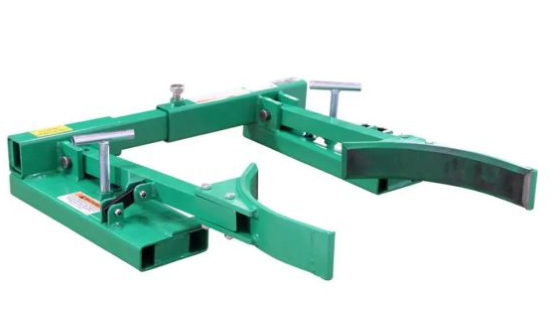
In today's demanding industrial environment, the safe and efficient handling of drums presents significant challenges across numerous sectors. Industrial drum handlers have emerged as specialized material handling solutions that dramatically improve drum management operations, enhancing both safety and productivity while reducing operational costs. This comprehensive guide explores how these purpose-designed handling systems can transform drum operations across manufacturing, warehousing, and processing facilities.
Understanding the Challenges of Drum Handling
Standard 205-liter (55-gallon) industrial drums present unique handling challenges:
- Significant weight (potentially exceeding 300kg when filled)
- Cylindrical shape prone to rolling and instability
- Awkward dimensions for manual manipulation
- Potential for hazardous or valuable contents
- Risk of worker injury from improper handling techniques
- Diverse materials (steel, plastic, fibre) requiring different handling approaches
Traditional approaches to drum handling often rely on manual methods or general-purpose equipment not designed for cylindrical containers, creating significant safety hazards, operational inefficiencies, and increased risk of product loss through damaged containers.
Understanding Industrial Drum Handling Systems
Industrial drum handlers encompass a comprehensive range of specialized equipment designed specifically for the safe, efficient management of drums throughout their operational lifecycle. These purpose-engineered solutions include:
Mobile Drum Handlers
- Ergonomic drum trolleys and trucks
- Self-propelled powered drum movers
- Pedestrian-operated drum transporters
- Four-wheel drum dollies for stable movement
- Stair-climbing drum handlers for multi-level facilities
Drum Lifting Equipment
- Below-hook drum lifting attachments
- Forklift-mounted drum handling attachments
- Overhead crane drum lifting systems
- Drum lifting slings and harnesses
- Counterbalanced drum lifters
Drum Manipulation Equipment
- Drum rotators and tumblers
- Drum tippers and pourers
- Drum upenders for position changes
- Drum rollers for content mixing
- Drum dumpers for controlled emptying
Specialized Storage and Dispensing Systems
- Horizontal drum racks and cradles
- Vertical drum storage systems
- Spill containment pallets and platforms
- Drum dispensing stands and fixtures
- Mobile dispensing units with integrated pumps
These engineered solutions are designed specifically for the unique challenges of drum handling, enabling safe, efficient operations that general-purpose equipment simply cannot provide.
Operational Transformations Across Industries
The implementation of appropriate industrial drum handlers delivers significant operational improvements across diverse sectors:
Chemical Manufacturing and Processing
The chemical industry handles drums containing valuable, sensitive, and often hazardous materials. Specialized drum handling equipment transforms these operations:
Safety Enhancements
- Eliminates direct manual handling of potentially hazardous materials
- Provides controlled movement without risk of dropping or tipping
- Enables precise dispensing without exposure risk
- Incorporates spill containment features
- Supports regulatory compliance for hazardous material handling
Efficiency Improvements
- Reduces drum handling time by 60-80% compared to manual methods
- Enables single-operator management of heavy drums
- Supports precise placement in limited-access areas
- Facilitates controlled dispensing operations
- Streamlines material transfer processes
One specialty chemical manufacturer reported a 65% reduction in drum handling incidents after implementing a comprehensive drum handling equipment program, with corresponding reductions in lost-time accidents and associated costs.
Food and Beverage Production
Food and beverage operations require meticulous handling of ingredients that often arrive in drum containers. Specialized equipment delivers critical advantages:
Quality Assurance
- Maintains container integrity to prevent contamination
- Provides stainless steel or food-grade materials for hygienic handling
- Enables gentle handling of sensitive ingredients
- Supports clean handling protocols
- Prevents damage to drum closures that could compromise contents
Process Integration
- Enables efficient integration with batching systems
- Supports controlled ingredient addition to mixing processes
- Facilitates precise measurement during dispensing
- Allows complete emptying to minimize waste
- Integrates with clean manufacturing practices
Food processors implementing specialized drum handling systems report significant improvements in batch consistency and substantial reductions in ingredient waste and contamination incidents.
Pharmaceutical and Healthcare Applications
Pharmaceutical operations demand the highest standards of precision, cleanliness, and control. Specialized drum handling equipment delivers these critical capabilities:
Contamination Prevention
- Eliminates direct contact that could introduce contaminants
- Provides clean room compatible materials and finishes
- Supports sanitization protocols
- Maintains container seal integrity
- Prevents particulate generation from handling damage
Process Control
- Enables precise ingredient addition
- Supports validated handling procedures
- Maintains traceability throughout operations
- Integrates with weighing systems for measurement accuracy
- Provides consistent, repeatable handling methods
Pharmaceutical operations realize substantial benefits through improved consistency, reduced contamination risk, and enhanced regulatory compliance.
Waste Management and Environmental Services
Waste handling operations manage diverse materials in drum containers, often with significant weight and potential hazards. Specialized equipment transforms these challenging operations:
Safety Focus
- Reduces exposure to potentially harmful waste materials
- Enables remote handling of high-risk containers
- Provides controlled movement of unstable waste
- Incorporates spill containment for environmental protection
- Supports regulatory compliance for waste handling
Operational Efficiency
- Accelerates processing of waste containers
- Supports efficient loading of treatment equipment
- Enables precise positioning in storage areas
- Facilitates compliant stacking and arrangement
- Improves throughput in waste processing facilities
Environmental services companies report handling efficiency improvements of 40-70% after implementing appropriate drum handling equipment, with corresponding improvements in workforce safety and regulatory compliance.
Efficiency and Productivity Enhancements
Beyond industry-specific benefits, industrial drum handlers deliver broad operational advantages:
Reduced Labor Requirements
- Eliminate two-person lifting requirements
- Reduce manual intervention in drum movement
- Decrease loading/unloading time for shipments
- Lower operator fatigue and associated productivity losses
- Enable more efficient workforce allocation
Improved Space Utilization
- Support more efficient drum storage arrangements
- Enable higher stacking with appropriate equipment
- Facilitate access to drums in space-constrained areas
- Reduce aisle width requirements with specialized handlers
- Optimize floor space through vertical storage options
Enhanced Process Flow
- Streamline material movement throughout operations
- Reduce bottlenecks in drum-dependent processes
- Decrease dock-to-stock time for incoming materials
- Accelerate order fulfilment for drum shipments
- Support just-in-time inventory management
Cost Reduction Opportunities
- Lower worker compensation claims from handling injuries
- Reduce product loss from damaged containers
- Decrease risk-related costs (insurance, compliance penalties)
- Minimize downtime from handling-related incidents
- Extend drum life through proper handling
Organizations implementing comprehensive drum handling systems report efficiency improvements of 30-60% in drum-related operations, with corresponding reductions in labour costs and cycle times.
Safety Advantages and Risk Reduction
Properly selected industrial drum handlers deliver substantial safety improvements:
Musculoskeletal Injury Prevention Manual drum handling frequently leads to:
- Back injuries from improper lifting
- Shoulder and arm strain from awkward positioning
- Crush injuries to hands and feet
- Hernias from excessive force application
- Cumulative trauma disorders from repetitive handling
Mechanical handling through proper equipment eliminates these high-risk activities, typically reducing handling-related injuries by 60-90%.
Controlled Movement Safety
- Eliminates risk of runaway rolling drums
- Prevents tipping during transport and positioning
- Provides stable support during all handling phases
- Reduces risk of dropping during lifting operations
- Enables precise placement without manual guidance
Content Protection For valuable or hazardous materials, content security is paramount. Specialized handling equipment provides:
- Stable, secure transport without impact damage
- Gentle manipulation without excessive force
- Maintained container integrity throughout handling
- Reduced risk of closure damage or leakage
- Controlled dispensing without spillage
Operations handling hazardous or high-value materials report significant reductions in reportable incidents and associated costs after implementing proper drum handling equipment.
Selection Considerations for Maximum Benefit
Choosing appropriate industrial drum handlers requires systematic evaluation of operational requirements:
Drum Specification Analysis
- Drum dimensions and materials (steel, plastic, fibre)
- Weight range when filled
- Closure types and access requirements
- Content characteristics (hazardous, sensitive, valuable)
- Temperature or environmental considerations
Handling Process Assessment
- Required movements (transport, lifting, pouring, emptying)
- Movement frequency and distances
- Storage arrangements and configurations
- Dispensing and emptying requirements
- Integration with other processes
Facility Considerations
- Floor conditions and surfaces
- Space constraints and aisle widths
- Multi-level requirements
- Indoor/outdoor operations
- Environmental factors (temperature, moisture, corrosives)
Safety and Regulatory Requirements
- Industry-specific handling regulations
- Hazardous material handling requirements
- Documentation and training needs
- Ergonomic assessment findings
- Risk assessment results
This systematic approach ensures selected equipment delivers maximum operational benefit while maintaining safety compliance and addressing specific handling challenges.
Implementation Best Practices
Successfully implementing industrial drum handlers requires attention to operational details:
- Comprehensive Training Program Develop specific training covering:
- Equipment selection for specific drum types
- Proper operation techniques and limitations
- Safety procedures and emergency protocols
- Maintenance responsibilities and inspections
- Documentation requirements
- Operational Protocol Development Establish documented procedures for:
- Equipment selection decision tree
- Pre-use inspection requirements
- Specific handling techniques for different drum types
- Movement and storage protocols
- Maintenance and service scheduling
- Integration with Existing Processes Optimize workflows to leverage new capabilities:
- Receiving and material handling procedures
- Production and processing integration
- Inventory management systems
- Maintenance scheduling
- Quality assurance protocols
- Performance Monitoring System Implement ongoing evaluation:
- Handling efficiency metrics
- Incident and near-miss tracking
- Equipment utilization monitoring
- Maintenance requirement documentation
- Continuous improvement identification
Sourcing Quality Industrial Drum Handlers
When investing in industrial drum handlers, partnering with established suppliers ensures both product quality and appropriate application matching. Hall-Fast offers an extensive range of drum handling solutions designed to enhance operational efficiency while maintaining strict safety standards.
Their comprehensive selection includes various configurations to address different drum types, handling requirements, and operational environments, all manufactured to meet or exceed relevant regulatory requirements. For operations with unique requirements, application-specific solutions can be recommended.
For expert guidance on selecting the optimal drum handling equipment for your specific operational needs, contact the Hall-Fast team directly at sales@hall-fast.com. Their specialists can assist in evaluating your requirements and recommending appropriate solutions that balance safety, efficiency, and value.
Conclusion
Industrial drum handlers represent a transformative investment for operations handling drums on a regular basis. By implementing purpose-designed equipment with proper training and protocols, operations managers can significantly enhance drum handling capabilities while protecting both personnel and valuable contents.
With the right equipment selection, implementation approach, and ongoing management, these specialized handling solutions deliver substantial benefits across diverse industries and applications. Whether managing raw materials, finished products, or waste materials in drum containers, appropriate handling equipment provides the safety, efficiency, and control necessary for optimal operations.