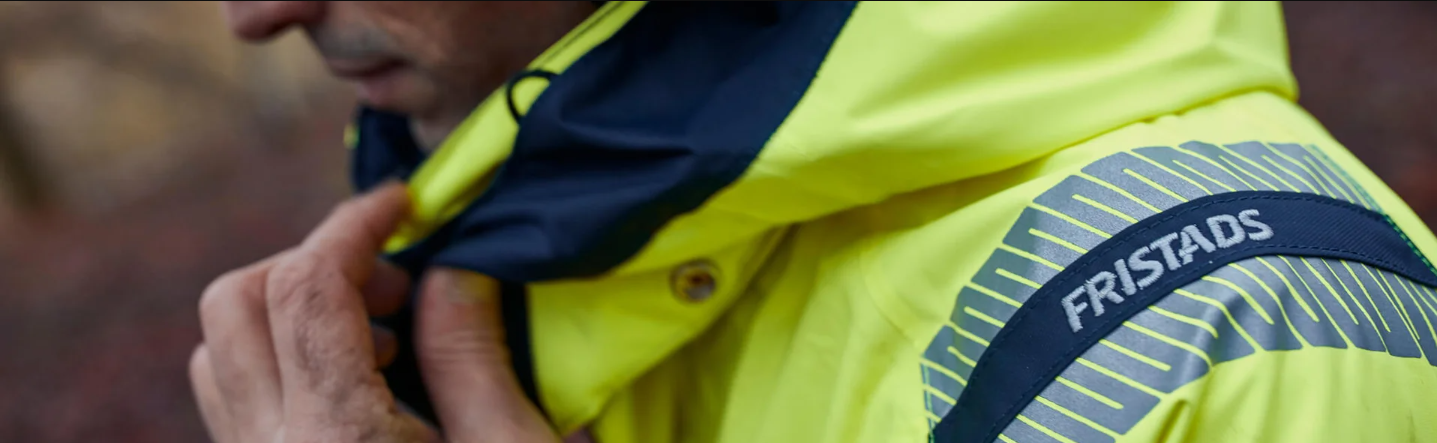
Choosing the Right Fristads Kansas Hi-Vis Workwear: A Comprehensive Guide for Safety and Compliance
In environments where visibility directly impacts worker safety, high-visibility (hi-vis) workwear isn't just about regulatory compliance—it's a critical factor in preventing accidents and saving lives. Fristads Kansas has established itself as a leader in premium hi-vis clothing that balances visibility requirements with practical functionality and wearer comfort. This detailed guide explores everything professionals need to know about Fristads hi-vis workwear, from understanding certification standards to selecting the right garments for specific applications and ensuring proper maintenance for maximum effectiveness.
Understanding High-Visibility Safety Standards
Before selecting hi-vis workwear, it's essential to understand the regulatory framework governing these garments:
EN ISO 20471: The European High-Visibility Standard
This core standard establishes requirements for workwear that makes the wearer visually conspicuous:
Garment Classification System
EN ISO 20471 establishes three classes of high-visibility garments:
- Class 3: Highest level visibility (≥0.8m² fluorescent material, ≥0.2m² reflective material)
- Class 2: Intermediate visibility (≥0.5m² fluorescent material, ≥0.13m² reflective material)
- Class 1: Lowest acceptable level (≥0.14m² fluorescent material, ≥0.10m² reflective material)
Higher risk environments require higher class garments—Class 3 is typically required where vehicles exceed 60 km/h.
Material Performance Requirements
The standard specifies two critical material components:
- Background Material: Fluorescent fabric providing daytime visibility through colour contrast
- Retroreflective Material: Specialized tape reflecting light back to its source for nighttime visibility
These materials must meet specific photometric performance requirements to ensure visibility under varied conditions.
Additional Relevant Standards
Fristads Kansas hi-vis workwear often incorporates multiple protection standards:
- RIS-3279-TOM: Railway Industry Standard for high-visibility clothing (UK-specific)
- EN 343: Protection against rain and adverse weather conditions
- EN ISO 11612: Protection against heat and flame
- EN ISO 11611: Protection for welding and allied processes
- IEC 61482-2: Protection against the thermal hazards of an electric arc
- EN 1149-5: Protective clothing with electrostatic properties
- EN 13034: Limited protection against liquid chemicals
Fristads Kansas Hi-Vis Product Range
The brand offers comprehensive hi-vis solutions across multiple garment categories:
Hi-Vis Jackets and Outerwear
Essential for adverse weather protection with maintained visibility:
- Fristads Kansas 4303 Hi-Vis Softshell Jacket: Class 3 protection with breathable, water-resistant softshell material
- Fristads 4043 GORE-TEX® Hi-Vis Jacket: Premium waterproof protection meeting Class 3 visibility
- Fristads 4029 Winter Hi-Vis Jacket: Insulated Class 3 protection for cold environments
- Fristads 4327 Multinorm Hi-Vis Jacket: Combining visibility with flame, arc, and anti-static protection
- Fristads 4037 Lightweight Hi-Vis Jacket: Breathable Class 3 option for warmer conditions
Hi-Vis Trousers and Lower Body Protection
Completing full visibility coverage:
- Fristads Kansas 2034 Hi-Vis Trousers: Class 2 visibility with practical work features
- Fristads 2047 GORE-TEX® Hi-Vis Trousers: Waterproof protection with Class 2 visibility
- Fristads 2026 Winter Hi-Vis Trousers: Insulated protection with visibility elements
- Fristads 2584 MultiNorm Hi-Vis Trousers: Combined visibility with specialized protection certification
- Fristads 2094 Hi-Vis Service Trousers: Lighter weight option for less demanding environments
Hi-Vis Coveralls and Bodysuits
Full-body visibility solutions:
- Fristads Kansas 8043 Hi-Vis Coverall: Class 3 one-piece protection
- Fristads 8063 Winter Hi-Vis Coverall: Insulated full-body visibility
- Fristads 8084 MultiNorm Hi-Vis Coverall: Combined protective certification with full visibility
- Fristads 8036 Lightweight Hi-Vis Coverall: Breathable option for warmer conditions
- Fristads 8026 Hi-Vis Bib & Brace: Alternative to full coveralls with upper body freedom
Supplementary Hi-Vis Items
Additional visibility elements:
- Fristads Kansas 5029 Hi-Vis Vest: Class 2 visibility layer for quick application
- Fristads 7084 Hi-Vis T-Shirt: Breathable Class 2 option for warmer conditions
- Fristads 7089 Hi-Vis Polo Shirt: Professional appearance with Class 2 visibility
- Fristads 7346 Hi-Vis Sweatshirt: Comfortable mid-layer with visibility properties
- Fristads 9063 Hi-Vis Accessories: Hats, gloves, and accessories with visibility elements
Key Features of Fristads Kansas Hi-Vis Workwear
Several distinct characteristics differentiate premium hi-vis garments:
Advanced Material Technology
Beyond basic visibility requirements:
- Colour Retention: Superior fluorescent pigments maintaining visibility throughout garment life
- Material Durability: Reinforced construction withstanding industrial washing and use
- Layering Compatibility: Designed for effective use within clothing systems
- Weather Adaptation: Materials appropriate for relevant environmental conditions
- Combined Protection: Fabrics meeting multiple certification requirements simultaneously
Practical Functionality Features
Work-focused design elements:
- Strategic Pocket Placement: Accessible storage without compromising visibility
- Tool Carrying Systems: Functionality for specific trade requirements
- Ventilation Elements: Temperature regulation for comfort during active work
- Closure Systems: Secure yet accessible fastening appropriate to work environments
- Extension Possibilities: Compatibility with additional PPE requirements
Comfort and Wearability Factors
Ensuring consistent use through wearer acceptance:
- Ergonomic Cut: Movement-friendly design preventing restriction
- Weight Optimization: Minimizing fatigue through material selection
- Next-to-Skin Comfort: Non-irritating materials and construction methods
- Moisture Management: Breathability and sweat-wicking properties
- Size Range Availability: Proper fit options for all team members
Industry-Specific Hi-Vis Applications
Different sectors have unique high-visibility requirements:
Construction and General Contracting
Building site visibility needs:
- Hazard Profile: Moving vehicles, plant machinery, multiple trade coordination
- Typical Requirements: Class 2 minimum, Class 3 for roadside or heavy plant proximity
- Recommended Products: Fristads 4303 Hi-Vis Softshell Jacket, 2034 Hi-Vis Trousers
- Special Considerations: Durability for rough conditions, pocket systems for tools
- Weather Adaptation: Options for varied UK weather conditions
Road and Highway Work
Enhanced protection for roadside environments:
- Hazard Profile: High-speed vehicles, motorist visibility challenges, extended exposure
- Typical Requirements: Class 3 mandatory, often with specific industry standards
- Recommended Products: Fristads 4043 GORE-TEX® Hi-Vis Jacket, full Class 3 ensembles
- Special Considerations: Maximum visibility in all lighting and weather conditions
- Additional Elements: Often combined with weather protection for all-season work
Railways and Transportation
Specialized visibility for transport infrastructure:
- Hazard Profile: Train movements, limited clearance, night working
- Typical Requirements: RIS-3279-TOM (UK railways), often Class 3
- Recommended Products: Fristads garments meeting railway-specific standards
- Special Considerations: Orange often preferred over yellow/lime for railway contrast
- Unique Features: Sometimes requiring specific placement of reflective elements
Utilities and Service Industries
Visibility for infrastructure maintenance:
- Hazard Profile: Public interaction, roadside exposure, varied environments
- Typical Requirements: Class 2 minimum, Class 3 for roadside work
- Recommended Products: Fristads 7089 Hi-Vis Polo (service appearance), appropriate outerwear
- Special Considerations: Professional appearance alongside visibility
- Brand Integration: Often requiring company branding on visibility garments
Specialized Multi-Hazard Environments
Combined protection requirements:
- Hazard Profile: Visibility plus flame, arc, chemical, or other risks
- Typical Requirements: Multiple simultaneous certifications
- Recommended Products: Fristads MultiNorm series combining relevant protections
- Special Considerations: Maintaining all protection properties simultaneously
- Certification Verification: Ensuring appropriate documentation for all required protections
Selecting the Right Fristads Hi-Vis Workwear
A systematic approach ensures appropriate protection:
Risk Assessment Process
Begin with thorough hazard evaluation:
- Identify Visibility Hazards: Moving vehicles, equipment, light conditions
- Determine Appropriate Class: Based on speed, distance, and risk level
- Additional Hazard Identification: Weather, flame, electrical, etc.
- Task Analysis: Movement requirements, tool carrying, duration of wear
- Environmental Factors: Temperature, precipitation, indoor/outdoor
Certification Matching
Ensuring regulatory compliance:
- Minimum Class Verification: Confirming garments meet required visibility class
- Additional Standard Requirements: Identifying any multi-norm needs
- Industry-Specific Regulations: Addressing sector-particular standards
- Documentation Confirmation: Ensuring proper certification labelling
- Compliance Validation: Verifying standards are current and appropriate
Practical Selection Factors
Beyond basic compliance considerations:
- Wearing Duration: Comfort priority increases with longer wearing periods
- Activity Intensity: Breathability needs based on physical exertion levels
- Storage Requirements: Pocket systems appropriate to carried items
- Seasonal Adaptability: Appropriate options for summer and winter conditions
- Layering Strategy: Coordinated garments working effectively together
Sizing and Fit Considerations
Ensuring proper coverage and comfort:
- Accurate Measurement: Following Fristads Kansas sizing charts
- Movement Allowance: Ensuring sufficient freedom for required tasks
- Layering Accommodation: Sizing appropriate for under-layers when needed
- Consistent Sizing: Standardized fitting across garment types
- Special Size Requirements: Availability of extended sizing when needed
Proper Care and Maintenance of Hi-Vis Workwear
Maintaining visibility properties requires appropriate care:
Washing and Cleaning Guidelines
Proper cleaning maintains visibility performance:
- Follow Manufacturer Instructions: Adhering to Fristads Kansas specific guidance
- Temperature Limitations: Typically washing at 40°C maximum to preserve fluorescent properties
- Detergent Restrictions: Avoiding biological detergents that can damage reflective elements
- Industrial Laundering Considerations: Professional services maintaining visibility integrity
- Frequency Recommendations: Regular cleaning to remove visibility-reducing contaminants
Inspection and Replacement Criteria
Knowing when hi-vis clothing requires replacement:
- Regular Inspection Schedule: Systematic checking for reduced visibility
- Reflective Tape Assessment: Checking for cracks, abrasion, or reduced reflectivity
- Fluorescent Material Evaluation: Looking for fading, permanent staining, or discoloration
- Physical Damage Review: Identifying tears, holes, or other structural compromises
- Contamination Checking: Assessing for oils, chemicals, or stubborn dirt affecting visibility
Take a look at the complete range of Fristads Workwear that is available to buy online now from Hall-Fast https://www.hall-fast.com/safety-at-work/workwear/fristads-kansas-workwear
#HallFast #Fristads #WhateverYourIndustryNeedsWorldwide #2Good4Work