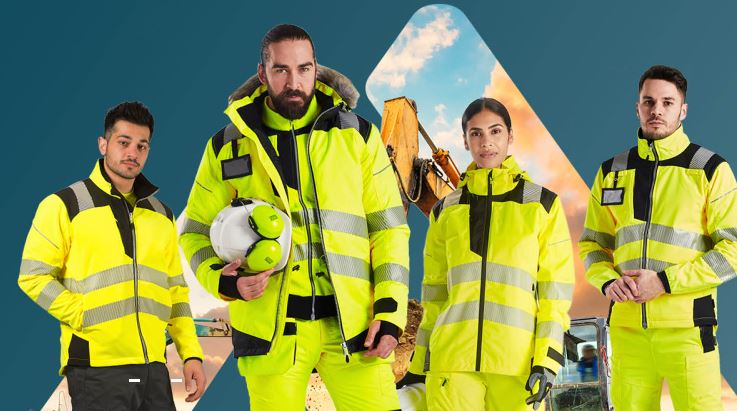
When it comes to workplace safety in high-risk environments, fire resistant workwear stands as one of the most critical forms of personal protective equipment (PPE). Industries across the UK and worldwide rely on flame resistant clothing to protect workers from thermal hazards, flash fires, and electric arc incidents. Understanding the importance of quality fire resistant workwear and choosing the right supplier can mean the difference between life and death in hazardous working conditions.
What is Fire Resistant Workwear?
Fire resistant workwear, also known as flame resistant clothing or FR clothing, is specially designed personal protective equipment that provides protection against heat, flames, and thermal hazards. Unlike regular clothing that can ignite and continue burning, fire resistant workwear is engineered to self-extinguish when the ignition source is removed, preventing the spread of flames and reducing the severity of burn injuries.
The primary function of fire resistant workwear is to create a barrier between the worker and potential thermal hazards, including:
- Flash fires and sustained flames
- Molten metal splashes
- Electric arc flash incidents
- Radiant heat exposure
- Hot surfaces and equipment
This specialised workwear is essential in numerous industries where workers face daily exposure to fire and heat hazards, making it a non-negotiable component of workplace safety protocols.
Industries Requiring Fire Resistant Workwear
The demand for fire resistant workwear spans across multiple industries in the UK and globally. Each sector presents unique challenges and hazards that require specific types of flame resistant clothing:
Oil and Gas Industry
The oil and gas sector represents one of the largest consumers of fire resistant workwear. Workers in refineries, offshore platforms, and petrochemical plants face constant exposure to flammable substances and high-temperature processes. Fire resistant workwear in this industry must meet stringent safety standards while providing comfort during long shifts in challenging conditions.
Electrical and Utilities
Electrical workers and utility professionals require fire resistant workwear that protects against arc flash incidents. These sudden releases of electrical energy can generate temperatures exceeding 19,000°C, making proper FR clothing essential for survival. The electrical industry demands workwear that meets specific arc ratings and provides adequate coverage for various voltage levels.
Welding and Metal Fabrication
Welders and metal fabricators work with high-temperature processes that generate sparks, molten metal, and intense heat. Fire resistant workwear in this sector must offer protection against splatter while maintaining flexibility for precise work movements. Heavy-duty FR clothing is often required to withstand the rigorous demands of metalworking environments.
Chemical Processing
Chemical plants and processing facilities present unique fire hazards due to the presence of reactive substances and high-temperature processes. Fire resistant workwear in chemical processing must provide protection against both thermal hazards and chemical exposure, often requiring multi-hazard protection capabilities.
Mining and Construction
Mining operations and construction sites frequently involve activities that generate sparks, heat, and potential fire hazards. Workers in these industries require durable fire resistant workwear that can withstand harsh conditions while providing reliable protection against thermal risks.
Key Features of Quality Fire Resistant Workwear
When selecting fire resistant workwear, several critical features distinguish high-quality protective clothing from inferior alternatives:
Fabric Technology
The foundation of effective fire resistant workwear lies in advanced fabric technology. Modern FR fabrics utilise either inherently flame resistant fibres or chemically treated materials that provide lasting protection. Inherently flame resistant fabrics maintain their protective properties throughout the garment's lifecycle, while treated fabrics rely on chemical applications that may diminish over time.
Thermal Protection Value (TPV)
TPV measurements indicate the level of protection provided by fire resistant workwear against second-degree burns. Higher TPV ratings offer greater protection, with different industries requiring specific minimum TPV levels based on their hazard assessments.
Arc Rating (ATPV/EBT)
For electrical applications, arc rating measurements determine the fabric's ability to protect against arc flash incidents. The Arc Thermal Performance Value (ATPV) or Energy Breakopen Threshold (EBT) ratings help ensure workers receive appropriate protection for their specific electrical hazards.
Comfort and Breathability
Modern fire resistant workwear incorporates moisture-wicking properties and breathable fabrics to maintain worker comfort during extended wear. This balance between protection and comfort is crucial for compliance and worker acceptance of FR clothing requirements.
Durability and Maintenance
Quality fire resistant workwear must withstand repeated washing and industrial use while maintaining protective properties. Industrial laundry compatibility and colorfastness are essential features for long-term performance and cost-effectiveness.
Portwest Fire Resistant Workwear: Industry-Leading Protection
Hall-Fast's extensive range of fire resistant workwear features prominently the industry-leading Portwest brand, renowned for its innovative approach to flame resistant clothing. The Portwest flame resistant collection represents decades of research and development in protective fabric technology.
Portwest FR Fabric Technologies
Portwest employs cutting-edge fabric technologies in their fire resistant workwear range, including:
Bizflame™ Fabric: This inherently flame resistant fabric provides excellent protection against heat and flames while maintaining comfort and durability. The fabric's inherent properties ensure protection remains effective throughout the garment's lifecycle.
Modaflame™ Technology: Combining inherently flame resistant fibres with high-performance materials, Modaflame™ fabrics offer superior protection against multiple hazards while providing exceptional comfort and moisture management.
FR Cotton: Traditional yet effective, FR cotton fabrics provide reliable protection in various industrial applications while offering the familiar feel and comfort of cotton workwear.
Comprehensive Portwest FR Range
The Portwest fire resistant workwear collection encompasses a complete range of protective clothing options:
FR Coveralls: Designed for maximum protection and convenience, Portwest FR coveralls provide full-body coverage with features like multiple pockets, reinforced stress points, and easy-care properties.
FR Jackets and Coats: Professional-grade protective outerwear that combines flame resistance with weather protection, suitable for outdoor industrial applications.
FR Shirts and Polo Shirts: Comfortable flame resistant upper body protection that maintains professional appearance while providing essential safety features.
FR Trousers: Durable lower body protection designed for industrial environments, featuring reinforced knees and practical pocket configurations.
Multi-Hazard Protection: Specialised garments that combine flame resistance with high-visibility, chemical protection, or anti-static properties for comprehensive workplace safety.
Compliance and Standards for Fire Resistant Workwear
Understanding regulatory requirements and industry standards is crucial when selecting fire resistant workwear for UK operations. Multiple organisations establish guidelines and testing protocols to ensure consistent protection levels across different applications.
European Standards (EN Standards)
EN 11612 (formerly EN 531) establishes requirements for protective clothing against heat and flames, covering limited flame spread, convective heat, radiant heat, and molten metal splash protection. This standard ensures fire resistant workwear meets minimum performance criteria for European markets.
EN 61482 addresses protective clothing for electrical workers, establishing arc protection requirements and testing methodologies. This standard is particularly relevant for utility workers and electrical contractors requiring arc flash protection.
International Standards
ISO 11611 covers protective clothing for welding and allied processes, ensuring fire resistant workwear provides appropriate protection against welding hazards including sparks, molten metal splashes, and radiant heat.
NFPA 2112 establishes requirements for flame resistant garments used in industrial applications, particularly relevant for oil and gas industry applications where US standards may apply to UK operations.
Industry-Specific Requirements
Different industries may have additional requirements beyond basic standards. Oil and gas companies often maintain proprietary specifications for fire resistant workwear, while electrical utilities may require specific arc ratings for different voltage levels.
Selecting the Right Fire Resistant Workwear Supplier
Choosing an appropriate supplier for fire resistant workwear requires careful consideration of multiple factors that impact both safety and cost-effectiveness. Hall-Fast's extensive experience in the PPE and workwear industry, spanning nearly two decades since founder Malcolm Hall MBE established the company in August 2006, provides customers with unparalleled expertise in fire resistant workwear selection and supply.
Supplier Expertise and Experience
Hall-Fast's comprehensive understanding of the fire resistant workwear market stems from years of experience serving diverse industries across the UK and internationally. The company's wealth of knowledge encompasses manufacturing processes, distribution networks, and reseller relationships that ensure customers receive optimal products for their specific applications.
Product Range and Availability
With approximately 200,000 standard items available, Hall-Fast provides one of the UK's most comprehensive selections of fire resistant workwear and related PPE. This extensive inventory ensures customers can source complete protection solutions from a single supplier, streamlining procurement processes and reducing administrative overhead.
Quality Assurance and Brand Partnerships
Hall-Fast's partnership with leading brands like Portwest ensures access to industry-leading fire resistant workwear technologies. The company's commitment to quality extends beyond product selection to encompass ongoing support, technical guidance, and after-sales service that maximises the value of PPE investments.
International Recognition and Awards
Hall-Fast's success in international markets, recognised through numerous industry awards, demonstrates the company's ability to meet diverse global requirements for fire resistant workwear. This international experience translates to enhanced product knowledge and supply chain capabilities that benefit UK customers.
The Evolution of Fire Resistant Workwear Technology
The fire resistant workwear industry continues to evolve, driven by advancing fabric technologies, changing workplace demands, and increasingly stringent safety requirements. Understanding these developments helps businesses make informed decisions about their protective clothing investments.
Advanced Fabric Innovations
Modern fire resistant workwear incorporates sophisticated fabric technologies that provide enhanced protection while improving comfort and durability. These innovations include:
Moisture Management Systems: Advanced wicking technologies that move perspiration away from the skin while maintaining flame resistant properties, crucial for worker comfort in demanding environments.
Stretch Technology: Incorporation of elastane and other stretch fibres that maintain flame resistance while providing improved mobility and fit.
Antimicrobial Treatments: Specialised treatments that prevent odour-causing bacteria growth, extending wear time and improving hygiene in demanding work environments.
Multi-Hazard Integration: Fabrics that combine flame resistance with other protective properties like chemical resistance, cut protection, or static dissipation.
Smart Textile Integration
Emerging technologies are beginning to integrate smart textile capabilities into fire resistant workwear, including:
Temperature Monitoring: Embedded sensors that monitor ambient temperatures and alert wearers to thermal hazards before they become dangerous.
Physiological Monitoring: Systems that track worker vital signs and heat stress indicators to prevent heat-related illnesses.
Communication Integration: Wearable technology that enables hands-free communication in noisy industrial environments while maintaining flame resistant properties.
Economic Considerations for Fire Resistant Workwear
Investing in quality fire resistant workwear requires balancing initial costs with long-term value, including safety benefits, compliance requirements, and total cost of ownership considerations.
Cost-Benefit Analysis
While fire resistant workwear may have higher initial costs compared to standard clothing, the investment provides significant value through:
Injury Prevention: Reduced burn injuries translate to lower workers' compensation costs, reduced absenteeism, and improved productivity.
Compliance Assurance: Proper FR clothing helps businesses meet regulatory requirements and avoid costly citations or work stoppages.
Durability Benefits: Quality fire resistant workwear often outlasts standard clothing, reducing replacement frequency and total ownership costs.
Lifecycle Cost Management
Effective fire resistant workwear programs consider total lifecycle costs, including:
Procurement Efficiency: Partnering with comprehensive suppliers like Hall-Fast reduces administrative costs and ensures consistent product availability.
Maintenance Programs: Proper care and maintenance extend garment life while maintaining protective properties.
Inventory Management: Strategic inventory planning prevents stockouts while minimising carrying costs.
Training and Education for Fire Resistant Workwear
Successful fire resistant workwear programs require comprehensive training and education to ensure proper selection, use, and maintenance of protective clothing.
Worker Education
Effective worker education programs should cover:
Hazard Recognition: Understanding when and where fire resistant workwear is required based on workplace hazards.
Proper Selection: Choosing appropriate protection levels and garment types for specific tasks and environments.
Correct Usage: Proper donning, doffing, and wear procedures that maximise protection effectiveness.
Maintenance Requirements: Understanding care instructions and recognising when garments require replacement.
Management Training
Supervisors and safety managers require additional training in:
Compliance Requirements: Understanding applicable standards and regulations for their specific industry and operations.
Program Administration: Implementing and managing comprehensive FR clothing programs.
Inspection Procedures: Conducting regular inspections to ensure garment integrity and proper use.
Future Trends in Fire Resistant Workwear
The fire resistant workwear industry continues evolving, driven by technological advances, changing workplace demands, and environmental considerations.
Sustainability Initiatives
Environmental consciousness is driving demand for sustainable fire resistant workwear options, including:
Recycled Materials: Incorporation of recycled fibres and materials in FR fabric production.
Biodegradable Options: Development of flame resistant fabrics that break down naturally at end of life.
Circular Economy Models: Programs that facilitate garment recycling and material recovery.
Enhanced Protection Technologies
Ongoing research and development efforts focus on:
Improved Comfort: Advanced fabrics that provide better breathability and moisture management while maintaining protection.
Extended Durability: Longer-lasting protective properties that reduce replacement frequency.
Multi-Hazard Integration: Garments that protect against multiple workplace hazards simultaneously.
Hall-Fast remains at the forefront of these developments, continuously expanding their fire resistant workwear offerings to meet evolving customer needs. The company's commitment to innovation, combined with their extensive industry experience and comprehensive product range, positions them as the premier supplier for fire resistant workwear in the UK and internationally.
For businesses seeking reliable fire resistant workwear solutions, Hall-Fast offers unmatched expertise, comprehensive product selection, and proven performance. Visit Hall-Fast's contact page to discuss your specific fire resistant workwear requirements and discover how their solutions can enhance workplace safety in your operations.
Hall-Fast - Whatever Your Industry Needs Worldwide!