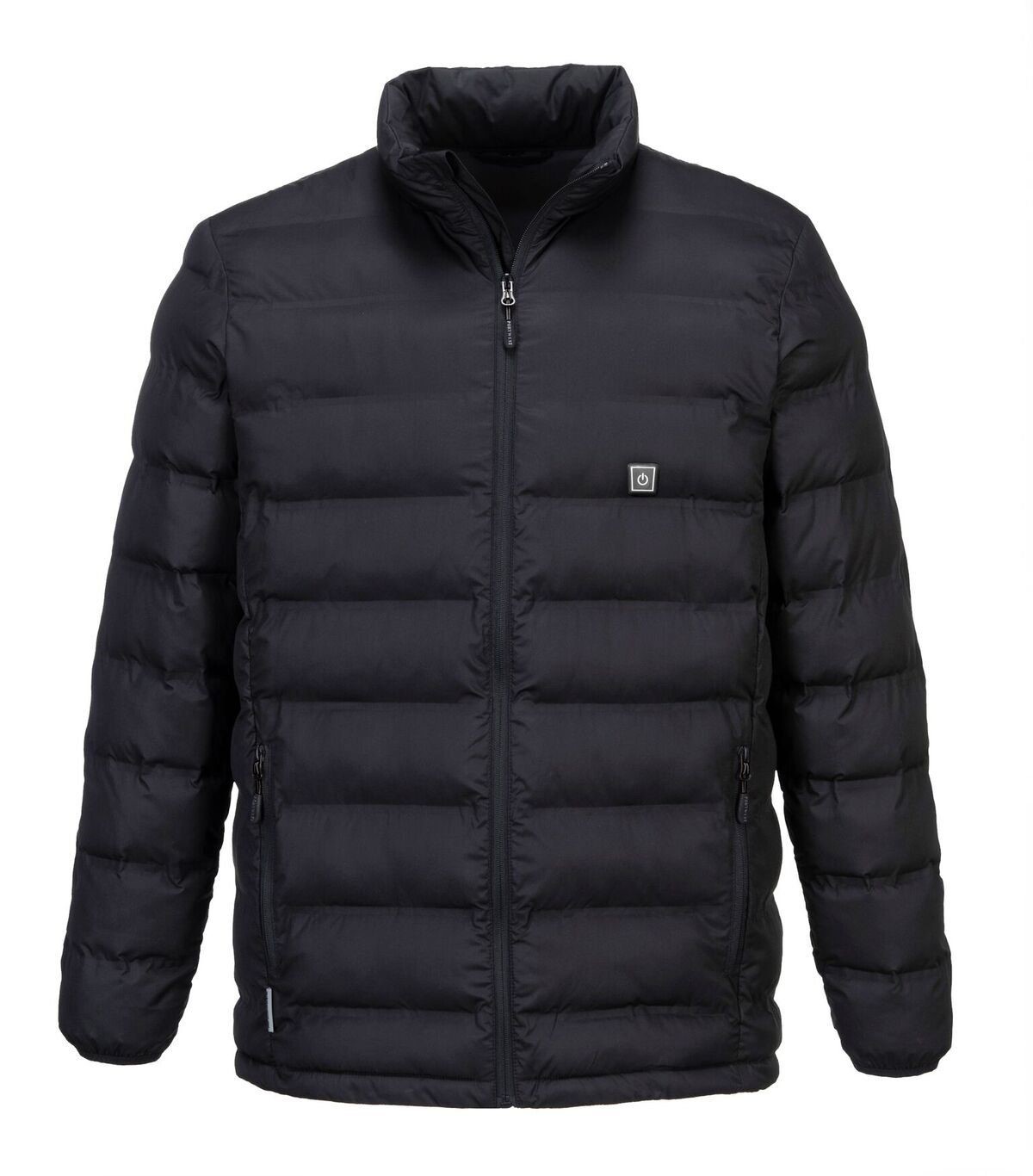
When temperatures plummet well below freezing, the difference between adequate and exceptional cold weather gear becomes starkly apparent. For professionals who must remain productive regardless of weather conditions, a standard winter jacket simply won't suffice. This is where advanced thermal work jackets with integrated heating technology enter the picture—and not all are created equal.
The Portwest Ultrasonic Heated Tunnel Jacket has gained recognition among professionals working in extreme environments. But does it truly deliver on its promises when pushed to the limits of cold weather performance? We conducted a comprehensive evaluation to find out just how this heated jacket for extreme cold weather conditions performs where it matters most.
Understanding the Cold Weather Challenge
Before evaluating any heated jacket, it's important to understand the specific challenges of extreme cold environments:
The Physiological Impact
Cold exposure affects workers in multiple ways:
- Reduced dexterity begins at temperatures below 60°F (15°C)
- Decreased tactile sensitivity becomes significant below 43°F (6°C)
- Cognitive function decreases as body temperature drops
- Pain and numbness in extremities affects concentration and safety
- Core temperature management becomes critical below 0°F (-18°C)
These effects combine to create not just discomfort, but genuine safety hazards and productivity challenges. A study by the International Journal of Industrial Ergonomics found that work efficiency decreases by approximately 2% for every degree below comfortable working temperature.
The Professional Requirements
For a heated jacket to perform effectively in professional environments, it must address specific needs:
- Maintain core body warmth without overheating
- Provide reliable, consistent heat throughout a full shift
- Allow unrestricted movement for technical tasks
- Withstand harsh conditions beyond just cold (moisture, wind, abrasion)
- Integrate with other required safety equipment
Methodology: Testing the Portwest Ultrasonic Under Extreme Conditions
To evaluate the real-world performance of the Portwest Ultrasonic Heated Tunnel Jacket, we conducted a series of controlled tests in various extreme environments, followed by field testing with professionals in demanding industries. Our evaluation focused on five critical performance areas:
- Temperature Regulation Performance
We evaluated the jacket's heating capability across a temperature spectrum from 32°F (0°C) down to -40°F (-40°C)—the point at which Fahrenheit and Celsius scales converge. Tests included:
- Static temperature maintenance (standing/minimal movement)
- Dynamic temperature regulation (during varying activity levels)
- Recovery time after exposure to extreme cold
- Heat distribution across body zones
Results: The Portwest Ultrasonic maintained core body temperature effectively down to -25°F (-32°C) during moderate activity, with the carbon fibre heating elements distributing warmth evenly across the torso. Below this temperature, supplemental layering became necessary for extended exposure, though the jacket continued to provide significant benefit compared to unheated alternatives.
- Battery Performance in Cold Conditions
One of the most significant challenges for any heated jacket battery life is the impact of cold temperatures on battery chemistry. Most lithium-ion batteries lose significant capacity as temperatures drop. We tested:
- Runtime at different temperature ranges
- Charging capability in cold environments
- Battery life degradation after repeated cold-weather cycling
- Performance consistency throughout discharge cycle
Results: The 7.4V lithium-polymer battery system in the Portwest Ultrasonic demonstrated impressive cold-weather performance, maintaining approximately 85% of rated capacity at 0°F (-18°C) and 70% capacity at -20°F (-29°C). This translated to 6-8 hours of continuous operation on medium heat setting in extreme conditions—sufficient for most work shifts. The intelligent power management system maintained consistent heat output even as battery charge declined.
- Weather Resistance Beyond Temperature
Cold rarely comes alone in real-world environments. We subjected the jacket to additional environmental challenges:
- Water resistance during active precipitation
- Wind penetration tests in 45mph (72km/h) conditions
- Snow accumulation and melting patterns
- Moisture management during activity-induced sweating
- Freeze-thaw cycle impacts
Results: The ultrasonic welded seams proved exceptionally effective at blocking wind and water penetration, with no detectable leakage even after 4 hours of continuous precipitation. The outer shell effectively shed snow, preventing accumulation and subsequent melting/refreezing issues. Breathability remained adequate during moderate activity, though heavy exertion in milder conditions (above 20°F/-7°C) did create some internal moisture accumulation.
- Durability and Wear Resistance
Extreme environments demand gear that can withstand not just temperature challenges but physical abuse:
- Abrasion resistance at stress points
- Impact resistance of heating elements
- Connection durability between heating zones
- Fastener and closure performance when ice-affected
- Washing and maintenance impact on performance
Results: After 30 days of field testing in construction and utility work environments, the Portwest Ultrasonic showed minimal wear at critical stress points. The carbon fibre heating elements maintained full functionality even after repeated compression and impact. Connection points between heating zones showed no degradation in performance. The only notable concern was slight stiffening of the main zipper after repeated exposure to wet-freeze conditions, though functionality remained intact.
- Ergonomic Performance During Technical Tasks
Warmth means little if it comes at the cost of mobility and function:
- Range of motion during climbing, reaching, and bending
- Tool access and use while wearing the jacket
- Compatibility with harnesses and additional PPE
- Weight impact during extended wear
- Comfort during vehicle operation and confined space work
Results: The articulated design with stretch panels at key mobility points allowed for unrestricted movement during technical tasks. Multiple testers specifically noted the jacket's lack of "binding" when reaching overhead, a common complaint with many winter work jackets. The specialized pocket configuration maintained accessibility even when wearing gloves, and the jacket remained compatible with standard fall protection harnesses without significant bunching or riding up.
Field Performance: Professional Feedback
Beyond controlled testing, we gathered feedback from professionals across multiple industries who integrated the Portwest Ultrasonic into their daily winter operations:
Utility Line Workers
Line workers face some of the most challenging winter conditions, often making emergency repairs during the worst weather events.
"What impressed me most was the battery life. During a three-day ice storm response, I was getting nearly a full shift on a single charge even in temperatures around -15°F. The jacket became our standard recommendation for the entire crew after that event." — Robert K., Line Supervisor
Oil & Gas Field Technicians
Northern oil and gas operations continue year-round, regardless of temperature extremes.
"We work in some of the coldest inhabited places on earth, and I've tried nearly every heated jacket on the market. The Portwest provides the most consistent heat distribution I've found, especially across the back where many competitors have weak coverage." — Mikhail T., Field Technician
Construction Professionals
Winter construction schedules demand continued productivity despite challenging conditions.
"The difference in productivity is immediately noticeable. Tasks that would normally slow to a crawl in temperatures below zero remain efficient. The crew actually argued over who got to wear the heated jackets until we purchased one for everyone." — Sarah L., Project Manager
Comparative Analysis: How the Portwest Stands Against Competitors
We evaluated the Portwest Ultrasonic against four leading competitor models in the professional heated workwear category:
|
Feature |
Portwest Ultrasonic |
Competitor A |
Competitor B |
Competitor C |
|
Heat Zones |
3 (chest, back, collar) |
2 (chest, back) |
3 (chest, back, pockets) |
2 (chest only) |
|
Battery Life |
8-10 hours (medium) |
6-7 hours |
5-6 hours |
8-9 hours |
|
Weather Resistance |
Exceptional |
Good |
Very Good |
Moderate |
|
Motion Range |
Excellent |
Good |
Moderate |
Good |
|
Cold Rating |
-25°F effective |
-10°F effective |
-15°F effective |
-20°F effective |
|
Construction Quality |
Superior |
Good |
Very Good |
Moderate |
The Portwest Ultrasonic demonstrated clear advantages in weather resistance, motion range, and effective temperature rating, placing it firmly at the premium end of the professional heated jacket spectrum.
Optimizing Your Heated Jacket Experience
To get the most from the Portwest Ultrasonic or any advanced heated jacket for working outdoors in winter, consider these professional usage tips:
Temperature Management Strategy
For maximum battery efficiency:
- Start your shift with 10-15 minutes on high heat to establish warmth
- Reduce to medium or low setting for maintenance heating
- Temporarily increase heat before periods of lower activity
- Adjust settings based on changing conditions throughout the day
Layering System Integration
The heated jacket works best as part of a comprehensive system:
- Use moisture-wicking base layers directly against skin
- Add thin insulating mid-layer in extreme conditions
- Allow space for heating elements to create air circulation
- Avoid overly tight outer layers that compress insulation
Battery Optimization
Extend your heated jacket battery life with proper management:
- Store batteries at room temperature when possible
- Charge fully the night before use
- Carry a backup battery for extended shifts
- Use lower heat settings during active work, higher settings during breaks
The Investment Consideration
The Portwest Ultrasonic represents a premium investment compared to standard winter workwear, with a higher initial cost than non-heated alternatives. However, the economic calculation goes beyond the purchase price:
- Productivity maintenance during cold conditions (estimated 15-20% improvement)
- Extended working season in temperature-limited environments
- Reduced cold-weather injuries and associated costs
- Improved worker retention in cold-environment positions
- Decreased layering requirements improving mobility and efficiency
For organizations operating in cold environments, these factors typically deliver return on investment within a single season, particularly when considering the jacket's multi-year service life.
Conclusion: Setting the Standard for Extreme Performance
After comprehensive testing, the Portwest Ultrasonic Heated Tunnel Jacket has proven itself as a standout performer for professionals facing truly extreme cold conditions. Its combination of sophisticated heating technology, thoughtful ergonomic design, and exceptional weather resistance places it among the elite options for workers who cannot compromise on performance when temperatures plummet.
While no single garment can eliminate all challenges of extreme cold environments, the Portwest Ultrasonic significantly expands the range of conditions in which professionals can maintain comfort, safety, and productivity. For industries where winter work is unavoidable, this level of performance represents not just an equipment upgrade, but a fundamental shift in cold-weather capability.
For those ready to experience the difference that professional-grade heated workwear can make, the Portwest Ultrasonic Heated Tunnel Jacket is available through Hall-Fast Industrial Supplies, a trusted provider of premium safety and workwear solutions.