In industrial environments where workers regularly handle sharp materials, operate cutting equipment, or process materials with sharp edges, hand injuries remain among the most common workplace incidents. According to the Health and Safety Executive (HSE), hand injuries account for nearly 30% of all workplace accidents in the UK, with cuts and lacerations representing a significant portion of these incidents.
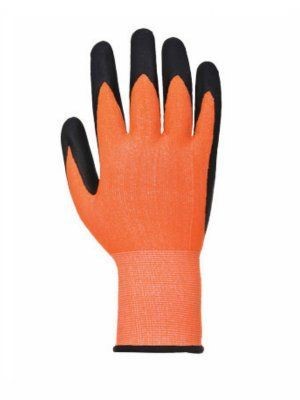
Modern cut resistant gloves have evolved dramatically in recent years, with advanced materials and manufacturing techniques creating products that offer exceptional protection while maintaining the dexterity and comfort necessary for precision tasks. For safety managers and procurement professionals, understanding the nuances of cut resistance standards, material options, and application-specific requirements is essential to selecting appropriate hand protection for their workforce.
Understanding Cut Resistance Standards and Ratings
The evaluation and classification of cut resistant gloves has undergone significant changes in recent years, creating potential confusion for those responsible for hand protection procurement. Current standards provide a standardized framework for comparing different products:
EN 388:2016 - European Standard
The primary standard for mechanical risks in the UK and Europe, EN 388:2016 includes cut resistance as one of its key testing criteria. The standard uses two different cut resistance tests:
Coup Test (A-E scale) This traditional test measures cut resistance by determining how many cycles are needed for a rotating circular blade to cut through the glove material under a fixed load. Results are expressed on a scale from A (lowest) to E (highest).
ISO 13997 / TDM Test (A-F scale) This newer test method, required for highly cut-resistant materials that might dull the blade in the Coup test, measures the force required to cut through the material in a single stroke. Results are expressed on a scale from A (lowest) to F (highest).
"Understanding these ratings is crucial when comparing different gloves," explains Malcolm Hall, Managing Director at Hall-Fast. "A glove with a Level D ISO cut rating offers substantially more protection than one with a Level A rating, which could make all the difference in high-risk environments."
ANSI/ISEA 105-2016 - American Standard
While the European standard is primary in the UK, some manufacturers use the American ANSI/ISEA 105 standard, which rates cut resistance on a scale from A1 (lowest) to A9 (highest). Understanding the approximate equivalencies between these standards can be helpful when evaluating products:
|
EN 388:2016 (ISO) |
ANSI/ISEA 105-2016 |
Protection Level |
|
A |
A1 |
Low |
|
B |
A2-A3 |
Medium |
|
C |
A4 |
High |
|
D |
A5 |
Very High |
|
E |
A6-A7 |
Extremely High |
|
F |
A8-A9 |
Maximum |
Innovative Materials in Modern Cut Resistant Gloves
The evolution of cut resistant technology has introduced a range of specialized materials and composite fabrics:
High-Performance Polyethylene (HPPE)
Brands like Dyneema® and Spectra® represent a revolution in cut resistance:
- 10-15 times stronger than steel on a weight-for-weight basis
- Excellent cut and abrasion resistance
- Lightweight and comfortable for extended wear
- Maintains flexibility and dexterity
- Often blended with other fibres for enhanced properties
Para-aramid Fibers
Materials such as Kevlar® and Twaron® offer:
- Excellent cut resistance and heat protection
- Good durability and longevity
- Inherent flame resistance
- Reduced effectiveness when wet
- Often used in composite constructions with other materials
Composite Materials
Modern cut resistant gloves frequently combine multiple materials:
- Steel or fiberglass cores wrapped with engineered yarns
- Multiple layer constructions offering graduated protection
- Specialized blends optimized for specific applications
- Enhanced properties through material synergies
Coatings and Finishes
Surface treatments significantly impact performance:
- Nitrile, polyurethane, or latex coatings for grip and puncture resistance
- Sandy or foam finishes for enhanced grip in oily or wet conditions
- Silicone-free options for painting and automotive applications
- Antimicrobial treatments for food processing environments
Matching Glove Selection to Application Requirements
Different industrial environments present unique hazards requiring specific protective features:
Metal Fabrication and Machining
These environments typically involve:
- Sharp metal edges and burrs
- Metal swarf and shavings
- Possible oil or cutting fluid exposure
- Requirements for high dexterity during assembly
Recommended gloves for these environments generally feature:
- Cut resistance levels D-F (ISO) or A5-A7 (ANSI)
- Oil-resistant coatings for grip in the presence of lubricants
- Reinforced areas between thumb and forefinger
- Close-fitting designs for machine operation safety
Glass and Ceramics Handling
These brittle materials create unique hazards:
- Extremely sharp edges when broken
- Often involve wet processing
- Frequently require high tactile sensitivity
- May include handling of large, awkward pieces
Appropriate gloves typically include:
- Cut resistance levels C-E (ISO) or A4-A6 (ANSI)
- Extended cuffs for wrist protection
- Textured grip surfaces for wet conditions
- Often uncoated backs for enhanced breathability during extended wear
Food Processing
This specialized environment requires:
- Protection against both cuts and cold (in refrigerated areas)
- Compliance with food safety regulations
- Frequent washing and sanitizing
- High visibility for foreign object detection
Food-grade cut resistant gloves typically feature:
- Cut resistance levels B-D (ISO) or A3-A5 (ANSI)
- Materials that maintain performance when wet
- Often available in detectable blue for food safety
- Designs that withstand repeated washing and sanitizing
Automotive and Manufacturing Assembly
These environments often involve:
- Sharp metal or composite edges
- Assembly of components with diverse materials
- Often require significant manual dexterity
- May include exposure to oils and fluids
Recommended gloves typically include:
- Cut resistance levels B-D (ISO) or A2-A5 (ANSI)
- Thin, form-fitting designs for precision work
- Often feature touchscreen compatibility for digital interfaces
- Knitted designs that eliminate seams in critical areas
"The key is balancing the level of protection with the dexterity and comfort requirements of the specific task," notes Hall. "Overprotection can be as problematic as under protection if it causes workers to remove gloves to complete precision tasks."
Beyond Cut Resistance: Other Critical Selection Factors
While cut resistance ratings provide important guidance, several other factors should influence glove selection:
Dexterity and Tactile Sensitivity
Worker acceptance depends heavily on how well gloves allow precise manipulation:
- Gauge (thickness) of the glove material significantly impacts dexterity
- Seamless knitted construction enhances flexibility
- Fingertip designs vary in sensitivity
- Coating types and coverage affect tactile feedback
Grip Performance
Secure handling reduces both injury risk and product damage:
- Different coating materials excel in different conditions
- Microporous coatings often provide excellent dry grip
- Sandy or foam nitrile typically performs better in oily conditions
- Some specialized coatings perform well across multiple environments
Comfort and Fit
Gloves that aren't worn provide no protection:
- Proper sizing is essential (many manufacturers offer extended size ranges)
- Breathability significantly impacts comfort during extended wear
- Liner materials affect moisture management and skin comfort
- Cuff designs impact ease of donning and doffing
Durability and Cost Considerations
Total cost of ownership extends beyond purchase price:
- More durable gloves may offer lower cost per wear despite higher initial cost
- Washable designs can extend service life in some applications
- Degradation patterns vary by material and usage
- Some modern designs feature wear indicators showing when replacement is needed
Implementing an Effective Hand Protection Program
Selecting appropriate cut resistant gloves is just one component of a comprehensive hand protection program:
Risk Assessment
Thorough evaluation of hand injury risks should include:
- Systematic identification of cut and puncture hazards
- Analysis of force levels and exposure duration
- Consideration of environmental factors (wet, oily, temperature extremes)
- Evaluation of dexterity requirements for each task
Worker Involvement
Successful programs engage the workforce:
- Include end-users in glove selection and evaluation
- Conduct wear trials before large-scale deployment
- Solicit feedback on comfort, functionality, and durability
- Address concerns and preferences where possible
Training and Awareness
Education enhances effectiveness:
- Proper glove donning and inspection procedures
- Understanding protection limitations
- Recognizing when gloves need replacement
- Task-specific hand safety awareness
Program Monitoring and Improvement
Continuous evaluation drives refinement:
- Track hand injury rates before and after implementation
- Monitor glove consumption and replacement patterns
- Regularly review new product innovations
- Document cost savings and performance improvements
Special Considerations for UK Work Environments
Several factors specifically relevant to UK industrial settings should influence glove selection:
Seasonal Variability
The UK's variable climate creates challenges:
- Winter conditions may require thermal protection alongside cut resistance
- Summer heat can impact comfort and compliance
- Indoor/outdoor work transitions can create condensation issues
- Wet conditions are common and can affect glove performance
Regulatory Compliance
UK-specific requirements include:
- Personal Protective Equipment at Work Regulations 1992 (as amended)
- Health and Safety at Work Act 1974 obligations
- Industry-specific requirements (food safety, healthcare, etc.)
- Post-Brexit adjustments to product certification standards
Energy Efficiency Considerations
With rising energy costs in the UK:
- Gloves that allow comfortable work in lower ambient temperatures
- Thermal-lined cut resistant options for unheated work areas
- Balancing thermal protection with dexterity requirements
- Considering impact on productivity in temperature-controlled environments
Emerging Trends in Cut Resistant Hand Protection
The cut resistant glove market continues to evolve with several notable trends:
Sustainable and Bio-Based Materials
Environmental considerations are driving innovation:
- Recycled content in engineered yarns
- Bio-based coating alternatives
- Reduced packaging waste
- End-of-life recycling programs
Smart Textiles and Monitoring
Technology integration is emerging:
- Impact and cut detection sensors
- Usage monitoring for compliance verification
- Temperature alert systems for extreme conditions
- Connected PPE for safety management systems
Enhanced Ergonomics
Focus on reducing hand fatigue is increasing:
- Anatomically designed hand shapes
- Variable thickness for balanced protection and flexibility
- Reduced weight through material innovations
- Anti-vibration features for power tool operation
Multi-Hazard Protection
Consolidated protection simplifies PPE programs:
- Combined cut and impact protection
- Cut resistance with chemical splash protection
- Arc flash and cut resistant combinations
- Thermal protection with maintained cut resistance
Getting Expert Assistance with Cut Resistant Glove Selection
Given the complexity of modern cut resistant glove options and the importance of proper selection for workplace safety, many UK safety managers and procurement professionals benefit from expert guidance. Working with knowledgeable suppliers can help navigate the often confusing array of options to find solutions that balance protection, comfort, and cost-effectiveness.
Hall-Fast offers comprehensive solutions for industrial hand protection, including cut resistant gloves for various applications. Their team understands the unique challenges faced by UK industrial operations and can help develop hand protection strategies tailored to specific workplace requirements.
For additional assistance in selecting the right cut resistant gloves for your specific industrial applications, contact a specialist at Hall-Fast via sales@hall-fast.com or visit their industrial commercial equipment page for more information on available products and solutions.
With the right approach to cut resistant glove selection, UK industrial facilities can significantly reduce hand injuries, improve worker comfort and compliance, and optimize their hand protection program's cost-effectiveness.