Workplace safety has evolved from a regulatory requirement to a fundamental business imperative that affects every aspect of modern industrial operations. Today's organizations recognize that comprehensive safety programs not only protect employees but also enhance productivity, reduce costs, and improve overall business performance. Understanding the full spectrum of workplace safety solutions available and how to implement them effectively is essential for any organization committed to creating truly safe work environments.
The Foundation of Modern Workplace Safety
Modern workplace safety encompasses far more than traditional approaches to accident prevention. Contemporary safety programs integrate advanced technology, comprehensive risk assessment, environmental considerations, and human factors engineering to create holistic safety solutions that address the complex challenges of today's work environments.
The evolution of workplace safety has been driven by several factors including technological advancement, increased regulatory scrutiny, growing awareness of occupational health issues, and recognition of the business benefits of effective safety programs. These factors have combined to create demand for more sophisticated, comprehensive approaches to workplace safety.
Effective workplace safety programs require integration across multiple disciplines including engineering, human resources, operations management, and regulatory compliance. This integration ensures that safety considerations are embedded in all aspects of business operations rather than treated as separate, standalone activities.
Essential Safety Equipment Categories
Personal Protective Equipment and Workwear
Personal protective equipment (PPE) represents the final line of defense in workplace safety systems, providing individual protection when other safety measures cannot completely eliminate hazards. The selection and management of PPE requires careful consideration of workplace risks, user needs, and regulatory requirements.
Hall-Fast understands the critical importance of high-quality workwear and personal protective equipment. Their comprehensive safety at work category provides access to a full range of safety equipment designed to meet the diverse needs of modern workplaces. From basic protective clothing to specialized safety equipment, proper selection and use of PPE forms the foundation of individual worker protection.
Professional workwear must balance protection requirements with comfort, durability, and functionality. Workers who are comfortable in their protective equipment are more likely to use it consistently and correctly, making comfort a safety issue as well as a productivity concern. The Uneek workwear range exemplifies this balance, providing durable, comfortable options suitable for various work environments.
The management of PPE programs requires attention to selection criteria, training requirements, maintenance procedures, and replacement schedules. Effective PPE programs ensure that workers have access to appropriate protection while maintaining equipment in proper condition for maximum effectiveness.
Environmental Safety and Signage Systems
Clear, comprehensive signage systems play a crucial role in workplace safety by providing essential information about hazards, procedures, and emergency response. Effective signage must be visible, understandable, and positioned to provide maximum benefit in guiding safe behavior.
Hall-Fast offers comprehensive signage, labelling, and safety flooring solutions designed to meet the diverse needs of modern workplaces. These products must meet specific requirements for visibility, durability, and regulatory compliance while supporting the complex communication needs of contemporary work environments.
Safety flooring represents another critical component of environmental safety systems. Slip-resistant flooring materials, proper drainage systems, and appropriate surface treatments help prevent slips, trips, and falls, which represent some of the most common workplace injuries across all industries.
The design of environmental safety systems must consider the specific characteristics of different work areas while ensuring consistency in safety messaging and procedures. This requires careful planning and ongoing maintenance to ensure systems remain effective as work environments evolve.
Advanced Safety Technologies
Modern workplaces increasingly rely on advanced safety technologies to enhance traditional safety measures and provide new capabilities for hazard detection, monitoring, and response. These technologies can provide early warning of developing hazards, monitor worker behavior and exposure, and support rapid response to safety incidents.
Electronic monitoring systems can track air quality, noise levels, temperature, and other environmental factors that affect worker safety and health. These systems provide real-time data that enables proactive response to developing hazards before they result in injuries or illnesses.
Wearable safety technologies can monitor individual worker exposure to various hazards while providing personal alerts and communication capabilities. These devices can detect falls, monitor vital signs, track location, and provide automatic alerts when assistance is needed.
The integration of advanced safety technologies requires careful planning to ensure compatibility with existing systems while providing reliable operation in challenging work environments. These systems must be designed to support rather than replace human judgment and traditional safety measures.
Chemical Storage and Handling Safety
Hazardous Material Management Systems
Proper storage and handling of hazardous materials represents one of the most critical aspects of workplace safety across many industries. Chemical safety programs must address storage requirements, handling procedures, exposure prevention, and emergency response protocols.
Hall-Fast recognizes the importance of proper chemical storage in workplace safety programs. Their partnership with Asecos, a leading manufacturer of safety storage cabinets, provides access to specialized storage solutions designed for various types of hazardous materials commonly used in industrial environments.
The selection of chemical storage solutions must consider the specific properties of materials being stored, compatibility requirements, regulatory compliance needs, and access requirements for routine operations. Storage systems must provide appropriate containment while supporting safe, efficient access for authorized personnel.
Chemical handling procedures must be clearly documented and regularly updated to reflect changes in materials used, regulatory requirements, and best practices. These procedures must be supported by appropriate training programs and emergency response capabilities.
Specialized Storage Solutions
Different types of hazardous materials require specialized storage approaches that address their unique characteristics and risks. Flammable materials require fire-resistant storage with appropriate ventilation, while corrosive materials need specialized containment that prevents container degradation and environmental release.
Hall-Fast's ESD storage and handling solutions provide specialized storage options for materials and equipment that require protection from electrostatic discharge. These systems are essential in electronics manufacturing and other industries where static electricity can cause damage or safety hazards.
The design of specialized storage systems must consider not only the immediate storage requirements but also access needs, maintenance requirements, and integration with broader workplace safety systems. These systems must provide reliable protection while supporting efficient operations.
Industrial Equipment Safety and Maintenance
Equipment Safety Systems
Industrial equipment represents both essential tools for productivity and potential sources of serious workplace hazards. Comprehensive equipment safety programs must address design features, operational procedures, maintenance requirements, and emergency response capabilities.
Hall-Fast's extensive industrial and commercial equipment range includes products designed with safety as a primary consideration. From basic hand tools to complex industrial systems, proper equipment selection and management are essential for maintaining safe work environments.
Safety features in industrial equipment have evolved significantly, incorporating advanced technologies such as automated safety systems, remote monitoring capabilities, and integrated emergency stop functions. These features provide enhanced protection while supporting productive operations.
The implementation of equipment safety programs requires attention to selection criteria, installation requirements, operational training, and ongoing maintenance procedures. These programs must ensure that safety features remain effective throughout the equipment lifecycle.
Maintenance Safety Protocols
Equipment maintenance activities often present unique safety challenges, as maintenance personnel may need to work with equipment in non-standard configurations or bypass normal safety systems. Specialized safety protocols for maintenance activities are essential for protecting maintenance personnel while ensuring equipment remains in safe operating condition.
Lockout/tagout procedures represent a critical component of maintenance safety, ensuring that equipment cannot be unexpectedly energized during maintenance activities. These procedures must be clearly documented, regularly updated, and strictly enforced to prevent maintenance-related injuries.
The scheduling and coordination of maintenance activities must consider both equipment safety requirements and operational needs. Proper planning helps ensure maintenance can be performed safely while minimizing disruption to productive operations.
Cleaning and Hygiene Safety
Professional Cleaning Equipment and Protocols
Effective cleaning and hygiene programs are essential for maintaining safe, healthy work environments while preventing the accumulation of materials that could create safety hazards. Professional cleaning requires specialized equipment and procedures that address the unique challenges of different work environments.
Hall-Fast partners with leading cleaning equipment manufacturers, including Kärcher, to provide professional-grade cleaning solutions suitable for various industrial environments. These systems must provide effective cleaning while incorporating safety features that protect operators and other workers.
The selection of cleaning chemicals and equipment must consider potential interactions with other workplace materials, the safety of workers who use the equipment, and the impact on overall workplace safety. Products must provide effective cleaning while minimizing potential safety hazards.
Cleaning protocols must be integrated with broader workplace safety programs to ensure cleaning activities do not create new hazards while addressing existing safety concerns. This integration requires careful coordination between cleaning personnel and other workers.
Waste Management and Environmental Safety
Proper waste management is essential for maintaining safe work environments while meeting environmental regulations and corporate responsibility goals. Waste management systems must provide secure handling of various waste types while supporting efficient disposal procedures.
Hall-Fast offers comprehensive litter bins and waste management solutions designed for various industrial environments. These systems must provide appropriate containment while supporting safe, efficient waste handling procedures.
The design of waste management systems must consider the types of waste generated, regulatory requirements for different waste streams, and the safety of workers who handle waste materials. Proper waste management contributes significantly to overall workplace safety efforts.
Fire Safety and Emergency Preparedness
Comprehensive Fire Safety Systems
Fire safety represents one of the most critical aspects of workplace safety, requiring integrated systems that provide detection, suppression, and evacuation capabilities. Modern fire safety systems incorporate advanced technologies while maintaining reliability under emergency conditions.
Fire safety planning must consider the specific characteristics of different work areas, the types of materials and processes present, and the capabilities of workers who may need to respond to fire emergencies. This planning must address both prevention and response capabilities.
The integration of fire safety systems with other workplace safety systems can provide enhanced protection by automatically coordinating response to fire emergencies. These integrated systems help ensure appropriate response while minimizing confusion during emergency situations.
Emergency evacuation procedures must be clearly documented, regularly practiced, and designed to accommodate workers with different physical capabilities. Effective evacuation planning considers multiple scenarios while ensuring all workers can reach safety quickly and safely.
Emergency Communication and Response
Effective communication during emergencies is essential for coordinating response efforts and ensuring worker safety. Emergency communication systems must provide reliable operation even during power outages or other system failures that may accompany emergency situations.
Modern emergency communication systems often incorporate multiple communication methods including public address systems, mobile communication devices, and integration with local emergency services. These systems must be designed to function effectively in the challenging conditions that may exist during emergencies.
Staff training on emergency communication procedures is essential for ensuring these systems provide maximum benefit during actual emergencies. Regular drills and training exercises help ensure workers are prepared to use communication systems effectively when needed.
Specialized Industry Applications
Manufacturing and Production Safety
Manufacturing environments present unique safety challenges due to the combination of heavy machinery, complex processes, and high-volume production requirements. Safety programs in manufacturing must address multiple hazard types while supporting efficient production operations.
Machine guarding represents a critical component of manufacturing safety, providing physical barriers that prevent contact with moving machinery while allowing necessary access for operation and maintenance. Guard design must balance protection requirements with operational needs.
Process safety management addresses the unique risks associated with complex manufacturing processes, particularly those involving hazardous materials or high-energy systems. These programs require specialized expertise and ongoing attention to process changes and improvements.
The integration of safety systems with production systems can provide enhanced protection while supporting productive operations. These integrated systems must be designed to maintain safety protection even during production variations or equipment modifications.
Warehouse and Distribution Safety
Warehouse and distribution facilities present unique safety challenges related to material handling, vehicle operations, and storage systems. Safety programs in these environments must address the risks associated with high-volume material movement while maintaining efficient operations.
Forklift safety represents a critical component of warehouse safety programs, requiring attention to operator training, equipment maintenance, pedestrian protection, and traffic management. Effective forklift safety programs significantly reduce the risk of serious injuries in warehouse environments.
Storage system safety addresses the risks associated with high-density storage systems, including proper loading procedures, structural integrity monitoring, and safe access for inventory management. These systems must provide efficient storage while maintaining appropriate safety margins.
The design of warehouse layouts must consider safety requirements for vehicle operations, pedestrian movement, and emergency access. Proper layout design can significantly reduce safety risks while supporting efficient operations.
Office and Administrative Safety
Office Environment Safety
While office environments may appear to present fewer safety risks than industrial settings, they require attention to various safety considerations including ergonomics, indoor air quality, emergency preparedness, and workplace violence prevention.
Hall-Fast provides comprehensive solutions for office environments including office furniture, office equipment, and reception furniture designed with safety and ergonomics as primary considerations.
Ergonomic workplace design is essential for preventing musculoskeletal disorders that represent a significant source of workplace injuries and workers' compensation claims. Proper furniture selection and workstation design can significantly reduce these risks while improving worker comfort and productivity.
Indoor air quality represents an increasingly important safety consideration in office environments, particularly in modern buildings with limited natural ventilation. Air quality monitoring and management systems help ensure healthy indoor environments while identifying potential problems before they affect worker health.
Space Planning and Organization
Effective space planning contributes significantly to office safety by ensuring appropriate traffic flow, emergency access, and equipment placement. Space planning must consider both routine operations and emergency scenarios to ensure safety requirements are met.
Hall-Fast's room dividers and office partitioning solutions provide flexible options for organizing office spaces while maintaining safety considerations such as emergency egress and sight lines.
Storage organization plays a crucial role in office safety by preventing accumulation of materials that could create fire hazards or obstruct emergency egress. Shelving and storage systems must provide efficient organization while maintaining safety requirements.
Outdoor and Facility Safety
Outdoor Work Area Safety
Many organizations include outdoor work areas that present unique safety challenges related to weather exposure, ground conditions, and visibility. Outdoor safety programs must address these environmental factors while supporting necessary work activities.
Hall-Fast provides solutions for outdoor work environments including seating and benches, smoking shelters, and cycle shelters and racks designed for institutional and commercial use.
Weather protection represents a critical component of outdoor safety, providing shelter from rain, wind, and extreme temperatures that could create safety hazards or health risks. Proper shelter design must consider local weather conditions while providing adequate protection.
Ground surface conditions significantly affect safety in outdoor work areas. Proper surface materials, drainage systems, and maintenance procedures help prevent slips, trips, and falls while supporting necessary work activities.
The design of outdoor work areas must consider visibility requirements for both routine operations and emergency response. Appropriate lighting and clear sight lines help ensure safe operations while supporting security requirements.
Facility Perimeter and Access Control
Facility perimeter safety addresses the unique risks associated with property boundaries, vehicle access, and pedestrian safety. These programs must balance security requirements with safety considerations while supporting necessary access for workers, visitors, and emergency responders.
Hall-Fast offers comprehensive security solutions that address both safety and security requirements for facility perimeters. These systems must provide appropriate protection while maintaining safe access for authorized personnel.
Vehicle and pedestrian traffic management represents a critical component of facility safety, requiring clear separation of different traffic types while providing safe access to all areas of the facility. Traffic management systems must be clearly marked and consistently enforced.
Training and Implementation
Comprehensive Safety Training Programs
Effective safety programs require comprehensive training that addresses both general safety principles and specific hazards present in particular work environments. Training programs must be tailored to different roles while ensuring all workers understand their safety responsibilities.
Training program development must consider different learning styles, language requirements, and varying levels of prior safety knowledge among workers. Effective programs use multiple training methods to ensure all workers receive appropriate safety education.
The effectiveness of training programs must be regularly assessed through testing, observation, and feedback from workers. This assessment helps identify areas for improvement while ensuring training programs remain current with evolving hazards and procedures.
Regular training updates are essential for maintaining effective safety programs as work environments change, new equipment is introduced, and regulations evolve. Update training must be scheduled to minimize disruption while ensuring all workers receive necessary information.
Implementation and Change Management
Successful implementation of comprehensive safety programs requires careful change management that addresses both technical and cultural aspects of workplace safety. Implementation plans must consider existing practices, worker attitudes, and organizational culture.
Communication strategies for safety program implementation must ensure all stakeholders understand the benefits of improved safety while addressing concerns about changes to existing procedures. Effective communication helps build support for safety initiatives while ensuring successful implementation.
Leadership commitment and visible support are essential for successful safety program implementation. Leaders must demonstrate their commitment to safety through both words and actions while providing necessary resources for program success.
Performance Monitoring and Continuous Improvement
Safety Performance Metrics
Effective safety programs require comprehensive measurement systems that track both leading and lagging indicators of safety performance. Leading indicators help identify potential problems before they result in injuries, while lagging indicators measure the ultimate outcomes of safety efforts.
Safety performance metrics must be carefully selected to provide meaningful information while avoiding unintended consequences such as underreporting of incidents. Metrics should focus on behaviors and conditions that contribute to safety rather than just injury rates.
Regular analysis of safety performance data helps identify trends, problem areas, and opportunities for improvement. This analysis must consider both statistical significance and practical implications of observed changes in safety performance.
The communication of safety performance information must balance transparency with privacy concerns while providing information that supports continuous improvement efforts. Effective communication helps maintain focus on safety while recognizing achievements and addressing challenges.
Continuous Improvement Processes
Effective safety programs require ongoing evaluation and improvement to address changing conditions, new hazards, and evolving best practices. Continuous improvement processes must be systematic while remaining flexible enough to address emerging issues.
Worker feedback provides valuable insights into the effectiveness of safety programs and identification of potential improvements. Regular surveys, suggestion systems, and safety meetings help capture worker knowledge and experience.
Incident investigation and analysis provide opportunities to identify system failures and implement improvements that prevent similar incidents. Effective investigation focuses on system factors rather than individual blame while identifying practical improvements.
Best practice sharing within and between organizations helps accelerate safety improvements while avoiding duplication of effort. Professional associations, industry groups, and vendor partnerships provide valuable sources of best practice information.
Technology Integration and Future Developments
Smart Safety Systems
Emerging technologies offer new opportunities for enhancing workplace safety through integrated systems that provide comprehensive monitoring and automated response capabilities. These systems can integrate various safety components to provide enhanced protection while reducing administrative burden.
The implementation of smart safety systems requires careful planning to ensure compatibility with existing systems while providing reliable operation in challenging work environments. These systems must be designed to support rather than replace human judgment and traditional safety measures.
Future developments in safety technology will likely include increased use of artificial intelligence, improved sensor technologies, and enhanced integration capabilities. Organizations must stay informed about these developments while carefully evaluating their potential benefits and costs.
Cost Management and Return on Investment
Safety Program Economics
Effective safety programs require adequate funding for equipment, training, and ongoing operations while demonstrating value through reduced injuries, lower insurance costs, and improved productivity. Cost-benefit analysis helps justify safety investments while ensuring resources are used effectively.
The total cost of workplace injuries extends far beyond direct medical and workers' compensation costs to include lost productivity, replacement worker costs, equipment damage, and regulatory compliance issues. Comprehensive cost analysis helps demonstrate the full value of safety investments.
Return on investment calculations for safety programs must consider both quantifiable benefits such as reduced injury costs and less tangible benefits such as improved worker morale and company reputation. These calculations help justify continued investment in safety programs.
Budget planning for safety programs must consider both ongoing operational costs and periodic replacement or upgrade costs for safety equipment and systems. Effective planning ensures adequate resources are available for maintaining effective safety programs.
Global Considerations and Standards
International Safety Standards
Organizations operating in multiple countries must understand and comply with various international safety standards and regulations. These standards often have different requirements and implementation approaches that must be carefully managed.
Harmonization of safety programs across multiple locations helps ensure consistent protection for all workers while supporting efficient management of safety resources. Harmonized programs must meet the highest applicable standards while considering local requirements and conditions.
The selection of safety equipment and systems for international operations must consider compatibility with local standards, availability of support services, and cultural factors that may affect implementation and acceptance.
Conclusion
Comprehensive workplace safety solutions represent a critical investment in protecting workers while supporting business success. Modern safety programs require integration of advanced technologies, comprehensive risk management, and ongoing attention to changing conditions and requirements.
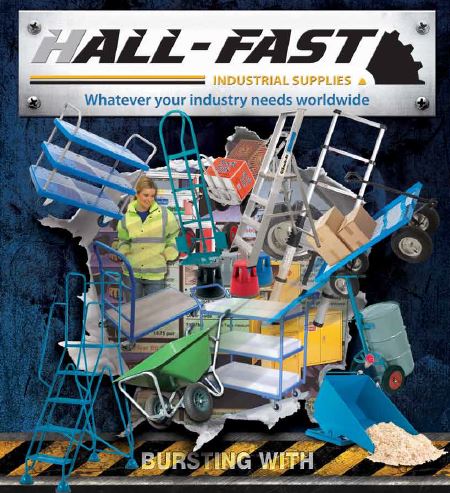
Hall-Fast's comprehensive product range and global reach make them an ideal partner for organizations seeking to implement effective workplace safety programs. Their extensive selection of industrial and commercial equipment, safety at work products, tools, consumables, and fasteners and small components provides the foundation for comprehensive safety solutions across all industries.
The company's commitment to quality and customer service, demonstrated through their numerous awards and community involvement, reflects their dedication to supporting customer success in achieving safety goals. Their extensive brand partnerships ensure access to the highest quality safety equipment from leading manufacturers worldwide.
Whatever your industry needs worldwide, Hall-Fast has the products, expertise, and commitment to support your success in creating safe, productive work environments. For more information about their capabilities and how they can support your workplace safety goals, visit their about page or contact them directly to discuss your specific requirements.
Through their comprehensive approach to customer service and their commitment to supporting organizations worldwide, Hall-Fast continues to be a trusted partner for companies seeking to implement world-class workplace safety programs. Their clearance offerings also provide cost-effective options for organizations seeking to maximize their safety equipment budgets while maintaining high standards of worker protection.