Winter in the United Kingdom brings unique challenges for property managers, local authorities, business owners, and homeowners alike. As temperatures plummet and ice becomes a serious hazard, winter gritting salt emerges as the frontline defence against treacherous conditions. This comprehensive guide explores everything you need to know about winter gritting salt, from its composition and effectiveness to purchasing options and application best practices.
Understanding Winter Gritting Salt: The Science Behind Ice Prevention
Winter gritting salt, commonly known as rock salt or halite, represents one of the most effective and economical solutions for combating ice formation on roads, car parks, pathways, and other surfaces. The primary component, sodium chloride, works through a fascinating scientific process called freezing point depression. When salt crystals come into contact with ice or snow, they dissolve into the thin layer of water that naturally exists on frozen surfaces, creating a brine solution that has a significantly lower freezing point than pure water.
This chemical reaction prevents water from freezing at temperatures as low as -8°C to -10°C, depending on the concentration of salt applied. The effectiveness of winter gritting salt extends beyond simply melting existing ice; when applied preventatively before freezing conditions occur, it creates a protective barrier that prevents ice from bonding to the surface, making subsequent snow and ice removal considerably easier.
The crystalline structure of gritting salt plays a crucial role in its effectiveness. The angular, irregular shapes of salt crystals provide additional traction on slippery surfaces, offering immediate improvement in grip even before the melting process begins. This dual-action approach – chemical melting and physical grip enhancement – makes winter gritting salt an indispensable tool for winter maintenance programmes across the UK.
Types of Winter Gritting Salt: Choosing the Right Solution
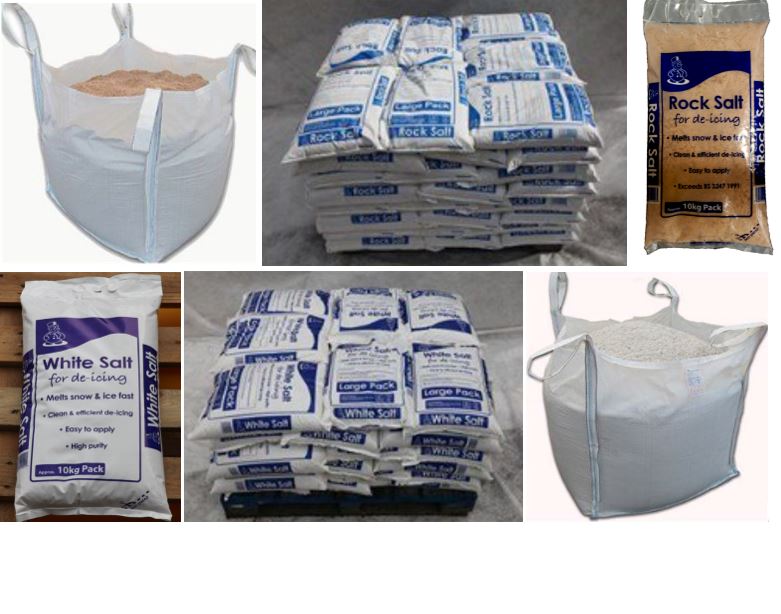
When selecting winter gritting salt for your specific needs, understanding the different types available becomes essential. Brown rock salt, the most commonly used variety for general gritting purposes, contains natural mineral impurities that give it its characteristic colour. These impurities, primarily clay and sand particles, actually enhance the product's effectiveness by providing additional grit and traction. Hall-Fast offers high-quality brown rock salt in various packaging options, including bulk bags ideal for large-scale operations.
White salt, a purer form of sodium chloride, presents an alternative for situations where aesthetic considerations matter or where residue concerns exist. This refined product leaves minimal trace after application, making it particularly suitable for indoor/outdoor transitions, decorative paving, or areas where tracking salt indoors poses concerns. The white salt options available from Hall-Fast provide the same ice-melting effectiveness whilst maintaining cleaner application characteristics.
Marine salt, harvested from seawater through evaporation processes, offers another variation with slightly different mineral compositions that can affect melting characteristics and environmental impact. Some formulations include additives such as anti-caking agents to prevent clumping during storage, or corrosion inhibitors to reduce the impact on vehicles and infrastructure.
Application Methods and Best Practices for Winter Gritting Salt
Successful winter gritting requires more than simply spreading salt; it demands strategic planning, proper timing, and appropriate application techniques. Pre-treatment, applying salt before snowfall or ice formation, proves significantly more effective than reactive treatment after hazardous conditions develop. Weather monitoring becomes crucial, with applications ideally timed for the evening before expected frost or early morning before traffic increases.
The recommended application rate varies depending on conditions and surface types, but generally ranges from 10 to 40 grams per square metre. Over-application wastes resources, increases environmental impact, and can actually reduce effectiveness by creating excessive brine that refreezes at lower concentrations. Professional spreaders, whether hand-pushed for smaller areas or vehicle-mounted for extensive coverage, ensure even distribution and optimal coverage rates.
For manual application on smaller areas, a consistent sweeping motion helps achieve uniform coverage. Focus on high-risk areas including slopes, steps, entrances, and shaded spots that remain cold longer. Remember that salt works more effectively on thin ice layers than thick accumulations; removing bulk snow before salting improves results significantly.
Temperature considerations play a vital role in application decisions. Standard rock salt becomes less effective below -8°C, requiring either increased application rates or alternative products. In extreme cold, pre-wetted salt or liquid brine solutions may prove more effective, as the moisture accelerates the melting process initiation.
Storage Solutions for Winter Gritting Salt
Proper storage of winter gritting salt ensures product effectiveness throughout the season whilst preventing waste and environmental contamination. Salt's hygroscopic nature means it readily absorbs moisture from the air, leading to clumping and reduced spreading efficiency if stored incorrectly. Covered, dry storage remains paramount, whether utilising purpose-built grit bins, covered bunkers, or weather-resistant packaging.
Hall-Fast's bulk bag options come with robust packaging designed to withstand outdoor storage when properly positioned. Elevating bags off ground level on pallets prevents moisture wicking from below, whilst covering with tarpaulins provides additional protection. For businesses requiring frequent access, consider the pallet options of 100 x 10kg bags or 40 x 23kg bags, which offer convenient handling whilst maintaining product integrity.
Indoor storage provides optimal conditions, particularly for white salt or smaller quantities intended for precision application. Ensure storage areas have adequate ventilation to prevent condensation build-up, and keep salt away from metal equipment or structures susceptible to corrosion. Implement first-in, first-out rotation systems to use older stock before newer deliveries, maintaining product quality throughout extended storage periods.
Environmental Considerations and Responsible Use
Whilst winter gritting salt provides essential safety benefits, responsible use minimises environmental impact. Salt runoff can affect soil composition, vegetation health, and water quality in nearby streams or groundwater. Understanding these impacts enables users to balance safety requirements with environmental stewardship.
Vegetation damage occurs when salt accumulates in soil, affecting water uptake and nutrient absorption in plants. Strategic application focusing on paved surfaces rather than overspray onto planted areas reduces this impact. Consider using physical barriers or careful hand application near sensitive plantings, and flush affected soil with fresh water during spring thaw to dilute salt concentrations.
Water body protection requires particular attention near streams, ponds, or drainage systems leading to natural watercourses. Avoid over-application near storm drains, and consider alternative products or reduced application rates in environmentally sensitive areas. Some organisations implement salt-reduction strategies combining gritting salt with sand or other aggregates, maintaining traction whilst reducing overall salt usage.
Infrastructure impacts from salt corrosion affect vehicles, bridges, and reinforced concrete structures. Whilst modern construction techniques and materials offer improved resistance, minimising unnecessary exposure extends infrastructure lifespan. Regular washing of vehicles and equipment during winter months removes salt accumulation, preventing long-term damage.
Regulatory Compliance and Legal Responsibilities
UK legislation places specific duties on property owners and managers regarding winter maintenance and public safety. The Occupiers' Liability Acts of 1957 and 1984 establish responsibilities for maintaining safe conditions for lawful visitors and even trespassers in certain circumstances. Understanding these obligations helps organisations develop appropriate winter maintenance strategies incorporating gritting salt use.
Local authorities maintain statutory duties for treating adopted highways and pavements, following detailed winter service plans based on route prioritisation and weather conditions. Private property owners bear similar responsibilities for their premises, including car parks, private roads, and pedestrian areas. Failure to take reasonable precautions against foreseeable winter hazards can result in liability for accidents and injuries.
Documentation of winter maintenance activities provides crucial evidence of reasonable care. Maintain records of gritting salt applications, including dates, times, quantities, and areas treated. Weather condition records support decision-making rationales, whilst photographs can demonstrate conditions before and after treatment. These records prove invaluable in defending against potential claims whilst helping refine future winter maintenance strategies.
Cost-Effectiveness and Budget Planning
Investing in adequate winter gritting salt supplies represents sound financial planning compared to potential costs from accidents, business disruption, or liability claims. Bulk purchasing before peak season typically offers significant savings, with Hall-Fast's bulk supply options providing economical solutions for various requirement levels.
Calculate requirements based on historical usage, adjusting for business growth or particularly severe winter forecasts. Factor in typical application rates, treatment frequency, and coverage areas to estimate seasonal needs. Building contingency stock ensures continuity during extended cold periods or supply chain disruptions that occasionally affect winter product availability.
Consider total cost of ownership beyond initial purchase price. Storage requirements, handling equipment, and labour costs contribute to overall expenses. Investing in proper storage facilities and spreading equipment may increase upfront costs but reduces waste and improves application efficiency, delivering long-term savings. The convenience of pre-palletised deliveries can reduce handling costs and improve operational efficiency.
Advanced Winter Management Strategies
Comprehensive winter management extends beyond basic gritting salt application. Integrating multiple approaches creates robust systems maintaining safety whilst optimising resource use. Weather monitoring systems, from basic thermometers to sophisticated forecasting services, inform proactive decision-making. Establishing temperature trigger points for different treatment levels ensures consistent response whilst preventing unnecessary applications.
Route prioritisation ensures critical areas receive attention first during limited resource situations. Classify areas based on usage levels, risk factors, and strategic importance. High-priority zones might include emergency access routes, steep gradients, and main pedestrian thoroughfares, whilst lower-priority areas could receive reduced treatment or alternative management approaches.
Consider complementary products from Hall-Fast's winter management range to enhance your winter preparedness. Snow shovels, ice scrapers, and warning signs support comprehensive winter safety programmes. Grit bins strategically positioned allow responsive treatment of developing hazards between scheduled applications.
Selecting Your Winter Gritting Salt Supplier
Choosing the right supplier for winter gritting salt involves multiple considerations beyond simple price comparison. Reliability, product quality, delivery capabilities, and customer support all influence successful winter management programmes. Hall-Fast brings decades of experience supplying industrial and commercial customers nationwide and worldwide, understanding the critical nature of winter supplies.
Product consistency ensures predictable performance across batches, vital for maintaining standard application rates and effectiveness. Established suppliers maintain quality control processes and source from reputable producers, providing confidence in product performance when conditions demand results. The availability of both brown rock salt and white salt options allows selection based on specific requirements.
Delivery flexibility becomes crucial during winter months when demand can spike suddenly. Suppliers with robust logistics networks and adequate stock holdings can maintain supply continuity even during severe weather events. The ability to accommodate both scheduled bulk deliveries and urgent supplementary orders provides operational security. Account facilities available through Hall-Fast offer convenient ordering and payment terms for regular commercial customers.
Technical support and expertise add value beyond simple product supply. Understanding application rates, storage requirements, and product selection for specific situations helps optimise winter management programmes. Access to complementary products and equipment through a single supplier simplifies procurement whilst ensuring compatibility between system components.
Preparing for Winter Success
Successful winter management using gritting salt requires preparation, planning, and proper execution. Start preparations during autumn months, reviewing previous winter's performance, updating risk assessments, and ensuring adequate supplies are secured. Train personnel in proper application techniques and safety procedures, ensuring competence before winter conditions arrive.
Establish clear communication protocols for activating winter management procedures. Define responsibility chains, decision-making authorities, and escalation procedures for severe conditions. Coordinate with contractors, suppliers, and relevant authorities to ensure aligned response capabilities. Regular equipment maintenance and testing prevents failures during critical periods.
Monitor long-range weather forecasts to anticipate potential supply demands and operational requirements. Build flexibility into plans accommodating varying winter severity whilst maintaining baseline safety standards. Regular plan reviews incorporating lessons learned continuously improve winter management effectiveness.
The investment in quality winter gritting salt from reliable suppliers like Hall-Fast provides peace of mind that when winter hazards threaten, you have the tools and materials necessary to maintain safe conditions. Whether managing extensive commercial properties, maintaining public spaces, or simply ensuring safe access to business premises, appropriate gritting salt selection and application remains fundamental to winter safety success.
Winter gritting salt continues evolving with new formulations, application technologies, and environmental considerations shaping future developments. Staying informed about best practices, regulatory changes, and product innovations ensures winter management programmes remain effective and efficient. The combination of quality products, proper planning, and professional execution creates comprehensive winter safety strategies protecting people, property, and operations throughout the challenging winter months.