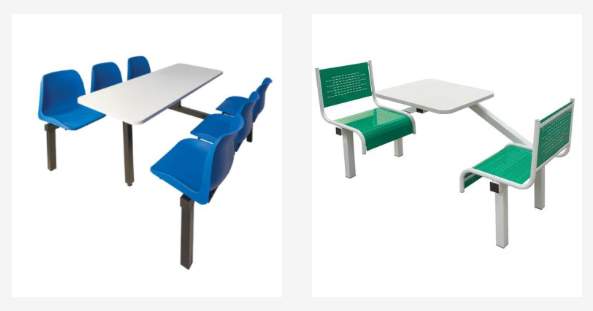
Canteen tables and chairs are essential for creating comfortable and functional dining areas in workplaces, schools, factories, or other communal environments. They are designed for durability, easy maintenance, and the ability to accommodate various seating capacities. Here's an overview of the key features, types, materials, and considerations for choosing canteen furniture:
Take a look at the Hall-Fast range of Canteen Furniture https://www.hall-fast.com/industrial-commercial-equipment/office-and-educational-furniture-equipment/canteen-furniture
Types of Canteen Tables and Chairs
Standalone Tables and Chairs:
- Tables: Freestanding tables paired with individual chairs or benches, allowing flexibility in layout and seating arrangements. These are common in office canteens or larger dining areas where the layout may change.
- Chairs: Chairs with backs offer comfort and can be moved around as needed, suitable for casual dining environments.
Fixed Seating Units:
- Bench-Style Units: Integrated tables and benches fixed to a frame, commonly used in school canteens or factories. These units save space and keep the area organized.
- Chair-Table Combos: These sets feature seats attached directly to the table frame, ensuring a tidy look while preventing chairs from being moved or displaced.
Folding Tables and Chairs:
- Ideal for multi-use spaces, folding tables and chairs can be easily stored away when not in use, making them popular for temporary canteen setups or events.
High Tables and Stools:
- Often found in modern or casual dining areas, high tables paired with stools provide a trendy, space-saving solution, often used in smaller break rooms or coffee areas.
Materials for Canteen Tables and Chairs
Tabletops:
- Laminate: Durable, easy to clean, and available in various colours and finishes, laminate tables are popular for canteens due to their low maintenance.
- Wood: Solid wood or wood veneer tables provide a warm and natural aesthetic. They are often used in higher-end office canteens or restaurants but require more maintenance.
- Metal: Stainless steel or metal table tops are highly durable, resistant to spills, and easy to clean, making them ideal for industrial or commercial kitchens.
- Plastic: Lightweight and affordable, plastic tables are commonly used in casual or outdoor canteen areas.
Chair Materials:
- Plastic: Lightweight and easy to clean, plastic chairs are durable and suitable for high-traffic canteen areas. They are also available in various colours.
- Metal (Steel or Aluminium): Metal-framed chairs with plastic or upholstered seats are strong, sturdy, and ideal for heavy use in factories or busy cafeterias.
- Wood: Wooden chairs add warmth and style to the canteen but may require more care compared to plastic or metal chairs.
- Upholstered Chairs: Padded chairs provide extra comfort, commonly used in more formal or upscale dining areas, though they require more cleaning and maintenance.
Seating Capacities and Sizes
- Small Tables (2-4 people): Suitable for smaller canteens or break areas where employees or students need intimate seating.
- Medium Tables (4-6 people): Common in most workplace or school canteens, providing enough seating for small groups or teams.
- Large Tables (8+ people): Ideal for larger dining halls or cafeterias where maximizing seating capacity is important.
Design and Style Considerations
- Space Efficiency: For smaller canteens, opt for compact or stackable chairs and tables to save space. Fixed seating units or folding tables also work well in limited spaces.
- Comfort: Ergonomically designed chairs with backrests or padded seating can enhance the comfort of users, especially in workplaces where employees may spend extended periods during breaks.
- Aesthetic: Modern canteens often focus on a minimalist, clean design with neutral or bright colours to create a welcoming atmosphere. Consider matching furniture styles with the overall decor of the office or facility.
- Durability and Maintenance: In high-traffic areas like factory canteens or schools, choose materials that are durable, scratch-resistant, and easy to clean, such as laminate, stainless steel, or plastic.
Special Features
- Stackable Chairs: Chairs that stack on top of each other allow for easy storage and cleaning. They’re often used in large canteens or multi-use spaces.
- Foldable Tables and Chairs: These are great for areas where flexibility is needed, as they can be folded and stored when not in use, allowing the space to be used for other purposes.
- Anti-Skid Feet: Tables and chairs with anti-skid feet provide stability on different floor surfaces and help prevent damage to flooring.
- Easy Clean Surfaces: For hygiene, especially in canteens, choosing non-porous, easy-to-wipe materials like laminate, plastic, or stainless steel ensures quick cleanup.
Best Practices for Choosing Canteen Furniture
- Capacity Planning: Assess the number of people who will use the canteen at peak times to determine the required number of tables and seating options.
- Durability Needs: For high-traffic environments like schools or factories, prioritize durable, heavy-duty materials that can withstand frequent use.
- Flexibility: In multi-purpose spaces, folding or stackable furniture provides versatility and ease of storage.
- Maintenance: Select materials that are easy to clean and maintain, especially in environments where hygiene is critical, such as hospitals or factories.
Canteen tables and chairs not only serve as functional pieces but also help create a comfortable environment that encourages socialization and relaxation during breaks, boosting overall employee or student morale.