The Evolution of Vehicle Assembly Technologies
The automotive industry has undergone a fundamental transformation in how vehicles are designed, engineered, and assembled. Traditional spot welding and mechanical fasteners—once the backbone of vehicle manufacturing—increasingly give way to advanced automotive bonding solutions that address the complex challenges of modern vehicle production.
This shift is driven by converging demands: lightweighting for improved fuel efficiency and EV range, multi-material construction combining aluminum, composites, and high-strength steels, enhanced NVH (noise, vibration, harshness) performance, and improved crash safety. Adhesive bonding technologies have evolved from supplementary methods to primary joining technologies enabling these critical advancements.
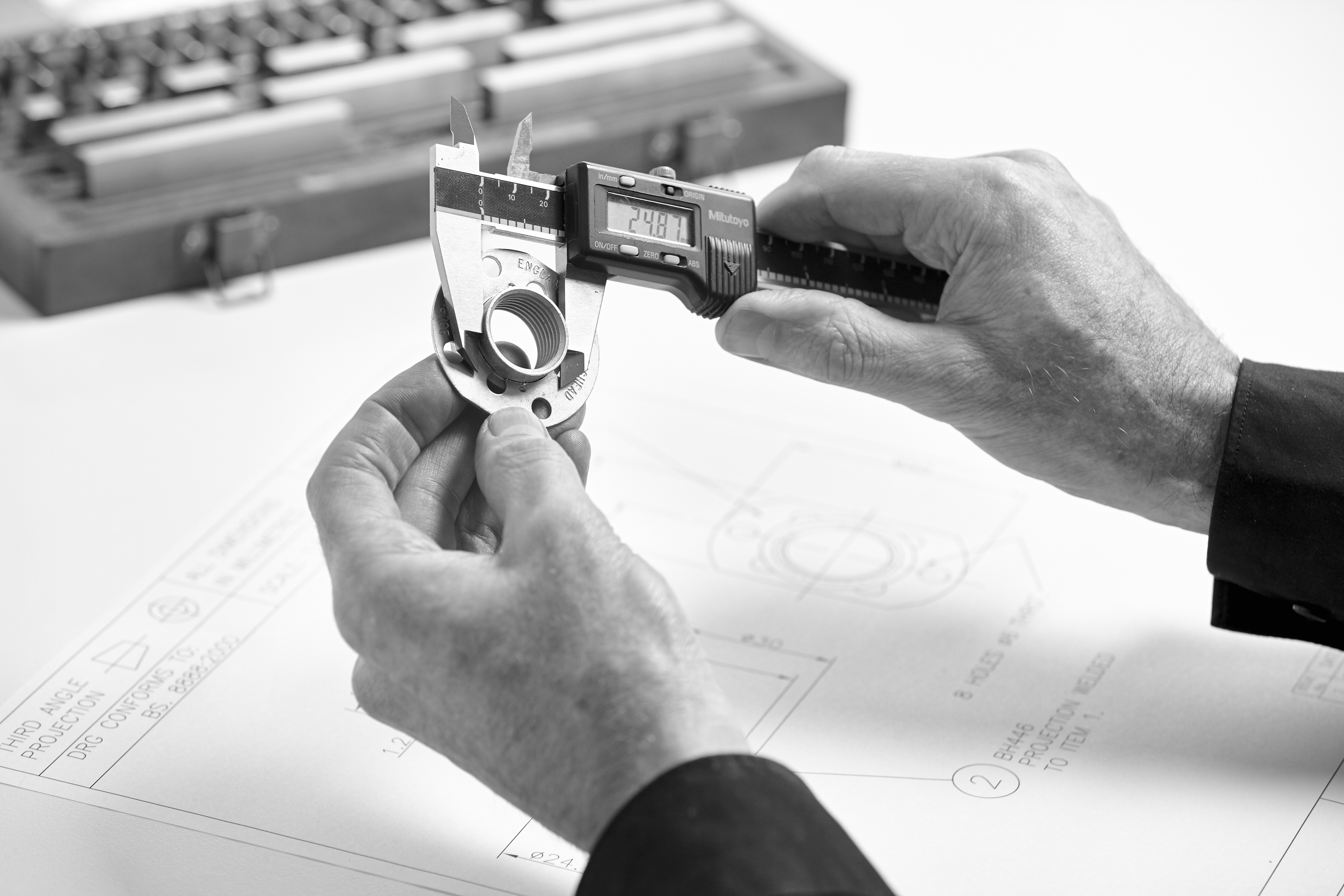
Bighead bonding fasteners represent the cutting edge of this transformation, providing engineered solutions that combine the distributed load advantages of adhesives with the precision and integratability of mechanical attachment points.
Limitations of Traditional Automotive Fastening Methods
Conventional assembly methods face significant constraints in modern vehicle design:
Spot Welding Constraints
Traditional resistance spot welding presents numerous challenges:
- Material limitations: Primarily effective for similar metals, struggling with aluminum and impossible for composites
- Heat-affected zones: Creating potential weak points and material property changes
- Surface finish requirements: Necessitating post-welding finishing operations
- Single-point loads: Concentrating stress rather than distributing forces
- Weight penalties: Requiring overlapping material for welding access
- Design constraints: Limiting design freedom due to accessibility requirements
- Galvanic corrosion risk: When joining dissimilar metals
Mechanical Fastener Drawbacks
Traditional nuts, bolts, and rivets introduce several issues:
- Weight addition: Each fastener adding mass to the vehicle
- Hole drilling requirements: Creating stress concentration points
- Water and contaminant pathways: Potential leak paths through penetrations
- Vibration loosening: Requiring locking mechanisms and periodic retightening
- Multiple components: Increasing inventory and assembly complexity
- Thermal expansion mismatch: Creating stress during temperature changes
- Corrosion vulnerability: Particularly at dissimilar metal interfaces
Advantages of Advanced Automotive Bonding Technologies
Modern automotive bonding solutions deliver several critical benefits:
Weight Reduction Through Bonding
Advanced adhesives enable significant mass savings:
- Elimination of fastener weight: Removing thousands of metal fasteners
- Thinner material usage: Allowing reduced material thickness due to better load distribution
- Multi-material capability: Enabling use of aluminum, magnesium, and composites
- Flange size reduction: Minimizing overlap required for joining
- Elimination of reinforcements: Removing backing plates and doublers
- Continuous attachment: Replacing multiple point fasteners with continuous bonds
- Design optimization: Creating structures optimized for specific load paths
Improved NVH Performance
Bonding technology significantly enhances ride quality and comfort:
- Vibration damping: Adhesive layers absorbing vibrational energy
- Path interruption: Breaking vibration transmission paths between components
- Acoustic barriers: Creating sealed joints that block sound transmission
- Structural damping: Increasing overall body stiffness reducing resonances
- Point-source elimination: Removing metal-to-metal contact points
- Frequency attenuation: Damping specific problematic frequency ranges
- Squeak and rattle prevention: Eliminating movement between components
Enhanced Crash Performance
Safety improvements through advanced bonding include:
- Load distribution: Spreading impact forces across larger areas
- Controlled deformation: Enabling progressive crush for energy absorption
- Mixed-material crash structures: Optimizing different materials for specific crash zones
- Consistent performance: Maintaining properties across temperature ranges
- Increased joint stiffness: Improving overall structural rigidity
- Strain-rate performance: Enhanced energy absorption during rapid deformation
- Crack propagation resistance: Preventing fracture progression during impact
Improved Durability and Corrosion Resistance
Long-term vehicle integrity benefits include:
- Galvanic isolation: Preventing electrochemical corrosion between dissimilar metals
- Sealing functionality: Adhesives providing both structural and sealing properties
- Elimination of stress risers: Removing drilled holes that initiate cracks
- Environmental barriers: Preventing moisture and contaminant intrusion
- Fatigue resistance: Superior performance under cyclical loading
- Stress distribution: Eliminating concentrated loads that accelerate material failure
- Service life extension: Maintaining structural integrity throughout vehicle lifetime
Key Applications for Automotive Bonding Solutions
Bighead bonding fasteners and similar technologies address specific vehicle manufacturing challenges:
Body-in-White Applications
Modern vehicle structures rely on bonding for:
- Mixed-material body structures: Joining aluminum, steel, and composite components
- Roof attachment: Creating clean, aerodynamic rooflines without visible fasteners
- A/B/C/D pillar assembly: Enhancing crash performance of critical safety structures
- Underbody component integration: Bonding complex structural assemblies
- Panel stiffening: Reducing material thickness while maintaining rigidity
- Modular assembly: Enabling separate sub-assembly manufacturing
- Hem flange bonding: Securing outer panels to inner structures
Interior Component Assembly
Passenger cabin applications include:
- Dashboard assembly: Eliminating squeaks and rattles in complex instrument panels
- Headliner attachment: Invisible fastening for clean interior aesthetics
- Door panel construction: Integrating multiple materials and functions
- Seat component assembly: Balancing strength with weight reduction
- Trim attachment: Non-visible fastening for premium appearance
- Console construction: Complex shapes and integrated features
- Acoustic management elements: Sound-absorbing and blocking structures
Powertrain and Chassis Applications
Critical mechanical systems benefit from bonding:
- Electric motor assembly: Precision component alignment and vibration damping
- Battery module construction: Thermal management and electrical isolation
- Heat shield attachment: High-temperature resistant bonding
- Composite leaf springs: Replacing heavier steel components
- Vibration damping elements: Isolating mechanical components
- Lightweight suspension components: Reducing unsprung mass
- Electronics module mounting: Protection from vibration and environmental exposure
Exterior Component Attachment
Visible vehicle elements utilize bonding for:
- Camera and sensor mounting: Precise positioning for ADAS systems
- Lighting module assembly: Sealed, weather-resistant construction
- Aerodynamic element attachment: Clean surfaces without fastener interruption
- Decorative trim mounting: No visible fasteners for premium appearance
- Glass bonding: Structural windshield and window installation
- Weather sealing systems: Integrated bonding and sealing functions
- Antenna and communication element integration: Hidden mounting systems
Automotive-Specific Bonding Technologies
Several specialized adhesive technologies have been developed specifically for vehicle applications:
Crash-Resistant Structural Adhesives
Advanced formulations providing:
- Impact-resistant chemistry: Maintaining strength under high strain rates
- Energy absorption properties: Converting kinetic energy during impact
- Elongation capability: Stretching rather than fracturing during deformation
- Temperature stability: Maintaining properties across environmental extremes
- Aging resistance: Preserving performance throughout vehicle lifetime
- Compatibility with e-coating: Functioning within automotive painting processes
- Validated crash performance: Tested to automotive safety standards
Heat-Cure Epoxy Systems
Manufacturing-optimized systems offering:
- Paint-bake curing compatibility: Utilizing existing manufacturing process heat
- Controlled flow characteristics: Precisely applied without dripping or migration
- Gap-filling capabilities: Accommodating manufacturing tolerances
- Oil and contamination tolerance: Bonding to typical production surfaces
- Long open time: Allowing complex assembly before curing
- Controlled exotherm: Managing heat release during cure
- Robot application compatibility: Optimized for automated dispensing
Hybrid Adhesive-Mechanical Fastening Systems
Innovative combined approaches including:
- Flow-through mechanical elements: Adhesives penetrating and enhancing mechanical connections
- Adhesive-friendly surface features: Mechanical elements designed for optimal adhesive interface
- Multi-functional fastening: Systems providing both immediate handling strength and long-term bonded performance
- Stress-distribution designs: Mechanical elements spreading loads across adhesive bonds
- Assembly-process optimized systems: Balancing production requirements with structural performance
- Fail-safe engineering: Redundant load paths through both adhesive and mechanical elements
- Repair-friendly designs: Enabling service access when required
Implementation Challenges and Solutions
Successfully deploying automotive bonding solutions requires addressing several key considerations:
Surface Preparation Optimization
Critical preparation factors include:
- Compatibility with manufacturing conditions: Functioning within production constraints
- Oil and contaminant management: Addressing typical automotive manufacturing surfaces
- Aluminum oxide handling: Specialized approaches for increasingly common aluminum components
- Low-energy surface treatment: Solutions for difficult-to-bond plastics and composites
- Inline validation methods: Verifying proper preparation before bonding
- Robotic preparation integration: Automating critical cleaning processes
- Environmental and worker safety considerations: Minimizing hazardous chemicals
Production Process Integration
Manufacturing implementation requires:
- Cure time optimization: Balancing throughput with performance requirements
- Fixturing during cure: Holding components in position until handling strength develops
- Quality verification methods: Non-destructive testing of completed bonds
- Process monitoring systems: Ensuring proper mixing, application, and coverage
- Dispensing precision: Delivering exact adhesive quantities for weight and cost control
- Environmental control: Managing temperature and humidity during application
- Worker training programs: Developing specialized skills for adhesive handling
Design for Bonded Assembly
Engineering approaches must adapt:
- Load path analysis: Designing specifically for adhesive joint performance
- Appropriate joint geometry: Creating overlaps, steps, and other bonding-optimized features
- Tolerance management: Accommodating manufacturing variations within bond line thickness limitations
- Stress concentration mitigation: Eliminating sharp corners and transitions in bonded areas
- Thermal expansion accommodation: Managing different materials' expansion rates
- Disassembly consideration: Planning for service access where required
- Testing protocol development: Creating validation methods specific to bonded structures
Case Studies: Automotive Bonding Success Stories
Real-world implementation demonstrates the value of advanced bonding technologies:
Electric Vehicle Battery Module Assembly
A leading EV manufacturer faced challenges bonding battery modules to cooling plates while maintaining thermal conductivity and electrical isolation:
- Challenge: Creating structurally sound, thermally conductive, electrically isolating bonds
- Solution: Specialized thermally conductive adhesives with Bighead bonding fasteners for mounting points
- Result: 23% improvement in thermal management while maintaining complete electrical isolation
- Additional benefits: 18% weight reduction compared to mechanical mounting systems
- Long-term validation: Zero failures after equivalent of 200,000 miles of thermal cycling testing
Luxury Vehicle Mixed-Material Body Structure
A premium automotive brand needed to bond aluminum panels to a carbon fibre passenger cell:
- Challenge: Joining dissimilar materials with different thermal expansion rates
- Solution: Flexible structural adhesives combined with engineered attachment points
- Result: 37% weight reduction compared to conventional construction
- NVH improvement: 22% reduction in interior noise levels
- Safety performance: Exceeded crash test requirements while reducing structural weight
- Manufacturing benefit: Elimination of 340 mechanical fasteners per vehicle
Future Trends in Automotive Bonding Technology
The evolution of vehicle fastening continues with several emerging developments:
Multi-Functional Adhesive Systems
Next-generation bonding technologies will provide:
- Thermal management properties: Conducting or insulating heat as required
- Electrical functionality: Conducting, isolating, or EMI shielding
- Self-healing capabilities: Repairing minor damage automatically
- Sensor integration: Embedded monitoring of bond integrity
- Active damping: Adjustable vibration control properties
- Disassembly on demand: Controlled separation when required for service or recycling
- 3D printable formulations: Additive manufacturing of complex bonded structures
Sustainability Enhancements
Environmental improvements include:
- Bio-based raw materials: Reducing petroleum dependency
- Recycling-friendly formulations: Enabling material separation at end of life
- Energy-efficient curing: Lower temperature or ambient cure systems
- Reduced VOC content: Eliminating harmful emissions
- Water-based technologies: Replacing solvent-based systems
- Waste reduction: Precision application minimizing excess material
- Life cycle analysis optimization: Considering total environmental impact
Transform Your Automotive Assembly Approach
Whether you're manufacturing complete vehicles, supplying components, or developing aftermarket solutions, automotive bonding solutions using Bighead bonding fasteners can transform your approach to creating durable, lightweight, and high-performance automotive assemblies.
The transition from traditional fastening methods to advanced bonding technologies represents more than just a change in assembly technique—it enables fundamental advancements in vehicle design, performance, safety, and sustainability. By distributing loads across broader surface areas, eliminating stress concentrations, reducing weight, improving NVH characteristics, and enabling mixed-material construction, adhesive bonding has become an essential technology for modern automotive manufacturing.
Explore the complete range of Bighead automotive fastening solutions to discover how these innovative products can address your specific vehicle assembly challenges while providing the performance modern automotive applications demand.
Choosing the Right Automotive Bonding System
When selecting bonding solutions for automotive applications, consider these critical factors:
- Load requirements: Understanding the structural demands and safety implications
- Material compatibility: Ensuring proper adhesion to specific automotive substrates
- Environmental exposure: Accounting for temperature extremes, moisture, and chemicals
- Production process integration: Aligning with manufacturing constraints and cycle times
- Service life expectations: Matching durability to vehicle lifetime requirements
- Repair and service considerations: Planning for potential future disassembly needs
With proper selection and implementation, advanced automotive bonding solutions deliver exceptional performance that enables the next generation of vehicle design and manufacturing.