Innovative Alternatives to Welding for Composite Materials: Advanced Connection Solutions
Traditional metal joining methods like welding are incompatible with composite materials due to their non-metallic composition and heat sensitivity. Modern engineering demands effective alternatives to welding for composite materials that provide secure connections without compromising structural integrity or performance characteristics. This comprehensive guide explores advanced solutions that deliver reliable joining while preserving the unique advantages composites offer.
Limitations of Traditional Joining for Composites
Before examining alternatives, it's important to understand why conventional methods fail with composite materials:
Thermal Damage Concerns:
- Composites typically incorporate heat-sensitive resins and polymers
- Localized heating causes matrix degradation and mechanical property loss
- Fiber-matrix interface can be compromised by excessive temperature
- Thermal expansion differences create residual stresses during cooling
Material Incompatibility:
- Composites cannot be melted and reformed like metals
- Fiber reinforcement prevents flow and coalescence during heating
- Non-conductive properties prevent resistance welding approaches
- Heterogeneous composition creates unpredictable joining behaviour
Structural Integrity Issues:
- Drilling for mechanical fasteners breaks reinforcing fibres
- Hole creation introduces stress concentration points
- Moisture ingress pathways form around penetrations
- Load distribution becomes uneven around mechanical fastening points
Advanced Alternatives to Welding for Composite Materials
- Adhesive Bonding with Engineered Fasteners
The premier alternative to welding for composite materials combines structural adhesives with specialized hardware designed for optimal load distribution:
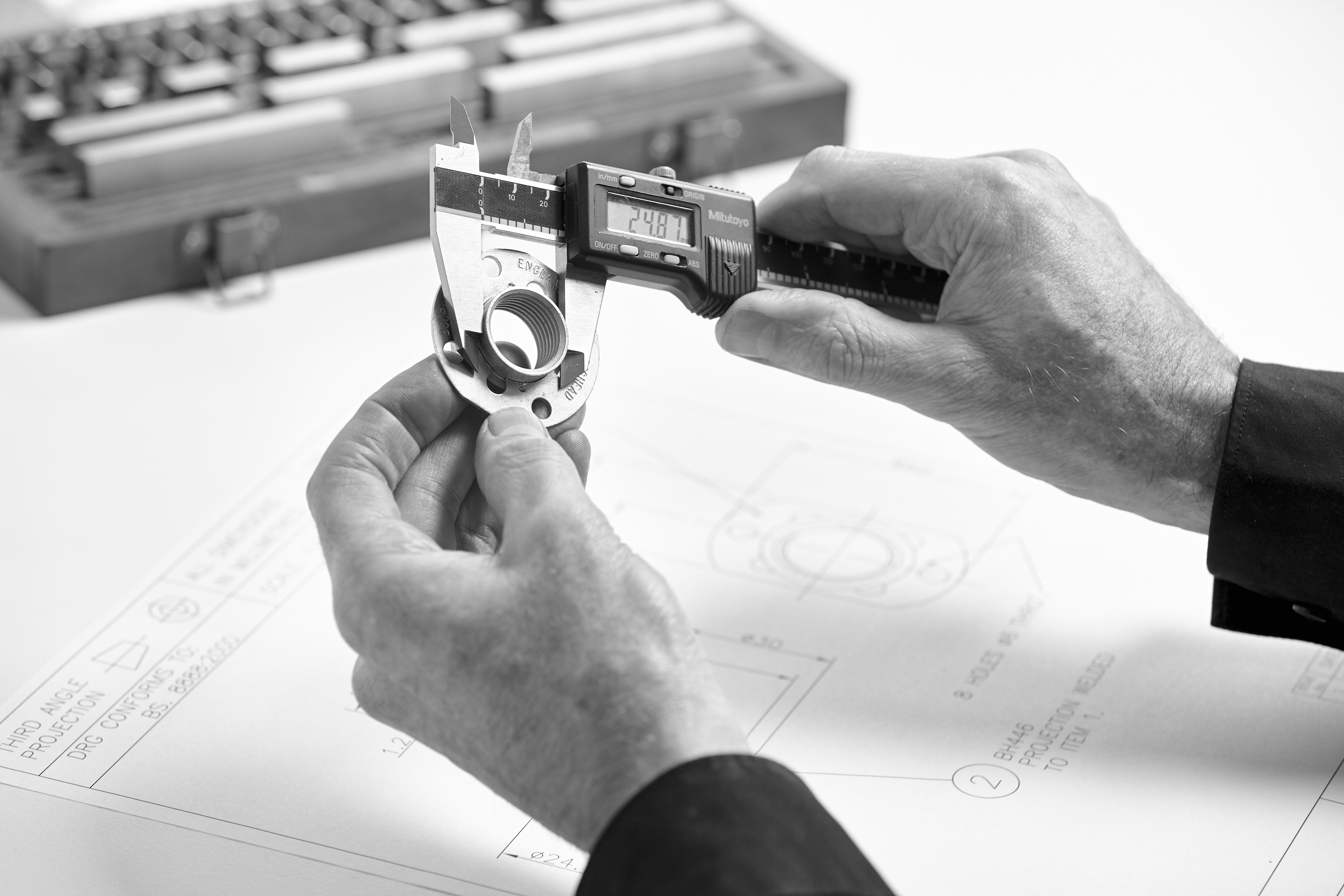
Bighead Bonding Fastener Technology:
- Non-penetrating attachment through enlarged adhesive bonding area
- Even distribution of loads preventing stress concentration
- Preservation of composite structural integrity without fibre breakage
- Threaded connection points for component attachment
- Compatible with standard structural adhesives
This hybrid approach provides significant advantages over both pure adhesive bonding and mechanical fastening alone:
- Higher reliability than adhesive-only connections
- Superior load distribution compared to mechanical fasteners
- Standard threaded attachment points for conventional hardware
- No thermal damage or fibre breakage during installation
- Serviceable connections allowing component replacement
- Advanced Adhesive Bonding
Modern structural adhesives offer sophisticated alternatives to welding for composite materials:
Two-Component Structural Epoxies:
- Exceptional strength approaching parent material properties
- Room-temperature curing eliminating thermal damage
- Gap-filling capabilities accommodating surface variations
- Chemical resistance for demanding environments
- Long-term durability with proper surface preparation
Methacrylate Adhesives:
- Rapid curing for production efficiency
- Excellent adhesion to diverse composite formulations
- Toughened formulations for impact and vibration resistance
- Minimal surface preparation requirements
- Gap-filling capabilities for irregular surfaces
Polyurethane Structural Adhesives:
- Exceptional flexibility and elongation
- Superior performance in dynamic loading conditions
- Excellent low-temperature performance
- Good chemical and environmental resistance
- Compatible with many difficult-to-bond materials
- Mechanical Fastening with Composite Considerations
When penetrating fasteners must be used, specialized approaches minimize composite damage:
Composite-Specific Mechanical Fasteners:
- Tapered designs minimizing fibre breakage during installation
- Optimized thread profiles reducing stress concentration
- Enlarged bearing surfaces distributing loads more effectively
- Corrosion-resistant materials preventing galvanic issues with carbon fibre
- Sealing features preventing moisture ingress
Installation Techniques Preserving Composite Integrity:
- Orbital drilling minimizing delamination and fibre breakage
- Precise countersinking preventing surface damage
- Non-impact installation methods reducing structural shock
- Controlled torque application preventing crushing
- Sealing systems preventing moisture penetration
- Emerging Technologies
Innovative alternatives to welding for composite materials continue to evolve:
Thermoplastic Welding: For thermoplastic composites only, specialized welding techniques include:
- Resistance welding using embedded conductive elements
- Ultrasonic welding for compatible thermoplastics
- Induction welding for carbon-reinforced thermoplastics
- Laser transmission welding for semi-transparent materials
Hybrid Metal-Composite Joining:
- Co-curing techniques bonding metals during composite manufacture
- Z-pin reinforcement creating mechanical interlocks
- Surface-structured metals creating mechanical keying
- Laser surface preparation enhancing adhesive bonding
Selection Criteria for Composite Joining Methods
When evaluating alternatives to welding for composite materials, consider these critical factors:
Performance Requirements:
- Static load magnitude and direction
- Dynamic and fatigue loading conditions
- Environmental exposure (temperature, moisture, chemicals)
- Required service life and maintenance intervals
- Disassembly requirements if applicable
Material Compatibility:
- Specific composite matrix type (epoxy, polyester, vinylester, thermoplastic)
- Reinforcement type (fiberglass, carbon, aramid, natural fibres)
- Surface preparation requirements and compatibility
- Thermal expansion considerations
- Galvanic isolation needs for carbon composites
Production Considerations:
- Required production volume and rate
- Available curing conditions (time, temperature, pressure)
- Quality control and inspection requirements
- Specialized equipment and training needs
- Total installed cost including labour and materials
By implementing these advanced alternatives to welding for composite materials, engineers can achieve reliable, high-performance connections while preserving the inherent advantages these advanced materials offer.
PLEASE NOTE THAT WE WOULD ALWAYS ADVISE THAT YOU SPEAK TO ONE OF OUR SPECIALISTS
Browse the range and buy online in small quantities https://www.hall-fast.com/fasteners-small-components/bighead-bonding-fasteners or contact us to discuss your specific requirements sales@hall-fast.com or telephone on (01623) 645 645