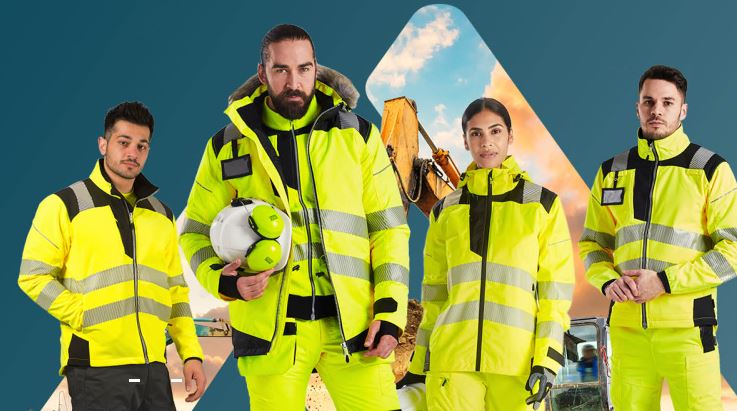
Airport ground operations represent one of the most complex and safety-critical environments where ANSI class 2 hi vis protection plays an essential role in maintaining safe working conditions. The unique combination of aircraft operations, ground support equipment, passenger movements, and strict regulatory oversight creates demanding requirements for high-visibility protection that must meet aviation industry standards while providing reliable performance under challenging operational conditions.
Aviation Ground Safety Environment
Airport ground operations create unique safety challenges that distinguish them from other industrial environments requiring ANSI class 2 hi vis protection. The presence of aircraft with powerful engines, complex ground traffic patterns involving multiple types of vehicles and equipment, and strict operational procedures designed to ensure flight safety combine to create an environment where visibility becomes critical for preventing accidents and maintaining operational efficiency.
Aircraft ground movements involve massive vehicles with limited visibility from cockpit positions, creating significant blind spots where ground personnel must work while aircraft taxi, park, and prepare for departure. Pilots depend heavily on ground personnel positioning and communication, making hi vis protection essential for ensuring that personnel remain visible during these critical operations.
Ground support equipment operations include baggage handling vehicles, fuel trucks, catering trucks, and maintenance equipment that operate in close proximity to aircraft and ground personnel. The complex choreography of ground operations requires that all personnel remain visible to equipment operators working under time pressures to maintain flight schedules.
Jet blast zones create unique hazards where aircraft engine operations generate powerful air currents that can knock personnel down or blow debris at dangerous velocities. Personnel working in these areas require enhanced protection and visibility that helps pilots and ground controllers monitor personnel locations relative to aircraft operations.
Runway and taxiway operations involve personnel working on active airfield surfaces where aircraft operations take priority and ground personnel must maintain constant awareness of aircraft movements while remaining visible to pilots and air traffic controllers coordinating complex operational sequences.
Weather operations continue regardless of environmental conditions, requiring hi vis protection that maintains effectiveness during rain, snow, fog, and other weather conditions that may compromise visibility while ground operations continue to support flight schedules that cannot be easily delayed.
Aviation Regulatory Framework
Aviation safety regulations represent some of the most comprehensive and strictly enforced safety standards in any industry, with specific requirements for ground personnel protection that often include detailed specifications for high-visibility clothing and equipment used in airport operations.
Federal Aviation Administration regulations establish minimum safety standards for airport operations that include specific requirements for ground personnel protective equipment. These regulations often reference industry standards for hi vis protection while establishing enforcement mechanisms that ensure consistent compliance across airport operations.
International aviation standards developed by organisations such as the International Civil Aviation Organisation provide global frameworks for airport safety that influence hi vis requirements at airports worldwide. Understanding these international standards becomes important for airports serving international flights or operating under international agreements.
Airport-specific safety requirements frequently exceed regulatory minimums, reflecting local operational conditions, risk assessments, and best practices developed through operational experience. Individual airports may establish specific hi vis standards that address their unique operational characteristics and safety challenges.
Airline safety requirements often include specifications for ground service providers that encompass hi vis protection standards for personnel working around aircraft. Meeting these airline requirements becomes essential for ground service companies seeking to maintain contracts with passenger and cargo carriers.
Hall-Fast's Aviation Industry Experience
Since Malcolm Hall MBE founded Hall-Fast in August 2006, the company has developed significant expertise in aviation ground operations, working with airports, airlines, and ground service providers that require reliable ANSI class 2 hi vis solutions for personnel protection in demanding aviation environments.
Hall-Fast's comprehensive understanding of aviation safety requirements encompasses both the technical specifications for hi vis protection and the operational realities of implementing safety programs in environments where flight schedule pressures, regulatory oversight, and diverse operational requirements must be balanced against safety objectives.
The company's award-winning success in international markets, as documented on their awards page, includes experience with aviation operations that support global connectivity and economic development through safe and efficient airport operations.
As a proud family business committed to community involvement, Hall-Fast understands that airports represent critical infrastructure that connects communities to global markets and opportunities. Their commitment to aviation safety reflects broader dedication to supporting transportation systems that enable economic growth and community development.
Portwest Aviation Hi Vis Solutions
The Portwest hi-visibility range available through Hall-Fast includes products specifically designed to address aviation ground operation requirements for ANSI class 2 protection. These specialised garments incorporate features that enhance visibility and functionality in airport environments while meeting the strict quality and performance standards required for aviation applications.
Aviation-specific color requirements often specify particular fluorescent colors that provide optimal visibility against airport background conditions and aircraft livery designs. Portwest aviation hi vis garments incorporate approved colors that meet both ANSI class 2 standards and aviation industry specifications for ground personnel protection.
Enhanced retroreflective configurations provide superior visibility under airport lighting conditions including runway lighting, aircraft navigation lights, and ground equipment illumination. Strategic placement of retroreflective materials ensures optimal visibility from multiple angles and distances relevant to airport operations.
Weather resistance becomes particularly important for airport ground personnel who must continue operations regardless of weather conditions while maintaining hi vis protection that performs effectively in rain, snow, wind, and temperature extremes common in outdoor airport environments.
Durability features address the demanding use conditions common in airport operations where garments may encounter jet fuel, hydraulic fluids, de-icing chemicals, and other substances that could compromise garment integrity or visibility properties. Chemical-resistant materials and construction methods ensure continued protection under challenging conditions.
Aircraft Ground Handling Operations
Aircraft ground handling represents one of the most visible and safety-critical aspects of airport operations, where personnel must work in close proximity to aircraft while coordinating complex activities that directly impact flight safety and operational efficiency. ANSI class 2 hi vis protection plays an essential role in ensuring ground handler safety during these operations.
Baggage handling operations involve personnel working around aircraft cargo compartments while baggage vehicles and conveyor equipment operate in confined spaces. Enhanced visibility helps equipment operators identify personnel locations while enabling ground supervisors to monitor operations for safety compliance.
Aircraft marshalling and positioning requires personnel to guide aircraft movements using hand signals and communication equipment while maintaining safe positions relative to aircraft and ground equipment. Hi vis protection ensures that marshalling personnel remain visible to pilots during these critical positioning operations.
Fueling operations involve personnel working with potentially hazardous materials while aircraft engines may be operating nearby. Specialised hi vis garments for fueling operations may incorporate flame-resistant properties along with enhanced visibility to provide comprehensive protection during these high-risk activities.
Aircraft maintenance operations performed on airport ramps require personnel to work around aircraft while ground equipment and other aircraft operations continue nearby. Hi vis protection helps ensure that maintenance personnel remain visible to equipment operators and flight crews while working on complex aircraft systems.
Cargo handling operations involve heavy equipment and complex logistics that require coordination between multiple personnel and equipment operators. Enhanced visibility helps ensure safe coordination during cargo loading and unloading operations that must be completed within tight time constraints.
Airport Maintenance and Support Operations
Airport maintenance operations encompass a wide range of activities from runway maintenance and lighting system service to terminal cleaning and landscaping that require personnel to work in areas where aircraft operations, ground vehicles, and passenger movements create complex safety challenges.
Runway and taxiway maintenance often involves personnel working on active airfield surfaces during limited windows when aircraft operations are suspended or restricted. Hi vis protection becomes critical for ensuring that maintenance personnel remain visible to air traffic controllers and any aircraft that may be operating nearby.
Lighting system maintenance requires personnel to work on or near runway and taxiway lighting systems that are essential for aircraft operations. Enhanced visibility helps ensure that maintenance personnel can be quickly identified and located during these critical infrastructure maintenance activities.
Snow removal operations involve large equipment operating under challenging weather conditions where visibility may be compromised by blowing snow and limited daylight. Hi vis protection helps equipment operators identify personnel while enabling supervision of complex snow removal operations.
Landscaping and grounds maintenance activities around airports must be coordinated with aircraft operations and ground traffic while maintaining professional appearance standards that reflect positively on airport operations. Hi vis protection provides safety enhancement while supporting operational requirements.
Security operations may require personnel to patrol airport perimeters, monitor restricted areas, and respond to security incidents while remaining visible to air traffic controllers and other airport personnel. Consistent hi vis standards support both security and safety objectives.
Terminal and Passenger Service Operations
Airport terminal operations create unique environments where personnel must work around passenger movements, service vehicles, and complex logistics while maintaining professional appearance and service standards that reflect positively on airport and airline operations.
Baggage handling within terminal areas involves personnel working around conveyor systems, baggage carts, and passenger areas where visibility becomes important for both safety and operational efficiency. Hi vis protection helps prevent accidents while enabling supervision of baggage handling operations.
Aircraft cleaning operations require personnel to work around aircraft at terminal gates while passenger boarding, baggage loading, and other ground activities continue nearby. Enhanced visibility helps coordinate these multiple activities while ensuring personnel safety.
Catering and provisioning operations involve vehicles and equipment operating in terminal areas where aircraft, passengers, and ground equipment create complex traffic patterns. Hi vis protection helps ensure safe coordination between different operational activities.
Ground transportation operations including taxi management, rental car services, and parking operations may require personnel to work in areas where aircraft ground movements and passenger vehicles interact. Consistent hi vis standards help manage these complex interactions safely.
Terminal maintenance operations must be coordinated with passenger movements and flight operations while maintaining facility cleanliness and functionality. Hi vis protection provides safety enhancement while supporting operational requirements and professional appearance standards.
Cargo and Freight Operations
Airport cargo operations present unique challenges where large cargo aircraft, heavy ground equipment, and complex logistics create demanding environments for personnel safety that require comprehensive hi vis protection programs tailored to cargo facility operations.
Cargo aircraft ground handling involves personnel working around large freight aircraft that may have different operational characteristics and ground requirements compared to passenger aircraft. Enhanced visibility helps ensure personnel safety during cargo aircraft ground operations.
Freight vehicle operations within cargo areas involve large trucks, container handlers, and other heavy equipment operating in areas where personnel must coordinate complex loading and unloading operations. Hi vis protection helps prevent accidents during these heavy equipment operations.
Cargo warehouse operations may extend into outdoor areas where cargo aircraft operations continue nearby, requiring personnel to maintain awareness of aircraft operations while performing cargo handling activities. Enhanced visibility supports safe coordination between warehouse and aircraft operations.
Hazardous materials handling may be required for certain cargo operations that involve dangerous goods requiring specialised protection and handling procedures. Hi vis protection for these operations may need to incorporate additional protective properties while maintaining visibility requirements.
Customs and security operations for cargo facilities require personnel to work in areas where cargo operations continue while conducting inspections and security procedures. Consistent hi vis standards support both operational efficiency and personnel safety.
Weather and Environmental Challenges
Airport operations continue regardless of weather conditions, creating unique challenges for maintaining effective hi vis protection while ensuring personnel safety and operational efficiency under environmental conditions that may be particularly demanding in outdoor airport environments.
Wind conditions around airports can be particularly challenging due to jet blast, rotor wash from helicopters, and natural wind patterns that may be intensified by airport infrastructure. Hi vis garments must maintain their effectiveness and stay properly positioned despite significant air movement.
Precipitation including rain, snow, and ice creates additional visibility challenges while airport operations continue with modified procedures designed to maintain safety while preserving operational capability. Weather-resistant hi vis protection ensures continued visibility during these challenging conditions.
Temperature extremes require hi vis protection that accommodates seasonal clothing variations while maintaining visibility properties. Airport personnel may need to layer clothing for cold weather protection or use lightweight options during hot weather operations.
Fog and low visibility conditions present particular challenges for airport operations where visual flight rules may be suspended but ground operations continue under instrument flight conditions. Enhanced hi vis protection becomes particularly important during these reduced visibility conditions.
Night operations represent a significant portion of airport activity at major airports where 24-hour operations require hi vis protection that performs effectively under artificial lighting conditions including runway lighting, aircraft lighting, and ground equipment illumination.
Training and Certification Requirements
Airport personnel typically require comprehensive training that encompasses both general aviation safety and specific procedures for their operational roles, with hi vis protection representing an important component of overall safety training programs required for airport access and operational certification.
Airport security training often includes specific requirements for personnel identification and protective equipment including hi vis garments that may need to meet specific color or marking requirements for different operational areas or security levels.
Aircraft ground handling certification programs typically include safety training that encompasses proper use of protective equipment including hi vis protection, with specific emphasis on maintaining visibility during aircraft ground operations.
Emergency response training for airport personnel must address procedures for maintaining safety during emergency situations where standard operational procedures may be modified while hi vis protection requirements continue to ensure personnel safety and identification.
Regulatory compliance training ensures that airport personnel understand the various safety requirements that apply to their specific roles, including hi vis protection standards that may be mandated by federal, state, or local regulations as well as airport-specific requirements.
Quality Standards and Performance Verification
Aviation applications place exceptional demands on ANSI class 2 hi vis garments, requiring superior materials and construction methods that maintain protection under the challenging conditions common in airport operations while meeting the strict quality standards required for aviation safety equipment.
Chemical resistance testing addresses exposure to jet fuel, hydraulic fluids, de-icing chemicals, and other substances common in airport environments that could compromise garment integrity or visibility properties. Aviation-grade materials ensure continued protection under these demanding conditions.
Flame resistance may be required for certain airport operations where fire hazards exist, requiring specialised hi vis garments that provide both visibility and fire protection. These multi-protection garments must meet both visibility and flame resistance standards simultaneously.
Weather resistance verification ensures that airport hi vis garments maintain their protective properties under the challenging weather conditions that airports experience while operations continue regardless of environmental conditions.
Durability testing encompasses evaluation under conditions that simulate airport operational stresses including exposure to aircraft exhaust, ground equipment contact, and frequent cleaning cycles required for professional appearance and contamination removal.
Technology Integration and Future Developments
Airport technology continues to evolve rapidly, creating opportunities for enhanced integration between ANSI class 2 hi vis protection and emerging airport safety systems that can further improve ground personnel protection while supporting operational efficiency.
Radio frequency identification (RFID) systems increasingly used for airport security and personnel tracking can be integrated with hi vis garments to provide enhanced personnel monitoring capabilities while maintaining essential visibility protection.
Ground radar systems used for airport surface movement control can benefit from enhanced personnel visibility provided by hi vis protection, improving the effectiveness of automated safety systems while maintaining visual safety backup systems.
Communication system integration ensures that radio equipment and other communication devices required for airport operations work effectively with hi vis protection without compromising either visibility or communication effectiveness.
Advanced lighting systems including LED enhancement and battery-powered visibility aids can supplement traditional hi vis protection during particularly high-risk operations while maintaining compatibility with aviation lighting systems and operational requirements.
Cost Management and Program Implementation
Implementing effective ANSI class 2 hi vis programs in airport environments requires careful consideration of costs, regulatory compliance, and operational integration factors that ensure sustainable safety improvements while managing the budget constraints common in aviation operations.
Regulatory compliance costs must be considered as part of overall airport safety investments, with proper hi vis protection representing a cost-effective method for meeting safety requirements while avoiding penalties and operational disruptions that could result from safety violations.
Multi-user considerations address the reality that airports involve multiple organisations including airlines, ground service providers, contractors, and airport operators who may all need to implement consistent hi vis standards for personnel working in shared operational areas.
Replacement planning for airport hi vis programs must account for the demanding use conditions and frequent cleaning requirements that may accelerate normal wear patterns, requiring appropriate budgeting and inventory management to ensure continued protection availability.
Training and implementation costs should be considered as part of overall program investment, with proper training ensuring that hi vis protection provides maximum safety benefits while supporting operational efficiency and regulatory compliance.
Conclusion
ANSI class 2 hi vis protection represents an essential component of comprehensive airport safety programs, addressing visibility challenges that are inherent in aviation ground operations while supporting operational efficiency and regulatory compliance in one of the most safety-critical industries. The combination of Portwest's proven hi vis technology and Hall-Fast's aviation industry expertise provides airport operations with access to reliable safety solutions that enhance personnel protection while supporting operational mission success.
From routine ground handling operations to complex cargo and maintenance activities, the extensive Portwest range available through Hall-Fast provides solutions that address every airport operation ANSI class 2 hi vis requirement. Expert support services and comprehensive understanding of aviation safety challenges ensure that airport operations receive complete solutions that enhance personnel safety and operational effectiveness.
For detailed information about aviation-specific hi vis solutions or to discuss particular operational requirements, contact the Hall-Fast team through their contact page. With nearly two decades of experience supporting aviation operations and comprehensive understanding of airport safety requirements, Hall-Fast delivers the expertise and products that keep aviation ground personnel safe while supporting efficient airport operations.