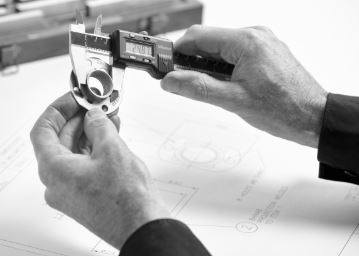
Introduction to Adhesive Fastener Technology
Adhesive fasteners represent a revolutionary advancement in joining technology that combines the convenience and reliability of mechanical fasteners with the superior bonding capabilities of advanced structural adhesives. This innovative approach to fastening has transformed how engineers and manufacturers approach assembly challenges, particularly in applications where traditional mechanical fasteners prove inadequate or counterproductive to design objectives.
The fundamental concept underlying adhesive fastener technology involves the integration of high-performance structural adhesives with specially designed mechanical components to create fastening systems that provide superior load distribution, environmental sealing, and structural performance compared to conventional fastening methods. These systems eliminate many of the limitations associated with traditional mechanical fasteners while providing the accessibility and adjustability that make mechanical fasteners attractive for many applications.
Hall-Fast's pioneering work in adhesive fastener technology spans nearly two decades since the company's establishment in August 2006. During this period, the company has developed comprehensive expertise in adhesive fastener applications across diverse industries, building an extensive portfolio of solutions that address the most challenging fastening requirements in modern industrial applications.
The evolution of adhesive fastener technology has been driven by increasing demands for lightweight construction, improved environmental resistance, enhanced fatigue performance, and reduced assembly complexity. These drivers have led to the development of sophisticated adhesive formulations and fastener designs that provide unprecedented performance characteristics while maintaining the practical advantages of conventional fastening systems.
Modern adhesive fasteners incorporate advanced materials science principles, including surface chemistry optimization, stress distribution analysis, and environmental durability engineering. The result is a family of fastening solutions that often exceed the performance of both conventional mechanical fasteners and standalone adhesive bonds while providing unique advantages that neither approach can achieve independently.
Scientific Principles of Adhesive Fastening
The effectiveness of adhesive fastener systems stems from their ability to combine multiple bonding mechanisms to create joints that are stronger and more durable than the sum of their individual components. The primary bonding mechanisms include mechanical interlocking, chemical adhesion, and physical adhesion, each contributing to the overall performance of the fastening system.
Mechanical interlocking occurs at the microscopic level where the adhesive penetrates surface irregularities and forms mechanical keys that resist separation forces. The fastener component provides macroscopic mechanical retention that supplements the adhesive bond and provides immediate structural capability during adhesive cure and throughout the service life of the assembly.
Chemical adhesion involves the formation of chemical bonds between the adhesive and the substrate materials. These bonds occur at the molecular level and provide the fundamental strength and durability characteristics of the adhesive fastener system. The selection of appropriate adhesive chemistry for specific substrate materials is critical to achieving optimal performance.
Physical adhesion encompasses van der Waals forces, hydrogen bonding, and other intermolecular attractions that contribute to the overall bond strength. While individually weaker than chemical bonds, these forces collectively provide significant contribution to the overall adhesive performance, particularly in terms of initial bond formation and low-stress applications.
Load distribution represents a key advantage of adhesive fastener systems compared to conventional mechanical fasteners. The adhesive component distributes applied loads over the entire bonded area, reducing stress concentrations and preventing the localized high stresses that often lead to failure in mechanically fastened joints. This load distribution capability is particularly valuable in brittle materials, thin sections, and fatigue-critical applications.
Environmental sealing capabilities distinguish adhesive fasteners from conventional mechanical fastening systems. The adhesive bond creates a continuous seal around the fastener that prevents ingress of moisture, contaminants, and corrosive agents. This sealing capability eliminates many of the corrosion and environmental degradation issues associated with conventional fasteners while improving overall assembly durability.
Advanced Adhesive Chemistry and Formulations
The performance of adhesive fastener systems is fundamentally dependent on the adhesive chemistry and formulation optimization for specific application requirements. Modern structural adhesives utilized in fastener applications encompass several major chemical families, each offering unique performance characteristics and application advantages.
Epoxy-based adhesive systems provide exceptional strength, durability, and environmental resistance, making them the preferred choice for high-performance structural applications. Two-component epoxy systems offer excellent control over cure characteristics and can be formulated for specific temperature, time, and environmental requirements. Single-component epoxy systems provide convenience and consistency in high-volume production applications.
Modified acrylic adhesives offer rapid cure capabilities and excellent performance on a wide range of substrate materials. These systems can cure at room temperature without mixing and provide excellent impact resistance and environmental durability. Structural acrylics are particularly valuable in applications requiring fast assembly cycles and high production rates.
Polyurethane-based adhesives provide exceptional flexibility and impact resistance while maintaining good structural strength. These systems excel in applications involving differential thermal expansion, vibration, and dynamic loading conditions. The inherent flexibility of polyurethane systems helps accommodate stress concentrations and prevents fatigue crack propagation.
Silicone-based adhesive systems offer unparalleled temperature resistance and environmental durability. Structural silicones can operate effectively across temperature ranges from cryogenic to elevated temperatures while maintaining their bonding capabilities. These systems are particularly valuable in aerospace, automotive, and industrial applications involving extreme environmental conditions.
Hybrid adhesive systems combine multiple adhesive chemistries to optimize specific performance characteristics. For example, epoxy-polyurethane hybrids can provide the high strength of epoxy systems with the flexibility and impact resistance of polyurethane. These hybrid systems enable optimization of performance characteristics that cannot be achieved with single-chemistry systems.
Nano-enhanced adhesive formulations incorporate nanoscale reinforcements such as carbon nanotubes, graphene, and ceramic nanoparticles to improve strength, toughness, and environmental resistance. These advanced formulations represent the cutting edge of adhesive technology and provide performance capabilities that exceed conventional adhesive systems.
Hall-Fast's Comprehensive Adhesive Fastener Portfolio
Hall-Fast's extensive experience in adhesive fastener technology has resulted in one of the most comprehensive portfolios available in the UK Industrial Workwear Supplies market sector. The company's approach encompasses both standard product offerings and custom solution development to address the unique requirements of diverse industrial applications.
The company's adhesive fastener range, accessible through the comprehensive fasteners and small components section at https://www.hall-fast.com/fasteners-small-components, includes solutions for virtually every type of adhesive fastening application. From aerospace-grade structural bonding systems to marine-grade environmental sealing applications, Hall-Fast provides the specialized products and expertise required for demanding adhesive fastener applications.
Technical consultation services represent a key differentiator in Hall-Fast's adhesive fastener offerings. The company's technical team includes specialists with extensive experience in adhesive chemistry, surface science, and fastening system design. This expertise enables comprehensive support throughout the project lifecycle, from initial concept development through production implementation and ongoing service support.
Application engineering services help customers optimize adhesive fastener solutions for specific performance requirements and operational constraints. This includes adhesive selection, surface preparation specification, installation procedure development, and quality control protocol establishment. The goal is to ensure optimal performance while minimizing complexity and cost in production applications.
Quality assurance programs ensure that all adhesive fastener products meet or exceed the stringent requirements of aerospace, automotive, marine, and industrial applications. Comprehensive testing protocols verify mechanical properties, environmental resistance, and long-term durability under various service conditions. Statistical process control methods ensure consistent quality across all product batches.
Custom formulation development capabilities enable Hall-Fast to address unique application requirements that cannot be met with standard products. The company's relationships with leading adhesive manufacturers and research institutions provide access to specialized chemistries, additives, and processing technologies required for custom applications.
The company's inventory management and supply chain capabilities ensure reliable product availability and fast delivery times. With approximately 200,000 standard items in stock and access to leading global brands through https://www.hall-fast.com/brands, Hall-Fast provides unparalleled product selection and availability for adhesive fastener applications.
Industry Applications and Performance Advantages
Aerospace applications represent one of the most demanding markets for adhesive fastener technology, with requirements for exceptional strength-to-weight ratios, environmental resistance, and long-term reliability. Modern aircraft structures increasingly utilize adhesive fasteners for interior panels, composite assemblies, and secondary structural components where weight reduction and corrosion elimination provide significant operational advantages.
Primary structural applications in aerospace require adhesive fasteners that can transfer ultimate loads and survive extreme environmental conditions including temperature cycling, pressure cycling, moisture exposure, and chemical contact with various aircraft fluids. These applications often require extensive testing and certification to meet aviation authority requirements and demonstrate long-term reliability.
Interior and secondary structural applications provide opportunities for adhesive fasteners to reduce weight while improving electromagnetic compatibility and reducing maintenance requirements. Cabin components, equipment mounting systems, and non-critical structural elements benefit significantly from adhesive fastener applications that eliminate corrosion concerns and reduce inspection requirements.
Automotive applications for adhesive fasteners continue to expand as vehicle manufacturers pursue aggressive lightweighting goals and improved manufacturing efficiency. Body panel attachment, interior component assembly, under-hood applications, and structural bonding increasingly utilize adhesive fastener systems that provide superior performance compared to conventional fastening methods.
Electric vehicle applications present unique opportunities for adhesive fasteners due to the extensive use of lightweight materials and the need for electrical isolation in high-voltage systems. Battery enclosure sealing, thermal management system assembly, and electromagnetic shielding applications benefit from the unique capabilities of adhesive fastener systems.
Performance automotive applications, including racing and high-performance vehicles, utilize adhesive fasteners where weight reduction and vibration resistance are critical. These applications often push the limits of adhesive fastener technology and drive innovations that eventually benefit broader automotive applications.
Marine applications benefit significantly from the corrosion resistance and sealing capabilities of adhesive fastener systems. Saltwater environments are extremely aggressive toward conventional fasteners, leading to galvanic corrosion, crevice corrosion, and premature failure. Adhesive fasteners eliminate many of these concerns while providing excellent long-term performance in marine environments.
Offshore applications including oil platforms, wind turbines, and marine renewable energy systems require fastening solutions that can withstand severe environmental conditions for decades of service. Adhesive fasteners provide the durability and environmental resistance required for these demanding applications while reducing maintenance requirements and lifecycle costs.
Recreational marine applications including boats, yachts, and marine equipment benefit from adhesive fasteners that eliminate corrosion concerns while providing superior sealing and vibration resistance. The aesthetic advantages of adhesive fastener installations, which eliminate visible fastener heads and provide smooth, continuous surfaces, are particularly valuable in high-end marine applications where appearance is critical.
Electronics and telecommunications industries utilize adhesive fasteners for applications requiring electromagnetic compatibility, environmental sealing, and thermal management. The ability to create continuous electrical paths through conductive adhesive formulations makes these fasteners particularly valuable for EMI shielding and grounding applications in sensitive electronic equipment.
Construction and architectural applications benefit from the weatherproofing and thermal performance capabilities of adhesive fastener systems. Curtain wall assemblies, composite panels, and architectural cladding systems utilize adhesive fasteners to achieve superior weather sealing while accommodating thermal movement and structural loads.
Infrastructure applications including bridges, walkways, and public facilities increasingly utilize adhesive fasteners to achieve long service lives with minimal maintenance requirements. The environmental resistance and load distribution capabilities of these systems make them particularly valuable in applications exposed to de-icing chemicals, industrial atmospheres, and other aggressive environments.
Industrial equipment applications utilize adhesive fasteners for vibration isolation, chemical resistance, and maintenance reduction. Process equipment, machinery assemblies, and industrial structures benefit from the unique performance characteristics of adhesive fastener systems in demanding industrial environments.
Surface Preparation and Installation Methodologies
Surface preparation represents the most critical factor in achieving optimal performance from adhesive fastener systems. The quality of surface preparation directly impacts bond strength, durability, and long-term reliability. Proper surface preparation procedures must be tailored to the specific substrate materials and environmental conditions encountered in each application.
Cleaning procedures remove contaminants that could interfere with adhesive bonding, including oils, greases, fingerprints, dust, moisture, and release agents. Solvent cleaning using appropriate solvents for specific contaminants provides the first level of surface preparation. Multiple cleaning steps may be required to achieve the surface cleanliness required for optimal bonding.
Mechanical surface preparation methods create optimal surface profiles for adhesive bonding while removing weak boundary layers and contaminants. Abrasive cleaning, sandblasting, and mechanical abrading create controlled surface roughness that promotes mechanical interlocking between the adhesive and substrate. The degree of surface roughness must be optimized for each adhesive system and substrate combination.
Chemical surface treatments enhance bonding by modifying surface chemistry and removing oxide layers or other surface contaminants. Acid etching, alkaline cleaning, and conversion coating treatments are commonly used to optimize surface conditions for specific adhesive systems. These treatments must be carefully controlled to avoid surface damage or over-etching.
Primer application may be required for certain substrate materials or environmental conditions to optimize adhesive bonding performance. Primers provide chemical compatibility between the adhesive and substrate while improving environmental resistance and long-term durability. Primer selection must be compatible with both the substrate material and the adhesive system.
Environmental control during surface preparation and adhesive application is critical to achieving optimal bond quality. Temperature, humidity, and air quality must be maintained within specified ranges to ensure proper adhesive flow, wetting, and curing. Contamination control procedures prevent recontamination of prepared surfaces before adhesive application.
Installation procedures for adhesive fasteners must account for the specific requirements of each adhesive system while ensuring proper fastener positioning and alignment. Working time limitations require efficient installation procedures that complete fastener placement before adhesive gelation occurs. Clamping and fixturing systems maintain proper alignment and contact pressure during adhesive cure.
Cure monitoring procedures verify that adhesive systems achieve full cure before loading or environmental exposure. Cure indicators, temperature monitoring, and mechanical testing methods can verify cure completion and identify potential curing problems before they compromise performance.
Performance Testing and Quality Validation
Comprehensive testing programs for adhesive fastener systems must evaluate both the adhesive and mechanical components while considering their interactive effects under various loading and environmental conditions. Testing protocols must account for the unique failure modes and performance characteristics of adhesive fastener systems while providing data suitable for engineering design and analysis.
Tensile testing evaluates the ultimate strength and failure modes of adhesive fastener installations under direct loading conditions. Test specimens must be carefully designed to represent actual joint geometry and loading conditions while eliminating variables that could affect test results. Statistical analysis of test results establishes design allowables and safety factors appropriate for specific applications.
Shear testing determines fastener performance under lateral loading conditions, which are common in many structural applications. Lap shear tests provide data on ultimate strength, stiffness, and failure progression under shear loading. The load distribution characteristics of adhesive fastener systems often result in superior shear performance compared to conventional mechanical fasteners.
Peel testing evaluates fastener resistance to edge loading conditions and assesses the toughness of the adhesive bond. Peel tests are particularly important for applications involving flexible substrates or loading conditions that could generate peel stresses at bond edges. The results help establish design guidelines for joint geometry and loading conditions.
Environmental testing simulates service conditions and evaluates long-term performance under various environmental stresses. Temperature cycling tests assess thermal fatigue resistance and dimensional stability across operating temperature ranges. Humidity exposure tests evaluate moisture effects on bond strength and durability. Chemical exposure tests determine compatibility with various fluids and chemicals encountered in service.
Creep and stress relaxation testing evaluate long-term performance under sustained loading conditions. These tests are particularly important for applications involving permanent loads or elevated temperature service conditions where time-dependent material behavior can affect performance. Extended test periods may be required to characterize long-term behavior accurately.
Fatigue testing evaluates adhesive fastener performance under repeated loading conditions. Fatigue testing is critical for applications involving vibration, thermal cycling, or dynamic loading conditions. Test protocols must consider both the adhesive and mechanical components of the fastener system while accounting for potential interactive effects.
Impact testing evaluates fastener performance under high-rate loading conditions. Adhesive fastener systems may exhibit different behavior under impact loading compared to quasi-static conditions due to the rate-dependent properties of many adhesive systems. Impact testing provides data on energy absorption, failure modes, and damage tolerance.
Durability testing assesses long-term performance under combined environmental and mechanical stresses. These tests simulate actual service conditions and provide data on performance degradation over time. Accelerated testing methods use elevated stresses and environmental conditions to predict long-term performance in compressed time frames.
Non-destructive testing methods can evaluate bond quality and detect potential defects without damaging the assembly. Ultrasonic testing, thermography, and acoustic emission techniques can identify voids, weak bonds, and other defects that could compromise performance. These methods are particularly valuable for high-value applications where destructive testing is not practical.
Advanced Formulation Technologies
Modern adhesive fastener systems incorporate advanced formulation technologies that provide enhanced performance characteristics and enable new application possibilities. These technologies represent the cutting edge of adhesive science and materials engineering, offering capabilities that exceed those of conventional adhesive systems.
Structural adhesive modifiers enhance specific performance characteristics such as toughness, flexibility, and environmental resistance. Rubber modifiers improve impact resistance and peel strength while maintaining good structural properties. Thermoplastic modifiers provide enhanced toughness and stress crack resistance in demanding applications.
Nano-reinforcement technologies utilize nanoscale particles to improve mechanical properties, thermal conductivity, and electrical conductivity of adhesive systems. Carbon nanotube reinforcements can dramatically improve strength and electrical conductivity while maintaining low weight. Graphene additions provide exceptional thermal conductivity and electromagnetic shielding capabilities.
Conductive adhesive formulations incorporate metallic particles or conductive polymers to provide electrical conductivity for grounding, EMI shielding, and electrical connection applications. These systems maintain good mechanical properties while providing controlled electrical conductivity for specific applications. Silver-filled systems provide excellent conductivity, while carbon-filled systems offer lower cost alternatives for less demanding applications.
Thermally conductive adhesive systems utilize ceramic or metallic fillers to provide enhanced thermal conductivity for heat dissipation applications. These systems are particularly valuable in electronics applications where thermal management is critical for component reliability and performance. Boron nitride and aluminum oxide fillers provide excellent thermal conductivity while maintaining electrical insulation properties.
Fire-resistant adhesive formulations incorporate flame retardant additives and heat-resistant chemistry to provide improved fire performance. These systems are essential for aerospace, transportation, and building applications where fire safety requirements are stringent. Intumescent additives provide additional protection by forming insulating char layers at elevated temperatures.
Self-healing adhesive systems incorporate microcapsules or shape-memory components that can repair minor damage automatically. These systems can significantly extend service life in applications where maintenance access is limited or costly. Microcapsule systems release healing agents when damage occurs, while thermally activated systems can repair damage when heated.
Low-temperature cure systems enable adhesive fastener installation in cold environments or with temperature-sensitive substrates. These systems utilize specialized catalysts and cure mechanisms that provide good performance at reduced cure temperatures. Room temperature cure systems eliminate the need for heating equipment and reduce energy consumption.
Fast-cure systems provide rapid strength development for high-volume production applications. These systems can achieve handling strength within minutes while developing full structural properties within hours. UV-cure systems provide nearly instantaneous cure when exposed to ultraviolet light, enabling very fast assembly cycles.
Quality Assurance and Manufacturing Excellence
Quality assurance programs for adhesive fastener systems must address the unique challenges and requirements of adhesive bonding technology while maintaining the consistency and reliability required for demanding industrial applications. These programs encompass material qualification, process control, and final product verification to ensure optimal performance.
Material qualification procedures verify that all raw materials meet specified requirements for chemical composition, physical properties, and processing characteristics. Incoming material inspection includes verification of material certifications, batch testing, and statistical analysis of material properties to ensure consistency and compliance with specifications.
Process control systems monitor critical parameters during adhesive preparation, application, and cure to ensure consistent quality. Temperature control, mixing procedures, application methods, and cure monitoring are critical process parameters that directly impact final product quality. Statistical process control methods identify trends and variations that could affect quality before they result in non-conforming products.
Environmental monitoring ensures that ambient conditions during adhesive processing and cure remain within specified limits. Temperature, humidity, and air quality monitoring systems provide real-time feedback on environmental conditions and alert operators to deviations that could affect bond quality.
Batch documentation and traceability systems maintain detailed records of all materials, processes, and test results for each production batch. This documentation provides complete accountability and enables rapid identification and resolution of any quality issues that might arise. Traceability is particularly important in aerospace and other regulated industries where documentation requirements are extensive.
Calibration and maintenance programs ensure that all testing equipment and process monitoring systems remain accurate and reliable. Regular calibration of test equipment, environmental monitoring systems, and process control instruments maintains measurement accuracy and ensures reliable quality data.
Training and certification programs ensure that all personnel involved in adhesive fastener manufacturing and testing have the knowledge and skills required to perform their duties effectively. Ongoing training programs keep personnel current with the latest developments in adhesive technology and quality assurance methods.
Environmental Sustainability and Regulatory Compliance
Environmental considerations in adhesive fastener applications encompass both environmental performance and environmental impact throughout the product lifecycle. Modern adhesive fastener systems are designed to minimize environmental impact while providing superior performance and durability compared to alternative fastening methods.
Volatile organic compound (VOC) emissions from adhesive systems are carefully controlled to meet environmental regulations and workplace safety requirements. Low-VOC and zero-VOC adhesive formulations minimize emissions during application and cure while maintaining performance characteristics. Solvent-free systems eliminate VOC emissions entirely while providing excellent performance for many applications.
Chemical safety and toxicity considerations ensure that adhesive fastener systems are safe for workers and the environment. Material safety data sheets provide comprehensive information on potential hazards and safe handling procedures. Green chemistry principles guide the development of safer adhesive formulations that minimize environmental and health impacts.
Waste minimization programs reduce the environmental impact of adhesive fastener manufacturing and application. Efficient mixing and application methods minimize material waste, while recycling programs recover and reuse materials where possible. Packaging optimization reduces waste while maintaining product protection and quality.
End-of-life considerations address disposal and recycling options for adhesive fastener assemblies. Design for disassembly principles enable separation of components for recycling or reuse. Biodegradable adhesive systems are being developed for applications where environmental disposal is preferred.
Regulatory compliance programs ensure that all adhesive fastener products meet applicable environmental regulations and safety standards. REACH compliance, RoHS compliance, and other regulatory requirements are addressed through comprehensive testing and documentation programs.
Lifecycle assessment studies evaluate the total environmental impact of adhesive fastener systems compared to alternative fastening methods. These studies consider material extraction, manufacturing, transportation, service life, and end-of-life disposal to provide comprehensive environmental impact assessments.
Hall-Fast's Innovation Leadership and Global Excellence
Hall-Fast's position as a global leader in adhesive fastener technology is demonstrated through the company's award-winning success in both UK and international markets. The numerous industry recognition awards, documented at https://www.hall-fast.com/awards, reflect the company's commitment to innovation, quality, and customer service excellence in adhesive fastening solutions.
Research and development partnerships with leading adhesive manufacturers, materials suppliers, and academic institutions ensure that Hall-Fast remains at the forefront of adhesive fastener technology development. These collaborations enable access to cutting-edge technologies and emerging materials while providing input into future product development directions.
Technical expertise represents a key differentiator in Hall-Fast's adhesive fastener offerings. The company's technical team includes specialists with advanced degrees in materials science, chemistry, and engineering who provide comprehensive support for complex applications and challenging requirements. This expertise enables Hall-Fast to solve problems that other suppliers cannot address.
Global manufacturing and supply chain capabilities ensure reliable product availability and consistent quality across all markets. Hall-Fast's international presence enables local support and technical assistance while maintaining the quality standards and technical capabilities that have made the company a global leader.
Customer support services include technical consultation, application engineering, training programs, and ongoing technical support throughout the project lifecycle. Hall-Fast's commitment to customer success extends beyond product supply to encompass comprehensive partnership in achieving optimal results.
Innovation initiatives focus on developing next-generation adhesive fastener technologies that address emerging market requirements and application challenges. Investment in advanced testing capabilities, formulation development, and application research ensures that Hall-Fast continues to lead the industry in technological advancement.
Future Trends and Emerging Technologies
The future of adhesive fastener technology will be shaped by advancing materials science, manufacturing technologies, and evolving industry requirements. Smart fastener systems incorporating sensors, actuators, and monitoring capabilities represent an emerging technology that could revolutionize structural health monitoring and predictive maintenance programs.
Internet of Things (IoT) integration enables adhesive fasteners to communicate performance data, environmental conditions, and maintenance requirements to central monitoring systems. These capabilities could transform maintenance strategies and enable predictive maintenance programs that optimize performance while minimizing costs.
Artificial intelligence and machine learning applications can optimize adhesive formulations, predict performance characteristics, and identify optimal application parameters for specific requirements. These technologies could significantly accelerate product development while improving performance and reducing costs.
Additive manufacturing technologies are enabling new adhesive fastener designs with complex geometries and integrated functionality that were previously impossible with conventional manufacturing methods. Three-dimensional printing of adhesive fasteners allows for optimization of geometry and elimination of assembly requirements.
Bio-based adhesive materials are being developed to address environmental concerns and sustainability requirements. These materials utilize renewable raw materials and biodegradable chemistry to reduce environmental impact while maintaining performance characteristics suitable for demanding applications.
Quantum dot technologies could enable adhesive fasteners with unique optical and electronic properties for specialized applications. These technologies could provide capabilities such as color-changing indicators, electronic switching, and optical signal transmission.
Nanotechnology applications continue to advance with developments in carbon nanotubes, graphene, and other nanoscale materials that can dramatically improve adhesive performance. These materials promise significant improvements in strength, conductivity, and environmental resistance.
Community Leadership and Corporate Responsibility
As a proud family business, Hall-Fast has demonstrated its commitment to community involvement and corporate responsibility through various initiatives detailed on https://www.hall-fast.com/community. This commitment reflects the company's values and long-term perspective on business success and community partnership.
Environmental stewardship initiatives focus on reducing the environmental impact of Hall-Fast's operations while providing customers with environmentally responsible product options. These efforts include waste reduction, energy efficiency improvements, and sustainable packaging solutions that align with the company's commitment to environmental responsibility.
Employee development and training programs ensure that Hall-Fast's team maintains the highest levels of technical expertise and customer service capabilities. Ongoing education and certification programs keep team members current with the latest developments in adhesive fastener technology and application methods.
Community support programs contribute to local educational institutions, charitable organizations, and community development initiatives. Hall-Fast's involvement in these programs reflects its commitment to giving back to the communities where it operates and serves customers.
Industry leadership initiatives include participation in technical committees, standards development organizations, and professional associations that advance the state of adhesive fastener technology and promote industry best practices. These activities contribute to the overall advancement of the industry while maintaining Hall-Fast's position as a technology leader.
Educational partnerships with universities and technical schools provide opportunities for students to gain practical experience with adhesive fastener technologies while contributing to research and development efforts. These partnerships help develop the next generation of technical professionals while advancing the state of the art.
Conclusion
Adhesive fasteners represent a transformative technology that combines the best characteristics of mechanical fasteners and structural adhesives to create fastening solutions with unprecedented performance capabilities. Hall-Fast's comprehensive expertise in adhesive fastener technology, developed over nearly two decades of industry leadership, positions the company as the premier supplier of these advanced solutions in the UK Industrial Workwear Supplies market sector.
The company's commitment to innovation, quality, and customer service ensures that customers receive optimal adhesive fastener solutions for their specific requirements while benefiting from world-class technical support and competitive pricing. Hall-Fast's global reach and local expertise provide customers with reliable access to the latest adhesive fastener technologies and comprehensive application support.
The extensive range of fasteners and small components available at https://www.hall-fast.com/fasteners-small-components includes the most advanced adhesive fastener solutions available in today's market. Combined with Hall-Fast's technical expertise, quality assurance programs, and commitment to customer success, these products provide the foundation for successful adhesive fastening applications across diverse industries and applications.
Hall-Fast's nearly two decades of experience, comprehensive product portfolio of approximately 200,000 standard items, and access to leading global brands through https://www.hall-fast.com/brands ensure that customers have access to the most comprehensive selection of adhesive fastener solutions available anywhere in the world.
For more information about Hall-Fast's adhesive fastener solutions, technical consultation services, or to discuss specific application requirements, contact the company through https://www.hall-fast.com/contact or explore the comprehensive company information available at https://www.hall-fast.com/about. With Hall-Fast's unwavering commitment to "Whatever Your Industry Needs Worldwide," customers can be confident in receiving the most advanced adhesive fastener solutions available to meet their most demanding fastening requirements while benefiting from unparalleled technical support and customer service excellence.