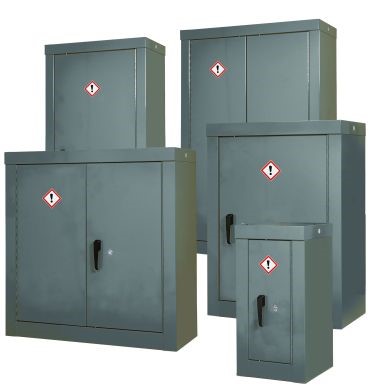
For UK organisations handling hazardous substances, the Control of Substances Hazardous to Health (COSHH) Regulations 2002 establish clear legal obligations for managing chemical risks in the workplace. At the heart of these compliance requirements lies the proper storage of dangerous substances—an area where many organisations struggle to implement effective solutions. This comprehensive guide explores the intersection of regulatory compliance and practical implementation, offering insights into COSHH compliant storage solutions that protect both personnel and organisations.
Understanding COSHH Storage Requirements: Beyond Basic Compliance
While many organisations approach COSHH as a checkbox exercise, effective compliance requires deeper understanding of the regulation's intent and specific storage provisions:
The Regulatory Foundation
COSHH storage requirements UK are built upon several key principles:
- Prevention of unauthorised access to hazardous substances
- Appropriate containment to prevent accidental release
- Proper segregation of incompatible materials
- Adequate ventilation to prevent harmful vapour accumulation
- Spill containment to minimise exposure risks
- Clear identification and hazard communication
- Regular assessment and monitoring of control measures
These fundamental principles translate into specific storage implementation requirements that vary based on substance properties and quantities.
Risk Assessment-Driven Approach
COSHH compliance begins with comprehensive risk assessment that directly impacts storage decisions:
- Identification of all hazardous substances present
- Evaluation of physical, health, and environmental hazards
- Assessment of exposure scenarios during normal operations
- Consideration of potential incidents and emergencies
- Determination of appropriate control measures
This assessment process establishes the foundation for appropriate storage solution selection, with higher-risk substances requiring more robust containment and control measures.
Storage Hierarchy of Control
COSHH implementation follows the established hierarchy of control approach:
- Elimination: Where possible, removing the hazardous substance entirely
- Substitution: Replacing with less hazardous alternatives
- Engineering Controls: Physical containment and ventilation systems
- Administrative Controls: Procedures, training, and access limitations
- Personal Protective Equipment: Last line of defence for residual risks
Properly designed COSHH compliant storage cabinets represent critical engineering controls that significantly reduce exposure risks when elimination or substitution isn't feasible.
Essential Elements of COSHH-Compliant Storage Infrastructure
Achieving meaningful compliance requires attention to several storage system elements:
Cabinet Construction and Performance Standards
Quality COSHH compliant storage solutions meet specific performance standards:
- Type testing to recognised standards (EN 14470-1 for flammables)
- Appropriate fire resistance ratings when storing flammable materials
- Construction materials compatible with stored substances
- Robust mechanical integrity for industrial environments
- Secure locking mechanisms to prevent unauthorised access
These construction characteristics ensure the storage system provides genuine protection rather than merely creating an appearance of compliance.
Ventilation Considerations
Proper ventilation represents a critical aspect of COSHH compliance:
- Technical ventilation for volatile substances to prevent harmful concentrations
- Appropriate air exchange rates based on cabinet volume and contents
- Exhaust routing to safe discharge locations
- Monitoring systems to verify proper operation
- Filtration options when external venting is impractical
These ventilation elements address the COSHH requirement to prevent inhalation exposure through engineering controls.
Spill Containment Capabilities
Effective containment of leaks and spills forms a fundamental compliance element:
- Liquid-tight sumps with sufficient capacity (typically 110% of largest container)
- Construction materials resistant to stored chemicals
- Design features that contain spills within the cabinet
- Easy access for inspection and cleaning
- Removable sumps or liners when practical for maintenance
These containment features satisfy COSHH requirements for preventing skin contact and environmental release during incidents.
Identification and Information Systems
Clear communication of hazards supports both compliance and operational safety:
- Appropriate hazard signage on cabinet exteriors
- Content inventory systems for accurate tracking
- Safety data sheet availability for stored materials
- Emergency response information readily accessible
- Clear marking of maximum storage capacities
These information elements address COSHH requirements for hazard communication while supporting effective emergency response.
Security and Access Control
Preventing unauthorised access represents a core COSHH requirement:
- Reliable locking mechanisms appropriate to risk level
- Key management systems for controlled access
- Possible integration with electronic access control for higher security
- Physical positioning away from public or high-traffic areas
- Protocols for authorised access documentation
These security measures prevent unauthorised exposure while creating accountability for material handling.
Specialised Storage Solutions for Different Hazard Categories
Different substance types require specialised COSHH compliant storage cabinets with features tailored to specific hazards:
Flammable Liquid Storage
The storage of flammable liquids presents unique fire and explosion risks:
- Fire-rated construction (ideally Type 90 under EN 14470-1)
- Automatic door closing mechanisms activated by temperature
- Flame arresters in ventilation openings
- Earthing/grounding connections to prevent static build-up
- Explosion-relief features in larger storage units
These specialised features address the particular risks associated with flammable materials under COSHH.
Corrosive Substance Storage
Acids, bases, and other corrosives require special containment considerations:
- Corrosion-resistant interior surfaces (often polyethylene or similar)
- Separate compartments for acids and bases
- Non-metallic fittings and hardware in contact areas
- Specialised ventilation to address corrosive vapours
- Spill containment with compatible sump materials
These corrosion-specific features prevent cabinet degradation while providing appropriate containment.
Toxic Substance Management
Particularly hazardous toxic materials demand enhanced controls:
- Higher security access restrictions
- Negative pressure ventilation to prevent outward leakage
- Enhanced filtration for exhaust systems
- Secondary containment for catastrophic primary container failure
- Integration with monitoring systems for leak detection
These enhanced controls reflect the higher consequences associated with toxic material release.
Compressed Gas Storage
Gas cylinders present unique hazards requiring specialised solutions:
- Robust construction to withstand impact and pressure
- Appropriate restraints to prevent cylinder movement
- Segregation based on gas properties (flammable, oxidising, inert)
- Ventilation specific to gas density characteristics
- Fire protection appropriate to gas hazard classification
These gas-specific features address the unique risks associated with pressurised containers.
Implementing COSHH Storage: Practical Considerations
Beyond cabinet selection, several implementation factors significantly impact compliance effectiveness:
Storage Location and Placement Strategy
Cabinet positioning within facilities directly affects both safety and operational efficiency:
- Proximity to points of use without excessive transport distances
- Adequate separation from incompatible processes and materials
- Consideration of emergency response and evacuation routes
- Appropriate security based on facility layout and access patterns
- Environmental factors including temperature, humidity, and direct sunlight
Thoughtful placement enhances protection while supporting efficient workflows within COSHH guidelines.
Integration with Broader COSHH Management Systems
Storage solutions should connect with comprehensive COSHH programs:
- Alignment with documented risk assessments
- Integration with monitoring and exposure control strategies
- Connection to training and standard operating procedures
- Incorporation into emergency planning and response
- Inclusion in regular COSHH review and assessment cycles
This integration ensures storage controls function within a coherent overall COSHH management system.
Documentation and Record-Keeping
Proper documentation supports both compliance verification and effective management:
- Detailed inventory of cabinet contents with quantities
- Records of inspections and maintenance activities
- Documentation of employee training on proper usage
- Incident reports related to storage issues
- Assessment reviews and updates as required by COSHH
These records provide demonstration of compliance while supporting continuous improvement in control measures.
Staff Training and Competency
Even the best storage systems require proper human interaction:
- Training on correct usage procedures for specific cabinet types
- Hazard awareness for stored materials
- Emergency response protocols for spills and incidents
- Understanding of material compatibility and segregation requirements
- Recognition of warning signs indicating potential problems
This competency development ensures engineering controls are properly utilised and maintained.
Industry-Specific COSHH Storage Challenges and Solutions
Different sectors face unique challenges requiring tailored approaches to COSHH storage requirements UK:
Laboratory Environments
Research and testing laboratories present distinct requirements:
- Typically smaller quantities of diverse chemicals
- Frequent access needs for multiple users
- Space constraints in crowded lab environments
- Under-bench installation requirements for point-of-use access
- Balance between security and operational efficiency
These factors often favour distributed smaller cabinets integrated with laboratory furniture and fume hood systems.
Industrial Manufacturing
Production environments face different COSHH challenges:
- Larger volumes of fewer materials
- Higher throughput access requirements
- Integration with production workflows
- Robust construction for industrial environments
- Balancing central stores versus point-of-use access
These applications typically require larger, more robust storage systems often in dedicated hazardous material areas.
Healthcare Facilities
Medical settings present unique considerations:
- Strict regulatory compliance beyond basic COSHH
- Critical availability needs for essential materials
- Clean environment compatibility
- Integration with pharmaceutical management systems
- Enhanced security for controlled substances
These specialised needs often require customised solutions with particular attention to access control and cleanliness.
Educational Institutions
Schools, colleges and universities have specific requirements:
- Enhanced security to prevent unauthorised student access
- Clear visibility for supervision and inventory checking
- Smaller quantities with diverse materials
- Budget constraints requiring long service life
- Balance between security and teaching accessibility
Educational applications emphasise security and supervision while supporting teaching requirements.
COSHH Compliance Management: Beyond Initial Implementation
Achieving ongoing COSHH compliance requires sustained attention beyond initial storage implementation:
Regular Assessment and Review
COSHH requires periodic reassessment of control measures:
- Scheduled reviews of storage adequacy and condition
- Evaluation when new substances are introduced
- Assessment following incidents or near-misses
- Updates when processes or quantities change
- Consideration of emerging best practices and technologies
This ongoing assessment ensures storage solutions continue to provide appropriate protection as conditions evolve.
Maintenance and Testing Protocols
Physical storage systems require regular maintenance to maintain effectiveness:
- Visual inspection of cabinet condition and integrity
- Testing of ventilation systems and airflow
- Verification of locking mechanism functionality
- Cleaning of spill containment areas
- Replacement of worn components or seals
These maintenance activities ensure the engineered controls continue to function as designed.
Compliance Verification and Auditing
Regular verification supports both legal compliance and safety management:
- Internal audits against COSHH requirements
- Third-party verification for objective assessment
- Documentation review for completeness
- Performance testing of critical functions
- Benchmarking against industry best practices
These verification activities identify improvement opportunities while demonstrating due diligence in compliance efforts.
Real-World Implementation Challenges
Despite clear regulatory requirements, organisations often encounter several practical challenges when implementing COSHH compliant storage solutions:
Space Constraints
Many UK facilities, particularly older buildings, face significant space limitations:
- Limited floor space for dedicated storage areas
- Restricted ceiling heights in available locations
- Challenging access for larger cabinet installation
- Competition for space with operational equipment
- Difficult ventilation routing in existing structures
These spatial challenges often require creative solutions including custom-sized cabinets, strategic placement, and sometimes facility modifications.
Budget Limitations
Safety investments compete with operational priorities:
- Initial capital cost concerns for quality storage systems
- Difficulty quantifying return on investment for preventative measures
- Competition with production equipment for limited capital
- Tendency toward minimum compliance rather than best practice
- Phased implementation needs to spread investment
These financial constraints highlight the importance of considering lifetime value rather than simply initial purchase cost when selecting storage solutions.
Material Diversity and Compatibility
Modern operations often involve diverse chemical inventories:
- Complex segregation requirements for incompatible materials
- Varying storage requirements for different hazard classes
- Changing inventories requiring flexible storage options
- Specialised storage needs for unusual materials
- Lack of clear guidance for novel substances
These complex material management challenges require thoughtful cabinet selection and configuration to provide appropriate segregation while maintaining operational efficiency.
Hall-Fast: Your Partner for COSHH Compliance Excellence
Navigating these complex considerations requires expert guidance from experienced providers. Hall-Fast has established itself as a leading supplier of COSHH compliant storage solutions designed to address the diverse needs of UK organisations.
Hall-Fast specialises in the industry-leading Asecos range of COSHH compliant storage cabinets, renowned for exceptional quality and compliance with the strictest European standards. These cabinets provide UK organisations with storage solutions that exceed minimum compliance requirements through features including:
- Type 90 certification providing 90 minutes of fire resistance
- GS certification verifying tested and certified safety
- Full compliance with relevant EN standards
- Multiple size and configuration options for different applications
- Advanced construction techniques exceeding minimum requirements
This focus on premium solutions ensures implemented cabinets deliver genuine protection rather than merely meeting minimum compliance standards.
UK-Specific Compliance Expertise
Understanding that COSHH implementation must address UK-specific requirements, Hall-Fast provides:
- Guidance on UK regulatory compliance beyond general EU standards
- Understanding of HSE enforcement priorities and expectations
- Familiarity with UK-specific industry practices
- Documentation support specific to UK compliance demonstration
- Implementation advice aligned with UK workplace standards
This UK-focused expertise ensures solutions address specific regulatory requirements relevant to British organisations.
Comprehensive Support Framework
Beyond equipment provision, Hall-Fast delivers extensive implementation support:
- Site assessment and preparation guidance
- Delivery coordination and placement assistance
- User training on proper operation and maintenance
- Documentation support for COSHH compliance records
- Ongoing technical support and service
This support framework ensures solutions deliver their full potential value through proper implementation and operation.
Client-Centred Approach
Recognising that each organisation has unique requirements, Hall-Fast provides:
- Customised solutions based on specific operational needs
- Flexible implementation options for challenging environments
- Phased approaches for budget-conscious organisations
- Integration planning with existing safety systems
- Long-term partnership throughout the equipment lifecycle
This client-focused methodology ensures solutions not only meet compliance requirements but also support operational objectives and constraints.
The Cost of Non-Compliance: Why COSHH Storage Matters
Beyond the technical and implementation considerations, organisations should recognise the significant consequences of inadequate chemical storage:
Regulatory and Legal Implications
HSE enforcement actions for COSHH non-compliance can be severe:
- Potential improvement and prohibition notices disrupting operations
- Significant fines under the Health and Safety at Work Act
- Personal liability for directors and managers in serious cases
- Civil claims from affected employees or third parties
- Reputational damage from publicised enforcement actions
These enforcement consequences create compelling compliance motivation beyond safety benefits.
Human and Operational Costs
Inadequate storage can lead to incidents with substantial impacts:
- Employee injuries from exposure or chemical incidents
- Operational disruption during incident response and investigation
- Property damage from chemical releases or related fires
- Environmental contamination requiring costly remediation
- Productivity losses from health effects and workforce concerns
These potential consequences highlight storage as a critical protection against significant business risks.
Insurance and Liability Considerations
Proper storage directly impacts risk profiles and coverage:
- Insurance premium implications for demonstrated compliance
- Potential coverage limitations or exclusions for inadequate controls
- Documentation requirements for claims acceptance
- Liability exposure beyond insurance coverage limits
- Trend toward more rigorous underwriting assessment of chemical risks
These insurance factors create additional financial incentives for proper storage implementation.
Advancing Your COSHH Compliance Strategy
Implementing the right COSHH compliant storage cabinets represents a significant opportunity to enhance workplace safety while ensuring regulatory compliance. To explore how Hall-Fast's Asecos solutions can address your specific requirements, visit https://www.hall-fast.com/coshh-security-cupboards to review available options and implementation approaches.
For personalised guidance on selecting the optimal configuration for your environment, contact Hall-Fast's specialists directly at sales@hall-fast.com. Their experienced team can assess your unique needs and recommend appropriate solutions that align with both operational requirements and UK compliance obligations.
With the right COSHH compliant storage infrastructure in place, your organisation can create a safer work environment that protects employees and assets while supporting operational efficiency and regulatory compliance. Beyond meeting basic legal requirements, proper hazardous material storage demonstrates organisational commitment to health and safety excellence—creating benefits that extend far beyond simple regulatory compliance.