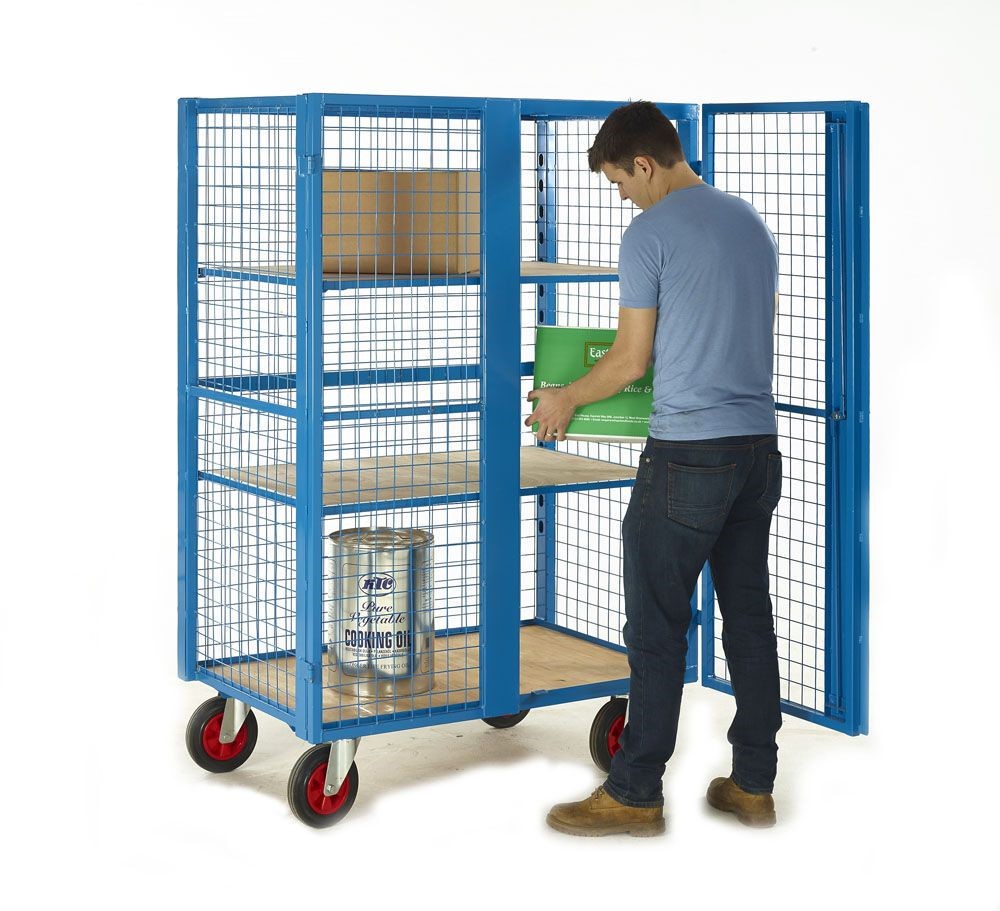
Distribution trucks represent the critical backbone of modern industrial logistics, transforming how businesses manage material movement, inventory control, and operational efficiency. These specialized vehicles are far more than simple transportation tools; they are sophisticated engineering solutions that address the most complex challenges in material handling across diverse industrial environments.
The Evolution of Distribution Trucks in Modern Industry
The concept of distribution trucks has dramatically evolved over the past decades, emerging as a pivotal technology in industrial logistics. Historically, material transportation relied on manual handling and basic transport methods, which were inefficient, time-consuming, and prone to significant safety risks. Modern distribution trucks have revolutionized this landscape, offering unprecedented precision, safety, and efficiency in material movement.
Distribution trucks now represent a critical intersection of advanced engineering, technological innovation, and operational strategy. Manufacturers like Hall-Fast have been at the forefront of developing these sophisticated vehicles, understanding that effective material handling is about more than simply moving items from one point to another. These trucks are designed to optimize workflow, reduce operational costs, improve workplace safety, and enhance overall productivity.
Comprehensive Overview of Distribution Truck Technologies
Modern distribution trucks encompass a wide range of specialized vehicles tailored to meet the unique demands of different industrial sectors. From heavy-duty industrial trucks capable of managing massive loads to precision warehouse vehicles designed for intricate inventory management, the technology behind these machines has reached remarkable levels of sophistication.
The engineering of distribution trucks involves multiple critical considerations. Manufacturers must balance load-bearing capacity, manoeuvrability, operator safety, and technological integration. Advanced distribution trucks now feature intelligent systems that provide real-time performance monitoring, automated guidance capabilities, and energy-efficient power management. Electric and hybrid power systems have become increasingly prevalent, reflecting the industry's commitment to sustainability and reduced environmental impact.
Types of Distribution Trucks for Industrial Applications
Industrial distribution trucks are not a one-size-fits-all solution. Different sectors require specialized vehicles designed to meet unique operational challenges. Manufacturing facilities might require heavy-duty trucks capable of moving raw materials and large equipment, while warehouse operations need highly manoeuvrable vehicles that can navigate narrow aisles and handle precise inventory positioning.
Warehouse distribution trucks, for instance, are engineered with compact designs that allow for exceptional manoeuvrability in tight spaces. These vehicles often feature advanced lifting mechanisms, precise control systems, and ergonomic designs that prioritize operator comfort and safety. In contrast, heavy-duty industrial distribution trucks are built to withstand extreme working conditions, with robust construction that can handle substantial loads across challenging terrains.
Critical Considerations in Distribution Truck Selection
Selecting the appropriate distribution truck requires a comprehensive evaluation of multiple factors. Operational environments, specific material handling requirements, load capacities, and budget constraints all play crucial roles in determining the most suitable vehicle. Businesses must conduct thorough operational analyses that consider not just immediate needs but also long-term scalability and potential future requirements.
Safety remains a paramount concern in distribution truck design and selection. Modern trucks incorporate multiple safety features, including advanced stability control mechanisms, comprehensive operator protection systems, enhanced visibility technologies, and intelligent collision avoidance systems. These features not only protect workers but also contribute to overall operational efficiency by reducing potential accidents and downtime.
Technological Innovations Driving Distribution Truck Development
The technological landscape of distribution trucks continues to evolve rapidly. Smart tracking systems now allow businesses to monitor vehicle performance in real-time, providing unprecedented insights into operational efficiency. Fleet management integration enables comprehensive data collection and analysis, helping companies optimize their material handling strategies.
Automated guidance systems represent another frontier in distribution truck technology. Some advanced models now feature semi-autonomous or fully autonomous capabilities, capable of navigating complex warehouse environments with minimal human intervention. These technologies promise to revolutionize material handling, offering unprecedented precision and efficiency.
Industry-Specific Applications of Distribution Trucks
Different industrial sectors leverage distribution trucks in unique and innovative ways. In manufacturing, these vehicles are critical for transporting raw materials, managing work-in-progress inventory, and supporting complex production line logistics. Construction sites rely on robust distribution trucks to move heavy equipment, materials, and support ongoing project requirements.
Logistics and warehousing operations have perhaps the most sophisticated relationship with distribution trucks. These vehicles are essential for inventory management, enabling complex sorting, cross-docking operations, and rapid order fulfilment processes. The ability to move materials quickly, safely, and precisely directly impacts a company's competitive capabilities.
Environmental and Economic Considerations
Modern distribution trucks are increasingly designed with sustainability in mind. Electric and hybrid models reduce carbon emissions, lower operational costs, and align with growing environmental regulations. The economic benefits extend beyond fuel efficiency, encompassing reduced maintenance requirements, longer vehicle lifespans, and improved overall operational productivity.
Choosing Hall-Fast for Distribution Truck Solutions
Hall-Fast stands at the forefront of distribution truck technology, offering comprehensive solutions that address the most complex material handling challenges. Our commitment to innovation, quality, and customer support sets us apart in the industrial equipment marketplace.
Our extensive range of distribution trucks reflects our understanding that no two operational environments are identical. We provide customized solutions that adapt to specific industry requirements, ensuring that businesses can optimize their material handling processes effectively.
Expert Support and Consultation
Contacting our specialist team provides access to unparalleled expertise in distribution truck selection and implementation. We offer personalized consultations that help businesses identify the most appropriate vehicles for their unique operational challenges.
Brands and Quality Assurance
By partnering with leading manufacturers, Hall-Fast ensures access to the most advanced distribution truck technologies available in the market. Our commitment to quality means that customers receive not just equipment, but comprehensive material handling solutions.
Community and Continuous Improvement
Our dedication to community and ongoing innovation drives us to continually push the boundaries of distribution truck technology. We understand that today's solutions must anticipate tomorrow's challenges.
Conclusion: The Future of Distribution Trucks
Distribution trucks will continue to play an increasingly critical role in global industrial logistics. As technologies advance, these vehicles will become even more intelligent, efficient, and integral to operational success. Businesses that invest in advanced distribution truck technologies position themselves at the forefront of industrial innovation.