The precision requirements and space constraints of modern manufacturing environments create unique challenges for material handling systems. Manufacturing overhead lifting solutions address these challenges by providing specialized equipment that enables efficient vertical material movement in production settings where floor-level congestion would otherwise create workflow bottlenecks and safety hazards.
Effective manufacturing overhead lifting delivers several strategic advantages for production operations:
- Process Continuity: Direct delivery of materials to production points without interrupting workflow
- Space Optimization: Preservation of valuable floor space for value-adding production activities
- Flexible Routing: Ability to move materials across production areas without navigating around equipment
- Work-In-Process Management: Efficient handling of partially completed assemblies between production stages
- Equipment Feeding: Direct loading of materials into elevated machinery or processing equipment
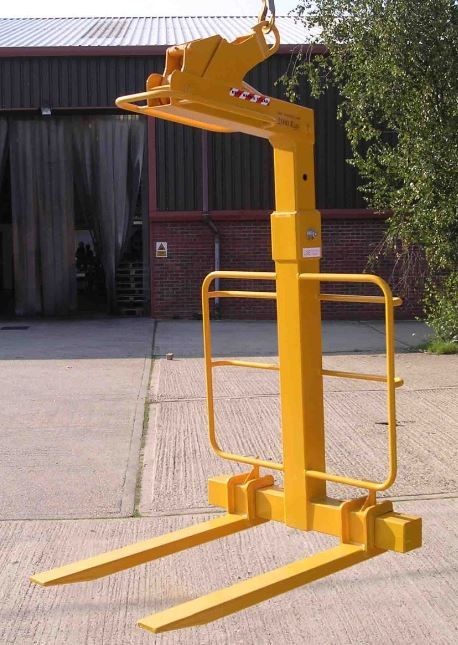
Self-levelling pallet systems play a particularly valuable role in manufacturing applications by ensuring precise horizontal orientation during critical material placements. The automatic balancing technology prevents the load shifts that could disrupt delicate components or precise assemblies, maintaining production quality standards throughout the handling process.
Specific manufacturing functions that benefit from specialized overhead lifting include:
- Production Line Feeding: Just-in-time delivery of components and raw materials to assembly points
- Machinery Loading/Unloading: Precise positioning of materials for automated processing equipment
- Work Cell Integration: Transfer of materials between discrete production zones without floor-level movement
- Quality Control Stations: Movement of products to elevated inspection points without manual handling
- Finished Goods Transfer: Direct routing of completed products to packaging or shipping areas
Implementing effective manufacturing overhead lifting requires consideration of several operational factors:
- Process Mapping: Identifying critical material flows that would benefit from vertical transport
- Precision Requirements: Understanding the positioning accuracy needed for specific manufacturing processes
- Integration Planning: Coordinating overhead handling with production scheduling and control systems
- Environmental Factors: Addressing any process-specific conditions such as temperature, contaminants, or vibration
- Clearance Analysis: Ensuring adequate headroom for lifting operations above production equipment
For manufacturing operations seeking to enhance both production flow and space utilization, specialized overhead lifting equipment provides engineered solutions that address the unique challenges of manufacturing environments. Explore manufacturing handling options and discover how self-levelling technology can optimize your production material handling.