Industrial consumables and trade essentials form the operational backbone of manufacturing, construction, maintenance, and service industries across every sector of the economy. These products, while often considered routine purchases, directly impact productivity, quality, safety, and operational costs in ways that can significantly affect business success. From basic supplies that keep operations running smoothly to specialized consumables that enable complex manufacturing processes, strategic management of these essential items requires comprehensive understanding of product selection, supply chain optimization, and cost management strategies.
The modern industrial landscape demands consumables and trade essentials that meet increasingly stringent quality standards while providing cost-effective solutions for diverse operational requirements. Environmental regulations, safety requirements, and efficiency demands have elevated the importance of consumable product selection from simple purchasing decisions to strategic operational considerations that affect competitiveness and regulatory compliance.
Understanding the full scope of industrial consumables encompasses everything from basic cleaning supplies and safety equipment to specialized chemicals, abrasives, and technical materials that enable complex manufacturing processes. This comprehensive guide explores the essential categories of industrial consumables, selection criteria, supply management strategies, and best practices that optimize operational efficiency while controlling costs and ensuring compliance with applicable regulations.
Understanding Industrial Consumables Categories
Basic Operational Supplies and Materials
The foundation of industrial operations relies on consistent availability of basic operational supplies that support daily activities across all functional areas. These fundamental consumables include cleaning supplies, office materials, packaging supplies, and general maintenance items that enable smooth operations while maintaining workplace standards and regulatory compliance.
Cleaning supplies represent a critical category of consumables that directly impact workplace safety, equipment performance, and regulatory compliance. Industrial-grade cleaning products must provide effective cleaning performance while meeting safety requirements for worker exposure and environmental discharge. The selection of appropriate cleaning products requires understanding of specific contamination types, surface materials, and regulatory requirements.
Packaging and shipping supplies support product delivery and material handling operations while protecting products during storage and transportation. These supplies must balance protection requirements with cost considerations while meeting customer expectations and regulatory requirements for packaging materials and environmental impact.
Office and administrative supplies maintain essential business functions including communication, documentation, and record-keeping activities. While these items may seem routine, their availability and quality directly impact administrative efficiency and professional image.
General maintenance supplies including lubricants, sealants, adhesives, and repair materials enable ongoing equipment maintenance and facility upkeep. These products must provide reliable performance while offering good value and broad application versatility.
Specialized Industrial Chemicals and Materials
Industrial processes increasingly rely on specialized chemicals and materials that enable specific manufacturing processes, provide enhanced performance characteristics, or meet regulatory requirements for safety and environmental protection. These specialized consumables often require technical expertise for proper selection, handling, and application.
Process chemicals including solvents, catalysts, and reaction media enable specific manufacturing processes while meeting purity and performance requirements. These materials often require specialized storage, handling, and disposal procedures to ensure safety and regulatory compliance.
Surface treatment chemicals including cleaners, primers, coatings, and finishing materials provide essential surface preparation and protection functions. Proper selection and application of these materials significantly impacts product quality and service life.
Cutting fluids, lubricants, and metalworking compounds support machining and manufacturing operations while extending tool life and improving surface finish quality. These specialized fluids must balance performance characteristics with health and environmental considerations.
Adhesives, sealants, and bonding agents provide essential joining and sealing functions in manufacturing and assembly operations. Modern formulations offer enhanced performance characteristics including faster curing, improved strength, and better environmental resistance.
Safety and Personal Protection Consumables
Workplace safety requirements drive significant demand for personal protection equipment and safety-related consumables that protect workers while enabling productive operations. These products must meet stringent regulatory requirements while providing comfort and functionality that encourages consistent use.
Personal protective equipment including gloves, respirators, protective clothing, and safety equipment provides essential worker protection while meeting regulatory compliance requirements. Quality PPE products balance protection effectiveness with comfort and cost considerations.
First aid and emergency response supplies provide essential capabilities for responding to workplace incidents and medical emergencies. These supplies must be readily accessible, regularly maintained, and appropriate for specific workplace hazards and risks.
Safety marking and identification materials including signs, labels, and marking systems provide essential hazard communication and facility organization. These materials must provide clear, durable communication while meeting regulatory requirements for workplace safety.
Spill control and containment materials provide essential capabilities for responding to chemical spills and preventing environmental contamination. These materials must be appropriate for specific chemical hazards while providing effective containment and cleanup capabilities.
Strategic Supply Management for Consumables
Inventory Management and Control Systems
Effective management of industrial consumables requires sophisticated inventory control systems that balance availability requirements with carrying costs while minimizing waste and obsolescence. Modern inventory management approaches utilize technology and systematic procedures to optimize stock levels and reduce total cost of ownership.
Demand forecasting systems analyze historical usage patterns, seasonal variations, and operational changes to predict future consumable requirements. Accurate forecasting enables better inventory planning while reducing stockouts and excess inventory situations.
Automated reordering systems monitor inventory levels and automatically generate purchase orders when stock levels reach predetermined reorder points. These systems reduce administrative costs while improving inventory availability and reducing human errors.
Just-in-time delivery systems coordinate with suppliers to provide consumables when needed while minimizing on-site inventory carrying costs. These systems require reliable suppliers and effective communication systems to ensure availability without stockouts.
Vendor-managed inventory programs transfer inventory management responsibility to qualified suppliers who monitor usage and maintain appropriate stock levels. These programs can reduce administrative costs while improving availability and reducing inventory investment.
Supplier Selection and Partnership Development
Strategic supplier selection for industrial consumables extends beyond price considerations to include quality, reliability, technical support, and long-term partnership potential. Effective supplier relationships provide value through improved service, technical expertise, and supply chain optimization.
Supplier qualification processes evaluate potential suppliers based on quality systems, financial stability, technical capabilities, and service performance. Thorough qualification helps ensure that suppliers can meet ongoing requirements while providing reliable long-term partnerships.
Performance monitoring systems track supplier performance including delivery reliability, quality consistency, pricing competitiveness, and service responsiveness. Regular performance reviews help maintain supplier accountability while identifying improvement opportunities.
Strategic partnerships with key suppliers provide enhanced service levels, technical support, and cost optimization opportunities. These relationships often include volume discounts, technical consultation, and supply chain optimization services that benefit both parties.
Multiple sourcing strategies balance supply security with cost optimization by maintaining relationships with multiple qualified suppliers for critical consumables. This approach provides backup supply options while maintaining competitive pricing pressure.
Quality Considerations and Standards Compliance
Product Quality and Performance Standards
Industrial consumables must meet specific quality and performance standards that ensure reliable operation while meeting regulatory requirements and customer expectations. Quality standards vary significantly across different product categories and applications, requiring careful attention to specifications and certification requirements.
Industry standards organizations including ASTM, ISO, and ANSI establish quality standards for various consumable products. Compliance with these standards ensures consistent product quality and performance while facilitating supplier comparisons and product selection decisions.
Performance testing and validation procedures verify that consumable products meet specified requirements under actual operating conditions. These procedures help identify potential problems before they affect operations while validating supplier claims and product specifications.
Quality certification programs provide independent verification of product quality and compliance with applicable standards. Certified products often provide better assurance of performance and reliability than uncertified alternatives.
Incoming inspection procedures verify that received products meet specifications and quality requirements. Statistical sampling and testing procedures provide cost-effective quality verification while maintaining delivery schedules.
Regulatory Compliance and Documentation
Industrial consumables often face complex regulatory requirements related to safety, environmental protection, and product performance. Compliance with these regulations requires comprehensive understanding of applicable requirements and systematic documentation of compliance activities.
Safety Data Sheets (SDS) provide essential information about chemical hazards, handling procedures, and emergency response requirements. Proper SDS management ensures that workers have access to critical safety information while meeting regulatory documentation requirements.
Environmental regulations affect many industrial consumables including disposal requirements, emission limitations, and environmental impact assessments. Compliance requires careful product selection and systematic documentation of environmental impacts and mitigation measures.
Transportation regulations govern the shipping and handling of hazardous consumables including packaging requirements, labeling specifications, and carrier qualifications. Compliance ensures safe transportation while avoiding regulatory penalties and delays.
Record-keeping requirements for regulated consumables include purchase documentation, usage tracking, and disposal records. Comprehensive documentation systems support regulatory compliance while providing data for optimization and cost analysis.
Cost Optimization and Budget Management
Total Cost of Ownership Analysis
Effective cost management for industrial consumables requires comprehensive analysis of total cost of ownership rather than simple purchase price comparisons. Total cost analysis includes acquisition costs, inventory carrying costs, application costs, and disposal costs throughout the product lifecycle.
Purchase price optimization through volume purchasing, contract negotiations, and supplier partnerships can provide significant cost savings while maintaining quality and service requirements. However, lowest price does not always provide best value when total costs are considered.
Application efficiency affects total cost through product yield, waste generation, and labor requirements. Higher-quality products often provide better total cost performance through improved efficiency and reduced waste despite higher initial costs.
Inventory carrying costs include storage space, handling labor, obsolescence risks, and capital costs that can significantly impact total cost of ownership. Optimizing inventory levels balances availability requirements with carrying cost considerations.
Disposal costs for consumable products and waste materials can represent significant expenses, particularly for hazardous materials requiring special disposal procedures. Product selection decisions should consider disposal requirements and associated costs.
Budget Planning and Procurement Strategies
Effective budget planning for industrial consumables requires understanding of usage patterns, cost trends, and operational changes that affect consumable requirements. Systematic budget planning helps control costs while ensuring adequate availability of essential materials.
Annual contracts and framework agreements provide cost stability and procurement efficiency for recurring consumable purchases. These agreements often include volume discounts, price protection, and simplified ordering procedures that benefit both buyers and suppliers.
Group purchasing programs allow organizations to combine purchasing power to obtain better pricing and terms from suppliers. These programs are particularly valuable for smaller organizations that lack individual purchasing leverage.
Seasonal purchasing strategies take advantage of price fluctuations and supplier incentives to optimize costs while maintaining adequate inventory levels. These strategies require careful analysis of usage patterns and storage capabilities.
Emergency procurement procedures provide capabilities for obtaining critical consumables during supply disruptions or unexpected demand increases. These procedures should include expedited ordering processes, alternative suppliers, and temporary substitution guidelines.
Seasonal Considerations and Operational Planning
Summer Operations and Increased Activity
Summer months typically bring increased operational activity across many industries including construction, manufacturing, and maintenance operations. This increased activity creates higher demand for consumables while presenting challenges related to heat, humidity, and outdoor operations.
Outdoor operations during summer months require specialized consumables including UV-resistant materials, heat-resistant products, and enhanced safety equipment for hot weather conditions. Product selection must account for temperature extremes and extended sun exposure.
Construction and maintenance activity increases significantly during favorable weather conditions, creating supply chain pressures and potential shortages of critical consumables. Early planning and inventory buildup help ensure availability during peak demand periods.
Cooling and ventilation requirements increase during hot weather, affecting demand for related consumables including filters, refrigerants, and maintenance materials. Proactive maintenance and supply management help prevent equipment failures during critical periods.
Safety considerations during hot weather include enhanced hydration supplies, cooling equipment, and heat stress prevention materials. These consumables become critical for maintaining worker safety and productivity during extreme temperature conditions.
Winter Preparedness and Cold Weather Challenges
Winter conditions create unique challenges and opportunities for consumable supply management including cold weather product requirements, heating system maintenance, and emergency preparedness supplies. Proper planning helps maintain operations during challenging winter conditions.
Cold weather products including antifreeze, de-icing materials, and winter lubricants become essential for maintaining equipment operation in freezing conditions. These specialized products must be available before they are needed to prevent operational disruptions.
Heating system maintenance requires specialized consumables including filters, fuel additives, and system cleaners that ensure reliable operation during cold weather. Preventive maintenance and proper supplies help prevent costly heating system failures.
Emergency supplies including backup heating equipment, emergency lighting, and communication systems become critical during winter storms and power outages. Proper emergency supply management ensures business continuity during winter emergencies.
Indoor air quality considerations during winter heating seasons require specialized filters, humidity control products, and air quality monitoring supplies. These consumables help maintain healthy indoor environments while optimizing energy efficiency.
Technology Integration and Digital Solutions
Digital Inventory Management Systems
Modern inventory management for industrial consumables increasingly relies on digital systems that provide real-time visibility, automated reordering, and comprehensive analytics for optimization decision-making. These systems integrate with procurement, accounting, and operational systems to provide comprehensive supply chain visibility.
Barcode and RFID systems enable automated tracking of consumable inventory including receipts, usage, and current stock levels. These systems reduce manual data entry while providing accurate, real-time inventory information for decision-making.
Mobile applications provide field access to inventory information and enable real-time reporting of usage and requirements. Mobile systems improve efficiency while providing better visibility into actual consumption patterns and requirements.
Predictive analytics systems analyze historical data and operational patterns to predict future consumable requirements and optimize inventory levels. These systems help reduce stockouts while minimizing inventory carrying costs and obsolescence risks.
Integration with supplier systems enables automated ordering, delivery scheduling, and invoice processing that reduces administrative costs while improving supply chain efficiency. Electronic data interchange (EDI) and web-based systems provide seamless integration capabilities.
IoT and Smart Monitoring Systems
Internet of Things (IoT) technologies enable automated monitoring of consumable usage and automated reordering based on actual consumption patterns. These systems provide better accuracy while reducing administrative requirements and human errors.
Smart dispensing systems monitor usage of liquid consumables including cleaners, lubricants, and chemicals while providing automatic reordering and usage analytics. These systems help optimize consumption while ensuring availability.
Environmental monitoring systems track conditions that affect consumable performance and usage including temperature, humidity, and contamination levels. This information helps optimize product selection and usage patterns.
Equipment monitoring systems track maintenance consumable usage and predict replacement requirements based on actual operating conditions. These systems support predictive maintenance while optimizing consumable inventory requirements.
Wireless communication systems enable remote monitoring and control of consumable systems without requiring physical access to equipment locations. This capability is particularly valuable for monitoring systems in hazardous or difficult-to-access locations.
Environmental Responsibility and Sustainability
Sustainable Product Selection
Environmental responsibility has become increasingly important in consumable product selection as organizations seek to reduce environmental impact while meeting operational requirements. Sustainable product selection considers environmental impact throughout the product lifecycle from raw materials through disposal.
Green cleaning products and environmentally friendly consumables reduce environmental impact while often providing improved worker safety characteristics. These products typically use renewable raw materials and biodegradable formulations that minimize environmental impact.
Recyclable packaging and bulk purchasing options reduce packaging waste while often providing cost advantages through reduced packaging costs. Returnable containers and bulk delivery systems further reduce environmental impact while supporting cost optimization.
Energy-efficient products including LED lighting, efficient motors, and optimized chemical formulations reduce energy consumption while often providing operational cost savings. These products support both environmental and economic objectives.
Renewable and recycled content products utilize sustainable raw materials while often providing performance characteristics comparable to traditional products. These products support circular economy principles while reducing environmental impact.
Waste Reduction and Recycling Programs
Systematic waste reduction and recycling programs help minimize environmental impact while often providing cost savings through reduced disposal costs and material recovery. These programs require careful planning and systematic implementation to achieve optimal results.
Source reduction strategies focus on reducing consumable usage through improved efficiency, better product selection, and process optimization. These approaches provide both environmental and economic benefits through reduced material consumption.
Recycling programs for consumable containers and packaging materials recover valuable materials while reducing disposal costs. Successful recycling programs require appropriate collection systems and coordination with recycling service providers.
Reuse programs identify opportunities to reuse consumable containers and materials for other applications rather than disposing of them. These programs require creativity and systematic evaluation but can provide significant environmental and cost benefits.
Vendor take-back programs provide convenient disposal options for specialized consumables while ensuring proper recycling or disposal. These programs are particularly valuable for hazardous materials requiring specialized disposal procedures.
Trade Essentials and DIY Solutions
Essential Tools and Equipment
Many industrial operations require basic tools and equipment that support maintenance, repair, and general operational activities. These trade essentials and DIY products must provide reliable performance while offering good value for diverse applications.
Hand tools including wrenches, screwdrivers, pliers, and cutting tools provide essential capabilities for maintenance and repair activities. Quality tools improve efficiency while reducing fatigue and injury risks for operators.
Power tools including drills, grinders, and cutting equipment enable efficient completion of maintenance and modification tasks. Battery-powered tools provide mobility and convenience while corded tools offer consistent power for demanding applications.
Measuring and testing equipment including multimeters, calipers, and gauges provide essential capabilities for maintenance and quality control activities. Accurate measuring equipment helps ensure proper repairs and modifications while supporting quality objectives.
Safety equipment for tool use including eye protection, gloves, and hearing protection ensures worker safety during maintenance and repair activities. Proper safety equipment selection and use prevents injuries while supporting regulatory compliance.
Maintenance and Repair Consumables
Ongoing maintenance and repair activities require diverse consumables that enable effective repairs while extending equipment life and maintaining operational efficiency. These products must provide reliable performance while offering good value for various applications.
Lubricants and greases provide essential protection for mechanical equipment while reducing friction and wear. Different applications require specific lubricant characteristics including temperature range, load capacity, and environmental resistance.
Sealants and gasket materials provide essential sealing functions for equipment repairs and maintenance. These materials must provide reliable sealing while accommodating thermal expansion and mechanical movement.
Adhesives and bonding agents enable various repair and assembly applications while providing permanent or temporary joining capabilities. Different applications require specific adhesive characteristics including strength, flexibility, and environmental resistance.
Electrical consumables including wire, connectors, and insulation materials support electrical maintenance and modifications. These materials must meet electrical codes and safety requirements while providing reliable performance.
Quality Assurance and Performance Monitoring
Product Performance Evaluation
Systematic evaluation of consumable product performance helps optimize selection decisions while identifying opportunities for improvement and cost reduction. Performance evaluation should consider both technical performance and economic factors.
Usage monitoring systems track actual consumption patterns and identify opportunities for optimization through better product selection or improved usage procedures. This data supports evidence-based decision-making for product selection and inventory management.
Performance testing under actual operating conditions validates product specifications and supplier claims while identifying potential problems before they affect operations. Testing programs should be designed to provide meaningful results while managing costs and time requirements.
User feedback systems collect information from operators and maintenance personnel about product performance, ease of use, and satisfaction. This feedback provides valuable insights for product selection and supplier evaluation.
Cost-benefit analysis comparing different product options considers both performance characteristics and total cost factors to identify optimal solutions. This analysis should include acquisition costs, application efficiency, and disposal considerations.
Continuous Improvement Programs
Systematic continuous improvement programs identify and implement opportunities to enhance consumable management while reducing costs and improving operational efficiency. These programs require ongoing commitment and systematic approaches to problem identification and solution implementation.
Regular review processes evaluate current consumable products and suppliers to identify improvement opportunities and address changing requirements. These reviews should consider new products, changing regulations, and evolving operational needs.
Benchmarking studies compare consumable costs and performance with industry standards and best practices to identify optimization opportunities. External benchmarking provides objective perspective on performance and cost competitiveness.
Innovation evaluation programs assess new products and technologies for potential application in existing operations. These programs help organizations stay current with advancing technology while avoiding unnecessary risks.
Cross-functional teams including operations, maintenance, procurement, and safety personnel provide diverse perspectives on consumable selection and management decisions. Team-based approaches often identify opportunities that might be missed by individual functional areas.
Strategic Implementation and Best Practices
Integrated Supply Chain Management
Effective management of industrial consumables requires integration with broader supply chain management strategies that optimize total supply chain performance while managing risks and costs. This integration provides better coordination and efficiency across all supply chain activities.
Supplier integration programs coordinate closely with key suppliers to optimize inventory levels, delivery schedules, and service performance. These programs often include shared information systems, joint planning processes, and performance improvement initiatives.
Cross-docking and direct delivery systems reduce inventory handling while improving delivery efficiency and reducing costs. These systems require coordination between suppliers and operations to optimize delivery schedules and quantities.
Supply chain risk management programs identify and mitigate risks including supplier failures, transportation disruptions, and quality problems. These programs help ensure continuity of supply while minimizing the impact of potential disruptions.
Performance metrics and key performance indicators (KPIs) track supply chain performance including cost, service levels, and quality measures. Regular monitoring and reporting help identify problems and opportunities while maintaining accountability.
Organizational Excellence and Training
Successful consumable management requires trained personnel who understand product selection criteria, proper usage procedures, and cost optimization strategies. Comprehensive training programs help ensure that all personnel contribute effectively to consumable management objectives.
Training programs should cover product selection criteria, proper usage procedures, safety requirements, and cost considerations for various consumable categories. Regular training updates help maintain competency while incorporating new products and procedures.
Cross-training programs ensure that multiple personnel can handle consumable management responsibilities, reducing risks associated with personnel changes and absences. Cross-training also provides broader perspective on consumable management challenges and opportunities.
Standard operating procedures (SOPs) document best practices for consumable selection, ordering, handling, and usage. Well-written SOPs help maintain consistency while supporting training and quality objectives.
Knowledge management systems capture and share best practices, lessons learned, and technical information about consumable products and applications. These systems help leverage organizational knowledge while avoiding repeated mistakes.
Conclusion
Industrial consumables and trade essentials represent a critical component of operational success that requires strategic management approaches to optimize performance, control costs, and ensure regulatory compliance. Effective consumable management programs balance availability requirements with cost considerations while maintaining quality standards and environmental responsibility.
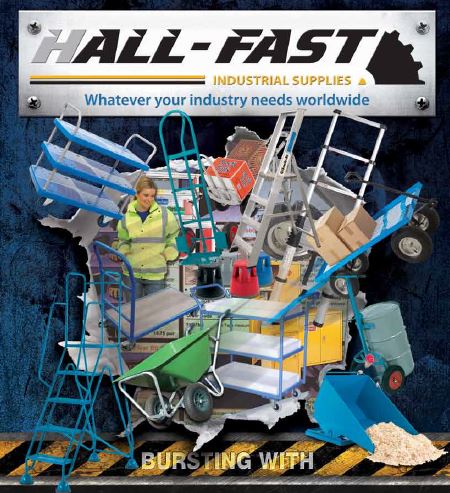
The comprehensive range of consumables available through Hall-Fast provides industrial operations with access to quality products backed by technical expertise and reliable service. Their extensive catalog includes basic operational supplies, specialized industrial chemicals, safety products, and trade essentials that support diverse industrial applications.
Modern industrial operations benefit from working with suppliers who understand their specific requirements and can provide comprehensive solutions rather than simple product transactions. This includes technical consultation, inventory management support, and ongoing service that optimizes total cost of ownership.
Hall-Fast's commitment to serving industrial customers includes maintaining extensive inventory, providing technical support, and offering competitive pricing that supports operational efficiency and cost control. Their nationwide service capability ensures consistent support regardless of business location or operational requirements.
Strategic management of industrial consumables requires ongoing attention to changing requirements, new product developments, and optimization opportunities. Organizations that systematically manage their consumable programs while working with knowledgeable suppliers achieve better operational performance and cost effectiveness.
The future of industrial consumable management will continue to evolve with advancing technologies, environmental requirements, and changing operational demands. Organizations that maintain current knowledge and work with innovative suppliers will be best positioned to optimize their operations while meeting evolving challenges.
Whether you're managing routine operational supplies, specialized industrial chemicals, or comprehensive maintenance programs, Hall-Fast offers the products, expertise, and support needed to optimize your consumable management programs. Their comprehensive understanding of industrial requirements, combined with access to leading manufacturers and innovative solutions, ensures that your consumable investments provide reliable performance and value.
For industrial operations seeking to optimize their consumable programs or address specific supply challenges, Hall-Fast's experienced team provides the expertise and support needed to develop effective solutions. To explore their comprehensive consumable catalog or discuss specific requirements, contact their team through their contact page. Their commitment to customer success and operational excellence makes them an ideal partner for your ongoing consumable and supply management requirements.