The integration of anti-slip fork covers into modern material handling operations represents a significant advancement in both safety and operational efficiency. These specialized protection systems go beyond basic fork protection to actively improve load stability, reduce handling risks, and enhance overall warehouse productivity through engineered surface technologies.
Understanding Anti-Slip Technology
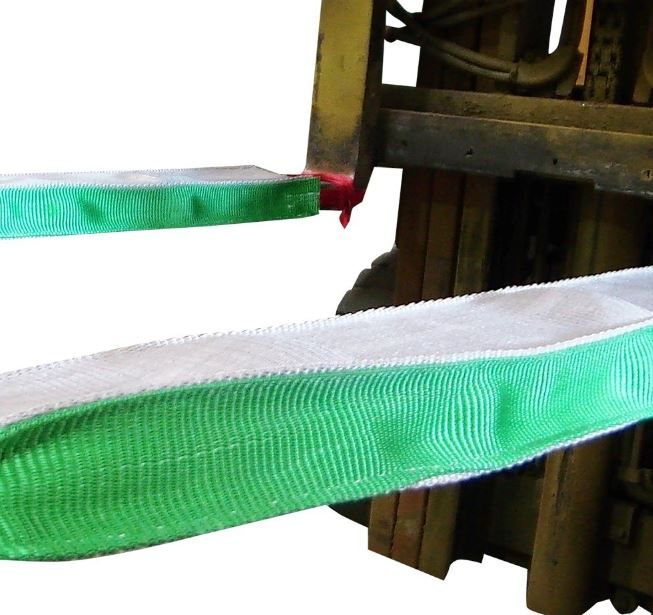
Anti-slip fork covers utilize advanced surface engineering to create controlled friction between fork surfaces and handled materials. This technology transforms smooth metal forks into secure load-gripping surfaces that maintain consistent contact with packages, pallets, and other materials throughout the handling process.
The science behind anti-slip surfaces involves careful balance between friction and durability. Too much friction can make load positioning difficult, while insufficient friction fails to provide the intended safety benefits. Modern anti-slip fork covers achieve optimal friction levels through specialized material formulations and surface texturing techniques.
Surface patterns play a crucial role in anti-slip performance. Engineered textures, including directional grooves, raised patterns, and micro-textures, create mechanical interlocking with load surfaces while channeling away moisture and debris that might compromise grip. These patterns must be designed to maintain effectiveness throughout extended use cycles.
Safety Benefits of Anti-Slip Fork Covers
Load stability represents the primary safety benefit of anti-slip fork covers. Improved grip between forks and loads reduces the likelihood of shifting, sliding, or falling during transport. This stability proves particularly important when handling smooth-surfaced packages or operating on inclined surfaces where traditional forks might lose grip.
Reduced operator fatigue results from improved load control. When loads remain stable and predictable, operators experience less stress and can maintain higher productivity levels throughout their shifts. This benefit extends beyond immediate safety to include long-term health and job satisfaction improvements.
Emergency stopping scenarios benefit significantly from anti-slip fork covers. When sudden stops are necessary, improved grip helps prevent loads from sliding forward off the forks, reducing the risk of injury to personnel and damage to equipment or inventory.
Performance Advantages in Material Handling
Faster handling cycles result from increased operator confidence in load stability. When operators know their loads will remain secure, they can move more quickly through warehouses and loading areas. This efficiency gain translates directly to improved productivity and reduced operational costs.
Precision positioning becomes easier with anti-slip fork covers. The improved grip allows for more controlled load placement, reducing the time required for fine adjustments and minimizing the risk of damage during placement operations. This precision proves particularly valuable in high-density storage environments.
Reduced product damage occurs when loads remain stable throughout the handling process. Anti-slip fork covers minimize shifting and sliding that can cause package damage, product loss, and customer satisfaction issues. This benefit often justifies the investment in anti-slip technology through reduced damage claims alone.
Surface Technology and Materials
Modern anti-slip fork covers employ sophisticated surface technologies that maintain their grip characteristics throughout extended use. Polymer compounds with embedded friction-enhancing particles create surfaces that resist wear while maintaining consistent anti-slip properties.
Texture design optimization involves computer modeling and testing to determine the most effective surface patterns for specific applications. Different load types and handling conditions require different texture approaches, making this optimization crucial for maximum effectiveness.
Environmental resistance ensures anti-slip surfaces maintain their performance across varied operating conditions. Temperatures, humidity, chemical exposure, and UV radiation all affect surface properties, requiring materials engineered for specific environmental challenges.
Application-Specific Considerations
Package handling applications benefit from anti-slip fork covers designed for lightweight, smooth-surfaced loads. These covers typically feature finer textures and moderate friction levels that provide security without impeding load positioning or removal.
Pallet handling requires more aggressive anti-slip surfaces capable of securing heavy loads with wooden or plastic contact surfaces. The surface patterns must accommodate the typical wear patterns associated with repeated pallet contact while maintaining effectiveness.
Specialized applications, including food processing, pharmaceutical handling, and hazardous materials transport, may require anti-slip covers with additional properties such as chemical resistance, easy cleaning, or compliance with specific regulatory requirements.
Installation and Maintenance Requirements
Proper installation ensures optimal anti-slip performance from fork covers. Surface preparation, including cleaning and degreasing, creates the foundation for secure attachment and long-term performance. Following manufacturer specifications for installation procedures prevents premature failure and maintains warranty coverage.
Regular cleaning maintains anti-slip effectiveness by removing accumulated debris, oils, and other contaminants that can compromise surface grip. The cleaning frequency depends on operational conditions and exposure levels, with some environments requiring daily cleaning while others may need only weekly attention.
Inspection schedules should monitor anti-slip surface condition and effectiveness. Worn or damaged surfaces must be replaced promptly to maintain safety and performance standards. These inspections should focus on areas experiencing the highest wear rates.
Integration with Existing Equipment
Compatibility with existing forklift fleets requires careful consideration of fork dimensions, attachment methods, and operational requirements. Anti-slip fork covers must fit securely without interfering with normal operation or creating safety hazards.
Operator training ensures maximum benefit from anti-slip fork cover installations. While these covers improve safety and performance, operators must understand their capabilities and limitations to use them effectively. Training programs should address proper use, maintenance, and inspection procedures.
Fleet management considerations include standardization across multiple units, maintenance scheduling, and replacement planning. Consistent anti-slip cover specifications across the fleet simplify maintenance while ensuring uniform performance standards.
Environmental Impact and Sustainability
Material selection for anti-slip fork covers increasingly considers environmental impact throughout the product lifecycle. Recyclable materials, extended service life, and reduced packaging all contribute to sustainability goals while maintaining performance standards.
Energy efficiency improvements result from reduced handling times and improved operational efficiency. When material handling becomes more efficient, overall energy consumption decreases, supporting environmental sustainability goals while reducing operational costs.
Waste reduction occurs through improved load stability and reduced product damage. Anti-slip fork covers contribute to overall waste reduction initiatives by preventing damage that would otherwise result in disposal of damaged goods.
Quality Standards and Compliance
Industry standards for anti-slip fork covers ensure consistent performance and safety characteristics. Compliance with recognized standards provides assurance that covers will perform as specified while meeting regulatory requirements for workplace safety equipment.
Testing protocols validate anti-slip performance under controlled conditions that simulate real-world use. These tests measure friction coefficients, wear resistance, and environmental performance to ensure covers meet their specifications throughout their service life.
Certification programs provide third-party validation of anti-slip fork cover performance. These certifications support procurement decisions while providing documentation for insurance and regulatory compliance requirements.
Future Developments in Anti-Slip Technology
Smart anti-slip surfaces that adapt to changing conditions represent an emerging technology with significant potential. These surfaces could adjust their friction characteristics based on load type, environmental conditions, or operator requirements.
Nanotechnology applications in surface engineering promise improved anti-slip performance with enhanced durability. Nanostructured surfaces could provide superior grip while resisting wear and contamination better than current technologies.
Integration with warehouse management systems could provide real-time monitoring of anti-slip cover condition and performance. This connectivity would enable predictive maintenance and optimized replacement scheduling while providing data for continuous improvement.
Conclusion
Anti-slip fork covers represent a significant advancement in material handling safety and efficiency. By combining advanced surface technologies with practical design considerations, these systems provide measurable improvements in load stability, operator confidence, and overall operational performance.
Success depends on selecting appropriate anti-slip covers for specific applications while ensuring proper installation, maintenance, and operator training. Quality suppliers with expertise in anti-slip technology provide the knowledge and support necessary for optimal results.
The investment in quality anti-slip fork covers pays dividends through improved safety, reduced damage costs, and enhanced operational efficiency. As material handling operations continue to demand higher performance and safety standards, these advanced protection systems will remain essential components of modern warehouse operations.
Enhance your operations with advanced anti-slip fork covers at Hall-Fast Fork Sock Protection Covers. Learn about our safety commitment at Hall-Fast About, explore our innovative brands, or contact us for expert consultation on anti-slip solutions for your specific needs.