Comprehensive Scissor Lift Table Weight Capacity Guide: Selecting the Right Capacity for Your Application
Understanding weight capacity specifications represents a critical factor in selecting appropriate scissor lift tables for specific applications. This detailed capacity guide examines the technical considerations behind lift table weight ratings, helping organizations make informed decisions that ensure both operational effectiveness and workplace safety.
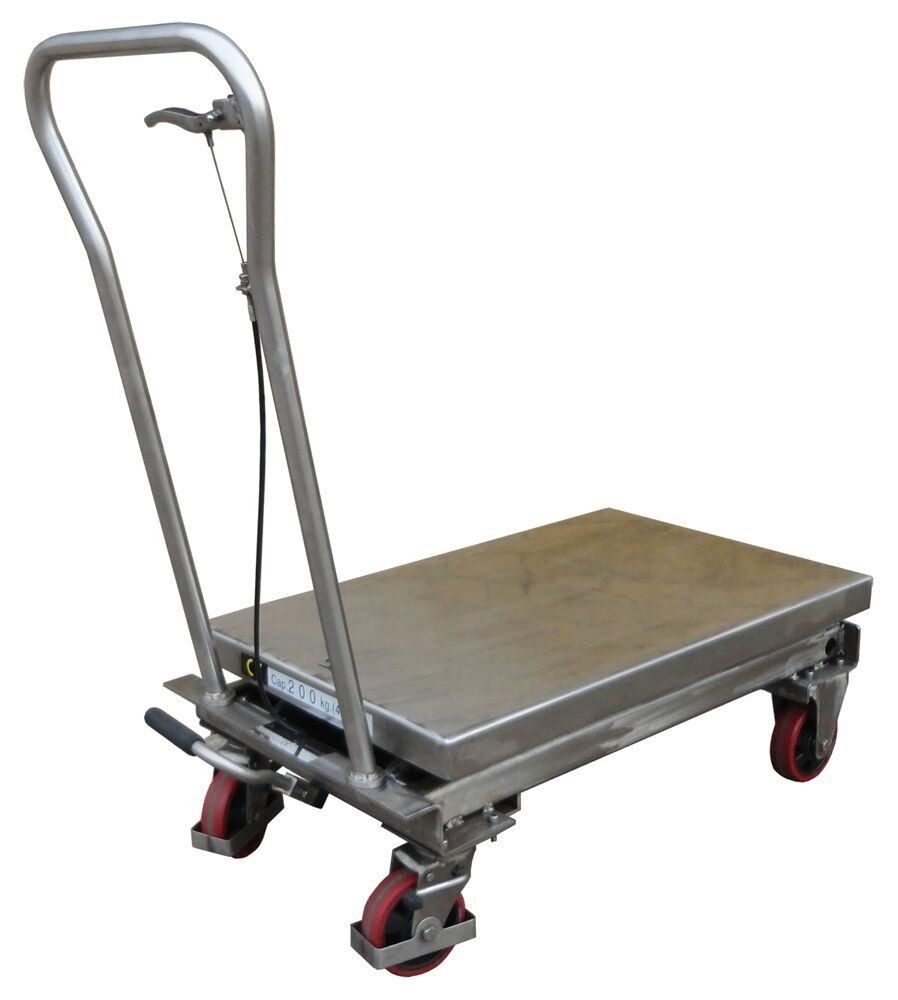
Hall-Fast supplies scissor lift tables across the complete capacity spectrum, from light-duty 200kg models to heavy-duty industrial units exceeding 10,000kg. This comprehensive guide will help you evaluate your specific load requirements and select the appropriate capacity rating for your application.
Understanding Weight Capacity Specifications
Rated Capacity Definition: The rated capacity of a scissor lift table represents the maximum load weight the equipment can safely handle under normal operating conditions. This rating includes several important considerations:
- Maximum static load at any position throughout lift range
- Even load distribution across the platform surface
- Standard environmental conditions without adverse factors
- Normal operation without excessive speed or shock loading
- Proper maintenance and operating procedures
- Safety factor built into the engineering specification
Safety Factor Importance: Quality scissor lift tables incorporate engineering safety factors in their rated capacity, typically:
- 1.5× to 3× safety factor on structural components
- 3× to 5× safety factor on hydraulic components
- Additional margin in critical failure points
- Conservative calculations for operational stresses
This safety margin accounts for potential variations in load distribution, minor overloading, dynamic forces, and normal wear throughout the equipment lifecycle.
Determining Your Required Capacity
When calculating the appropriate capacity for your application, consider these essential factors:
- Maximum Load Weight:
- Actual maximum weight of materials to be lifted
- Combined weight of materials and containers/pallets
- Potential future increases in load requirements
- Any additional equipment mounted on the platform
- Weight of any personnel if applicable (personnel-rated models)
- Temporary peak loads that may exceed normal operation
- Add Application-Specific Margin:
- 25-30% margin for standard applications
- 40-50% margin for irregular load distributions
- 50%+ margin for dynamic loading conditions
- Additional margin for harsh environmental conditions
- Extra capacity for potential future requirements
- Enhanced margin for critical safety applications
- Consider Specialized Loading Scenarios:
- Off-centre loading reducing effective capacity
- Dynamic forces during loading/unloading
- Impact forces from machinery or processes
- Vibration effects in certain applications
- Side loading during material transfer
- Point loading with concentrated weight distribution
Capacity Categories and Applications
Light Duty (200-500kg): Ideal for positioning smaller components, light assembly work, and order picking for smaller items. Typically featuring smaller platforms and designed for general-purpose applications without intensive use patterns.
Typical Applications: Small parts handling, light assembly, package handling, retail applications
Standard Duty (500-1,000kg): The most common capacity range suitable for general industrial applications including pallet handling, material positioning, and workstation integration where standard palletized loads represent the primary application.
Typical Applications: Standard pallet handling, general manufacturing, distribution operations, mixed-load handling
Medium Duty (1,000-2,000kg): Engineered for more intensive industrial applications handling heavier components, multiple pallets, or applications requiring substantial capacity with regular usage patterns.
Typical Applications: Heavy component handling, multiple pallet movement, intensive manufacturing, substantial material transfer
Heavy Duty (2,000-5,000kg): Purpose-designed for demanding industrial environments with significant load requirements, intensive usage patterns, and applications where substantial capacity is essential for operational requirements.
Typical Applications: Machine feeding, heavy manufacturing, die handling, vehicle components, substantial industrial loads
Extra Heavy Duty (5,000kg+): Specialized lift tables engineered for exceptional loads with reinforced structures, enhanced hydraulic systems, and heavy-duty components designed for extreme weight handling applications.
Typical Applications: Vehicle handling, extreme industrial components, machinery movement, structural element positioning
Application-Specific Capacity Considerations
Manufacturing Operations:
- Consider future production changes requiring increased capacity
- Account for tooling or fixture weights added to basic material weight
- Evaluate dynamic forces during machine loading/unloading
- Allow margin for process modifications and equipment evolution
Warehousing Applications:
- Analyse maximum pallet weights including potential overloading
- Consider multiple pallet handling if applicable
- Account for variations in load distribution across pallets
- Evaluate point loading from pallet truck or forklift wheels
Maintenance Applications:
- Allow substantial margin for unexpected load variations
- Consider dynamic forces during component positioning
- Account for awkward load distributions with oversized components
- Evaluate point loading from concentrated component weight
Custom Applications:
- Implement enhanced safety margins for unique applications
- Consider all potential loading scenarios beyond normal operation
- Account for environmental factors affecting structural integrity
- Evaluate long-term usage patterns affecting capacity requirements
Consequences of Capacity Under Specification
Selecting insufficient capacity can result in:
- Premature equipment failure and reduced service life
- Potential safety hazards with overloaded equipment
- Operational limitations restricting full application utility
- Excessive maintenance requirements and increased downtime
- Voided warranty coverage with improper usage
- Regulatory non-compliance with safety requirements
Hall-Fast's technical specialists can provide expert guidance in determining the appropriate capacity specification for your specific application, ensuring you receive equipment that delivers both the necessary lifting capability and appropriate safety margin for long-term reliable operation.
Explore our complete scissor lift table range online to view detailed capacity specifications and application-appropriate models across all weight categories.