Essential Scissor Lift Table Safety Features and Regulatory Compliance Guide
Scissor lift tables incorporate numerous safety features and must comply with specific regulations to ensure operator protection, equipment reliability, and workplace safety compliance. Understanding these critical safety elements and regulatory requirements helps organizations implement appropriate lifting solutions while maintaining compliance with health and safety obligations.
Hall-Fast supplies scissor lift tables that meet or exceed all relevant safety standards and regulatory requirements. This comprehensive guide examines the essential safety features that should be present in quality equipment and outlines the regulatory framework governing scissor lift table implementation in UK and European operations.
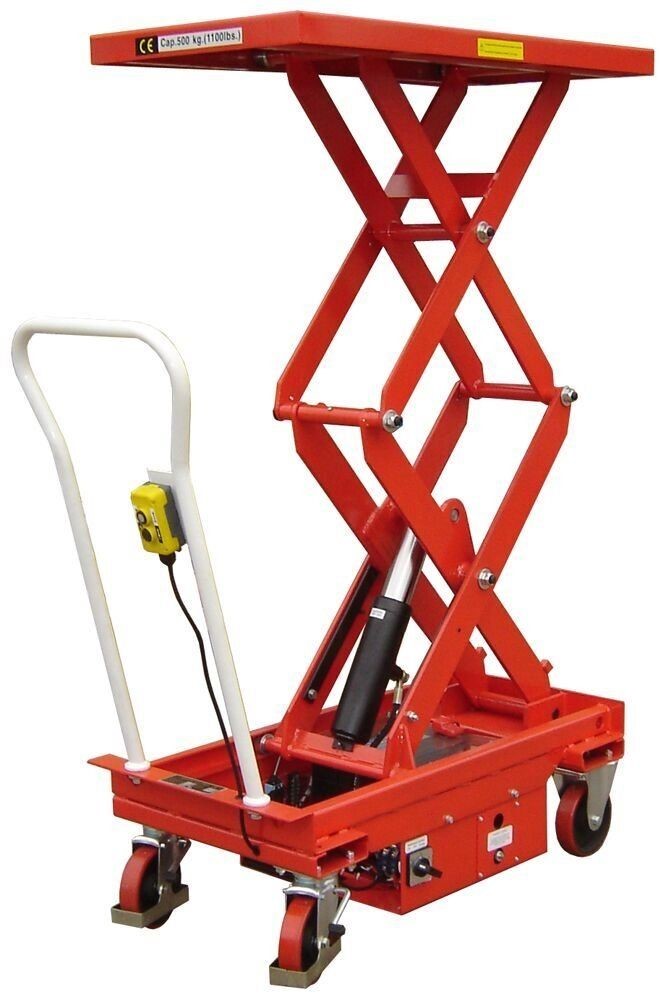
Critical Safety Features in Quality Scissor Lift Tables
- Structural Safety Elements:
- Overload protection preventing operation beyond rated capacity
- Maintenance props/bars securing platform during under-table service
- Velocity fuses preventing uncontrolled descent if hydraulic failure occurs
- Mechanical stops preventing collapse if hydraulic/electrical systems fail
- Reinforced scissors arms with adequate safety factors
- Heavy-duty pivot points with quality bushings and bearings
- Structural calculations meeting or exceeding safety standards
- Operational Safety Systems:
- Emergency stop functionality providing immediate operation cessation
- Controlled descent speed limiting maximum lowering velocity
- Upper travel limit switches preventing over-extension
- Pressure relief valves preventing system damage from overload
- Descent alarm signalling platform movement (on larger models)
- Hold-to-run controls requiring continuous operator attention
- Low-voltage control circuits enhancing electrical safety
- Operator Protection Features:
- Perimeter toe guards preventing foot injuries during descent
- Hinged maintenance bars with positive engagement
- Proper guarding of pinch points and moving components
- Anti-slip platform surfaces preventing load movement
- Safety bellows or skirts protecting scissor mechanism access
- Proper labelling of control functions and safety information
- Load capacity clearly marked on equipment
- Optional Enhanced Safety Elements:
- Perimeter guardrails for personnel-carrying applications
- Interlocked gates controlling access to elevated platforms
- Approach sensors preventing operation with obstructions
- Safety edges stopping descent if obstacles detected
- Warning lights indicating platform movement
- Lockout capability for maintenance procedures
- Enhanced control interlocks for specialized applications
Regulatory Framework and Compliance Requirements
Scissor lift tables in the UK and European markets must comply with specific regulatory standards:
BS EN 1570-1:2011+A1:2014 This standard specifically covers safety requirements for scissor lift tables serving up to two fixed landings, detailing:
- Design calculations and stability requirements
- Structural integrity specifications
- Control system safety requirements
- Testing and verification procedures
- Documentation and marking requirements
- Specific safety features required for compliance
Machinery Directive 2006/42/EC This overarching European directive establishes essential health and safety requirements for machinery, requiring:
- CE marking demonstrating compliance
- Technical file documentation
- Risk assessment and hazard mitigation
- Appropriate safety systems integration
- Compliance with relevant harmonized standards
- Declaration of Conformity documentation
PUWER 1998 (Provision and Use of Work Equipment Regulations) UK-specific regulations governing all workplace equipment:
- Suitability of equipment for intended use
- Maintenance requirements and procedures
- Information, instruction, and training
- Protection against specific hazards
- Equipment conformity with regulatory requirements
- Inspection and record-keeping obligations
LOLER 1998 (Lifting Operations and Lifting Equipment Regulations) UK regulations specifically addressing lifting equipment:
- Strength and stability requirements
- Positioning and installation to minimize risks
- Regular thorough examinations and inspections
- Marking of safe working loads
- Organization of lifting operations
- Record keeping requirements
Additional Application-Specific Regulations:
- UKCA marking requirements post-Brexit
- Industry-specific regulations for specialized applications
- Workplace safety requirements under UK HSE guidelines
- Additional requirements for personnel-carrying applications
- Environmental regulations for specific operational settings
- Specialized requirements for hazardous environment applications
Compliance Documentation Requirements
Organizations implementing scissor lift tables should maintain these essential documents:
From the Manufacturer/Supplier:
- Declaration of Conformity to relevant standards
- Technical specifications and capacity information
- Installation and commissioning guidelines
- Operating instructions with safety procedures
- Maintenance requirements and schedules
- Inspection and testing certification
- Spare parts and service information
Organization-Generated Documentation:
- Risk assessment for specific application
- Safe system of work procedures
- Operator training records
- Regular inspection documentation
- Maintenance records and verification
- Thorough examination certificates (if applicable under LOLER)
- Incident reporting and investigation (if relevant)
Implementation of Safe Operating Procedures
Beyond equipment features, organizations should implement comprehensive safe operating procedures:
Operator Training Requirements:
- Equipment-specific operation training
- Recognition of safety features and functions
- Pre-use inspection procedures
- Safe loading and unloading practices
- Emergency procedures and responses
- Understanding of capacity limitations
- Reporting procedures for concerns or faults
Operational Best Practices:
- Regular pre-use inspections
- Adherence to load capacity restrictions
- Proper load positioning and stability
- Appropriate surroundings clearance during operation
- Authorized operator limitations
- Lockout/tagout procedures during maintenance
- Reporting of any operational concerns
Hall-Fast ensures all supplied scissor lift tables meet or exceed these safety requirements and regulatory standards. Our technical specialists can provide guidance on selecting appropriate equipment with the safety features required for your specific application, along with supporting documentation for compliance purposes.
Explore our complete range of safety-compliant scissor lift tables online or contact our specialists for detailed information on safety features and regulatory compliance for specific models.