Carbon fibre composites represent one of the most significant material advancements in modern manufacturing, offering exceptional strength-to-weight ratios, fatigue resistance, and design flexibility across numerous industries. However, the unique structural properties that make carbon fibre so valuable also create significant challenges when it comes to creating secure attachments and joining points. Traditional mechanical fastening methods can compromise the material's integrity, creating stress concentrations and breaking the continuous fibres that provide its remarkable strength. Bonding fasteners represent a specialized solution that overcomes these challenges, providing UK manufacturers with an effective method for creating secure attachments to carbon fibre structures without damaging their inherent properties. This comprehensive guide explores the applications, advantages, and implementation of bonding fasteners specifically designed for carbon fibre composites, available through trusted UK industrial suppliers like Hall-Fast.
The Carbon Fibre Fastening Challenge
Carbon fibre reinforced polymer (CFRP) composites present several inherent characteristics that complicate traditional fastening approaches:
Material Structure Considerations
- Fibre Disruption: Drilling holes severs the continuous carbon fibres that provide strength
- Delamination Risk: Drilling and mechanical fastener pressure can separate composite layers
- Anisotropic Properties: Strength varies with fibre direction, complicating load distribution
- Thin Section Vulnerability: Limited material thickness provides minimal thread engagement
- Edge Distance Sensitivity: Proximity to panel edges creates additional failure risks
Performance Preservation Requirements
- Weight Optimization: Traditional fasteners can negate the weight advantages of carbon fibre
- Vibration Concerns: Mechanical fasteners may loosen or cause fretting damage
- Galvanic Corrosion: Carbon fibre in contact with metal fasteners creates corrosion potential
- Thermal Expansion Mismatch: Different expansion rates create stress at fastening points
- Fatigue Performance: Stress concentrations can initiate crack propagation under cyclic loading
Manufacturing and Production Challenges
- Costly Material Damage: Drilling errors in expensive carbon fibre cannot be easily repaired
- Dust Hazards: Carbon fibre drilling creates potentially harmful airborne particles
- Specialized Tooling Requirements: Composite drilling needs specific equipment and expertise
- Quality Control Complexity: Difficult to verify proper hole preparation and fastener installation
- Process Inefficiency: Traditional fastening adds multiple time-consuming production steps
These converging challenges have driven innovative manufacturers to seek alternative fastening approaches that preserve the inherent advantages of carbon fibre materials.
Bonding Fasteners: The Optimal Solution for Carbon Fibre Composites
Bonding fasteners represent a sophisticated joining technology specifically engineered to address the unique requirements of carbon fibre applications. Available from UK suppliers like Hall-Fast, these innovative components combine structural metal fastening elements with advanced bonding systems designed for composite materials.
Design Principles and Mechanics
The fundamental concept behind bonding fasteners involves:
- Load Distribution Technology: Spreading forces across a wider surface area to protect fibres
- Surface Bonding Methodology: Creating adhesion rather than mechanical interference
- Stress Flow Management: Engineering attachment points that minimize strain concentration
- Non-Penetrating Approach: Preserving the continuous fibre structure of the composite
- Carbon-Specific Engineering: Designing fastening systems for CFRP's unique properties
This approach delivers substantial advantages over traditional mechanical fasteners when working with sensitive carbon fibre materials.
BigHead Bonding Fasteners: Engineered for UK Carbon Fibre Applications
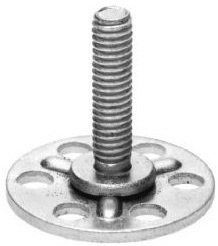
For UK manufacturers seeking reliable fastening solutions for carbon fibre composites, BigHead Bonding Fasteners represent the gold standard in engineered joining technology. Available through Hall-Fast, these specialized components incorporate several advanced design features:
- Carbon Fibre-Optimized Head Design
The distinctive "big head" design provides crucial advantages for CFRP applications:
- Enlarged Surface Area: Distributing loads to prevent stress concentration and fibre damage
- Ultra-Thin Profile Options: Minimizing weight addition and profile height
- Contoured Edge Design: Preventing sharp transitions that could initiate composite failure
- Optimized Load Distribution: Spreading forces along, rather than across, fibre orientation
- Material-Specific Engineering: Designed for the particular characteristics of carbon fibre
This head design ensures secure attachment without compromising the structural integrity of valuable carbon fibre components.
- Advanced Metal-to-Carbon Interface
The metal fastener components incorporate specialized features for carbon fibre compatibility:
- Galvanic Isolation: Preventing corrosion between dissimilar materials
- Thermal Expansion Management: Accommodating differential movement
- Surface Preparation Optimization: Engineered for maximum adhesive bond strength
- Weight-Minimized Design: Preserving the lightweight advantages of carbon fibre
- Vibration-Resistant Engineering: Maintaining security under dynamic loading conditions
These material engineering considerations ensure long-term performance in demanding applications where carbon fibre experiences varied environmental and mechanical stresses.
- Installation and Process Advantages
Beyond performance benefits, bonding fasteners deliver significant manufacturing advantages:
- Non-Destructive Installation: Preserving the continuous carbon fibre structure
- No Drilling Required: Eliminating harmful dust and specialized tooling needs
- Single-Side Access: Enabling attachments in hollow or closed sections
- Reduced Process Steps: Simplifying and accelerating production sequences
- Consistent Quality: Providing more reliable, repeatable results
These process benefits translate directly to reduced production costs and improved output quality for UK manufacturers working with carbon fibre composites.
UK Industry Applications for Carbon Fibre Bonding Fasteners
Bonding fasteners from Hall-Fast serve diverse carbon fibre applications across UK manufacturing sectors:
Motorsport and High-Performance Automotive
The motorsport industry represents one of the most established applications for bonding fasteners on carbon fibre:
- Body Panel Attachment: Securing carbon fibre bodywork to chassis structures
- Aerodynamic Component Mounting: Attaching wings, splitters, and diffusers
- Interior Component Fastening: Mounting controls and displays to carbon structures
- Underbody Protection Installation: Securing protective panels with clean aesthetics
- Accessory Mounting Points: Creating secure attachments for various components
The combination of weight savings, structural integrity, and installation efficiency makes these fasteners particularly valuable in competitive motorsport applications.
Aerospace and Defence
The aerospace sector utilizes bonding fasteners for critical carbon fibre structures:
- Interior Panel Mounting: Creating attachments that meet stringent certification requirements
- Non-Critical Structure Assembly: Joining secondary carbon fibre components
- Access Panel Creation: Developing removable service points without fibre damage
- Equipment Installation: Mounting systems to carbon fibre airframes
- Testing and Prototype Development: Creating modifiable attachment points during development
The weight reduction, clean aesthetics, and structural preservation make these fasteners increasingly common in UK aerospace manufacturing.
Sporting Goods and Recreation
Premium sporting equipment benefits from bonding fastener technology:
- Bicycle Component Mounting: Creating attachment points on carbon fibre frames
- Marine Hardware Installation: Securing fittings to carbon fibre boat structures
- Performance Equipment Assembly: Joining components in racquets, bats, and poles
- Protective Gear Construction: Creating attachment points in carbon fibre helmets and guards
- Exercise Equipment Production: Mounting components to carbon fibre structures
The clean visual appearance and structural reliability make these fasteners particularly valuable in premium sporting goods applications throughout the UK.
Industrial and Specialized Manufacturing
Advanced industrial applications leverage bonding fasteners for carbon fibre integration:
- Medical Equipment Construction: Creating clean, strong attachments for carbon components
- Industrial Robotics: Securing lightweight carbon fibre elements in automation
- Drone and UAV Manufacturing: Providing attachment points while minimizing weight
- Precision Instrument Development: Mounting components to carbon fibre bases
- Prototype and Development Work: Creating modifiable attachment points during testing
These applications demonstrate the versatility of bonding fasteners across diverse carbon fibre implementations in specialized UK manufacturing sectors.
Technical Performance Advantages for Carbon Fibre Applications
- Structural Integrity Preservation
Bonding fasteners deliver significant advantages for carbon fibre protection:
- Fibre Continuity Maintenance: Preserving the uninterrupted reinforcement structure
- Elimination of Stress Concentrations: Preventing the formation of failure initiation points
- Delamination Prevention: Avoiding separation between composite layers
- Improved Fatigue Performance: Reducing cyclical stress that could lead to failure
- Enhanced Load Distribution: Spreading forces along fibre orientation for optimal strength
These structural benefits often allow for optimization of the entire carbon fibre system, not just the fastening elements.
- Weight and Performance Optimization
The engineered approach behind bonding fasteners delivers practical advantages:
- System Weight Reduction: Typically 40-60% lighter than traditional fastening approaches
- Aerodynamic Surface Preservation: Maintaining clean exterior profiles
- Vibration Dampening: Absorbing movement between connected components
- Thermal Bridging Reduction: Limiting heat transfer through structures
- Galvanic Corrosion Elimination: Isolating carbon fibre from direct metal contact
These performance characteristics make these fasteners suitable for demanding applications where conventional fastening methods create significant compromises in carbon fibre's inherent advantages.
- Aesthetic and Design Advantages
Bonding fasteners enable superior visual and design outcomes:
- Clean Surface Appearance: Eliminating visible fastener heads
- Design Freedom: Creating attachment points on complex carbon fibre geometries
- Material Optimization: Enabling thinner carbon fibre sections where appropriate
- Post-Finishing Simplicity: Allowing painting or coating after installation
- Repair and Modification Potential: Supporting component changes when required
These design capabilities provide significant competitive advantages in products where appearance, weight, or material performance is critical to market success.
Implementation Guidance for UK Manufacturers
To maximize the benefits of bonding fasteners for carbon fibre applications, manufacturers should consider several implementation factors:
- Design Phase Considerations
Early integration of bonding fastener technology yields the greatest benefits:
- Load Analysis and Fastener Selection: Matching specifications to application requirements
- Carbon Layup Coordination: Aligning fastener placement with fibre orientation
- Adhesive System Selection: Choosing appropriate chemistry for specific carbon fibre types
- Environmental Exposure Planning: Considering temperature, moisture, and UV factors
- Service Life Requirements: Evaluating long-term performance needs
This early planning ensures designs take full advantage of bonding fastener capabilities while addressing practical implementation requirements for carbon fibre structures.
- Surface Preparation and Installation
Proper installation processes are critical for optimal performance with carbon fibre:
- Surface Preparation Standards: Establishing appropriate cleaning and activation protocols
- Release Agent Removal: Ensuring complete elimination of mold release compounds
- Environmental Control Parameters: Managing temperature, humidity, and contamination
- Adhesive Application Methods: Developing consistent application techniques
- Curing Management: Implementing appropriate time, temperature, and pressure conditions
Following established best practices ensures reliable, consistent performance in production environments working with sophisticated carbon fibre components.
- Testing and Validation Approaches
Thorough validation ensures bonding fasteners meet performance requirements with carbon fibre:
- Static Load Testing: Verifying strength under steady-state conditions
- Dynamic Load Analysis: Confirming performance under vibration and cyclic loading
- Environmental Exposure Testing: Validating long-term durability in operating conditions
- Comparative Benchmarking: Measuring performance against traditional fastening methods
- Failure Mode Analysis: Understanding system behaviour at performance limits
These validation approaches provide the data needed for confident implementation in critical carbon fibre applications.
Sourcing Quality Bonding Fasteners for Carbon Fibre in the UK
Hall-Fast has established itself as a premier supplier of bonding fasteners to UK manufacturers working with carbon fibre composites. As an award-winning industrial supplier serving customers nationwide and globally, Hall-Fast offers several distinct advantages:
- Carbon Fibre Application Expertise: Providing guidance for specific CFRP fastening challenges
- Comprehensive Product Range: Offering variants optimized for different carbon fibre structures
- Quality Assurance: Supplying only genuine, certified products with full traceability
- Competitive Pricing: Leveraging purchasing volume to deliver value
- Responsive Service: Supporting time-critical manufacturing requirements
For more information about bonding fasteners for your specific carbon fibre applications, contact Hall-Fast to discuss your requirements with their knowledgeable team. Their extensive range of high-quality fastening solutions ensures you'll find the right bonding fasteners for your carbon fibre challenges.
Case Study: UK High-Performance Bicycle Manufacturer
A leading UK producer of premium carbon fibre bicycles faced significant challenges with their component mounting approach:
Challenges:
- Traditional threaded inserts required destructive drilling into expensive carbon frames
- Inconsistent installation led to warranty issues and customer complaints
- Water ingress around threaded inserts caused hidden frame damage over time
- Weight penalties from conventional mounting hardware reduced performance
- Production bottlenecks formed around the complex drilling and installation processes
Solution: The company implemented bonding fasteners from Hall-Fast, strategically positioned during the frame layup process.
Results:
- Eliminated carbon fibre drilling, preserving structural integrity
- Reduced component mounting weight by 35% across the bicycle
- Achieved 100% watertight component attachments
- Decreased production time by eliminating complex drilling operations
- Reduced warranty claims related to mounting point failures by over 90%
This real-world example demonstrates the transformative potential of bonding fasteners in premium carbon fibre applications.
Emerging Trends in Carbon Fibre Fastening Technology
As carbon fibre continues to evolve, fastening systems advance alongside the material:
- Integrated Design Approaches: Building fastening points directly into carbon layup schedules
- Hybrid Material Solutions: Combining bonding with complementary reinforcement techniques
- Advanced Simulation Tools: Predicting performance through sophisticated modelling
- Rapid Curing Developments: Accelerating production through faster adhesive systems
- Sustainability Improvements: Developing more environmentally friendly bonding chemicals
Forward-thinking UK manufacturers who embrace these advanced joining technologies position themselves advantageously for next-generation carbon fibre applications.
Conclusion: Advancing UK Carbon Fibre Manufacturing Through Superior Fastening Technology
For manufacturers, engineers, and product developers working with carbon fibre composites throughout the United Kingdom, bonding fasteners represent a critical technology that preserves the inherent advantages of these advanced materials. By eliminating drilling, distributing loads effectively, and creating secure attachment points without fibre damage, these innovative fasteners address the unique challenges faced when joining carbon fibre components.
BigHead bonding fasteners, available through Hall-Fast, offer UK carbon fibre specialists a proven solution that delivers exceptional performance while simplifying production and extending product life. Whether for motorsport applications, aerospace components, sporting equipment, or specialized industrial products, these specialized fasteners provide advantages that conventional joining methods simply cannot match when working with sophisticated carbon fibre structures.
By implementing appropriate bonding fastener technology, UK manufacturers can achieve improved product performance, reduced production complexity, and enhanced competitiveness in the growing global market for advanced carbon fibre composites.
Hall-Fast - Your Trusted UK Supplier for Carbon Fibre Bonding Fasteners