

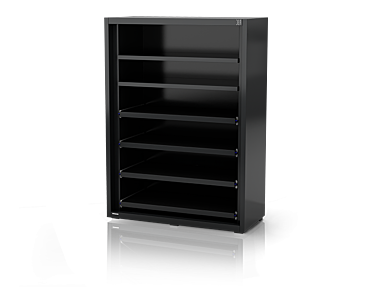
Industrial Shelf Unit With 6 Shelves | Maximum Capacity Open Storage System
Call For Price
This product is not available to purchase online, please call 01623 645645 for more information.
Versatile Multi-Level Storage: Professional Organization for Industrial, Commercial & Residential Applications
The Industrial Shelf Unit With 6 Shelves from Hall-Fast delivers exceptional storage density and accessibility in a robust, cost-effective open shelving system. With six adjustable shelves spanning full height, this versatile storage solution provides optimal organization for warehouses, workshops, offices, retail spaces, and even stylish home storage environments. Built to withstand demanding industrial use while maintaining clean professional aesthetics, this shelving unit transforms any space into an efficiently organized workspace.
Product Overview
The Industrial Shelf Unit With 6 Shelves represents the ideal balance between storage capacity, accessibility, and value. Unlike enclosed cabinets that hide contents behind doors, this open shelving configuration provides instant visual access to all stored items across six generous shelf levels. Whether organizing workshop supplies, retail inventory, office files, or home storage, the six-shelf configuration offers maximum storage density while maintaining ergonomic access to items at all levels.
Core Features:
Six-Shelf Configuration:
- Maximum storage density in vertical space
- Optimal shelf spacing for most applications
- Adjustable heights accommodate varied items
- Reduces floor space requirements
- Efficient use of ceiling height
- Multiple zones for categorized storage
Open Access Design:
- Instant visibility of all stored items
- No doors to open for faster retrieval
- Loading and unloading from front and back
- Easy to reorganize as needs change
- Better airflow around stored items
- Quick inventory checks at a glance
Industrial-Strength Construction:
- Heavy-gauge steel frame and shelves
- High load capacity per shelf (75-250kg typical)
- Welded or bolted assembly for rigidity
- Powder-coated finish resists scratches
- Anti-rust treatment for longevity
- Professional appearance suitable for any environment
Key Benefits & Advantages
Storage Capacity & Efficiency
✓ Maximum vertical storage - six shelves utilize full height from floor to ceiling ✓ High per-shelf capacity - 75-250kg per shelf depending on configuration ✓ Total capacity - 450-1500kg per unit typical ✓ Compact footprint - minimal floor space for substantial storage ✓ Adjustable shelf spacing - customize heights for your specific items ✓ Modular expansion - add units side-by-side for wall-length storage
Accessibility & Productivity
✓ Instant visual access - see all items without opening doors ✓ Faster item retrieval - grab what you need immediately ✓ Both sides accessible - load/unload from front or rear (freestanding units) ✓ Ergonomic design - shelves at convenient working heights ✓ Easy reorganization - adjust shelves without tools on most models ✓ Better inventory control - missing items immediately obvious
Durability & Reliability
✓ Industrial-grade steel - handles demanding environments ✓ Powder-coated finish - resists chips, scratches, and corrosion ✓ Reinforced construction - engineered for heavy loads ✓ Long service life - 15-20+ years typical lifespan ✓ Easy maintenance - simple cleaning, no moving parts to fail ✓ Stable design - wide base and cross-bracing prevent tipping
Versatility & Flexibility
✓ Multi-environment use - suitable for industrial, commercial, residential ✓ Endless applications - stores virtually any item type ✓ Easy reconfiguration - adjust shelf heights as needs evolve ✓ Add-on compatible - combine with bins, dividers, other accessories ✓ Various sizes available - choose dimensions that fit your space ✓ Multiple finish options - match your décor or corporate colors
Understanding Open Shelving Systems
Open Shelving vs. Enclosed Cabinets:
When to Choose Open Shelving (6-Shelf Units):
Best for:
- High-frequency access items (retrieved multiple times daily)
- Visual inventory management (need to see stock levels)
- Items too large for enclosed cabinets
- Budget-conscious storage needs
- Warehouse and stockroom applications
- Retail display and backroom storage
- Clean, organized workshops
- Home garage and basement organization
- Archive boxes and document storage
- Manufacturing work-in-process storage
Advantages Over Cabinets:
- Lower initial cost (no doors, locks, hardware)
- Faster access (no doors to open)
- Complete visibility (inventory management)
- Better airflow (prevents moisture, odours)
- Both sides accessible (freestanding units)
- Easier installation and assembly
- More flexible organization
- Lighter weight for given capacity
- More budget-friendly expansion
When Enclosed Cabinets Are Better:
- High-value items requiring security
- Dust-sensitive contents (electronics, textiles)
- Hazardous materials needing containment
- Clean room or sterile environments
- Customer-facing areas needing neat appearance
- Items requiring climate control
- Confidential documents
Six Shelves: The Optimal Configuration
Why Six Shelves?
The six-shelf configuration has emerged as the ideal balance between storage density and accessibility for most applications:
Height Distribution (Typical 1800-2000mm units):
- Shelf 6 (Top): 1700-1900mm - Seasonal, rarely-used items
- Shelf 5: 1400-1600mm - Occasional use, lighter items
- Shelf 4: 1100-1300mm - Regular access items, eye level
- Shelf 3: 800-1000mm - High-frequency items, prime zone
- Shelf 2: 500-700mm - Heavy items, regular access
- Shelf 1 (Bottom): 200-400mm - Heaviest items, bulk storage
Ergonomic Benefits:
- Multiple shelves at comfortable working heights (800-1600mm)
- Reduces excessive reaching or bending
- Distributes load across more levels
- Smaller vertical distance between shelves
- Easier to organize by frequency of use
- Better for shorter-statured users
Storage Optimization:
- Maximizes cubic storage capacity
- Reduces wasted vertical space
- Better than 4-5 shelves for varied item heights
- More zones for categorical organization
- Ideal shelf spacing (200-300mm) for most items
Vs. Other Configurations:
- 4 shelves: Larger gaps, wasted space, less density
- 5 shelves: Good, but slightly less capacity
- 7-8 shelves: Shelves too close together for most items, less per-shelf capacity
Applications & Use Cases
Industrial & Manufacturing:
Warehouse Storage:
- Small to medium parts inventory
- Work-in-process materials
- Raw materials and components
- Finished goods before shipping
- Packaging supplies and materials
- Shipping supplies (boxes, tape, labels)
- Seasonal inventory management
- Returns and QC hold areas
- Tool and equipment storage
- Safety equipment and PPE
Workshop & Maintenance:
- Hand tool organization
- Power tool storage
- Fastener and hardware inventory
- Lubricants and fluids
- Cleaning supplies
- Spare parts inventory
- Maintenance manuals and documentation
- Shop supplies and consumables
- Work-in-progress projects
- Equipment awaiting repair
Production Support:
- Assembly components by station
- Kitting and sub-assembly parts
- Quality control samples
- Testing equipment and instruments
- Process documentation
- Tooling and fixtures
- First-off samples
- Rework and scrap segregation
Retail & Commercial:
Retail Stockrooms:
- Overstock inventory
- Seasonal merchandise
- Size runs (clothing, footwear)
- Promotional materials
- Shopping bags and packaging
- Price tags and signage
- Gift wrapping supplies
- Returns awaiting processing
- Online order fulfilment
- Display fixtures and props
Back-of-House Storage:
- Restaurant dry goods
- Kitchen supplies and utensils
- Cleaning products
- Paper goods and consumables
- Equipment and small wares
- Seasonal decorations
- Linens and textiles
- Office supplies
- Employee belongings
- Marketing materials
Office & Commercial:
Office Storage:
- Archive document boxes
- Reference materials and binders
- Office supplies (bulk quantities)
- Promotional materials
- Trade show materials
- IT equipment and supplies
- Printer paper and toner
- Employee onboarding materials
- Forms and stationery
- Company merchandise
Mailroom & Copy Centres:
- Paper stock (various weights/sizes)
- Envelopes and mailers
- Shipping supplies
- Printing consumables
- Binding materials
- Finished projects awaiting pickup
- Incoming mail sorting
- Packaging materials
- Tools and equipment
Healthcare & Laboratory:
Medical Supply Storage:
- Medical supplies (non-refrigerated)
- Disposable medical products
- Patient comfort items
- Cleaning supplies
- Linens and gowns
- Equipment and instruments
- Office and administrative supplies
- Pharmaceuticals (appropriate security)
- First aid supplies
- Emergency equipment
Laboratory Storage:
- Glassware and beakers
- Lab supplies and consumables
- Sample containers
- Reagents (appropriate storage)
- PPE and safety equipment
- Reference materials
- Equipment manuals
- Small instruments
- Disposables
- Calibration standards
Automotive & Transportation:
Parts Departments:
- Small automotive parts
- Filters and fluids
- Maintenance supplies
- Shop supplies
- Diagnostic equipment
- Tools and equipment
- Service manuals
- Warranty parts
- Core returns
- Accessories
Service Bays:
- Common repair parts
- Fasteners and hardware
- Fluids and lubricants
- Shop towels and rags
- Cleaning supplies
- Safety equipment
- Small tools
- Testing equipment
Education & Institutions:
School Storage:
- Art supplies and materials
- Classroom supplies
- Science lab equipment
- Athletic equipment
- Textbooks and materials
- Audiovisual equipment
- Custodial supplies
- Seasonal decorations
- Student projects
- Office supplies
Libraries & Archives:
- Book storage and display
- Magazine back issues
- Reference materials
- Audiovisual media
- Office supplies
- Processing supplies
- Event materials
- Donated items
- Equipment
- Promotional materials
Residential & Home Use:
Garage Organization:
- Tools and hardware
- Automotive supplies
- Garden equipment
- Seasonal decorations
- Sports equipment
- Camping gear
- Paint and supplies
- Home improvement materials
- Hobby supplies
- Emergency supplies
Basement Storage:
- Archive boxes
- Holiday decorations
- Keepsakes and memorabilia
- Extra household items
- Craft supplies
- Books and media
- Food storage (pantry overflow)
- Canning supplies
- Emergency preparedness
- Seasonal clothing
Home Office:
- Office supplies
- Reference books
- Project materials
- Craft supplies
- Hobby collections
- Electronics and cables
- Manuals and documentation
- Shipping supplies
- Photography equipment
- Art supplies
Specifications & Configurations
Typical Dimensions:
Standard Industrial Unit:
- Height: 1800-2000mm (6-7 feet)
- Width: 900-1200mm (3-4 feet)
- Depth: 400-600mm (16-24 inches)
- Weight: 50-100kg (empty)
- Number of Shelves: 6 (including base)
Tall Units:
- Height: 2000-2400mm (7-8 feet)
- Width: 900-1200mm
- Depth: 400-600mm
- More ceiling height utilization
- May require wall anchoring
Wide Units:
- Height: 1800-2000mm
- Width: 1200-1800mm (4-6 feet)
- Depth: 400-600mm
- Greater single-unit capacity
- Fewer units needed for same storage
Heavy-Duty Units:
- Height: 1800-2000mm
- Width: 1000-1500mm
- Depth: 600-900mm (2-3 feet)
- Reinforced construction
- Higher per-shelf capacity (200-250kg)
Shelf Capacity:
Light-Duty:
- 75-100kg per shelf
- Suitable for documents, office supplies, light parts
- Economical construction
- Good for residential use
Medium-Duty:
- 100-175kg per shelf
- General industrial applications
- Parts, tools, supplies
- Most common specification
Heavy-Duty:
- 175-250kg+ per shelf
- Heavy parts, equipment, bulk materials
- Reinforced shelves and frame
- Industrial/warehouse use
Factors Affecting Capacity:
- Shelf material (steel gauge)
- Shelf width (longer spans = lower capacity)
- Support structure (number of cross-braces)
- Distribution (evenly distributed vs. concentrated loads)
- Assembly method (bolted vs. welded)
Construction Materials:
Frame & Uprights:
- Cold-rolled steel
- Gauge: 1.0-2.0mm typical
- C-channel or angle iron construction
- Welded or bolted assembly
- Powder-coated finish
Shelves:
- Steel decking: solid, perforated, or mesh
- Particle board with steel edge (light-duty)
- Wood (some commercial units)
- Wire decking (some configurations)
- Thickness: 0.8-1.5mm steel typical
Finishes:
- Powder-coated (most common)
- Galvanized (high-corrosion environments)
- Painted (budget options)
- Stainless steel (food service, clean rooms)
- Chrome (retail, display applications)
Color Options:
- Light grey (RAL 7035) - most common
- Dark grey (RAL 7016)
- Blue (RAL 5010)
- Orange (RAL 2004)
- Green (RAL 6011)
- Custom colors available
Selection Guide: Choosing the Right Unit
Assess Your Needs:
1. What Are You Storing?
- Item size (height, width, depth)
- Item weight (per item and total)
- Quantity of items
- Access frequency
- Special requirements (moisture, temperature)
2. Space Constraints:
- Available floor space (width x depth)
- Ceiling height
- Access requirements (one or both sides)
- Door clearances
- Future expansion space
3. Load Requirements:
- Maximum weight per shelf
- Total unit capacity needed
- Are loads evenly distributed?
- Point loads vs. distributed loads
4. Environment:
- Indoor vs. outdoor
- Temperature extremes
- Moisture/humidity
- Corrosive atmosphere
- Food service requirements
Configuration Decision Tree:
Light-Duty (75-100kg/shelf):
- Office supplies and documents
- Retail merchandise (clothing, soft goods)
- Light parts and components
- Home and residential use
- Budget-conscious applications
Medium-Duty (100-175kg/shelf):
- General workshop storage
- Parts and hardware
- Archive boxes (multiple per shelf)
- Warehouse stock items
- Automotive parts
- Most industrial applications
Heavy-Duty (175-250kg/shelf):
- Heavy automotive parts
- Machinery components
- Bulk materials
- Equipment storage
- High-density storage
- Industrial warehouse
Size Selection:
Compact (900mm wide):
- Limited floor space
- Lighter storage needs
- Easier to relocate
- Lower cost
- Good for narrow aisles
Standard (1000-1200mm wide):
- Most versatile
- Good capacity/footprint ratio
- Wide availability
- Easier to source accessories
- Most economical per square meter
Wide (1200-1800mm):
- Maximum capacity per unit
- Fewer total units needed
- Better for large items
- Higher per-shelf capacity
- Most cost-effective for high-volume storage
Installation & Setup
Pre-Installation Planning:
1. Site Preparation:
- Clear installation area
- Verify floor is level and sound
- Check ceiling height clearance
- Measure access routes (doorways, elevators)
- Identify electrical/plumbing to avoid
- Plan layout on paper first
2. Tools & Materials Needed:
- Level (4-foot recommended)
- Rubber mallet
- Adjustable wrench or socket set
- Power drill (if wall anchoring)
- Measuring tape
- Safety equipment (gloves, safety glasses)
- Assistant for assembly
3. Layout Planning:
- Leave aisle space (900-1200mm minimum)
- Consider access from both sides
- Plan for future expansion
- Maintain clearance from walls (50-100mm)
- Consider lighting and visibility
- Mark layout on floor with tape
Assembly Process:
Step-by-Step (Typical Bolted Unit):
- Unpack and inventory all components against parts list
- Lay out frame pieces in assembly area
- Assemble base frame:
- Connect front and rear uprights with base cross-members
- Hand-tighten bolts initially
- Ensure square using diagonal measurements
- Stand frame upright with assistant
- Install first shelf at desired height
- Insert shelf brackets into uprights
- Ensure level front-to-back and side-to-side
- Fully tighten bolts
- Install remaining shelves from bottom up
- Space according to items to be stored
- Keep shelves level
- Tighten all fasteners securely
- Install top cross-bracing if provided
- Final adjustments:
- Check all shelves are level
- Verify unit is plumb (vertical)
- Tighten all fasteners
- Adjust levelling feet
Safety During Assembly:
- Always use two people for large units
- Don't climb on partially assembled units
- Wear safety gloves (sharp edges)
- Use proper lifting techniques
- Follow manufacturer instructions
Levelling & Stabilization:
Importance of Levelling:
- Prevents items from rolling off shelves
- Distributes weight evenly across frame
- Prevents tipping
- Ensures shelves seat properly
- Professional appearance
Levelling Procedure:
- Place level on bottom shelf
- Adjust levelling feet (if equipped)
- Shim under posts if no levelling feet
- Check level front-to-back and side-to-side
- Re-check after loading
Stabilization Methods:
- Wall anchoring: Required for tall units (>2m) or seismic zones
- Floor anchoring: Bolt to concrete floors in high-traffic areas
- Unit-to-unit connection: Join multiple units for stability
- Anti-tip devices: Cables or straps to wall/ceiling
Organization & Optimization Strategies
Shelf Organization Best Practices:
Frequency-Based Organization:
Top Shelves (5-6):
- Rarely accessed items (yearly or less)
- Seasonal materials
- Archive items
- Long-term storage
- Lighter weight items
- Backup inventory
Mid-Upper Shelves (3-4):
- Occasionally used items (monthly)
- Medium-access inventory
- Reference materials
- Overflow stock
- Project materials
- Moderate weight items
Mid-Lower Shelves (2):
- Frequently accessed items (daily/weekly)
- Current work materials
- Fast-moving inventory
- Active projects
- Easy-reach zone
- Can accommodate heavier items
Bottom Shelf (1):
- Heaviest items
- Bulk materials
- Equipment
- Large/awkward items
- Floor-level accessibility
- Maximum load capacity
Category-Based Organization:
By Type:
- Group similar items together
- Electrical supplies on one unit
- Plumbing on another
- Tools separately
- Clear categorical boundaries
By Project:
- Dedicate shelves to specific projects
- All materials for Project A on Shelf 2
- Project B on Shelf 3
- Keeps related items together
- Facilitates project completion
By Size:
- Small items (top shelves, in bins)
- Medium items (middle shelves)
- Large items (bottom shelves)
- Optimizes space usage
- Prevents wasted height
By Frequency:
- High-use items at waist height
- Low-use items higher/lower
- Most ergonomic approach
- Reduces strain and time
- Based on retrieval statistics
Accessories for Enhanced Organization:
Bins & Containers:
- Plastic storage bins (various sizes)
- Stackable containers
- Hanging bins
- Clear bins for visibility
- Labelled bins for identification
- Wire baskets
Dividers:
- Shelf dividers (create sections)
- Wire dividers
- Adjustable compartments
- Keep items separated
- Prevent mixing
- Organize by size
Labels & Identification:
- Shelf labels (what's stored)
- Bin labels (contents)
- Color-coding system
- Location markers
- Barcode labels (inventory systems)
- Magnetic label holders
Specialized Storage:
- Pegboard backing (hand tools)
- Hanging bars (clothing, hoses)
- Drawer inserts (small parts)
- File box holders
- Can dispensers
- Spill trays (fluids)
Maintenance & Care
Routine Maintenance:
Daily/Weekly:
- Return items to proper locations
- Wipe up spills immediately
- Check for overloading
- Verify items aren't protruding
- Quick visual inspection
Monthly:
- Thorough cleaning of shelves
- Remove dust and debris
- Check load distribution
- Inspect for damage (dents, scratches)
- Verify fasteners are tight
- Reorganize as needed
Quarterly:
- Deep clean all shelves
- Inspect frame for damage
- Check levelness (may shift over time)
- Touch up finish damage
- Lubricate adjustable components
- Review organization effectiveness
Annually:
- Complete structural inspection
- Verify load capacities not exceeded
- Check wall/floor anchors
- Replace damaged components
- Consider reorganization
- Update labelling system
Cleaning Procedures:
Steel Shelving:
- Mild detergent and water
- Soft cloth or sponge
- Dry thoroughly to prevent rust
- Avoid abrasive cleaners
- Touch up scratches with paint
Painted Finishes:
- Gentle cleaners only
- Don't use solvents
- Soft cloths (avoid scratching)
- Address chips promptly
- Touch-up paint available
Specialized Environments:
- Food service: Use food-safe cleaners
- Healthcare: Follow sanitization protocols
- Clean room: Lint-free cloths, approved cleaners
- Outdoor: Pressure wash periodically
Preventing Common Issues:
Overloading:
- Never exceed shelf capacity
- Distribute weight evenly
- Monitor for sagging
- Remove excess weight immediately
- Post load limits clearly
Corrosion:
- Address scratches and chips promptly
- Control moisture in storage area
- Use dehumidifier if needed
- Consider galvanized units for high-moisture
- Inspect regularly for rust
Instability:
- Keep unit level
- Anchor to wall/floor as appropriate
- Don't overload top shelves
- Connect multiple units together
- Avoid impacts from forklifts/equipment
Advantages Over Alternative Storage
Open Shelving vs. Enclosed Cabinets:
Open Shelving Advantages: ✓ Lower cost (40-60% less than comparable cabinets) ✓ Faster access (no doors) ✓ Better visibility (instant inventory) ✓ Airflow (prevents moisture/odours) ✓ Lighter weight ✓ Easier to install ✓ More flexible ✓ Both sides accessible
When Cabinets Are Better:
- Dust-sensitive items
- Security requirements
- Climate control needs
- Professional appearance (customer areas)
Six Shelves vs. Fewer Shelves:
Six-Shelf Advantages: ✓ Maximum storage density ✓ Better space utilization ✓ More organizational zones ✓ Optimal shelf spacing ✓ Distributes weight across more levels ✓ Reduces per-shelf loading ✓ More ergonomic access points
4-5 Shelf Units When:
- Storing only large items
- Prefer fewer, taller spaces
- Budget constraints
- Simpler assembly
Industrial vs. Consumer-Grade Shelving:
Industrial Advantages: ✓ Higher load capacities (3-5x) ✓ More durable construction ✓ Longer service life (15-20+ years) ✓ Better finish quality ✓ Reinforced design ✓ Professional appearance ✓ Warranty coverage ✓ Replacement parts available
Safety Considerations
Load Safety:
Critical Rules:
- NEVER exceed rated shelf capacity
- Distribute weight evenly across shelf
- Place heaviest items on lowest shelves
- Don't overload one side
- Post capacity ratings prominently
- Train users on load limits
Stability Safety:
Preventing Tip-Overs:
- Anchor tall units (>1800mm) to walls
- Use anti-tip devices
- Don't climb on shelves
- Don't pull on one side when loading
- Keep floor level and stable
- Connect multiple units together
Access Safety:
Safe Retrieval:
- Use step stools for high shelves
- Don't overreach
- Two-person lift for heavy items
- Clear aisles of obstacles
- Adequate lighting
- Proper handling techniques
Installation Safety:
- Two-person assembly for large units
- Wear safety gloves (sharp edges)
- Proper lifting techniques
- Secure partially assembled units
- Follow manufacturer instructions
- Use appropriate tools
Frequently Asked Questions
Q: How much weight can each shelf hold? A: It varies by model. Light-duty units typically support 75-100kg per shelf, medium-duty 100-175kg, and heavy-duty 175-250kg or more. The key is even weight distribution across the shelf surface. Always check the manufacturer's rating and never exceed it.
Q: Do I need to anchor the shelving to the wall? A: For units taller than 1800mm (6 feet) or in seismic zones, wall anchoring is highly recommended for safety. Even shorter units benefit from anchoring in high-traffic areas or if you'll store heavy items on upper shelves.
Q: Can I adjust the shelf heights after assembly? A: Yes, most industrial shelving uses a clip or bolt system that allows shelf repositioning without disassembly. You can usually adjust in 25-50mm increments. This flexibility lets you optimize the unit for your changing storage needs.
Q: What's the difference between light, medium, and heavy-duty shelving? A: The difference is primarily in steel gauge and reinforcement. Heavy-duty shelving uses thicker steel (1.5-2.0mm vs. 0.8-1.2mm), additional bracing, and more robust fasteners, allowing it to support 2-3x the weight per shelf compared to light-duty models.
Q: Can these units be used outdoors? A: Standard powder-coated units are suitable for covered outdoor areas. For fully exposed outdoor use, specify galvanized or stainless steel construction. Regular maintenance (cleaning, touch-up) extends outdoor life significantly.
Q: How do I choose between 4, 5, or 6 shelf configurations? A: Six shelves maximize storage density for items of average size (books, parts, boxes). Choose fewer shelves if you're storing predominantly large or tall items. Consider what you're storing and whether you need 200-300mm spacing (6 shelves) or 300-400mm+ (4-5 shelves).
Q: Are these suitable for food storage? A: Standard industrial shelving can be used for packaged food storage. For food service or direct food contact, specify food-safe finishes (NSF-certified) or stainless steel construction. Ensure shelves are cleanable and meet local health codes.
Q: Can I add more shelves beyond the standard six? A: In most cases, yes, if the frame height allows it. You can purchase additional shelves and mounting hardware separately. However, ensure you don't compromise the strength of the frame or exceed the total unit capacity.
Q: What's the typical assembly time? A: For a standard 6-shelf unit, expect 30-60 minutes with two people following the instructions. Larger or heavy-duty units may take 1-2 hours. Having the right tools and a helper makes a significant difference.
Q: How much floor space do these units require? A: The unit itself occupies its footprint (e.g., 1000mm x 400mm), but plan for at least 900-1200mm of aisle space in front for access. Total space needed is unit depth + aisle width, typically 1300-1800mm from wall to next unit.
The HFDEAIW034 shelf unit is designed for industrial environments where load capacity and flexibility are top priorities. It features 4 sliding shelves, each supporting up to 200 kg, and 2 fixed shelves with a 70 kg capacity, ensuring optimized storage of tools, parts, and components.
The welded, powder-coated structure ensures long-term durability. The slide system with lock/unlock function, combined with the presence of pull-out shelves, completes a solution suited for high-intensity production environments.
Technical Specification
- SERIES: 200
- STRUCTURE: Double module with fixed and sliding shelves
- SLIDING SHELVES: 4 capacity up to 200 kg each
- FIXED SHELVES: 2 capacity up to 70 kg each
- MATERIAL: Powder-coated polyester steel
- HEIGHT: 120 cm
- ANCHORING: Mandatory floor and wall mounting
- CONFIGURATION: Optional drawer additions
Free delivery on all online orders over £54.99, delivered to the UK mainland only; A small order charge of £6.95+ vat is charged on all orders under £54.99 (net).
Some products are subject to an additional shipping surcharge due to their size and weight, contact us for details. Many of our items are available for next day delivery, where items are made to order or not currently in stock delivery times will vary.
Please contact us for a confirmed delivery date or alternatively a representative will confirm your order. Special delivery services are available; please contact our Sales Office to discuss your specific requirements.
The following postcodes will be subject to a delivery surcharge: AB31 to AB56, FK17-FK21, IV1-IV56 & IV63, JE1-JE5, KW1-KW17, PA21-PA40, PH4-PH41, PH49, PH50, HS, KA27, KA28, PA20, PA41-PA78, PH42-PH44 and ZE, This also includes Northern Ireland. Certain products within our range are subject to a delivery surcharge when delivered to additional areas in Scotland than those already listed.
We offer bulk discounts on all our products.
If you would like to find out more about bulk order discounts from Hall-Fast Industrial Supplies Ltd please contact us on 01623 645 645 or email sales@hall-fast.com.
Estimated delivery is for guidance only, an exact delivery date will be confirmed on your order acknowledgement. Please contact us for further information.We make every effort to ensure that the information provided on this page is accurate, we can not be held responsible for any errors, typography or otherwise. Illustrations and images are representational of typical styles and designs may vary. Prices and specifications may alter without prior notice.