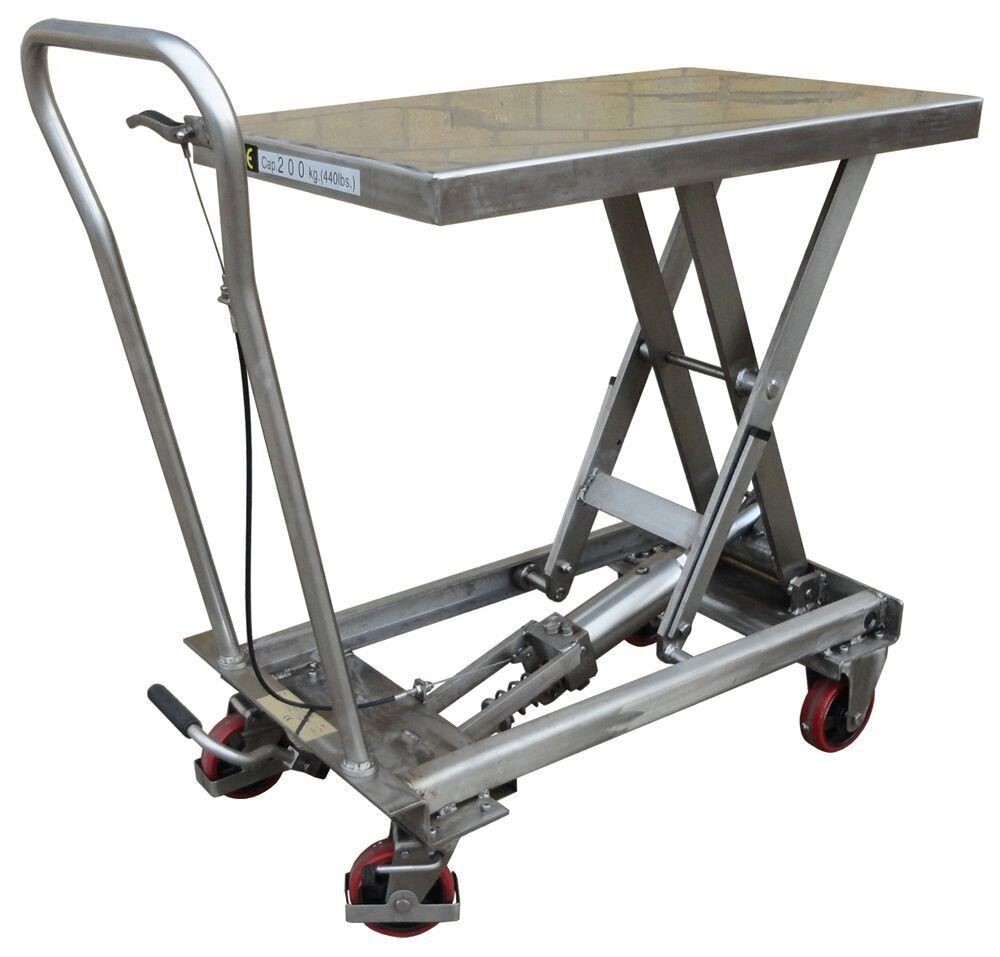
Scissor Lift Tables | Hydraulic & Electric Lifting Platforms | Hall-Fast
Versatile Lifting Solutions for Industry
Scissor lift tables provide an essential solution for efficient material handling, workplace ergonomics, and improved productivity across numerous industrial applications. These height-adjustable platforms utilize a collapsible scissor mechanism to raise and lower loads safely, eliminating unnecessary manual handling and positioning materials at the optimal working height.
Available in hydraulic, electric, and manual configurations with capacities ranging from 150kg to over 2000kg, scissor lift tables offer a flexible solution for virtually any lifting requirement in manufacturing, warehousing, and production environments. Their compact footprint and versatile functionality make them an indispensable tool for modern operations focused on efficiency, safety, and ergonomic best practices.
Types of Scissor Lift Tables
Our comprehensive range of scissor lift tables includes various designs to meet diverse operational requirements:
Hydraulic Scissor Lift Tables
- Operating Mechanism: Powered by hydraulic pressure, using either manual pump or electric hydraulic pump
- Load Capacity: Typically 500kg to 2000kg+
- Ideal Applications: Heavy-duty material handling, pallet loading/unloading, manufacturing workstations
- Key Advantages: Reliable operation, substantial lifting power, excellent stability
- Typical Features: Foot pump or electric button operation, overload protection, maintenance props
- Considerations: Manual models require physical effort, electric models need power source
Electric Scissor Lift Tables
- Operating Mechanism: Powered by electric motor with push-button control
- Load Capacity: Generally 200kg to 1500kg
- Ideal Applications: Production lines, assembly operations, frequent height adjustments
- Key Advantages: Effortless operation, consistent lift speed, minimal operator fatigue
- Typical Features: Remote or fixed controls, programmable height settings on some models
- Considerations: Requires electrical connection, higher initial investment
Manual Scissor Lift Tables
- Operating Mechanism: Foot pump or hand crank operation
- Load Capacity: Usually 150kg to 500kg
- Ideal Applications: Workshops, occasional use settings, areas without power access
- Key Advantages: No power requirements, lower cost, simple maintenance
- Typical Features: Straightforward mechanical design, foot-operated pump
- Considerations: Requires physical effort, slower lift speed
Mobile Scissor Lift Tables
- Operating Mechanism: Typically hydraulic with wheels/castors for movement
- Load Capacity: 150kg to 800kg when mobile (higher when stationary)
- Ideal Applications: Flexible workspaces, multi-area operations, material transport
- Key Advantages: Portability between workstations, versatile positioning
- Typical Features: Locking castors, tow handle, compact design
- Considerations: Lower capacity when mobile, requires suitable floor surface
Double/Multi Scissor Lift Tables
- Operating Mechanism: Multiple scissor mechanisms for extended lift height
- Load Capacity: Similar to standard models but with greater vertical range
- Ideal Applications: Applications requiring significant height adjustment, deep pit access
- Key Advantages: Extended vertical travel, higher maximum height
- Typical Features: Reinforced scissor mechanisms, additional stability features
- Considerations: Larger collapsed height, typically higher price point
Key Features and Specifications
When selecting a scissor lift table, consider these important specifications and features:
Load Capacity
- Light Duty: 150kg to 500kg for workstation applications
- Medium Duty: 500kg to 1000kg for general industrial use
- Heavy Duty: 1000kg to 2000kg for substantial material handling
- Extra Heavy Duty: 2000kg+ for specialized industrial applications
- Dynamic vs. Static Load: Note that maximum capacity assumes evenly distributed static load
Platform Dimensions
- Standard Sizes: Typically range from 850mm x 500mm to 2000mm x 1000mm
- Custom Options: Bespoke platform sizes available for specific applications
- Platform Extensions: Some models offer expanding or fold-down platform extensions
- Surface Options: Smooth steel, textured anti-slip, roller tops, turntables
- Edge Considerations: Containment lips or roll-off prevention features
Height Range
- Minimum Height: Typically 190mm to 300mm in collapsed position
- Maximum Height: Ranges from 750mm to 1900mm for standard models
- Extended Range: Multi-scissor designs offer heights up to 3000mm
- Lift Travel: The difference between minimum and maximum heights
- Incremental Control: Ability to stop at any height within range
Lifting Speed
- Manual Models: Variable depending on operator
- Hydraulic Models: Approximately 15-20 seconds (unloaded)
- Electric Models: 15-40 seconds depending on capacity and specification
- Variable Speed Options: Available on premium electric models
- Speed vs. Load Relationship: Typically slower with heavier loads
Construction Quality
- Frame Materials: High-grade steel construction for durability
- Finish Options: Powder coating or zinc plating for corrosion resistance
- Bearing Quality: Sealed bearings for smooth operation and longevity
- Hydraulic Components: Industrial-grade cylinders and valves
- Platform Reinforcement: Structural support for load distribution
Control Systems
- Manual Control: Foot pump or hand crank mechanism
- Electric Control: Push-button pendant or fixed control panel
- Optional Features: Foot pedal operation, remote control, programmable height settings
- Safety Controls: Emergency stop buttons, two-hand operation requirements
- Control Positioning: Fixed, detachable, or flexible positioning options
Benefits of Scissor Lift Tables
Incorporating scissor lift tables into your operations delivers numerous advantages:
Ergonomic Improvements
- Reduced Bending and Reaching: Adjustable height eliminates awkward postures
- Customizable Working Height: Accommodates workers of different statures
- Decreased Physical Strain: Minimizes manual lifting and positioning
- Improved Work Positioning: Materials presented at optimal height for task
- Reduced Fatigue: Less physical exertion during shift hours
- Prevention of Injuries: Decreases risk of back injuries and musculoskeletal disorders
Productivity Enhancements
- Efficient Material Handling: Streamlined movement and positioning of goods
- Reduced Process Time: Faster and easier access to materials
- Decreased Downtime: Less time spent manually adjusting material heights
- Improved Work Quality: Better positioned work results in fewer errors
- Optimized Workflow: Seamless integration into production processes
- Enhanced Output: Combination of speed, efficiency, and reduced fatigue increases productivity
Safety Advantages
- Reduced Manual Handling: Minimizes risk associated with lifting heavy items
- Stable Working Platform: Secure surface for materials and components
- Controlled Movement: Precise positioning without sudden shifts
- Overload Protection: Safety systems prevent operation beyond rated capacity
- Maintenance Safety: Lock bars and maintenance props for secure servicing
- Compliance Support: Helps meet manual handling regulations and workplace safety standards
Operational Benefits
- Versatile Application: Adaptable to numerous tasks and environments
- Space Efficiency: Compact footprint compared to fixed-height alternatives
- Scalable Solution: Available in various capacities and specifications
- Integration Potential: Works with other material handling equipment
- Cost Effectiveness: Lower investment than specialized lifting equipment
- Longevity: Durable design provides years of reliable service with proper maintenance
Applications Across Industries
Scissor lift tables prove invaluable across numerous sectors and applications:
Manufacturing and Production
- Assembly Lines: Height-adjustable workstations for optimal assembly positioning
- Machine Loading/Unloading: Precise positioning for material transfer to/from machines
- Component Handling: Ergonomic positioning of parts for assembly or processing
- Production Cells: Integrated lifting within manufacturing cells
- Quality Control: Adjustable inspection tables for detailed examination
- Packaging Operations: Efficient positioning for product packaging
Warehousing and Logistics
- Pallet Building/Breaking: Ergonomic height for loading and unloading pallets
- Order Picking: Adjustable height reduces bending and reaching during picking
- Goods Receipt: Proper positioning for inspection and processing
- Load Transfer: Bridge between different handling systems and heights
- Container Loading/Unloading: Ergonomic access to container contents
- Cross-Docking Operations: Efficient transfer between transport modes
Specialist Applications
- Printing Industry: Paper handling and machine feeding
- Automotive Sector: Component positioning, vehicle maintenance access
- Food Processing: Hygienic lifting solutions with stainless steel options
- Pharmaceutical Production: Precise positioning in controlled environments
- Retail Operations: Stock handling and display construction
- Maintenance Workshops: Adjustable work platforms for equipment servicing
- Construction Materials: Handling and positioning of building materials
Industry-Specific Solutions
- Clean Room Environments: Specialized finishes for controlled environments
- Explosion-Proof Requirements: ATEX-compliant options for hazardous areas
- Outdoor Applications: Weather-resistant designs for exposed locations
- Food Grade Operations: Stainless steel and washdown-capable models
- Heavy Industry: Reinforced designs for extreme loads and conditions
- Low-Profile Applications: Ultra-thin collapsed heights for specific requirements
Safety Features and Considerations
Ensuring safe operation of scissor lift tables requires attention to several key factors:
Built-In Safety Features
- Overload Protection: Prevents operation when capacity is exceeded
- Maintenance Props/Bars: Mechanical supports for safe maintenance access
- Emergency Stop Controls: Immediate halt of operation when required
- Velocity Fuses: Prevent rapid descent in case of hydraulic failure
- Anti-Trap Protection: Guards or sensors to prevent crushing hazards
- Perimeter Protection: Toe guards, bellows, or skirting to prevent access underneath
- Surface Treatment: Anti-slip platform options for secure footing
- Travel Limiters: Prevent operation beyond safe parameters
Operational Safety
- Load Distribution: Ensure even weight distribution across platform
- Stability During Operation: Level surface, properly positioned load
- Movement Clearance: Adequate space around lift for safe operation
- Operator Training: Proper instruction on safe use and limitations
- Visual Inspections: Pre-operation checks for visible issues
- Clear Operating Area: Keep personnel clear during raising/lowering
- Mobile Unit Considerations: Lock wheels before lifting, avoid movement when raised
- Load Containment: Prevent items from rolling or shifting during operation
Compliance and Standards
- CE Marking: Confirmation of compliance with relevant EU directives
- PUWER Regulations: Meets Provision and Use of Work Equipment Regulations
- LOLER Considerations: Lifting Operations and Lifting Equipment Regulations where applicable
- ISO Standards: Manufactured to relevant international standards
- BS EN 1570: British/European standard for safety requirements of lift tables
- Quality Certification: Manufactured under ISO 9001 quality management systems
- Documentation: Complete technical files and operation manuals provided
- Inspection Records: Maintaining required documentation of examinations
Choosing the Right Scissor Lift Table
Selecting the optimal scissor lift table requires careful consideration of several factors:
Application Assessment
- Primary Purpose: Define the main tasks the lift will perform
- Load Characteristics: Weight, dimensions, distribution, and nature of typical loads
- Frequency of Use: Occasional, regular, or continuous operation
- Environment: Indoor/outdoor, temperature range, exposure to contaminants
- Available Space: Footprint limitations and height restrictions
- Power Availability: Access to electricity or alternatives
- Mobility Requirements: Fixed position or need for movement between locations
- Integration Needs: Connection with other equipment or systems
Specification Matching
- Capacity Rating: Select capacity at least 25% above maximum expected load
- Platform Size: Ensure dimensions accommodate largest expected items
- Height Range: Confirm minimum and maximum heights meet all requirements
- Speed Considerations: Assess if lift speed is appropriate for operational tempo
- Control Type: Determine most suitable control method for operators
- Power Source: Evaluate electric, hydraulic, or manual options based on circumstances
- Special Features: Identify any unique requirements (rotation, tilt, etc.)
- Future Needs: Consider potential changes in requirements over time
Budget Considerations
- Initial Investment: Balance between cost and required specifications
- Operating Costs: Energy consumption, maintenance requirements
- Longevity Expectations: Quality and durability relative to application intensity
- Return on Investment: Productivity gains, injury prevention, process improvements
- Total Cost of Ownership: Purchase, installation, maintenance, and operational costs
- Warranty Coverage: Protection against defects and failures
- Service Support: Availability and cost of technical assistance
- Spare Parts Availability: Long-term access to replacement components
Maintenance and Care
Proper maintenance ensures reliable operation and extended service life:
Routine Maintenance
- Daily Checks: Visual inspection of key components before use
- Weekly Tasks: Cleaning, checking hydraulic fluid levels (where applicable)
- Monthly Procedures: Lubrication of pivot points, checking for loose fasteners
- Quarterly Activities: Detailed inspection of all mechanical components
- Annual Service: Comprehensive examination by qualified technician
- Documentation: Maintain records of all inspections and maintenance
- Load Testing: Periodic verification of safe working load capacity
- Hydraulic System Care: Fluid checks, leak inspection, filter replacement
Common Maintenance Points
- Scissor Mechanism: Lubrication of pins and bearings
- Hydraulic System: Fluid levels, hose condition, seal integrity
- Electrical Components: Control functionality, wire condition, motor performance
- Structural Elements: Check for deformation, cracks, or damage
- Platform Surface: Inspect for damage or excessive wear
- Safety Features: Verify operation of all safety mechanisms
- Fasteners: Check tightness of bolts and securing elements
- Wheels/Castors: Condition and smooth operation (mobile units)
Troubleshooting Basics
- Uneven Lifting: Typically air in hydraulic system or mechanical binding
- Slow Operation: May indicate low fluid, leaks, or power issues
- Unexpected Descent: Check for hydraulic leaks or valve problems
- Excessive Noise: Often indicates bearing issues or air in the system
- Failure to Lift: Check power supply, hydraulic pressure, or mechanical obstruction
- Control Issues: Inspect electrical connections and control components
- Fluid Leaks: Identify source and repair promptly
- Stability Problems: Check level surface and load distribution
Frequently Asked Questions
What is the difference between a single and double scissor lift table?
A single scissor lift table has one set of scissor mechanisms and provides a standard lifting height range, typically raising to 2-3 times its collapsed height. A double or multi-scissor design incorporates additional scissor sets to achieve greater height extension, often reaching 3-5 times the collapsed height. Double scissor designs are ideal when significant vertical travel is required but floor space is limited.
Can scissor lift tables be used outdoors?
Yes, certain models are designed for outdoor use with weather-resistant finishes, sealed electrical systems, and additional protection for hydraulic components. When selecting a lift table for outdoor applications, ensure its specifically rated for external use and consider factors like temperature extremes, exposure to rain, and surface conditions. Galvanized or stainless steel construction offers better corrosion resistance for outdoor environments.
How often should a scissor lift table be inspected?
Daily visual inspections should be performed by operators before use, checking for obvious damage, leaks, or issues. More comprehensive inspections should occur monthly, examining mechanical components, hydraulic systems, and safety features. Professional thorough examinations by qualified technicians are recommended at least annually or in accordance with manufacturer guidelines and relevant regulations like LOLER or PUWER.
What safety features should I look for in a scissor lift table?
Essential safety features include overload protection to prevent operation beyond rated capacity, maintenance props or bars for secure servicing, emergency stop controls, anti-trap mechanisms or guards to prevent crushing hazards, and velocity fuses in hydraulic systems to prevent uncontrolled descent in case of failure. Additional valuable features include perimeter toe protection, anti-slip surfaces, and load-retention edges depending on your specific application.
Can scissor lift tables be customized for specific applications?
Yes, many manufacturers offer customization options including special platform sizes, unique height ranges, specific control systems, additional safety features, specialized finishes for harsh environments, and integration capabilities with other equipment. Custom solutions can address specific operational requirements such as platform rotation, tilt functionality, roll-on/roll-off designs, or specialized surface treatments. Discuss your unique requirements with our technical team to explore customization possibilities.
What is the typical lifespan of a scissor lift table?
With proper maintenance and appropriate application, a quality scissor lift table can provide 10-15 years of reliable service in standard industrial environments. Factors affecting longevity include operating conditions, frequency of use, load types, maintenance quality, and initial build quality. Premium models with high-grade components typically offer longer service lives, while budget options may require replacement sooner, especially in demanding applications.
Why Choose Hall-Fast for Your Scissor Lift Table
With over 15 years of experience supplying industrial equipment to UK businesses, Hall-Fast offers:
- Product Expertise: Guidance on selecting the right scissor lift solution for your specific requirements
- Quality Assurance: Premium scissor lift tables from trusted manufacturers
- Competitive Pricing: Value-driven options for businesses of all sizes
- Fast Delivery: Efficient UK-wide delivery services
- Technical Support: Expert advice on implementation, maintenance, and troubleshooting
- Comprehensive Range: Multiple options to suit various applications
- After-Sales Service: Continued assistance throughout product lifespan
Contact our team today to discuss how our scissor lift tables can enhance your material handling capabilities while improving workplace ergonomics and operational efficiency.
Take a look at the standard range of Scissor Lift Tables that are available to buy online now from Hall-Fast https://www.hall-fast.com/catalogsearch/result/?q=scissor+lift+tables