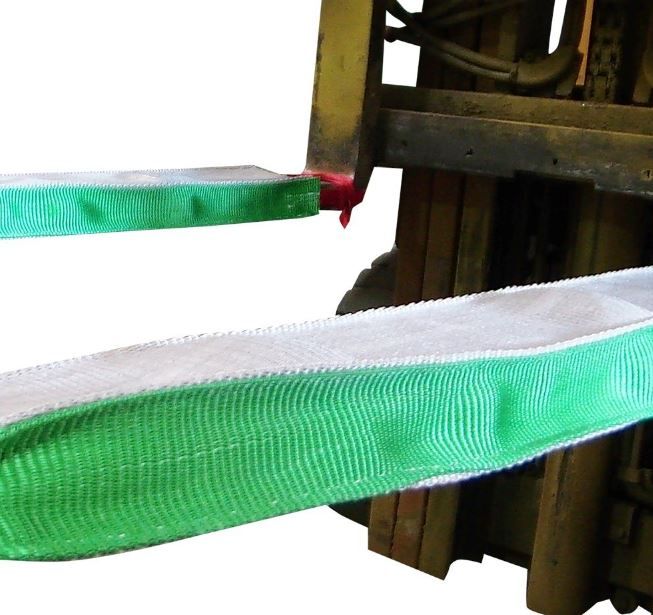
When it comes to warehouse safety and equipment longevity, forklift fork sock protection stands as one of the most overlooked yet crucial investments a facility can make. These protective covers serve as the first line of defense against damage, injury, and costly operational disruptions.
Understanding Forklift Fork Sock Protection
Forklift fork sock protection refers to specialized covers designed to shield forklift tines from damage while protecting both goods and personnel from sharp edges and potential injury. These protective sleeves create a barrier between the metal forks and the surrounding environment, significantly reducing the risk of accidents and extending equipment lifespan.
The importance of proper fork protection cannot be overstated. In busy warehouse environments, forklifts operate continuously, moving through tight spaces and handling delicate inventory. Without adequate protection, exposed metal forks can cause:
- Product damage during handling
- Scratches and tears to packaging
- Injury to personnel from accidental contact
- Premature wear on forklift components
- Increased maintenance costs
Key Benefits of Quality Fork Protection
Implementing comprehensive forklift fork sock protection delivers immediate and long-term advantages. Safety improvements top the list, as protected forks reduce the likelihood of cuts, punctures, and other injuries. Workers feel more confident operating around properly equipped forklifts, leading to increased productivity and morale.
From a financial perspective, fork protection pays for itself through reduced damage claims and lower replacement costs. Products remain intact during transport, customer satisfaction increases, and warranty issues decrease substantially. The initial investment in quality protection systems typically recovers within months through these savings alone.
Operational efficiency gains represent another significant benefit. Protected forks move more smoothly through warehouse environments, reducing friction and wear on both equipment and inventory. This translates to faster cycle times, reduced downtime, and improved overall throughput.
Types of Fork Protection Solutions
Modern forklift fork sock protection comes in various configurations to suit different operational needs. Standard protective sleeves offer basic coverage for general warehouse applications, while heavy-duty options provide enhanced protection for demanding industrial environments.
Slip-on designs allow for quick installation and removal, making them ideal for facilities with multiple forklift operators or varying load requirements. Permanent mounting systems offer maximum security and durability for dedicated equipment applications.
Material choices range from standard rubber compounds to specialized polymers engineered for specific environmental conditions. UV-resistant formulations prevent degradation in outdoor applications, while chemical-resistant options protect against harsh industrial substances.
Installation and Maintenance Best Practices
Proper installation of forklift fork sock protection ensures optimal performance and longevity. Begin by thoroughly cleaning the fork surface to remove dirt, grease, and debris. This preparation step prevents premature wear and ensures secure attachment.
Follow manufacturer specifications for sizing and positioning. Incorrectly fitted protection can slip during operation, creating safety hazards and reducing effectiveness. Regular inspection schedules should include checking for tears, excessive wear, or loosening that might compromise protection.
Maintenance requirements vary by material and application, but general guidelines include periodic cleaning, visual inspection for damage, and replacement when wear indicators are reached. Well-maintained protection systems last significantly longer and provide consistent performance throughout their service life.
Choosing the Right Protection for Your Application
Selecting appropriate forklift fork sock protection requires careful consideration of operational requirements. Load types, handling frequency, and environmental conditions all influence the optimal choice. Heavy, abrasive loads demand more robust protection than light, smooth packages.
Consider the specific challenges your operation faces. High-volume facilities benefit from durable, long-lasting protection that minimizes replacement frequency. Precision handling applications may require specialized designs that maintain fork sensitivity while providing adequate protection.
Budget considerations should balance initial cost against long-term value. While premium protection systems cost more upfront, their extended lifespan and superior performance often deliver better total cost of ownership.
Industry Standards and Compliance
Workplace safety regulations increasingly emphasize the importance of proper equipment protection. Forklift fork sock protection helps facilities meet OSHA requirements while demonstrating commitment to worker safety. Many insurance providers offer reduced premiums for facilities implementing comprehensive safety programs.
Quality protection systems should meet relevant industry standards for material properties, durability, and performance. Look for products tested to recognized specifications and backed by manufacturers with proven track records in industrial applications.
Future Trends in Fork Protection Technology
Innovation continues to drive improvements in forklift fork sock protection. Smart materials that change properties based on temperature or load conditions represent an emerging trend. These advanced systems could provide variable protection levels automatically adjusting to operational requirements.
Integration with telematics systems allows real-time monitoring of protection system condition and performance. This technology enables predictive maintenance scheduling and optimized replacement intervals, further improving cost-effectiveness.
Conclusion
Investing in quality forklift fork sock protection represents a smart business decision that pays dividends in safety, efficiency, and cost savings. By understanding the options available and selecting systems matched to operational requirements, facilities can significantly improve their warehouse operations while protecting both equipment and personnel.
The key lies in choosing proven solutions from reputable suppliers who understand the demanding nature of industrial applications. Quality protection systems, properly installed and maintained, provide years of reliable service while delivering measurable operational benefits.
For premium forklift fork sock protection solutions, visit Hall-Fast Fork Sock Protection Covers. Learn more about our company at Hall-Fast About, explore our quality brands, or contact us for expert guidance on selecting the right protection for your application.